

Close Menu
Healthtost
  • News
  • Mental Health
  • Men’s Health
  • Women’s Health
  • Skin Care
  • Sexual Health
  • Pregnancy
  • Nutrition
  • Fitness
  • Recommended Essentials
What's Hot

How to increase nitric oxide and without sexual health benefits

May 12, 2026

It happened again. | Nerd Fitness

May 12, 2026

Mental stress can weaken muscle performance

May 12, 2026
Facebook X (Twitter) Instagram
  • About Us
  • Contact Us
  • Privacy Policy
  • Terms and Conditions
  • Disclaimer
Facebook X (Twitter) Instagram
Healthtost
SUBSCRIBE
  • News

    Mental stress can weaken muscle performance

    May 12, 2026

    Research links specific diets to reduced biological age

    May 11, 2026

    A key factor in the development of latent stroke

    May 11, 2026

    Lab-grown diamonds allow highly sensitive radiation dose measurements

    May 10, 2026

    Sexual arousal can cloud the recognition of ambiguous rejection signals

    May 10, 2026
  • Mental Health

    Are antidepressants dangerous? The truth about violence, overuse and fear

    May 11, 2026

    Feel like a fraud? Understanding Imp…

    May 10, 2026

    Every mental health journey starts with being seen

    May 2, 2026

    What animal studies teach us about toxic work environments

    April 27, 2026

    I hate hope: How to manage hope when you have treatment-resistant bipolar disorder

    April 19, 2026
  • Men’s Health

    Beyond symptoms: Into the push to finally change the effects of cerebral palsy

    May 12, 2026

    Mix up your workout with Myo-Reps

    May 11, 2026

    The Future of the USA: Why Empires End After 250 Years and What We Should Do Now

    May 11, 2026

    35 Minute High Rep Bodyweight Full Body Workout Challenge

    May 7, 2026

    Study reveals neglected crisis of paternal deaths after childbirth

    May 5, 2026
  • Women’s Health

    What is SPF? A guide to Indian skin

    May 10, 2026

    Eat Your Way to a Stronger Heart: The Essential Guide to Healthy Eating

    May 9, 2026

    Carrying the Load: What Mental Health Looks Like for Black Women Leaders

    May 8, 2026

    Your sex life after menopause

    May 8, 2026

    How to insert a tampon: Step by step guide

    May 7, 2026
  • Skin Care

    The best allergen-free makeup for sensitive skin

    May 9, 2026

    Skin Spa NYC: What to book for radiance, pore cleansing and lifting

    May 7, 2026

    What is Skinification? A simple guide to this beauty trend

    May 6, 2026

    How I Did It: Fading Hormonal Hyperpigmentation Without Lasers

    May 3, 2026

    The truth about waterless care: What your skin really needs

    May 2, 2026
  • Sexual Health

    How to increase nitric oxide and without sexual health benefits

    May 12, 2026

    2026 Mother’s Day Gift Guide: Pleasure & Wellness

    May 11, 2026

    Fildena The best time for optimal results

    May 9, 2026

    how do you tell them apart?

    May 7, 2026

    What is Sexology? Complete guide to the field — Sexual Health Alliance

    May 6, 2026
  • Pregnancy

    Doctor Birth Story with Dr. Manisha Ghimire

    May 11, 2026

    What they are, how they work and why parents love them

    May 11, 2026

    Folic acid before pregnancy may help reduce the risk of birth defects for women taking epilepsy drugs

    May 10, 2026

    What to eat & avoid

    May 9, 2026

    Transforming birth through informed, empowered support

    May 6, 2026
  • Nutrition

    Why Weight Loss Isn’t The Key To Better Health (And What Is)

    May 11, 2026

    The best supplements for fatty liver disease

    May 9, 2026

    Low energy after 35? Because your sleep and blood sugar feel low

    May 8, 2026

    How living with joy becomes a powerful act of rebellion

    May 5, 2026

    Can magnesium help you lose weight?

    May 4, 2026
  • Fitness

    It happened again. | Nerd Fitness

    May 12, 2026

    5 Top Dental Health Tips for Preschoolers

    May 11, 2026

    The best Mother’s Day ideas to create lasting memories together

    May 11, 2026

    The best menopause workout for women over 40

    May 8, 2026

    Dealing with customer misconceptions with Ask-Offer-Ask

    May 7, 2026
  • Recommended Essentials
Healthtost
Home»Mental Health»Worried about your preschooler’s anxiety? See how you can help
Mental Health

Worried about your preschooler’s anxiety? See how you can help

healthtostBy healthtostMarch 28, 2026No Comments5 Mins Read
Facebook Twitter Pinterest LinkedIn Tumblr Reddit WhatsApp Email
Worried About Your Preschooler's Anxiety? See How You Can Help
Share
Facebook Twitter LinkedIn Pinterest WhatsApp Email

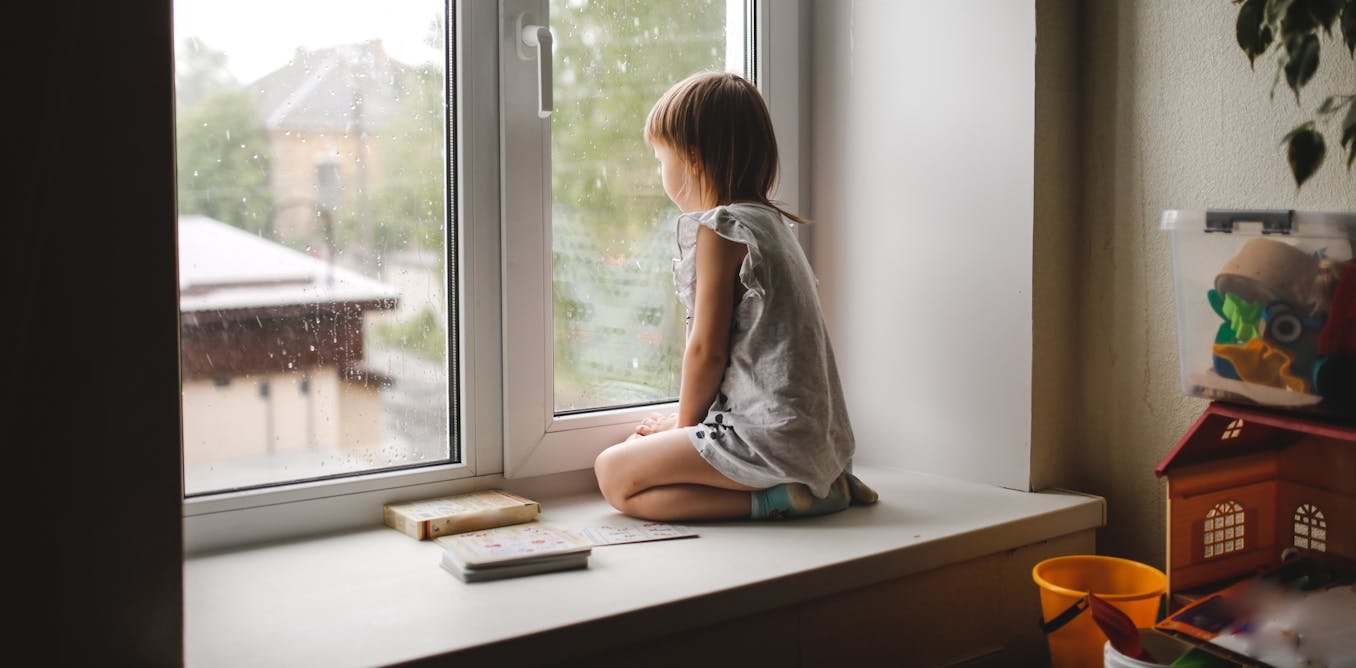
New research on a group of Australian preschool children suggests that more than 40% experience an anxiety disorder.

THE studyled by Monash University and published in the journal Clinical Child Psychology and Psychiatry, was based on interviews with mothers of 545 three- and four-year-olds.

It found that 48% of the group met criteria for a mental health disorder, while 43% met criteria for an anxiety disorder. This included separation anxiety, social phobia, specific phobias (for example, fear of the dark) and generalized anxiety disorder.

Although these results seem shocking, the researchers note that they should be treated as preliminary and with caution.

Another investigation he tells us It is very normal for young children to experience some level of anxiety.

How can parents protect their children from stress? And how can you tell if they – and you – need more help managing their mental health?

Some concerns are normal

Anxiety is a natural response to a perceived threat, uncertainty or anxiety. The usually includes feelings of restlessness, nervousness, or restlessness, along with body reactions such as increased heart rate, muscle tension, and stomach problems.

Some degree of anxiety and worry it is completely expected in preschool children. Research he tells us Mild anxiety can even play a protective role — it helps us learn to identify and respond to potential threats.

Common worries and anxieties experienced at this developmental stage include fear of separation from caregivers, new people or situations, loud noises, darkness or nightmares, and transitions (for example, going from home to daycare).

In the new Australian study, which we did not deal with, the most common form of anxiety for preschool children was “specific phobias” – 31% of children met criteria for specific phobias. Like researchers note on their paper:

Fearful responses to scenarios such as the dark, storms, dentists, and doctors may be considered normal in preschool children at low frequencies […] these may be relatively transient compared to other disorders.

This suggests that some preschoolers will outgrow some of their childhood anxieties over time.

What can parents do to help?

There are many things parents can do, both proactively and when anxiety and worry arise in children.

Talk openly about feelings

Especially when things are calm. This can include reading books and talking about how stress feels in our bodies, when it can occur and what can help. Doing this before your child becomes overwhelmed helps to smooth out those feelings, so when anxiety does arise, they have the language and context for it.

Great examples include Virginia Ironside’s The Huge Bag of Worries, Karen Young’s Hey Warrior, and Tracey Moroney’s The Feelings Series.

Validate concerns

When you notice that your child is worried, gently name what could be happening to them.

Resist the urge to immediately reassure them (for example, by saying “you’ll be fine”). Instead, acknowledge and validate the feeling. This helps your child feel understood and shows that their feelings are manageable with your support.

For example, you can say:

It sounds like you might be feeling nervous about going swimming today. That’s okay, it’s okay to worry about new or difficult things.

Practice setting strategies when times are calm

Strategies such as slowing our breathing, spending time outdoors, or petting a pet can help manage stress.

Try to practice them before the stress peaks. Make them part of your everyday life and model them yourself. When children see adults using these tools, it reinforces that everyone has big feelings and that there are positive ways to handle them.

Support brave behavior

Anxiety usually leads to avoidance. While avoidance can see anxiety symptoms diminishing very quickly at this time it tends to make anxiety worse over time.

Try to gently encourage your child to engage in things they feel anxious about. It is often beneficial to start with situations where your child feels less anxious to build confidence.

For example, if they’re nervous about swimming lessons, encourage them to sit on the edge of the pool to start. This does not mean pressuring your child. Instead, give your child time and space and stay by his side as he takes baby steps. For example, you can say:

I can see that this is difficult. How about we try to join in just for the first activity — I’ll stay here with you.

Let your child know that you are proud of them when they do things even when they feel stressed.

Signs You May Need More Help

While anxiety and worry are feelings that all children experience, some of the signs that your child could benefit from some extra support include:

  • Anxiety prevents your child from attending or enjoying childhood, preschool, daycare, or other social situations

  • Anxiety affects everyday life, including your child’s sleep or eating

  • Anxiety causes significant and ongoing distress and emotional strain to your child or the wider family

  • Anxiety occurs frequently in your child and lasts more than a few weeks.

Where can you get support?

Making an appointment with your child’s doctor is a great first step. They can provide support and referrals to a pediatrician, psychologist, or other type of therapist, such as a play therapist or occupational therapist.

You can also speak to your local maternal health nurse. They can help you understand whether your child would benefit from additional support and discuss referral options with you.

Free resources are also available for parents at Raising Children Network (federal government parent website) and Emerging mindsa website dedicated to children’s mental health.

anxiety preschoolers Worried
bhanuprakash.cg
healthtost
  • Website

Related Posts

5 Top Dental Health Tips for Preschoolers

May 11, 2026

Are antidepressants dangerous? The truth about violence, overuse and fear

May 11, 2026

Feel like a fraud? Understanding Imp…

May 10, 2026

Leave A Reply Cancel Reply

Don't Miss
Sexual Health

How to increase nitric oxide and without sexual health benefits

By healthtostMay 12, 20260

Did you know that? Your body is a vast and complex system of molecules that…

It happened again. | Nerd Fitness

May 12, 2026

Mental stress can weaken muscle performance

May 12, 2026

Beyond symptoms: Into the push to finally change the effects of cerebral palsy

May 12, 2026
Stay In Touch
  • Facebook
  • Twitter
  • Pinterest
  • Instagram
  • YouTube
  • Vimeo
TAGS
Baby benefits body brain cancer care Day Diet disease exercise finds Fitness food Guide health healthy heart Improve Life Loss Men mental Natural Nutrition Patients Pregnancy research reveals risk routine sex sexual Skin Skincare study Therapy Tips Top Training Treatment Understanding ways weight women Workout
About Us
About Us

Welcome to HealthTost, your trusted source for breaking health news, expert insights, and wellness inspiration. At HealthTost, we are committed to delivering accurate, timely, and empowering information to help you make informed decisions about your health and well-being.

Latest Articles

How to increase nitric oxide and without sexual health benefits

May 12, 2026

It happened again. | Nerd Fitness

May 12, 2026

Mental stress can weaken muscle performance

May 12, 2026
New Comments
    Facebook X (Twitter) Instagram Pinterest
    • About Us
    • Contact Us
    • Privacy Policy
    • Terms and Conditions
    • Disclaimer
    © 2026 HealthTost. All Rights Reserved.

    Type above and press Enter to search. Press Esc to cancel.