


Your body doesn’t make mistakes.
I know that’s hard to believe when you’re dealing with chronic fatigue, stubborn weight, hormonal chaos, skin that won’t clear, digestion that won’t cooperate, and a metabolism that seems to have completely given up.
But each of these symptoms is your body intelligently adapting to the conditions in which it lives.
The question is not what happens to your body. The question is: under what conditions does it work?
Two functions. A body.
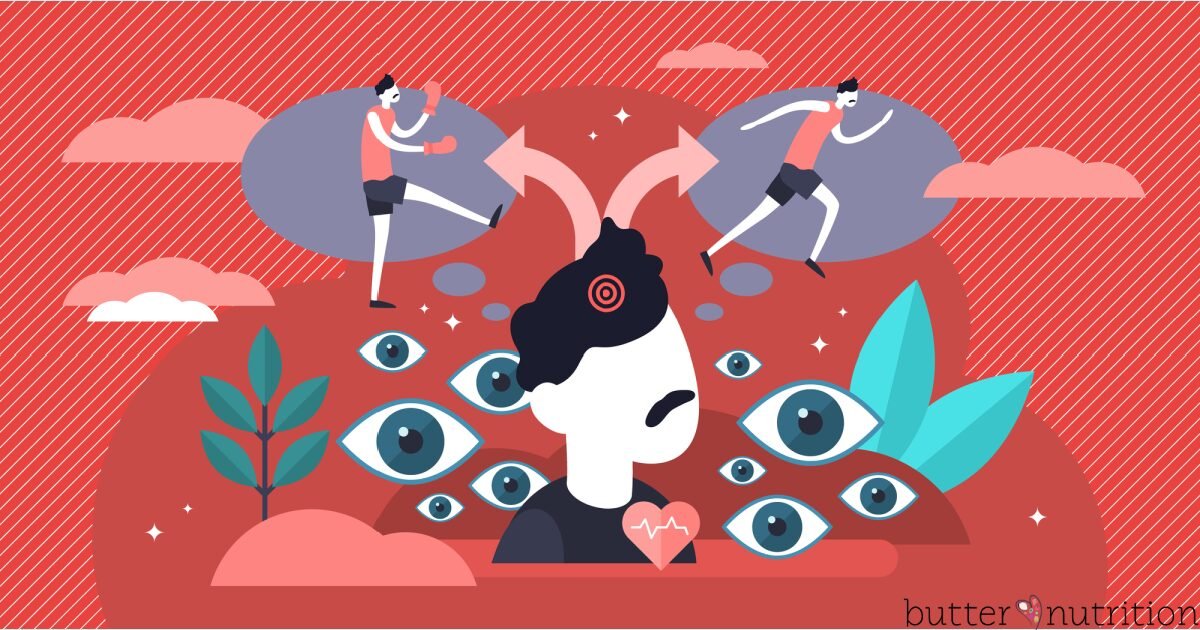
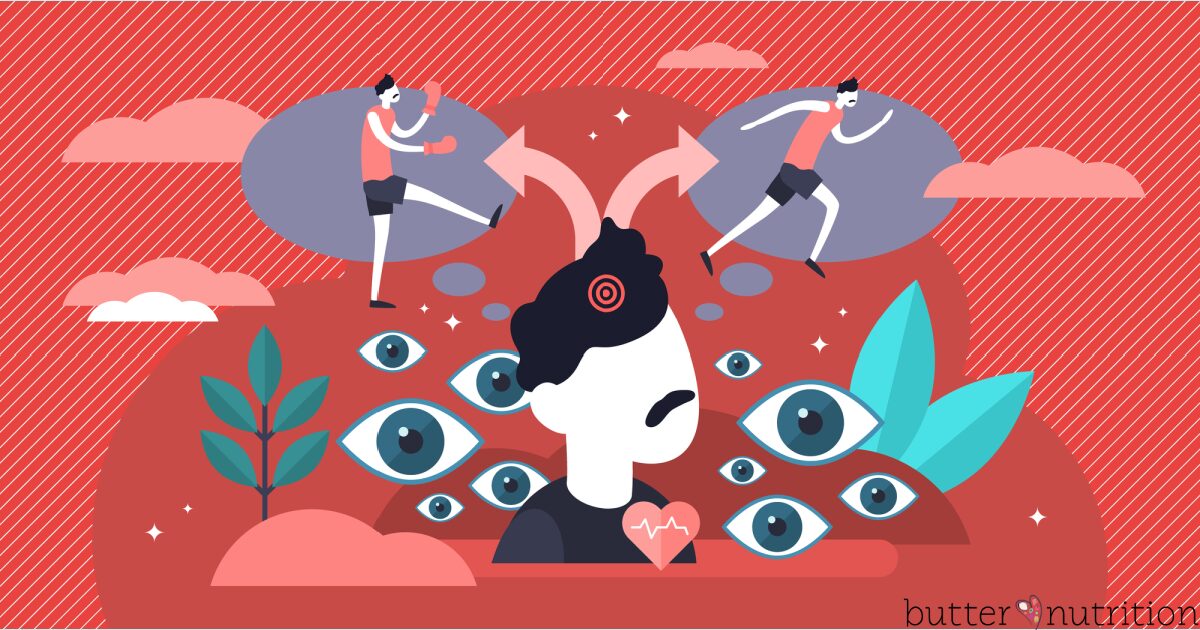
Your nervous system has two settings.
Parasympathetic – rest, digestion, detoxification, restoration, reproduction. This is the state where healing occurs. Where nutrients are absorbed. Where hormones are created and purified. Where bile flows, digestion runs and your body invests resources for long-term health.
Sympathetic – fight, flight, survive. This is the state where all non-essentials are closed. Disabling digestion. Detox off. Hormone production lacks priority. Bile sluggish. Metabolism slowed down. All resources are redirected to one goal: survival of the immediate threat.
Your body is brilliantly designed for both. The problem is not the stress response. The problem is when it never goes off.
Chronic stress – work stress, financial stress, relationship stress, the stress of being unwell for years – all register in the same way in your nervous system. There is no difference between running from a predator and sitting in traffic for the fourth day in a row. The alarm goes off in the same way. And if it triggers often enough, for long enough, your body stops waiting for the all-clear and just… stays there.
In survival mode. Indefinitely.
What chronic sympathetic dominance actually looks like
This is where most women get stuck – because the symptoms of chronic nervous system stress look exactly like a dozen other diagnosable conditions.
- Inflammation – not a disease. A healing response that never got the signal to stop.
- Weight gain – not laziness. Cortisol, insulin, and estrogen tell the body to store fat under certain conditions. These situations are chronic stress.
- Constipation – not a fiber problem. Digestion and bowel motility are parasympathetic functions. When the sympathetic nervous system runs the show, things slow down and stop because good digestion won’t really serve you in an emergency.
- Low energy – not a thyroid problem. Stress hormones suppress thyroid function directly. They are also burned through minerals that drive energy production at the cellular level.
- Skin problems – not a grooming problem. Your skin is a mirror of the health of your liver and gut – both of which are downstream of nervous system regulation.
- High blood pressure – not just genetics. The stress response increases blood pressure as part of its design. Chronically elevated stress hormones mean chronically elevated stress.
How many of these are known?
Are you chasing the symptom with supplements and quick fixes – instead of understanding what created it in the first place?
Because that’s where the real answers lie. Not to the symptom. In the conditions that created it.
The cake analogy
Think of your health like baking a cake.
You need the right ingredients – nutrients, minerals, whole foods, the things we talk about here regularly. Without them, the cake does not have the raw materials to become, well, a cake.
But the ingredients have to be right in another way too. Not just present – balanced. Too much flour and the cake becomes dense and heavy. Too little sugar and it won’t rise properly or taste the way it’s supposed to. Too much of even one good thing – or too little of something essential – throws off the whole recipe.
But you also need the right oven temperature. Consistent. Constant. Warm enough to let the chemistry do its work.
Your nervous system is the oven.
If your oven is stuck in energy-saving mode—cycling between too hot and too cold, running under pressure, never fully settling—it doesn’t matter how perfect your ingredients are. The cake will not rise properly. It’s not going to cook properly. Something will always be closed.
You need both. The ingredients AND the oven. Nutrition AND regulation of the nervous system. Neither works without the other.
What really helps
It’s not about meditation and positive thinking being a cure-all. It’s not about eliminating all stress – that’s not possible, and that’s not the point.
It’s about reducing what the late Dr. John Sarno first described as the emotional reservoir—the accumulated, often-felt emotional stress that keeps your nervous system on low alert even when nothing acute is happening. Dr. Sarno spent decades documenting the relationship between repressed emotion and physical symptoms, and his work influenced an entire generation of mind-body practitioners. Nicole Sachs, who studied directly with him, built on that foundation with JournalSpeak—a structured expressive writing practice designed to regularly drain that reservoir and give your nervous system a steady outlet for the burden it’s been quietly carrying.
In her book Pay attention to your bodySachs introduces a practice called JournalSpeak—a specific, structured form of expressive writing designed to drain this reservoir. Not to process the trauma in the clinical sense, but to give your nervous system a regular outlet for the emotional baggage it was quietly carrying. The research behind expressive writing and its effect on physical symptoms is compelling—and the practice itself is simple enough to begin today.
Nervous system work does not replace nutritional work. It makes nutrition actually work.
The essence
Your body wants to heal. It is always, without exception, working toward survival and balance every millisecond of every day.
But healing is a parasympathetic function. And you can’t heal in a body that doesn’t feel safe.
No supplement protocol, no elimination diet, no mineral balancing plan works fully on a nervous system stuck in fight or flight. But if you’ve done everything right and still aren’t seeing results, this is the level worth checking out.
Address your nervous system. Nourish your body. Stack the deck smartly to your body’s advantage.
Your body was waiting exactly that.
Suggested Reading: Pay attention to your body from Nicole Sachs and her practice at JournalSpeak: nicolesachs.com
Suggested next steps: → [Take the assessment – find out which body systems are under the most stress right now] → [Learn about HTMA and mineral testing – find out what chronic stress has depleted]
References:
1. Sachs, N. (2023). Mind Your Body: A Revolutionary Program to Overcome Chronic Pain and Disease. It sounds real.
2. Sarno, JE (1991). Back Pain Treatment: The Mind-Body Connection. Warner Books.
