

Close Menu
Healthtost
  • News
  • Mental Health
  • Men’s Health
  • Women’s Health
  • Skin Care
  • Sexual Health
  • Pregnancy
  • Nutrition
  • Fitness
  • Recommended Essentials
What's Hot

Why Kenya, Ethiopia, Japan and the US stand out in global distance running

May 26, 2026

The truth about fasted training for women

May 26, 2026

From Social Work to Health Coaching: A Story of AFPA Graduates

May 26, 2026
Facebook X (Twitter) Instagram
  • About Us
  • Contact Us
  • Privacy Policy
  • Terms and Conditions
  • Disclaimer
Facebook X (Twitter) Instagram
Healthtost
SUBSCRIBE
  • News

    How smart cities can protect outdoor recreation in a warming world

    May 26, 2026

    Roswell Park scientists present five key cancer studies at clinical meeting

    May 25, 2026

    New AI model detects hidden antibiotic resistance genes beyond standard databases

    May 25, 2026

    AI-engineered p53 superproteins may reshape future cancer therapies

    May 24, 2026

    Psilocybin can provide long-term relief from chronic nerve pain

    May 24, 2026
  • Mental Health

    Healing is where change begins. Habits are…

    May 24, 2026

    The Antidepressant Myth RFK Jr. he wants you to believe

    May 20, 2026

    Are you caught in the cycle of chronic pain? How does Thera…

    May 15, 2026

    Why Menopause Matters in Substance Use Disorder Prevention, Treatment, and Recovery

    May 14, 2026

    because you might be right to leave a party without saying goodbye

    May 14, 2026
  • Men’s Health

    Why Kenya, Ethiopia, Japan and the US stand out in global distance running

    May 26, 2026

    ‘Vas Madness’ shows the power of messaging in men’s contraceptive decisions

    May 26, 2026

    Why men’s mental, emotional and relational health is essential now more than ever

    May 25, 2026

    30 minute bodyweight workout routine for beginners

    May 21, 2026

    Fewer sessions of radiation therapy for prostate cancer have few side effects

    May 19, 2026
  • Women’s Health

    The truth about fasted training for women

    May 26, 2026

    Voting rights are under attack

    May 26, 2026

    “Is exercise medicine?” – Exercise through a cancer diagnosis

    May 25, 2026

    The MIND Diet: A Brain-Health Approach

    May 23, 2026

    6 Major Health Benefits of Beetroot Juice

    May 22, 2026
  • Skin Care

    Spa success starts with Smart Marketing: Know Your Customer

    May 26, 2026

    Is the UltraClear laser resurfacing for you?-SkinCare Physicians

    May 23, 2026

    Ceramides for Skin Barrier: What they are and why your skin needs them

    May 22, 2026

    10 myths about sun care that are damaging your skin

    May 21, 2026

    Non-food Skin Care: What Really Clogs Pores?

    May 18, 2026
  • Sexual Health

    Fildena 50 User Experience and Benefits Review

    May 25, 2026

    PROGRESS OF CREATING EVIDENCE-BASED KNOWLEDGE LOCALLY < SRHM

    May 24, 2026

    Can gonorrhea turn into HIV?

    May 23, 2026

    The new wave of smart sex toys and why sex professionals should care — Sexual Health Alliance

    May 22, 2026

    What’s Actually in Your Lube? – HANX

    May 21, 2026
  • Pregnancy

    Does creatine cause hair loss in women? – Pink Stork

    May 24, 2026

    Supporting Women through the Sacred Transitions of Life

    May 22, 2026

    39 gender reveal quotes for the perfect Instagram caption

    May 20, 2026

    Prevention of Hyperemesis Gravidarum (HG) and First Home Birth, Fourth Baby

    May 19, 2026

    Stretchy Wraps Are Magic For Newborns (Until They’re Not)

    May 19, 2026
  • Nutrition

    Does your appetite change in the summer?

    May 25, 2026

    Why I Don’t Count Macros • Kath Eats

    May 24, 2026

    Does less protein increase FGF21 for longevity?

    May 23, 2026

    How to eat to feel grounded

    May 23, 2026

    Dietitian’s Guide to Energy, Gut, Hormones

    May 22, 2026
  • Fitness

    From Social Work to Health Coaching: A Story of AFPA Graduates

    May 26, 2026

    What is Locus of Control? Empowering Customers

    May 24, 2026

    Russell Dickerson Reveals Exact Training Plan That Keeps Him Shredded on Tour

    May 24, 2026

    You walk. This is great. Here’s what you’re still missing.

    May 23, 2026

    Clothes from the last time – The Fitnessista

    May 21, 2026
  • Recommended Essentials
Healthtost
Home»Men's Health»Why Kenya, Ethiopia, Japan and the US stand out in global distance running
Men's Health

Why Kenya, Ethiopia, Japan and the US stand out in global distance running

healthtostBy healthtostMay 26, 2026No Comments6 Mins Read
Facebook Twitter Pinterest LinkedIn Tumblr Reddit WhatsApp Email
Why Kenya, Ethiopia, Japan And The Us Stand Out In
Share
Facebook Twitter LinkedIn Pinterest WhatsApp Email

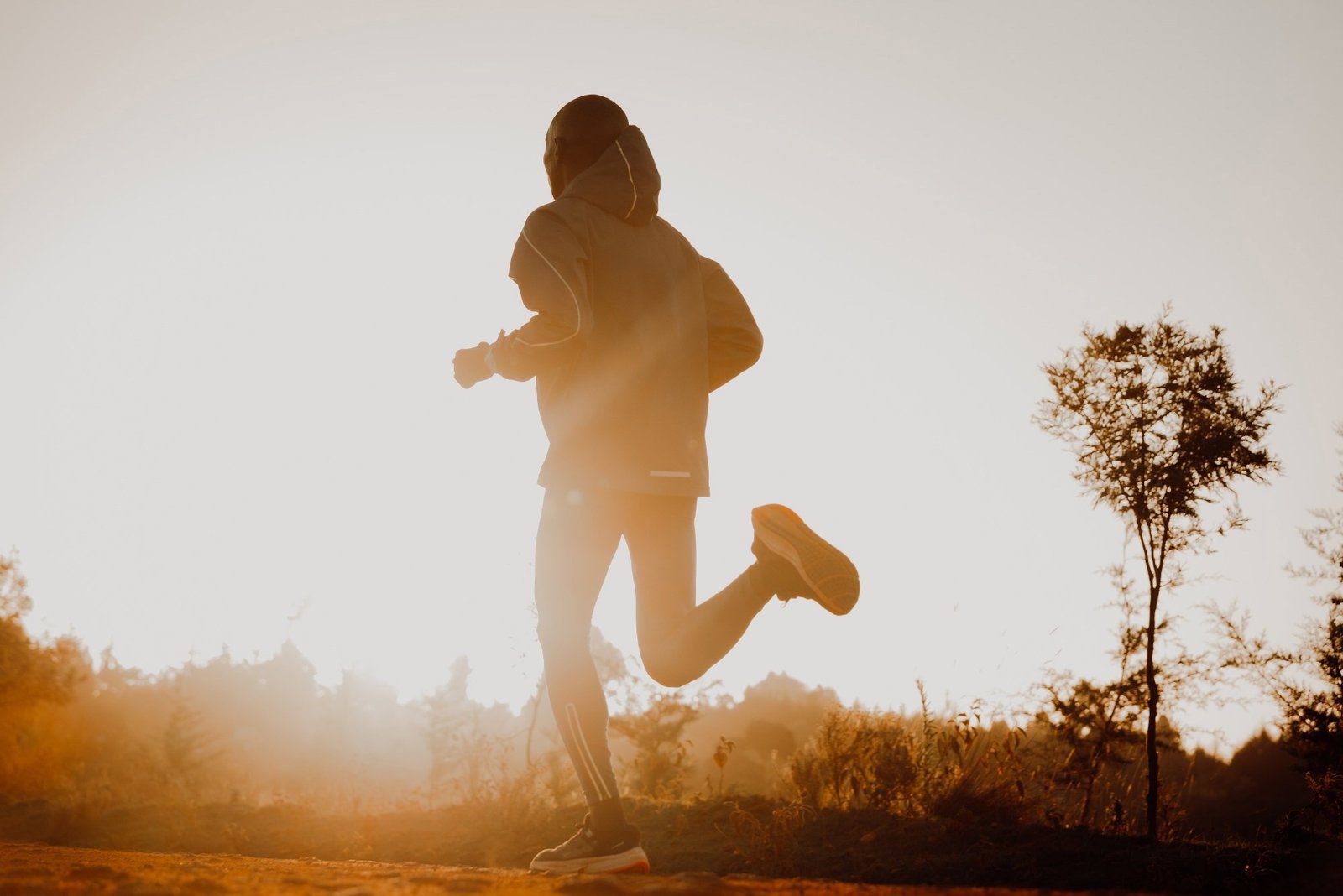
An analysis of world race records reveals how gender, age, ethnicity and distance combine to shape endurance running, from the 5km sprint to marathon dominance.

Study: The association between ethnicity, sex, age and running performance in endurance runners: an empirical analysis of global multi-distance race data from 1999 to 2024. Image credit: kovop / Shutterstock

In a recent study published in the journal Scientific Reportsa team of researchers examined how ethnicity, gender and age are associated with running performance in 5km, 10km, half marathon and marathon events around the world from 1999 to 2024.

Background

Why do Kenyan and Ethiopian runners dominate marathons, while there is plenty of participation from Japan or the United States? Millions of people enjoy endurance running and their performance depends on factors such as age, gender, training culture and geographic location.

A review of the existing literature reveals age-related differences in peak athletic performance and suggests that East African runners outperform other competitors in distance events in ways that may reflect unique physiological, environmental, and cultural advantages. However, limited research has compared these patterns across multiple race distances simultaneously. More studies are therefore needed to better understand how demographic factors interact in endurance events.

About the study

The researchers analyzed publicly available data from official records maintained by World Athletics (formerly the International Association of Athletics Federations) and the Road Racing Statistics Association.

The data set consisted of eligible records reported for the time period 1999–2024 for 5 km, 10 km, half marathon and marathon races, with 5 km data supplemented by ARRS because track and field world records were only available from 2018 to 2024.

After filtering and removing missing data, a final data set of 152,943 runner records was created, including runners from 203 countries, regions or representative groups, with 91,182 men and 61,761 women.

Performance cut-off points were established in order to maintain consistency when comparing across races. Runners who did not finish, were disqualified from the finish, did not start or had incomplete records were excluded from the analysis. The neutral groups (the refugee group and the neutral athlete group) were also removed to avoid statistical bias.

The researchers conducted mixed-effects modeling and multiple linear regression analyzes of the relationships between ethnicity, age, gender, and an athlete’s running performance. A three-way analysis of variance (ANOVA) was used to examine the interaction between ethnicity and gender on running performance, while adjusting for year of competition.

The researchers used t tests to compare men and women and Pearson correlation coefficients to assess relationships between age and race outcomes. Statistical significance was set at a probability value below 0.05. As this was an observational analysis of public racing records, the findings identify correlations rather than causal effects.

The ratio of nationalities of runners by race distance and gender. Countries with less than 1% are included in “Others”.

Study results

The results showed a consistent difference between gender, ethnicity, age and distance race experience in endurance running performance. In all four race categories, men consistently outperformed women.

Average running speed across all events was faster for men than for women. only the 5 km distance had an average combined speed of more than 20 km/h. Male runners were significantly faster than female runners at all distance levels. However, this performance gap became particularly pronounced at half-marathon and marathon distances.

Participation patterns also varied by country and distance. In the 5km event, runners from the United States and Japan formed the largest groups of participants, followed by Kenya, France and Australia. In the 10km race, France and Kenya contributed many participants, while Japan and Kenya were prominent in the half marathon and marathon.

Kenyan and Ethiopian runners consistently rank among the top performers in all endurance events, confirming East Africa’s continued influence on distance running.

Bahraini athletes also demonstrated excellent average race times in various events, although findings based on nationality should be interpreted cautiously as some countries may include naturalized athletes.

Age standards changed as race distances increased. In the 5km race, men and women had a similar average age, around 25 years. However, women were progressively longer than men in the 10km, half marathon and marathon races. In the study, marathon runners were the largest group, mostly aged 25-35. It was also observed that younger athletes were more common in shorter races, while older runners were more common in longer endurance races.

Running performance differed significantly by ethnicity. Runners from East Africa, particularly Kenya, Ethiopia, Uganda, and Eritrea, consistently recorded strong performances, especially in longer distance races, which may reflect altitude adaptation, strong running culture, genetics, and long-standing training systems. In contrast, Japan’s success was linked to organized corporate operating groups and the country’s deep-rooted ‘Ekiden’ relay culture.

There were significant declines in race participation across all distances between 2020 and 2022 due to the COVID-19 pandemic, which resulted in the cancellation of races and the implementation of public health restrictions in all countries. However, participation subsequently showed a recovery, particularly in longer distance races.

The study found strong links between age and race performance in half marathons and marathons (especially among women). There were weak associations between age and race performance in shorter events such as 5 km. Interestingly, female runners in the 5 km event showed a negative relationship between age and race time, suggesting that slightly older women in smaller age groups often achieved faster times.

conclusions

The study shows that endurance running performance is shaped by a complex interplay of ethnicity, gender, age and race distance. East African athletes, particularly from Kenya and Ethiopia, remained particularly prominent in long-distance events, while Japan and the United States contributed large numbers of participants in all events. Men consistently achieved faster race times, while women competing in longer events were generally older.

The study data show that performance patterns differed by race distance and demographic background. These results are important for athletes, coaches and sports organizations as they can be used to help develop training programs, identify talent and understand the evolving global endurance running culture.

Journal Reference:

  • Liao, G., & Wang, J. (2026). The association between ethnicity, sex, age and running performance in endurance runners: An empirical analysis of global multi-distance race data from 1999 to 2024. Scientific Reports. DOI: 10.1038/s41598-026-46032-9,
distance Ethiopia global Japan Kenya Running Stand
bhanuprakash.cg
healthtost
  • Website

Related Posts

‘Vas Madness’ shows the power of messaging in men’s contraceptive decisions

May 26, 2026

Why men’s mental, emotional and relational health is essential now more than ever

May 25, 2026

30 minute bodyweight workout routine for beginners

May 21, 2026

Leave A Reply Cancel Reply

Don't Miss
Men's Health

Why Kenya, Ethiopia, Japan and the US stand out in global distance running

By healthtostMay 26, 20260

An analysis of world race records reveals how gender, age, ethnicity and distance combine to…

The truth about fasted training for women

May 26, 2026

From Social Work to Health Coaching: A Story of AFPA Graduates

May 26, 2026

How smart cities can protect outdoor recreation in a warming world

May 26, 2026
Stay In Touch
  • Facebook
  • Twitter
  • Pinterest
  • Instagram
  • YouTube
  • Vimeo
TAGS
Baby benefits body brain cancer care Day Diet disease exercise finds Fitness food Guide health healthy heart Improve Life Loss Men mental Natural Nutrition Patients Pregnancy protein research reveals risk routine sex sexual Skin Skincare study Therapy Tips Top Training Treatment ways weight women Workout
About Us
About Us

Welcome to HealthTost, your trusted source for breaking health news, expert insights, and wellness inspiration. At HealthTost, we are committed to delivering accurate, timely, and empowering information to help you make informed decisions about your health and well-being.

Latest Articles

Why Kenya, Ethiopia, Japan and the US stand out in global distance running

May 26, 2026

The truth about fasted training for women

May 26, 2026

From Social Work to Health Coaching: A Story of AFPA Graduates

May 26, 2026
New Comments
    Facebook X (Twitter) Instagram Pinterest
    • About Us
    • Contact Us
    • Privacy Policy
    • Terms and Conditions
    • Disclaimer
    © 2026 HealthTost. All Rights Reserved.

    Type above and press Enter to search. Press Esc to cancel.