
Have you heard of “skin memory?”
This Memorial Day, we express our thanks to all veterans and their families. It is a solemn day and is meant to honor our heroes.
At the same time, we can’t help but think about skin care! And in our world, we also remember something most people don’t know their skin does—keeping a record.
Yes, skin memory is a real thing. And once you understand how it works, so many frustrating skin mysteries start to make more sense.
What is skin memory?
You know how your immune system remembers a virus after you’ve contracted it? It stores this information so that if you are exposed to the same virus again, it can do a better job of coping.
Your the skin does something similar. You can think of it as a neighborhood. Most residents are normal skin cells, just doing their job. But in that neighborhood is a special group of immune cells called tissue-resident memory T cells (TRM cells for short). These guys never go away. They take up residence on your skin and you just… wait.
When your skin is inflamed—perhaps from an eczema flare-up, a psoriasis patch, an allergic reaction, or something else—these TRM cells take notes. They learn the “pattern” of this inflammation and retain this information for years.
The next time something triggers your skin in the same area? These memory cells recognize this and initiate a rapid, often intense response. That way, they can help the wounds heal faster next time. And that’s good.
But there is also the other side of the story.
Because skin memory can be useful or frustrating
While skin memory can help your skin repair faster, it can also make it more reactive.
Researchers who study chronic skin diseases such as eczema and psoriasis have found that these memory cells can become more alert after the first battle. This means that they may react more quickly or more strongly to possible stimuli, making them hypersensitive to them.
So, while your neck may have no problem handling the trigger, the skin on your cheek that flared up last time may flare up again simply because those more sensitive memory cells rise up to fight.
This may be why a patch of skin itches before the rest of your body even feels dry. Or why your cheeks are red after applying a new product that doesn’t seem to bother your neck at all. Or why eczema, psoriasis, rosacea or irritation seem to have favorite spots on your skin where they return.
Your skin may react from experience.
Cells remember
One study found that even after the visible removal of psoriatic plaques, TRM cells remain active in the skin, sometimes for years after remission. The skin in this area is “primed”, on high alert. Even a little stress, a change in the weather or a trigger ingredient, and the explosion, returns to the same spot.
A The 2024 review confirmed this, noting that TRM cells accumulate during inflammation and persist even when the skin appears completely clear. The researchers described this as “inflammatory memory” and noted that it may explain why skin conditions such as psoriasis and atopic dermatitis tend to recur long after treatment. This is why even expensive treatments that seem to work may only do so temporarily until the next flare-up.
A recent study he found something even more interesting—that it’s not just immune cells that do this, but even skin stem cells. They can also carry inflammatory memory through something called epigenetic marks, which are chemical changes in DNA that turn certain genes on or off. When your skin regenerates (which it does all the time), it can pass these memory marks on to new skin cells.
In other words, memory is not just in a few immune cells. It can live in the very DNA structure of your skin and can be inherited by the next generation of skin cells.

How skin memory may be affecting your skin right now
What does all this mean for your skin today?
First, if you have a history of eczema, psoriasis, or rosacea, there’s a good chance your skin has stored memory from previous flare-ups.
This could be the reason:
- Your skin flares up in the same places, even when nothing obvious has changed.
- Your skin feels reactive or sensitive even after a long period of rest.
- A product that never bothered you before suddenly causes a reaction.
- Even emotional stress or seasonal changes can throw things off.
Second, if you have sensitive skin that seems to become more reactive over time, skin memory could play a role here as well. Every time your skin becomes inflamed, these memory cells learn. And your skin’s “react first, ask questions later” threshold can decrease over time.
Using skin memory knowledge to help your skin
Here’s the good news: understanding skin memory means you can help your skin be healthier and more comfortable overall. Try these tips.
1. Be consistent with a gentle routine that supports the obstacles.
If you can keep your overall skin inflammation low, your memory cells won’t be activated as often. This means avoiding harsh exfoliants, toners with high alcohol content and fragrances, especially in areas where you’ve had breakouts in the past. Clean, simple and calming products are best.
Please note, all CV Skinlabs products are ‘clean’ and designed to be anti-inflammatory, so using our products regularly is a great way to help your skin. Each formula includes the proprietary Tri-Rescue Complex, a powerful blend of turmeric, alpha-bisabolol and reishi mushroom. Delivers superior anti-inflammatory, antioxidant, soothing and repairing skin benefits to support calmer, healthier, more resilient skin.
2. Pay attention to your “glow zones”.
You probably have certain areas that are more susceptible to reactions. Treat them with extra care even when they look good. Use gentle, nourishing products proactively on these areas and skip them when using acid peels or retinols.
3. Reduce systemic inflammation where you can.
Skin memory is most easily activated when your entire system is inflamed. Unfortunately, many of us are walking around inflamed and don’t even know it. Things like poor sleep, a high-sugar diet, chronic stress, lack of exercise, and environmental toxins all raise the body’s inflammation baseline, which makes it easier for primed skin cells to fire.
How to tell if you have inflammation:
- Persistent fatigue that sleep does not correct. When your immune system is constantly on, it burns through your energy stores, leaving you feeling groggy even after a full night’s rest.
- Feeling swollen or puffy, especially in the morning. Low-grade inflammation causes the body to retain fluid and feel generally swollen.
- Painful joints or stiff muscles. That general “feel old” pain without a clear injury is a classic sign that the immune system is working overtime.
- Digestive problems. Bloating, gas, constipation or diarrhea can all be signs of inflammation.
- Frequent colds or infections. When your immune system is chronically inflamed, it can become less effective at fighting new threats.
- Brain fog or difficulty concentrating. Systemic inflammation can also affect the brain, making it difficult to think clearly or stay sharp.
- Skin that seems reactive for no apparent reason. Redness, rashes, or tenderness that flares up seemingly out of nowhere is a sign of potentially systemic inflammation.
To reduce systemic inflammation, try these tips:
- Eat more anti-inflammatory foods. Think colorful fruits and vegetables, fatty fish like salmon, whole grains, legumes, nuts and olive oil.
- Cut back on highly processed foods and added sugar. Processed foods with lots of unhealthy fat and salt promote chronic inflammation.
- Move your body. Moderate-to-vigorous exercise two to three times a week for 30-60 minutes improves markers of inflammation.
- Prioritize sleep. Poor sleep is one of the most reliable factors of increased inflammation. Aim for 7 to 9 hours a night.
- Find an outlet for stress. Lowering your stress levels acts as an anti-inflammatory.
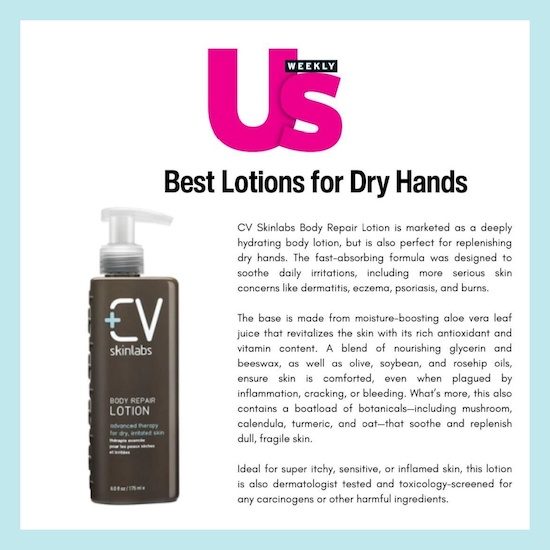
4. Choose products with proven skin-soothing ingredients.
Look for formulas with ingredients like Centella Asiatic, beta-glucan and ceramides. These support the skin barrier and help calm inflammation on the surface, which can help prevent memory cells from being activated in the first place. All CV Skinlabs products are specially designed to reduce inflammation.
5. Record your triggers.
Because skin memory is so location-specific, tracking what triggers breakouts in which areas can help you recognize patterns. Stress; Certain foods? A certain era? Product ingredient? The more you know about your skin’s history, the better you can protect its future.
6. Be patient with the treatment.
One of the most important things that skin memory research shows us is that “cleaned” does not always mean “healed.” Even when your skin looks good, the immune cells underneath may be recovering. Give your skin time. Stick to a gentle routine a little longer than you think is necessary and keep them active.
The bottom line for skin memory
Your skin is smarter than we give it credit for, which can work against you, but it can also work for you when you figure out how to keep inflammatory signals calm.
At CV Skinlabs, we’ve formulated each product to support sensitive, reactive and inflamed skin. If you’re ready to show your skin a little more science-backed love, you’re in the right place.
Does this cause some “aha” moments in your skin?
Featured image by Kevin Malik via Pexels.