


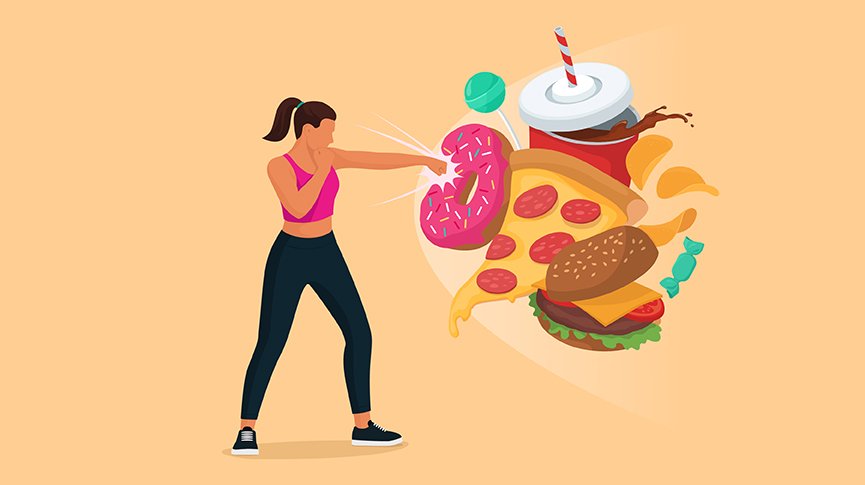
Do you feel cramping, bloating and irritation right before your period? During the luteal phase of the menstrual cycle, hormonal ups and downs can cause unpleasant symptoms such as increased appetite and water retention. If period cravings are driving you to devour every empty calorie in sight, here are some luteal phase nutrition tips to ensure your body gets the nutrition it needs to fuel your activities and minimize discomfort.
Why am I so hungry during the luteal phase?
The luteal phase of the menstrual cycle occurs around day 15 to 28 of the cycle. This is the preliminary phase after ovulation, which begins after an egg is released into the uterus and lasts until either the egg is fertilized (pregnancy) or expelled through menstrual bleeding. Since your body is essentially preparing for a pregnancy, there are a lot of hormonal changes going on that can make you reach for that second bag of chips or want to destroy an entire chocolate cake.
Estrogen decreases
Estrogen is a hormone that suppresses appetite and boosts mood. In the days before your period, estrogen levels drop, which can lead to mood swings and increased hunger.
Progesterone dominates
Progesterone stimulates appetite – perhaps so your body is properly fueled in case of pregnancy – and while progesterone levels drop just before menstruation, lower levels of estrogen mean progesterone becomes the dominant hormone.
Depleted serotonin
Serotonin, also known as “the happy hormone,” also drops around this time. The “comfort” in comfort foods comes from how eating high-carb, sugary foods triggers a burst of serotonin, making them especially tempting—especially when pesky PMS symptoms like fatigue, bloating, cramping, and irritability worsen the period blues.
Mixed satiety hormones
Ghrelin and leptin are hormones that tell our body when it is hungry or full. Fluctuations in progesterone and estrogen also interact with ghrelin and leptin, confounding satiety cues and increased appetite.
Your metabolism goes up, slightly
Resting metabolic rate (RMR) is the amount of energy your body uses at rest. Studies have found a small increase in RMR during the luteal phase, possibly due to progesterone increase at body temperature. This means that you may burn slightly more calories than normal at certain times of the month. However, the increased calorie expenditure is minimal – closer to an extra protein bar or avocado than the family bag of chips you might be craving.
The best foods to eat
PMS cravings are a natural part of menstruation. There’s nothing wrong with curling up in bed with a box of chocolate every now and then, but it’s also important to give your body plenty of nutrients to balance out PMS symptoms like bloating and fatigue. Here’s what a diet rich in luteal phase nutrients can do for your PMS symptoms:
- Stabilize your blood sugar, helping to keep your mood and energy levels high
- Relieve bloating by reducing water retention and inflammation
- Help your body produce and regulate progesterone production
- Increase serotonin levels
- Help you get less cramps
Foods Rich in Magnesium
Magnesium is the MVP of PMS nutrients, helping to reduce water retention, muscle cramps and sleep problems. Studies have found that magnesium supplementation can actually reduce PMS symptoms such as anxiety and irritability. Some good sources of magnesium include:
- Pumpkin seeds
- Dark chocolate (stick to chocolate with 70% cocoa or more for your chocolate cravings!)
- Leafy greens like kale and spinach
- Nuts such as cashews, almonds and Brazil nuts
- Bananas
- Avocado
- Legumes like black beans and edamame
Support your hormones with vitamin B6
Vitamin B6 supports progesterone production and acts as a coenzyme in the synthesis of neurotransmitters such as serotonin. Eating plenty of vitamin B6 can help regulate periods that come with low serotonin. Good sources of B6 include:
- Lean chicken and turkey
- Fish and seafood such as salmon, halibut and tuna
- Organ meats such as liver are particularly high in vitamin B6
- Starchy vegetables such as sweet potatoes, yams and various types of squash
- Spinach
- Tropical fruits like pineapple and mango
- Nuts and seeds such as pistachios, sunflower seeds and chia seeds
A combination of calcium and vitamin D to reduce PMS symptoms
Low levels of vitamin D and calcium can worsen PMS symptoms. Research shows how a high combined intake of vitamin D and calcium can reduce bloating, mood swings and pain.
Foods rich in calcium:
- Dairy products such as Greek yogurt, kefir and cottage cheese
- almonds
- Dark leafy greens
- Enriched vegetable milks
- Edamame and tofu
- Almond
While vitamin D is difficult to get from food alone, walking in the sun or taking a supplement can help. Foods that contain vitamin D include red meat, fatty fish such as salmon and sardines, and egg yolks.
Low inflammation recipes for period preparation
As anyone who has had to work, run errands or care for children knows, life doesn’t stop for your period. Having a game plan when dealing with the luteal phase can help you gather the necessary nutrients for a smoother period. Eating a combination of complex carbohydrates, plenty of protein and fiber to support digestion (period constipation is real!) will keep energy levels up and ease mood swings. Here are some meal ideas to fight inflammation and keep energy levels soaring when you need it most.
Steel cut oats with yogurt, chia seeds, Greek yogurt and honey
The complex carbohydrates in oats keep your blood sugar levels stable and boost serotonin production. Greek yogurt is full of protein, keeping you full longer and away from processed snacks! Fiber and probiotics will boost digestion – Progesterone can slow down digestion during the luteal phase, which is why some people feel constipated right before their period. For an extra anti-inflammatory boost, add a spoonful of omega-3-rich chia seeds, which help with cramps and soothe that sweet tooth with honey (a natural antioxidant). You can even add some dark chocolate to replenish serotonin.
Tofu, Edamame and chopped cabbage salad
Edamame beans are an excellent source of protein, calcium and omega-3 fatty acids. For an easy, no-cook salad, buy frozen packages of edamame and put it in some hot water to thaw. If you have trouble digesting raw kale (a dark leafy green packed with anti-inflammatory nutrients, fiber and magnesium), soak it in some hot water for a few minutes to break down the fiber. You don’t even have to cook the tofu – just squeeze out the excess moisture, cube and toss the whole thing with your favorite dressing.
Salmon with quinoa and cardamom
Research shows that omega-3 fatty acids may help reduce prostaglandins, one of the culprits behind period pain. Fatty fish like salmon or sardines are easy to cook (throw it in the fryer or in the oven!) and provide protein to keep you full.
Conclusion
As serotonin levels drop and progesterone thickens the lining of the uterus to prepare for pregnancy or menstruation, our bodies naturally crave foods that provide instant relief. However, processed snacks can worsen mood swings and energy crises. A luteal phase diet that feeds your body with nutrients can help combat these PMS symptoms and keep your energy levels high throughout the day. There is a place for comfort food – only in moderation!
