


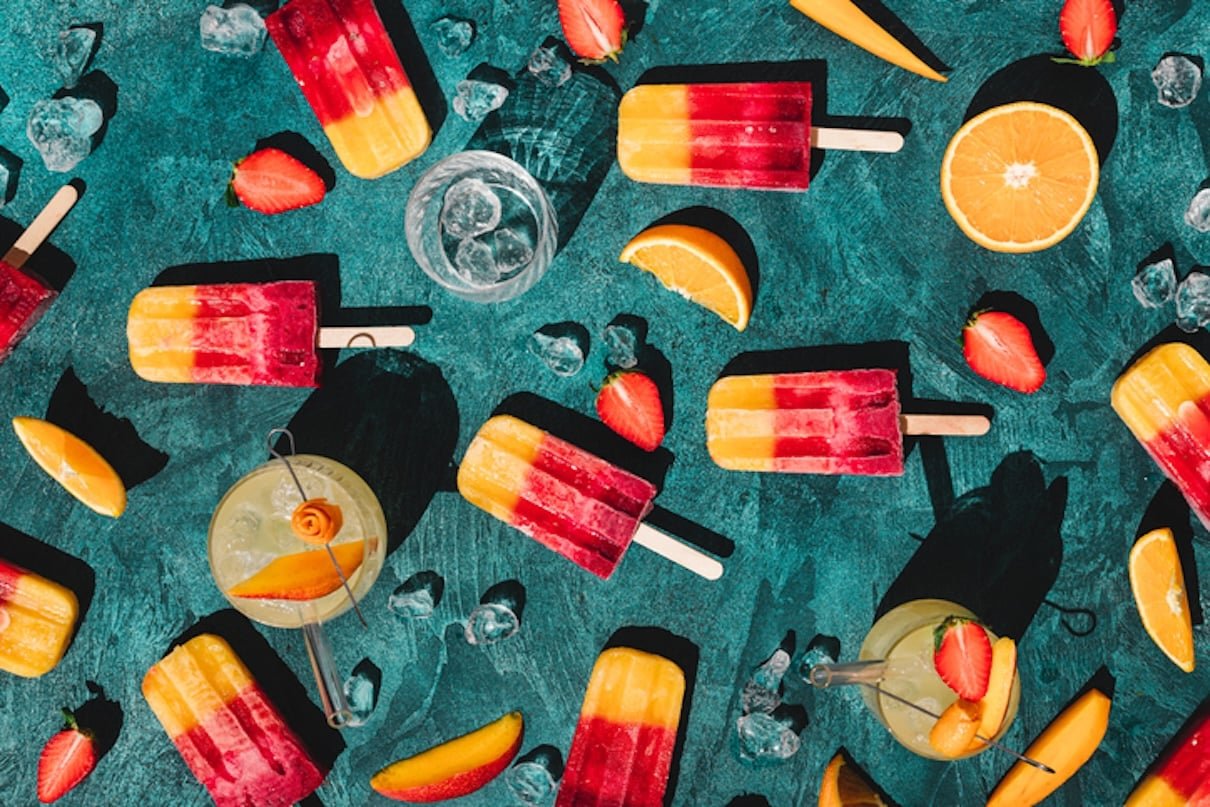
There’s something about summer that can throw off your appetite and your usual eating patterns. Maybe your savory breakfast suddenly sounds heavy, or the thought of a big meal in 90-degree heat seems deeply unlikely. Instead, you may look forward to lighter fare—say, an iced coffee, a juicy slice of watermelon, or any cold snack possible. And you’re probably not alone: Experts say the hot weather can actually affect your summer appetite in pretty predictable ways.
Read on to learn how rising temperatures can shift your hunger levels. Plus: how your summer habits can also affect when and what you eat.
Is the hot weather affecting your hunger levels?
Many people like to warm up with soups and stews in the winter and cool down with iced drinks and frozen fruit in the summer. And that’s not just for the sake of leaning into seasonal vibes. It turns out that heat and humidity (or lack thereof) can have a real effect on your hunger levels.
“In warmer conditions, people may experience a slight drop in appetite, along with small changes in hormones such as ghrelin (hunger) and leptin (satiety),” he says. Sydney Lappe, MS, RDNnutritionist with Top Nutrition Coaching in St. Louis, Missouri. In addition to hormones, your body is also less ready to eat for other reasons. “When body temperature rises, blood flow is redirected to the skin to help cool it, which reduces blood flow to the digestive system,” he explains. Kristen Kuminski, RD, CDNdietician in Buffalo, New York. In turn, your appetite signals are suppressed more than usual.
While it’s quite common to want to eat less in the summer, these changes can be subtle. However, Lappe says more extreme conditions—like temperatures above 90 degrees Fahrenheit and high humidity—can suppress your appetite more significantly.
Additionally, some research suggests that your desire to eat may shift in warm weather. A small study In lean, healthy subjects they rated hunger, food intake, enjoyment, and lack of food when exposed to 16-hour conditions of either 89.6 degrees Fahrenheit or 71.6 degrees Fahrenheit. Although there were no significant differences in hunger or food intake between the two groups, those exposed to warmer conditions had less preference and desire for sweet and high-fat foods, which may indicate an altered sense of appetite.
How does hydration come in?

Hydration and hunger cues intersect—especially in the summer, and when you’re not drinking enough water to begin with.
In the summer, hydration needs increase significantly. “In the heat, your body generally prompts you to drink more instead of eating differently,” says Lappe. However, your hunger cues are thrown for a bigger loop when you don’t get enough H2O. More extreme dehydration appears to reduce appetite and reduce food intake, he continues, although this is likely due to factors such as dry mouth rather than significant changes in hunger signals.
How else can summer affect your hunger and eating habits?
For many of us, summer can disrupt our typical eating patterns. For starters, more daylight can have a slight impact on hunger cues and when you eat. “Longer days can push sleep, activity, and meals later, which can change when you feel hungrier than how much you actually eat,” explains Lappe.
Plus, certain events in the summer—like brunch drinks, cocktail hours, and travel—can also catch your eye, sometimes in less-than-helpful ways. Alcohol can encourage you to abandon healthy eating habits and can make higher-calorie, “fun” foods more appealing, Lappe says. “Meanwhile, irregular schedules from travel can lead to less consistent eating patterns, later meals and more grazing,” he adds. In both cases, “Hunger cues and mealtime may seem less predictable, and food choices often lean toward convenience and pleasure.”
While you may naturally be prepared to eat less in the summer, drinking and traveling can actually turn the tide in the opposite direction. Whether you’re trying to lose weight or just maintain a healthy diet, you may want to eat less (for example, alternating between alcohol and non-alcoholic beverages) and pack healthy snacks when you’re on the road to keep your goals on track.
The Takeaway
If you find yourself less hungry as we head into summer, that’s not unusual. This can work to your advantage if you’re trying to lose weight or keep your appetite in check for more indulgent treats. However, drinking and traveling can shift this trajectory in the opposite direction, so be careful to avoid these situations from undermining your diet.
All things considered, Kuminski suggests tweaking your eating patterns slightly when the weather is hot and humid. “Lighter, more frequent meals tend to work better in the summer than heavy ones,” she says. “The body is already working hard to regulate temperature, and a large meal adds to that burden.” This approach can ensure you get the necessary daily nutrients without overtaxing your system.
And of course, don’t forget to stay hydrated. A good rule of thumb is to drink half your weight in ounces of water daily, although your needs will increase the warmer it gets and the more active you are. Staying hydrated won’t just keep you safe and healthy all summer long. It can also prevent you from mistaking thirst for hunger, thus discouraging you from overeating and allowing you to maintain progress with your weight and wellness goals.
