


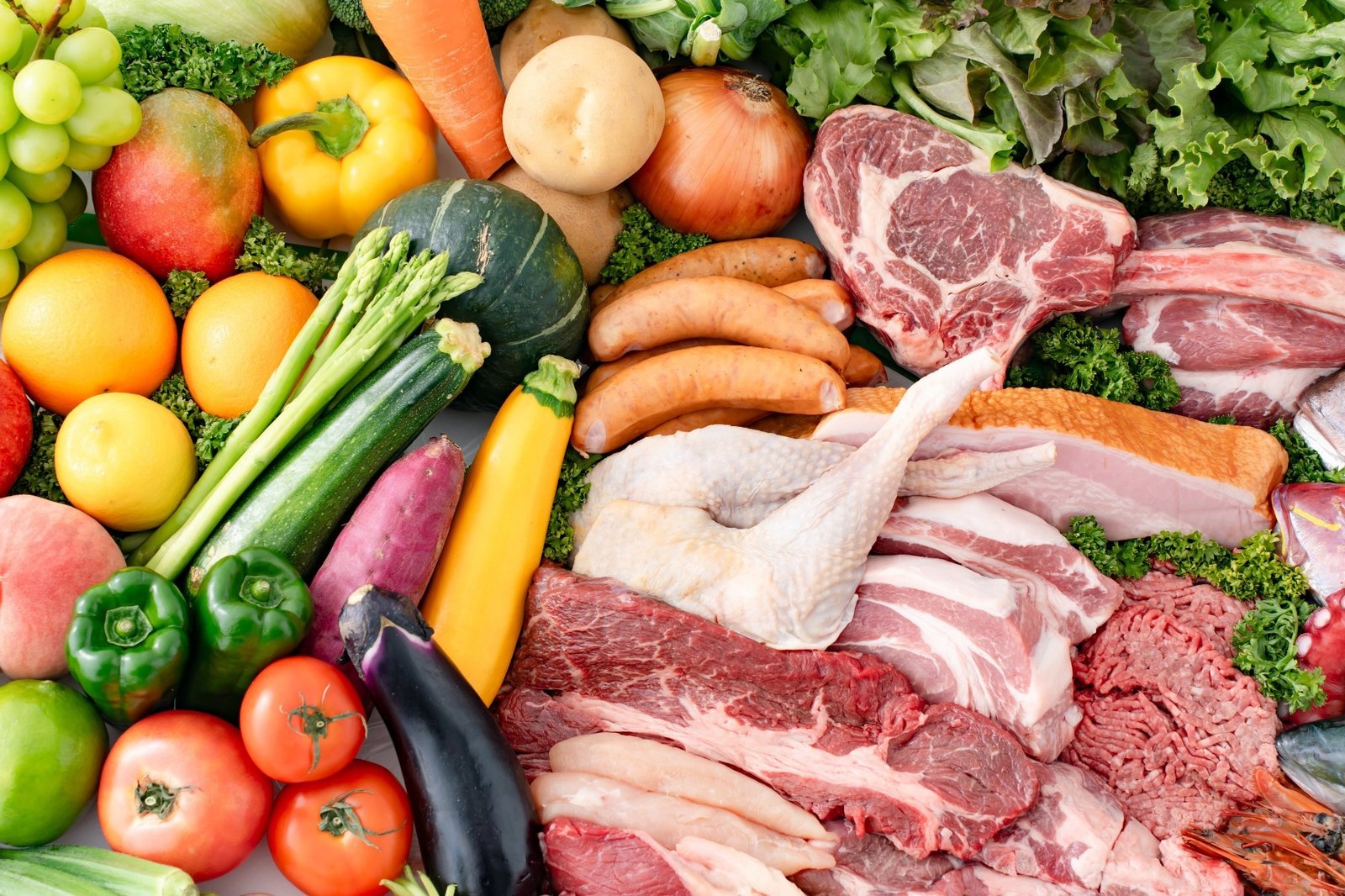
Fresh vs. Processed: How Diet Quality Holds the Secret to Managing Depression, Shedding Light on the Real Impact of What’s on Your Plate.
Study: Associations of omnivore, vegan and vegetarian diet quality with depressive symptoms: a comparative cross-sectional analysis of the Australian Longitudinal Study of Women’s Health. Image credit: 910732akubi / Shutterstock
In a recent study published in Journal of Affective Disordersresearchers in Queensland, Australia, investigated the relationship between diet and depression in Australian women at two time points (2003 and 2009). Previous studies have provided mixed evidence for the mental health benefits of vegetarian versus omnivorous diets, suggesting that the choice of vegetarian, vegan, or omnivorous diet may not adequately explain the risk of depression.
Study findings reveal that while diet type was not significantly associated with depressive symptoms, diet quality (fresh vs. processed foods) showed a small but significant association with depressive symptoms, with higher quality diets generally reducing these symptoms.
Background
Depression is a global pandemic, estimated to affect one in 20 people (5%; ~350 million people). Data from the World Health Organization (WHO 2023) indicates that women are more prone to depressive symptoms than their male counterparts. Australian women are particularly vulnerable to these symptoms – the Australian Bureau of Statistics (2019) has documented that 12% of Australian women suffer from depression compared to 10% of men.
Depression is a multifaceted condition, with genetics, environment, and health behaviors (sleep, diet, exercise) involved in its occurrence and management. Dietary choices, particularly type (plant-only/vegetarian vs. vegan vs. omnivorous) and quality (fresh foods vs. highly processed and sugary foods), have sparked extensive debate and, in turn, research into the healthiest dietary choices for prevention and managing depressive symptoms.
Unfortunately, so far, the results of this research have been mixed. Some studies report that plant-based diets are beneficial in positively modifying symptoms of depression (due to their high concentrations of prebiotics, fiber, and antioxidants). Conversely, others have reported that dietary deficiencies due to the lack of meat in vegetarians may increase depressive symptoms. However, emerging evidence suggests that diet quality, rather than diet type, may play a more important role in determining depressive symptoms.
About the Study
The present study aims to address this debate in the context of Australian women using nationwide longitudinal secondary data to elucidate the role of dietary choices on depressive symptoms. Study data were obtained from the Australian Longitudinal Study of Women’s Health (ALSWH), a long-term (1996–2018) record of the effects of social, economic and behavioral factors on health.
The present study focuses on data obtained from ALSWH participants born between 1973 and 1978. Since ALSWH time points one (1996) and two (2000) did not collect data relevant to the present study (diet quality and depressive symptoms), they were excluded from downstream analyzes in favor of ALSWH time points three (2003; n = 9,081) and five (2009; n = 8,199).
Data acquisition was questionnaire-based and included the Center for Epidemiological Studies Depression questionnaire (CESD-10) (testing the prevalence and severity of depressive symptoms), the Dietary Questionnaire for Epidemiological Studies version 2 (DQES v2) (assessing the dietary intake and nutritional value) and the Australian Recommended Food Rating (ARFS) fact sheet (a measure of diet quality).
Hierarchical and moderated regression models were used to assess associations between diet and depression. Alcohol consumption, smoking status, body mass index (BMI), marital status, and clinical stress were considered covariates and confounders of depressive symptoms and adjusted in regression models. Age and other variables not associated with depressive symptoms due to “cohort effects” (education, geographic location, and income) were considered control variables in the regression models.
Study Findings
The study cohort included 9,081 women in 2003 (ALSWH time point 3) and 8,199 women in 2009 (ALSWH time point 5). These participants had a mean age of 33.70 (in 2009). 77% had a partner, 41% smoked and 88% consumed alcohol. The percentage of omnivores at both time points significantly exceeded those consuming an exclusively plant-based diet.
“In 2003, 500 women were categorized as herbivores and 6,110 as omnivores. In 2009, 333 women were categorized as herbivores and 6,276 as omnivores.”
Specifically, despite the fact that 1,079 participants self-categorized as “vegetarian/vegan,” analysis of the sample cohort’s dietary data revealed that more than 86% consumed some form of animal-based diet, leaving only 147 truly exclusive plant consumers. This finding highlights the challenges in accurately categorizing dietary patterns and suggests that many self-reported vegetarians follow a low-meat rather than strictly plant-based diet.
The plant-based group was shown to have lower diet quality scores and mean BMI than their meat-eating counterparts at both time points. Depressive symptoms in the plant-based cohort were found to be higher than those in the meat-eaters.
Regression models assessing diet quality (fresh vs. processed foods) found a small but significant association between these variables and depression—higher consumption of fresh and minimally processed foods was associated with reduced depressive symptoms at both time points three and five .
Unfortunately, due to the small sample size of exclusively vegetarian/vegan participants, additional research is needed to confirm the clinical validity of these results. It is important to note that while statistical significance was achieved, the small effect sizes raise questions about the clinical relevance of these findings.
conclusions
The present study used ALSWH data to determine the effects of different dietary choices (type and quality) on depressive symptoms in Australian women. Women who included meat in their diet generally had fewer symptoms of depression than those who restricted their diet to plant sources. However, diet quality, rather than diet type, emerged as the most important determinant of depressive symptoms.
Specifically, dietary quality (fresh vs. processed foods) was found to be an important determinant of depressive health, with higher quality (less processed) associated with reduced depressive symptoms. Unfortunately, a large (~86%) proportion of women identifying as vegetarian or vegan were found to unintentionally consume small proportions of meat-based foods, thus placing them in the omnivorous category in the regression models. This resulted in the final data set for vegetarians comprising only 147 subjects, which was insufficient to statistically establish the clinical validity of these findings.
Further research is needed to explore the nuanced relationship between diet quality, dietary motivation, and mental health outcomes.
Journal Reference:
- Lee, M., Ball, L., Hill, S., Crowe, TC, Walsh, H., Cosgrove, T., & Best, T. (2025). Associations of omnivore, vegan and vegetarian diet quality with depressive symptoms: A comparative cross-sectional analysis of the Australian Longitudinal Study of Women’s Health. Journal of Affective Disorders, 37018-25. DOI: 10.1016/j.jad.2024.10.119,
