

Close Menu
Healthtost
  • News
  • Mental Health
  • Men’s Health
  • Women’s Health
  • Skin Care
  • Sexual Health
  • Pregnancy
  • Nutrition
  • Fitness
  • Recommended Essentials
What's Hot

The Apple Watch app detects seizures with 98% accuracy.

June 1, 2026

Why your wearable health tracker can make you feel anxious

June 1, 2026

Journey into New Dimensions: Wisdom from the Past and Hope for the Future

June 1, 2026
Facebook X (Twitter) Instagram
  • About Us
  • Contact Us
  • Privacy Policy
  • Terms and Conditions
  • Disclaimer
Facebook X (Twitter) Instagram
Healthtost
SUBSCRIBE
  • News

    The Apple Watch app detects seizures with 98% accuracy.

    June 1, 2026

    Prognostic model helps tailor PSMA therapy for prostate cancer patients

    May 31, 2026

    Implanted collagen platelets double survival for patients with brain metastases

    May 31, 2026

    Fruit fly study links dopamine to stress-induced sexual dysfunction

    May 30, 2026

    Salaera was named Halma Healthcare Company of the Year

    May 30, 2026
  • Mental Health

    Why your wearable health tracker can make you feel anxious

    June 1, 2026

    Can meditation change the brain in schizophrenia?

    May 29, 2026

    Success and Fulfillment: Why High Performance…

    May 28, 2026

    As more athletes open up about depression, anxiety and suicide, a minority of fans are up in arms

    May 27, 2026

    Healing is where change begins. Habits are…

    May 24, 2026
  • Men’s Health

    Journey into New Dimensions: Wisdom from the Past and Hope for the Future

    June 1, 2026

    30-Day Workout Challenge: Plan for Full-Body Results

    May 28, 2026

    Why Kenya, Ethiopia, Japan and the US stand out in global distance running

    May 26, 2026

    ‘Vas Madness’ shows the power of messaging in men’s contraceptive decisions

    May 26, 2026

    Why men’s mental, emotional and relational health is essential now more than ever

    May 25, 2026
  • Women’s Health

    Luteal Phase Nutrition: Fight Cravings and Bloating

    May 31, 2026

    Facts About Social Anxiety – HealthyWomen

    May 30, 2026

    Why Weight Training Makes Your Upper Body Bulky (3 Mistakes You Need To Fix)

    May 29, 2026

    How to protect hair from Holi colors and damage

    May 28, 2026

    PMOS, Irregular Periods & Fertility Symptoms

    May 27, 2026
  • Skin Care

    Perimenopause Rosacea: Hot Flashes & Histamine

    June 1, 2026

    The Ancient Herb Being Marketed As A Miracle Discovery – And Why Already – Sally B’s Skin Yummies

    May 31, 2026

    Green Serum Benefits: Who it’s for and how to use it

    May 30, 2026

    Skin memory: Why your skin can flare up in the same places

    May 30, 2026

    Sun Spritz Vs Sun Drops | Which facial tanner is right for you?

    May 29, 2026
  • Sexual Health

    a wake-up call to remove barriers to SRHR < SRHM

    May 31, 2026

    Cases of gonorrhea and syphilis reached their highest level in Europe in the last 10 years

    May 31, 2026

    Complete guide — Sexual Health Alliance

    May 30, 2026

    Can sertraline help treat premature ejaculation?

    May 28, 2026

    7 Ways Your Mattress Affects Your Sex Life Sex with Emily

    May 27, 2026
  • Pregnancy

    Thyroid disorders in pregnant Indian women

    June 1, 2026

    When should I start a prenatal? – Pink Stork

    May 31, 2026

    Infertility, endometriosis and positive birth history at the birth center

    May 27, 2026

    Does creatine cause hair loss in women? – Pink Stork

    May 24, 2026

    Supporting Women through the Sacred Transitions of Life

    May 22, 2026
  • Nutrition

    Have you tried Einkorn Spaghetti?

    May 30, 2026

    Same Dinner, Different Plate: The Summer BBQ Version Every Picky Eater Mom Needs

    May 29, 2026

    Your body wants to heal. But you may be on your way.

    May 28, 2026

    Does your appetite change in the summer?

    May 25, 2026

    Why I Don’t Count Macros • Kath Eats

    May 24, 2026
  • Fitness

    what to do in vegas with teens and tweens

    May 29, 2026

    10 Important Health Tips for Sedentary Workers

    May 28, 2026

    Overthinking After 50? Try these stress relief techniques

    May 28, 2026

    From Social Work to Health Coaching: A Story of AFPA Graduates

    May 26, 2026

    What is Locus of Control? Empowering Customers

    May 24, 2026
  • Recommended Essentials
Healthtost
Home»Men's Health»The ketogenic diet shows promise for curbing cravings in patients with alcohol use disorder
Men's Health

The ketogenic diet shows promise for curbing cravings in patients with alcohol use disorder

healthtostBy healthtostFebruary 18, 2024No Comments4 Mins Read
Facebook Twitter Pinterest LinkedIn Tumblr Reddit WhatsApp Email
The Ketogenic Diet Shows Promise For Curbing Cravings In Patients
Share
Facebook Twitter LinkedIn Pinterest WhatsApp Email

In a recent study published in the journal Frontiers in Nutritiona group of researchers investigated whether a ketogenic diet (KD) reduces the neurobiological craving signature (NCS) and self-reported alcohol craving in patients undergoing inpatient treatment for alcohol use disorder (AUD).

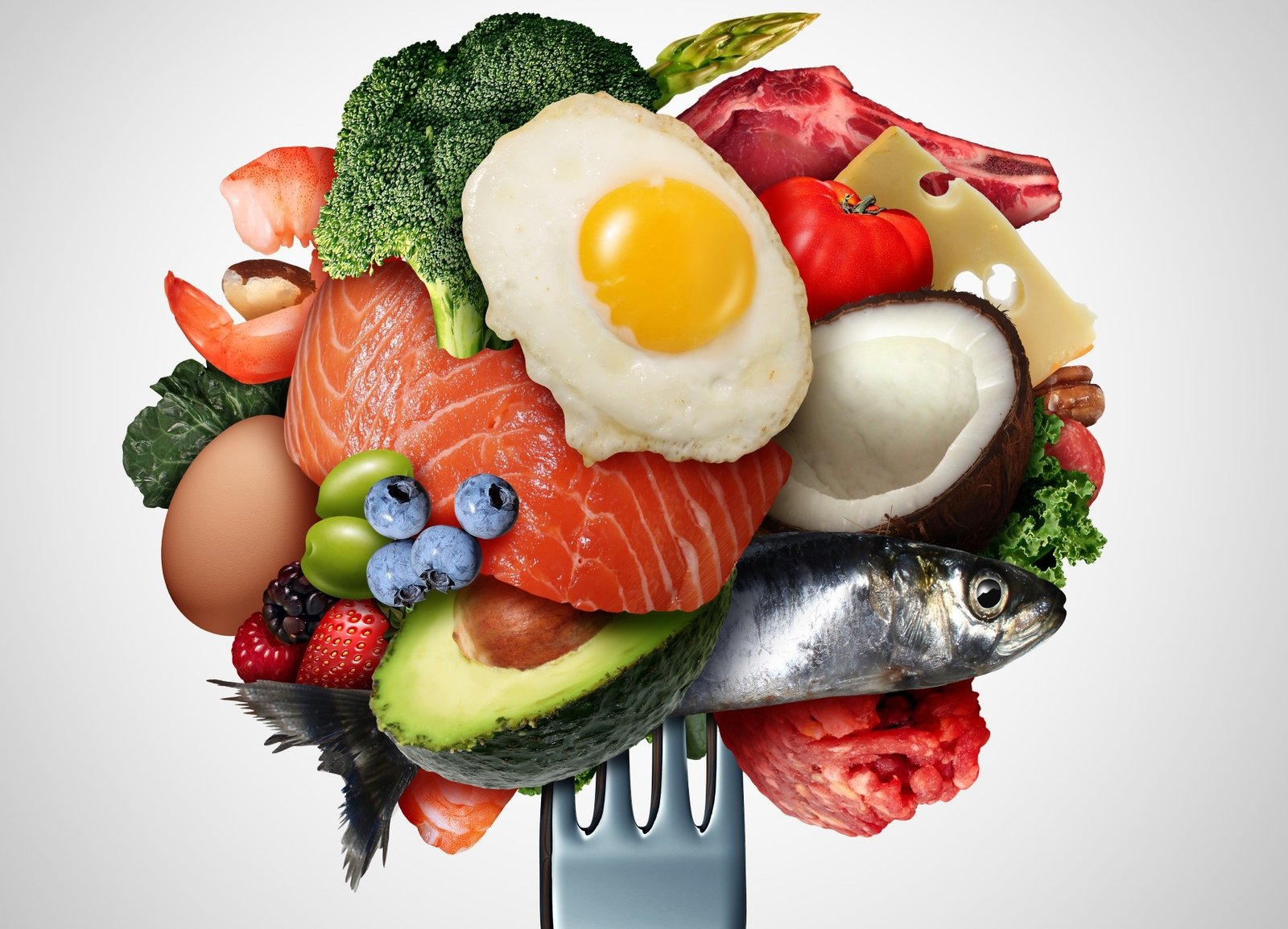
Study: Ketogenic diet reduces neurobiological craving signature in inpatients with alcohol use disorder. Image credit: Lightspring / Shutterstock

Record

AUD poses a major global health problem, responsible for 5% of deaths worldwide. Characterized by intense craving and continued consumption despite adverse consequences, current treatments are limited. A new approach involving a high-fat, low-carb diet shows promise by boosting brain energy, potentially reducing withdrawal symptoms and cravings. Recent studies, including research demonstrating a reduction in withdrawal symptoms and craving among AUD patients with CD, highlight its potential efficacy. Additionally, an NCS detected via brain imaging provides insight into the intensity of craving. Further research is needed to fully understand the mechanisms by which a KD affects NCS and to investigate its long-term efficacy and applicability in different AUD populations.

About the study

The present study provides a secondary analysis of functional magnetic resonance imaging (fMRI) data on alcohol reactivity, originally collected in a clinical trial, to investigate the effects of a KD versus a standard American diet (SA) in individuals with AUD. Participants, admitted to the National Institute on Alcohol Abuse and Alcoholism for up to four weeks, were randomly assigned to either diet within two days of admission. Both diets were isocaloric, ensuring that any observed effects could be attributed to diet composition rather than caloric intake.

Participants were rigorously screened to ensure they met study inclusion criteria, excluding those with MRI contraindications or serious medical conditions. The study’s dietary intervention was carefully designed, with the KD providing a 4:1 ratio of fat to carbohydrate and protein and the SA diet providing a more balanced caloric distribution. Meals were prepared by the Metabolic Kitchen Nutrition Department, ensuring precise nutritional control.

Blood ketone levels were monitored throughout the study, providing biochemical evidence of the physiological effects of the diet. Participants’ desire for alcohol was assessed using the Desire for Alcohol Questionnaire, and intelligence, drinking history, and severity of dependence were also assessed using standardized questionnaires.

MRI scans were performed at three intervals during the dietary intervention, with preprocessing and analysis tailored to explore the NCS. This involved comparing patterns of brain activation in response to alcohol versus food cues, seeking to understand how KD might modulate this neurobiological response to reduce alcohol craving.

Study results

The study showed a significant increase in serum beta-hydroxybutyrate (BHB) levels in the KD group compared to those on the SA diet, indicating successful induction of dietary ketosis. At baseline, there was no difference in blood ketone levels between the groups. However, as the study progressed, KD participants experienced a marked increase in BHB levels, peaking in the second week and declining slightly in the third week, which was attributed to minor non-adherence in some participants. In contrast, the SA group maintained low BHB levels throughout, confirming adherence to the non-ketogenic diet.

Regarding self-reported alcohol craving, measured by the Alcohol Craving Questionnaire (DAQ), there was a trend toward a decrease over time, particularly in the KD group, suggesting a possible effect of diet in reducing alcohol craving. This trend, however, did not reach statistical significance when the two dietary interventions were directly compared.

The study also assessed participants’ reactivity to alcohol cues using fMRI, revealing a decrease in wanting alcohol cues over time in the KD group, an effect not seen in the SA group. The difference between groups over time was statistically significant, underscoring the potential of KD in reducing alcohol craving in AUD patients. Interestingly, this effect was specific to alcohol cues, as no significant changes were observed in response to food cues, nor were there significant differences in valence ratings of alcohol or food cues.

A key finding of this analysis was a significant effect of dietary groups on NCS for alcohol relative to food cues, with the KD group showing lower NCS levels than the SA group, suggesting reduced neural craving in response to alcohol cues among them who had KD. However, no significant time-dependent changes in NCS were observed, indicating that the effect of KD in reducing neurobiological craving was consistent throughout the study period. Additionally, a correlation between mean serum BHB levels and NCS scores suggested a link between higher ketone levels and lower alcohol craving, aligning with the hypothesis that nutritional ketosis could modulate craving responses in AUD.

Alcohol cravings curbing Diet Disorder Ketogenic Patients promise shows
bhanuprakash.cg
healthtost
  • Website

Related Posts

Journey into New Dimensions: Wisdom from the Past and Hope for the Future

June 1, 2026

Prognostic model helps tailor PSMA therapy for prostate cancer patients

May 31, 2026

Implanted collagen platelets double survival for patients with brain metastases

May 31, 2026

Leave A Reply Cancel Reply

Don't Miss
News

The Apple Watch app detects seizures with 98% accuracy.

By healthtostJune 1, 20260

An FDA-cleared smartwatch app detected nearly every tonic-clonic seizure in a Phase III trial while…

Why your wearable health tracker can make you feel anxious

June 1, 2026

Journey into New Dimensions: Wisdom from the Past and Hope for the Future

June 1, 2026

Perimenopause Rosacea: Hot Flashes & Histamine

June 1, 2026
Stay In Touch
  • Facebook
  • Twitter
  • Pinterest
  • Instagram
  • YouTube
  • Vimeo
TAGS
Baby benefits body brain cancer care Day Diet disease exercise finds Fitness food Guide health healthy heart Improve Life Loss Men mental Natural Nutrition Patients Pregnancy protein research reveals risk routine sex sexual Skin Skincare study Therapy Tips Top Training Treatment ways weight women Workout
About Us
About Us

Welcome to HealthTost, your trusted source for breaking health news, expert insights, and wellness inspiration. At HealthTost, we are committed to delivering accurate, timely, and empowering information to help you make informed decisions about your health and well-being.

Latest Articles

The Apple Watch app detects seizures with 98% accuracy.

June 1, 2026

Why your wearable health tracker can make you feel anxious

June 1, 2026

Journey into New Dimensions: Wisdom from the Past and Hope for the Future

June 1, 2026
New Comments
    Facebook X (Twitter) Instagram Pinterest
    • About Us
    • Contact Us
    • Privacy Policy
    • Terms and Conditions
    • Disclaimer
    © 2026 HealthTost. All Rights Reserved.

    Type above and press Enter to search. Press Esc to cancel.