

Close Menu
Healthtost
  • News
  • Mental Health
  • Men’s Health
  • Women’s Health
  • Skin Care
  • Sexual Health
  • Pregnancy
  • Nutrition
  • Fitness
  • Recommended Essentials
What's Hot

New brain probe simultaneously records and controls neuronal activity

June 1, 2026

What do I eat in a day?

June 1, 2026

Outpatient versus inpatient addiction treatment: How to choose the right level of care

June 1, 2026
Facebook X (Twitter) Instagram
  • About Us
  • Contact Us
  • Privacy Policy
  • Terms and Conditions
  • Disclaimer
Facebook X (Twitter) Instagram
Healthtost
SUBSCRIBE
  • News

    New brain probe simultaneously records and controls neuronal activity

    June 1, 2026

    The Apple Watch app detects seizures with 98% accuracy.

    June 1, 2026

    Prognostic model helps tailor PSMA therapy for prostate cancer patients

    May 31, 2026

    Implanted collagen platelets double survival for patients with brain metastases

    May 31, 2026

    Fruit fly study links dopamine to stress-induced sexual dysfunction

    May 30, 2026
  • Mental Health

    Why your wearable health tracker can make you feel anxious

    June 1, 2026

    Can meditation change the brain in schizophrenia?

    May 29, 2026

    Success and Fulfillment: Why High Performance…

    May 28, 2026

    As more athletes open up about depression, anxiety and suicide, a minority of fans are up in arms

    May 27, 2026

    Healing is where change begins. Habits are…

    May 24, 2026
  • Men’s Health

    What do I eat in a day?

    June 1, 2026

    Journey into New Dimensions: Wisdom from the Past and Hope for the Future

    June 1, 2026

    30-Day Workout Challenge: Plan for Full-Body Results

    May 28, 2026

    Why Kenya, Ethiopia, Japan and the US stand out in global distance running

    May 26, 2026

    ‘Vas Madness’ shows the power of messaging in men’s contraceptive decisions

    May 26, 2026
  • Women’s Health

    Outpatient versus inpatient addiction treatment: How to choose the right level of care

    June 1, 2026

    Luteal Phase Nutrition: Fight Cravings and Bloating

    May 31, 2026

    Facts About Social Anxiety – HealthyWomen

    May 30, 2026

    Why Weight Training Makes Your Upper Body Bulky (3 Mistakes You Need To Fix)

    May 29, 2026

    How to protect hair from Holi colors and damage

    May 28, 2026
  • Skin Care

    Perimenopause Rosacea: Hot Flashes & Histamine

    June 1, 2026

    The Ancient Herb Being Marketed As A Miracle Discovery – And Why Already – Sally B’s Skin Yummies

    May 31, 2026

    Green Serum Benefits: Who it’s for and how to use it

    May 30, 2026

    Skin memory: Why your skin can flare up in the same places

    May 30, 2026

    Sun Spritz Vs Sun Drops | Which facial tanner is right for you?

    May 29, 2026
  • Sexual Health

    a wake-up call to remove barriers to SRHR < SRHM

    May 31, 2026

    Cases of gonorrhea and syphilis reached their highest level in Europe in the last 10 years

    May 31, 2026

    Complete guide — Sexual Health Alliance

    May 30, 2026

    Can sertraline help treat premature ejaculation?

    May 28, 2026

    7 Ways Your Mattress Affects Your Sex Life Sex with Emily

    May 27, 2026
  • Pregnancy

    Thyroid disorders in pregnant Indian women

    June 1, 2026

    When should I start a prenatal? – Pink Stork

    May 31, 2026

    Infertility, endometriosis and positive birth history at the birth center

    May 27, 2026

    Does creatine cause hair loss in women? – Pink Stork

    May 24, 2026

    Supporting Women through the Sacred Transitions of Life

    May 22, 2026
  • Nutrition

    Have you tried Einkorn Spaghetti?

    May 30, 2026

    Same Dinner, Different Plate: The Summer BBQ Version Every Picky Eater Mom Needs

    May 29, 2026

    Your body wants to heal. But you may be on your way.

    May 28, 2026

    Does your appetite change in the summer?

    May 25, 2026

    Why I Don’t Count Macros • Kath Eats

    May 24, 2026
  • Fitness

    what to do in vegas with teens and tweens

    May 29, 2026

    10 Important Health Tips for Sedentary Workers

    May 28, 2026

    Overthinking After 50? Try these stress relief techniques

    May 28, 2026

    From Social Work to Health Coaching: A Story of AFPA Graduates

    May 26, 2026

    What is Locus of Control? Empowering Customers

    May 24, 2026
  • Recommended Essentials
Healthtost
Home»Sexual Health»Making Sense of Sexual Ambivalence — Alliance for Sexual Health
Sexual Health

Making Sense of Sexual Ambivalence — Alliance for Sexual Health

healthtostBy healthtostMarch 7, 2026No Comments6 Mins Read
Facebook Twitter Pinterest LinkedIn Tumblr Reddit WhatsApp Email
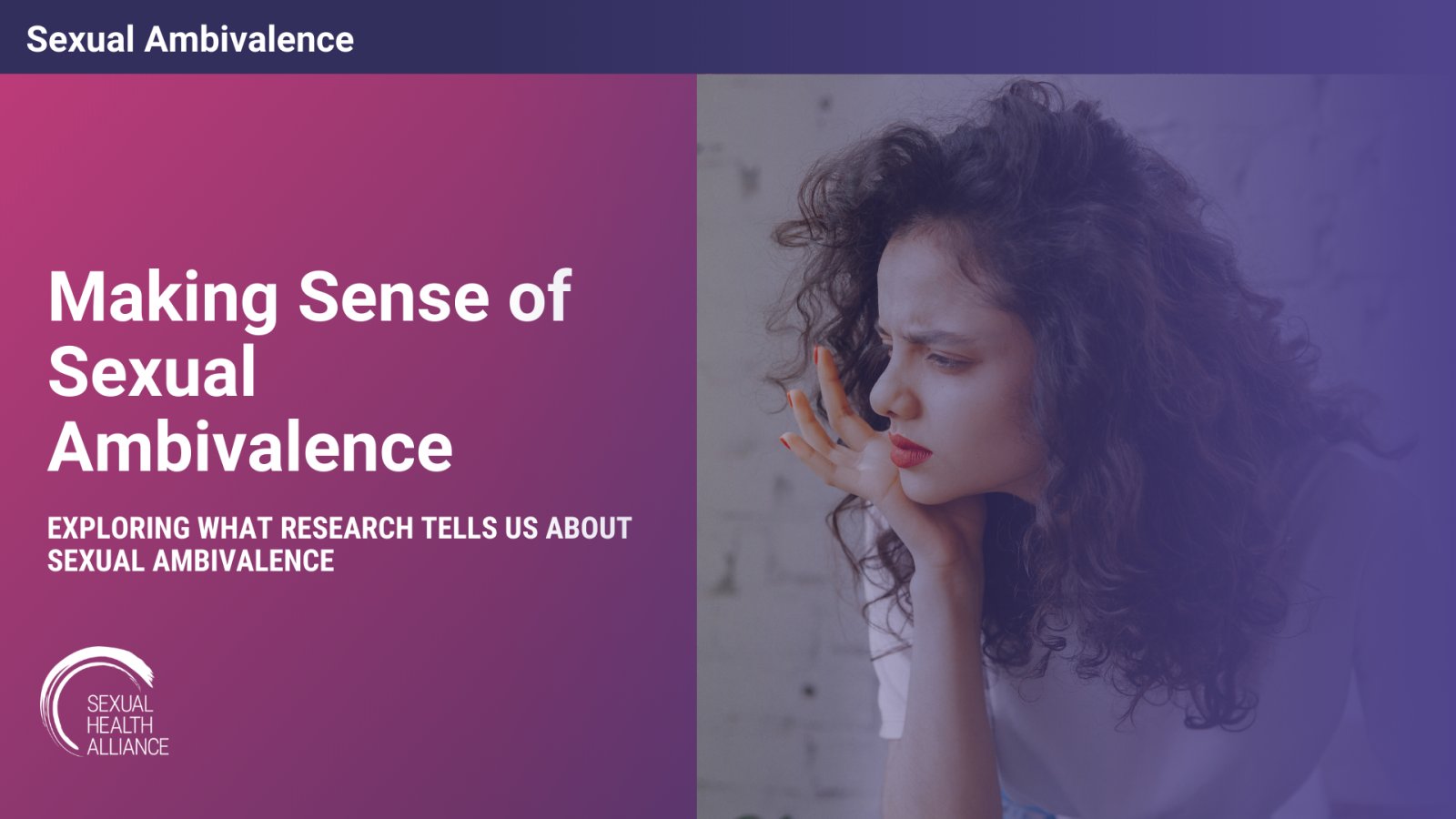
Making Sense Of Sexual Ambivalence — Alliance For Sexual Health
Share
Facebook Twitter LinkedIn Pinterest WhatsApp Email

What is Sexual Ambivalence?

Have you ever said yes to something you weren’t sure about? Or “no” to something you wanted to do? What happens in the context of sexual activity? If so, you have experienced sexual ambivalence!

It was created in 1998the term sexual ambivalence refers to engaging in a sexual behavior that is both desirable and undesirable. Please note that the terms “sexual activity” and “sexual behavior” used in this blog can refer to anything of a sexual nature – not just full contact!

Although this concept has been around for a while, researchers are still learning more about sexual ambivalence and its role in sexual experiences. Partly because there is so much nuance to it – whether or not someone wants to engage in a sexual activity may not even be clear to the person at the moment and can depend on many factors.

Sexual ambivalence versus consent

Before we get into the context of the different elements that can play a role in sexual ambivalence, it is important to understand the difference between sexual ambivalence and consent. Most of us assume that desire and consent go hand in hand, but that’s not always the case. Understanding the difference between them matters more than you think.

Let’s break it down:

  • Sexual ambivalence describes an experience where a sexual intercourse feels desirable to both and unwanted at the same time. It is not a constant feeling. it exists on a continuum and can shift during an encounter. One can start out feeling one way and end up feeling completely different!

  • Consent it is simply the act of agreeing to engage in a behavior. Firm, affirmative consent is clear and enthusiastic. Ultimately, it’s a decision, not a feeling.

  • Thus, one may want to engage in a sexual experience but not consent to it. Without consent, the engagement will be considered sexual violence. But if that person doesn’t want to do it, but consents (without coercion and of their own free will), that’s not sexual violence.

So, in summary, what happens when these don’t match?

  • You can want a sexual experience but non-consent in this → this is sexual violence, period.

  • You can consent in sexual experience without complete absent this → this is not sexual violence.

It’s easy to confuse the two because they both involve making decisions about sexual activity, but it’s important to recognize them as different concepts. If you want to know more about making sexual decisions, check out our certification programs!

Factors in Want and Unwant

Often, people hold what they want and don’t want about a sexual behavior at the same time – and many different factors are involved.

Sexual Ambivalence and Reproductive Rights

Unfortunately, the decision to have sex can be related to the impact of political decisions on individual lives. Although research on sexual ambivalence is still covering all the details, some evidence suggests that systemic factors play a role. In the United Stateslimited access to contraceptives and the overall erosion of reproductive rights may contribute to this, particularly for those designated as female at birth.

Think about what’s really at stake: the risk of an unwanted pregnancy, the possibility of not having access to an abortion, the uncontrollable pain of endometriosis or other conditions that birth control helps treat. Any of these realities can make someone want to engage in sexual activity less, not because of how they feel about their partner or because of the sexual behavior, but because of the political climate they live in.

Sexual ambivalence and sexual health

A common source of sexual ambivalence may stem from concern about physical consequences, such as the fear of sexually transmitted infection. It is intuitive that these concerns could cause one to stop even when this desire exists. The wrinkle, however, is that sexual ambivalence has also been linked to sexual risk behavior such as not using a condom. So the relationship between sexual ambivalence and attention is more nuanced than it first appears, and researchers don’t yet have a clear story about why this happens.

Engaging in sexual activity also requires trusting that the other person will respect your boundaries and not push things further than you are comfortable with. This degree of vulnerability is not easy for everyone. Research has found a significant relationship between sexual ambivalence and a history of sexual violence victimization. When someone has been hurt in a context that required the same trust, hesitation about future sexual activity can follow.

Sexual Ambivalence and Relationship Health

  • It’s not always about the act itself. Sometimes, people desire certain outcomes or aspects of sex (intimacy, closeness, connection), but not necessarily the physical activity that comes with it. This can lead to sexual ambivalence!

  • It can also be a way of navigating the mismatch of desire in a relationship. The research we have, although not always recent, tells us This sexual ambivalence could be how some people bridge the gap when their level of desire doesn’t match their partner’s, avoiding the tension or conflict that this type of mismatch tends to bring.

  • Bottom line: I want some pieces but not the whole picture it may be her own path to sexual ambivalence.

Suggestions for sexual health professionals

  • Ambivalence and consent are not the same thing: Understanding the distinction can help sexual health professionals recognize when a client may be describing something that amounts to sexual coercion or violence, even if the client has not called it that.

  • Carefully review the trauma history: Given the potential relationship between sexual ambivalence and past sexual violence victimization, a client disclosing ambivalence can provide an entry point for broader discussions about safety, trust, and the impact of past experiences.

  • Don’t assume reluctance means indifference: one may truly desire sexual connection while still feeling reluctant to pursue it. These are not contradictory. they often coexist!

  • Access factors and risk concerns: For some clients, ambivalence is rooted in practical fears of pregnancy or STDs. Directly addressing these concerns, such as through training, resources, or referrals, can be part of the job.

  • Consider relationship dynamics: Discrepancy of desire between partners can fuel ambivalence. Exploring how a customer feels about this gap could be insightful.

  • Keep the survey light: the evidence base is still developing and much of it is dated. Clinical judgment and the client’s own account are more important than any single study.

Do you want to become an in-demand sexual health professional? Learn more about SHA certification!

Alliance ambivalence health Making sense sexual
bhanuprakash.cg
healthtost
  • Website

Related Posts

Why your wearable health tracker can make you feel anxious

June 1, 2026

a wake-up call to remove barriers to SRHR < SRHM

May 31, 2026

Cases of gonorrhea and syphilis reached their highest level in Europe in the last 10 years

May 31, 2026

Leave A Reply Cancel Reply

Don't Miss
News

New brain probe simultaneously records and controls neuronal activity

By healthtostJune 1, 20260

A new ground-breaking technology, jointly developed by UCL scientists, which simultaneously records and manipulates the…

What do I eat in a day?

June 1, 2026

Outpatient versus inpatient addiction treatment: How to choose the right level of care

June 1, 2026

The Apple Watch app detects seizures with 98% accuracy.

June 1, 2026
Stay In Touch
  • Facebook
  • Twitter
  • Pinterest
  • Instagram
  • YouTube
  • Vimeo
TAGS
Baby benefits body brain cancer care Day Diet disease exercise finds Fitness food Guide health healthy heart Improve Life Loss Men mental Natural Nutrition Patients Pregnancy protein research reveals risk routine sex sexual Skin Skincare study Therapy Tips Top Training Treatment ways weight women Workout
About Us
About Us

Welcome to HealthTost, your trusted source for breaking health news, expert insights, and wellness inspiration. At HealthTost, we are committed to delivering accurate, timely, and empowering information to help you make informed decisions about your health and well-being.

Latest Articles

New brain probe simultaneously records and controls neuronal activity

June 1, 2026

What do I eat in a day?

June 1, 2026

Outpatient versus inpatient addiction treatment: How to choose the right level of care

June 1, 2026
New Comments
    Facebook X (Twitter) Instagram Pinterest
    • About Us
    • Contact Us
    • Privacy Policy
    • Terms and Conditions
    • Disclaimer
    © 2026 HealthTost. All Rights Reserved.

    Type above and press Enter to search. Press Esc to cancel.