

Close Menu
Healthtost
  • News
  • Mental Health
  • Men’s Health
  • Women’s Health
  • Skin Care
  • Sexual Health
  • Pregnancy
  • Nutrition
  • Fitness
  • Recommended Essentials
What's Hot

The Crazy Hard Standards of the Hardest PE Program in History

April 20, 2026

Scientists identify simple rituals like drinking tea to help reconnect focus in a distracted world

April 20, 2026

Earth Day Activities: A Fun Guide to Plogging and More

April 20, 2026
Facebook X (Twitter) Instagram
  • About Us
  • Contact Us
  • Privacy Policy
  • Terms and Conditions
  • Disclaimer
Facebook X (Twitter) Instagram
Healthtost
SUBSCRIBE
  • News

    Study reveals significant gaps in MMR vaccine knowledge among ER patients

    April 20, 2026

    Short-term and cumulative exposure to air pollution is associated with increased migraine activity

    April 19, 2026

    New federal Medicaid rules require one month of work. Some states require more.

    April 19, 2026

    Scientists find unexpected immune pathways for mRNA cancer vaccines

    April 18, 2026

    Researchers discover how cell membrane composition drives cancer proliferation

    April 17, 2026
  • Mental Health

    I hate hope: How to manage hope when you have treatment-resistant bipolar disorder

    April 19, 2026

    Rose Byrne is raw, magnetic and unfiltered as a woman in crisis

    April 18, 2026

    Can a single mother change her child’s surname in India?

    April 16, 2026

    Is it anxiety or OCD? 2 psychology experts explain the difference

    April 14, 2026

    Understanding the different types of treatment: C…

    April 10, 2026
  • Men’s Health

    The Crazy Hard Standards of the Hardest PE Program in History

    April 20, 2026

    Becoming revolutionaries in our time: Calling men to change the world for good

    April 20, 2026

    35-minute bodyweight chest workout routine at home

    April 16, 2026

    Vaping may increase risk of cognitive decline in young adults, study finds

    April 14, 2026

    Opinion: Prediction markets are betting against public health

    April 14, 2026
  • Women’s Health

    Scientists identify simple rituals like drinking tea to help reconnect focus in a distracted world

    April 20, 2026

    Rooted in Justice and Joy: BWHI Appears for Black Maternal Health Week 2026

    April 20, 2026

    Can a girl be so tight it hurts? The Truth About Pelvic Strain – Vuvatech

    April 18, 2026

    At 76, she went from knee pain every night to climbing 7 flights without pain

    April 17, 2026

    Strong liver, strong woman: 4 habits every woman should embrace

    April 16, 2026
  • Skin Care

    Earth Day Activities: A Fun Guide to Plogging and More

    April 20, 2026

    Calm & Correct: The 4-in-1 color correcting treatment

    April 19, 2026

    How to Get Glowing Skin: Beauty Guide

    April 17, 2026

    Fact or Fiction? 12 skincare myths, busted

    April 15, 2026

    Wait – can makeup really cause a reaction to gluten?

    April 14, 2026
  • Sexual Health

    The importance of sex and intimacy in the elderly

    April 18, 2026

    Judicial reform is the only real way out of today’s political hell

    April 15, 2026

    Personal and Professional considerations between generations

    April 15, 2026

    Can you get tested for herpes without an outbreak?

    April 14, 2026

    At the Intersection of Autism, LGBTQIA+ Identity and Kink — Sexual Health Alliance

    April 13, 2026
  • Pregnancy

    Transfer to birth center C-section, birth center VBAC and Surprise Footling Breech Transfer to home

    April 18, 2026

    What is an Onbuhimo? Everything you need to know about this underrated carrier

    April 18, 2026

    Is Saffron Milk safe in the 9th month of pregnancy?

    April 16, 2026

    Serious maternal complications affect nearly 3 per cent of pregnancies, Ontario study finds

    April 11, 2026

    Third Trimester Nutrition Guide for Indian Moms

    April 10, 2026
  • Nutrition

    What foods to avoid if you have fatty liver disease

    April 18, 2026

    Peanut Chicken Bowl + $75 Peanut Lover’s Giveaway

    April 18, 2026

    7 selective tips that really work

    April 17, 2026

    Baked Egg Muffin Cups with Vegetable Crust

    April 17, 2026

    Sweet rhubarb butter & strawberry rhubarb

    April 15, 2026
  • Fitness

    Foods to support midlife health

    April 20, 2026

    Identity Inversion: Part 2 – Ben Greenfield Life

    April 19, 2026

    Lessons from an adaptive dance program

    April 19, 2026

    WWE’s Nia Jax Body Transformation is ready for WrestleMania 42

    April 18, 2026

    Shakeology reviews are at: Over 1 billion servings and counting:

    April 17, 2026
  • Recommended Essentials
Healthtost
Home»News»Intensive lowering of LDL cholesterol shows significant benefits for patients with heart disease
News

Intensive lowering of LDL cholesterol shows significant benefits for patients with heart disease

healthtostBy healthtostMarch 29, 2026No Comments5 Mins Read
Facebook Twitter Pinterest LinkedIn Tumblr Reddit WhatsApp Email
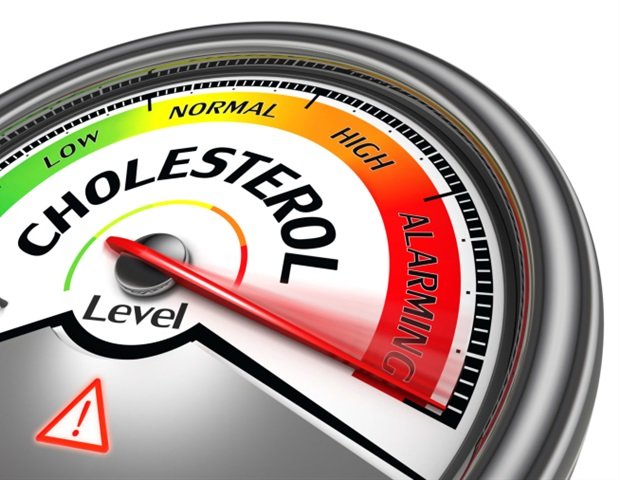
Intensive Lowering Of Ldl Cholesterol Shows Significant Benefits For Patients
Share
Facebook Twitter LinkedIn Pinterest WhatsApp Email

More intensive use of cholesterol-lowering drugs to achieve a more aggressive target for low-density lipoprotein cholesterol (LDL-C) reduced the rate of major cardiovascular events by one-third among patients with atherosclerotic cardiovascular disease (ASCVD).

The results help fill an evidence gap in guiding treatment for patients with heart disease who are at high risk of major cardiac events. Although guidelines have lowered the recommended LDL-C goal for patients with ASCVD from less than 70 mg/dL to less than 55 mg/dL, evidence supporting this recommendation was limited. The new trial, called Ez-PAVE, is the first randomized, head-to-head comparison of these two LDL-C targets in patients with ASCVD.

The Ez-PAVE trial adds practically and clinically relevant evidence by demonstrating that, in patients with ASCVD, targeting an LDL-C level of less than 55 mg/dL results in a significantly lower three-year risk of major CVD compared with the conventional target of 70 mg/dL, without compromising safety.


Byeong-Keuk Kim, MD, director of the Division of Cardiac Catheterization and Intervention and professor in the Department of Cardiology at Severance Hospital, Yonsei University College of Medicine in Seoul, South Korea, and lead author of the study

ASCVD is a type of heart disease in which plaque builds up in the artery walls. LDL-C contributes to plaque build-up. Treatments that lower LDL-C can help slow the buildup of plaque in artery walls and reduce the chance that the plaques will break and cause serious events, such as heart attacks and strokes. However, most previous studies have focused on evaluating outcomes from various LDL-C-lowering therapies rather than evaluating the optimal LDL-C level to target with those therapies, Kim said.

The researchers enrolled 3,048 patients at 17 sites in South Korea. Participants were 64 years old, on average, and 21% were women. All participants had ASCVD, defined as having a previous acute coronary syndrome, stable angina with objective evidence, a procedure to open blocked arteries (revascularization), stroke or transient ischemic attack, or peripheral artery disease. Overall, the study cohort reflects a high- to very-high-risk population based on the high prevalence of prior acute coronary syndrome, revascularization and diabetes, according to the researchers.

Half of the patients were randomly assigned to an LDL-C goal of less than 55 mg/dL and half to a goal of less than 70 mg/dL. At three years, patients in the first group had a median LDL-C of 56 mg/dL and those in the second group had a median of 66 mg/dL. To achieve these LDL-C goals, treating physicians followed medical guidelines by increasing the intensity of statin therapy and adding other medications such as ezetimibe and PCSK9 inhibitors when needed. Treatment decisions, including dose adjustments, addition of different therapies, and management of adverse events, were left to the discretion of the clinician to reflect real-world clinical practice.

The study’s primary endpoint was a composite of cardiovascular death, nonfatal heart attack, nonfatal stroke, any revascularization, or hospitalization for unstable angina (chest pain or tightness). At three years this composite endpoint occurred in 6.6% of those assigned to an LDL-C goal of less than 55 mg/dL and in 9.7% of those assigned to a target of 70 mg/dL, a 33% reduction in risk in favor of the more aggressive target. This benefit came mainly from a reduction in nonfatal heart attacks and revascularization. The composite of cardiovascular death, heart attack, or stroke was also significantly lower in the more intensive target group (2.3% vs. 3.6%).

“The consistency in the overall population and in key subgroups suggests that the benefit of targeting LDL-C lower than 55 mg/dL applies broadly across the spectrum of patients with ASCVD and is not limited to specific patient subsets,” Kim said, noting that the findings are particularly relevant for patients in higher-risk categories, for whom lower LDL targets are recommended.

The two study groups showed a similar safety profile, with no significant differences in the incidence of muscle symptoms, new-onset diabetes, or worsening glycemic control among people with diabetes. An increase in creatinine (a marker of worsening kidney function) was less common in the intensively targeted group, and the researchers said future studies could help clarify whether more intensive LDL-C lowering could slow the progression of kidney disease.

The study was not blinded because treating clinicians needed to know which LDL-C level to target for each patient. In addition, the trial was conducted entirely in South Korea and all participants were from East Asia, potentially limiting applicability to other countries or racial and ethnic groups that may see different differences in cardiovascular risk or different patterns of LDL-C-lowering treatment.

Kim also said that in the more intensive targeting group, 39% of patients never reached the goal below 55 mg/dL LDL-C. During the study period, newer non-statin cholesterol-lowering therapies, including inclisiran and bempedoic acid, were not available in South Korea, and the use of PCSK9 inhibitors was generally limited due to reimbursement policies. Kim said that more intensive use of such non-statin therapies may have resulted in lower achieved LDL-C levels and possibly greater clinical benefit. Additional studies could evaluate the effects of more intensive use of such treatments.

The study was funded by the Cardiovascular Research Center under contract to Yuhan Corporation.

This study was simultaneously published online at New England Journal of Medicine at the time of presentation.

Kim will present the study, “Intensive Low-density Lipoprotein Cholesterol Targeting in Patients with Atherosclerotic Cardiovascular Disease,” on Saturday, March 28, at 3:45 p.m. CT / 8:45 PM UTC on the Main Stage, Great Hall.

Source:

American College of Cardiology

benefits cholesterol disease heart Intensive LDL Lowering Patients shows significant
bhanuprakash.cg
healthtost
  • Website

Related Posts

Study reveals significant gaps in MMR vaccine knowledge among ER patients

April 20, 2026

Short-term and cumulative exposure to air pollution is associated with increased migraine activity

April 19, 2026

New federal Medicaid rules require one month of work. Some states require more.

April 19, 2026

Leave A Reply Cancel Reply

Don't Miss
Men's Health

The Crazy Hard Standards of the Hardest PE Program in History

By healthtostApril 20, 20260

In most modern high schools, PE is a full-on take-off course — something you have…

Scientists identify simple rituals like drinking tea to help reconnect focus in a distracted world

April 20, 2026

Earth Day Activities: A Fun Guide to Plogging and More

April 20, 2026

Foods to support midlife health

April 20, 2026
Stay In Touch
  • Facebook
  • Twitter
  • Pinterest
  • Instagram
  • YouTube
  • Vimeo
TAGS
Baby benefits body brain cancer care Day Diet disease exercise finds Fitness food Guide health healthy heart Improve Life Loss Men mental Natural Nutrition Patients People Pregnancy research reveals risk routine sex sexual Skin Skincare study Therapy Tips Top Training Treatment ways weight women Workout
About Us
About Us

Welcome to HealthTost, your trusted source for breaking health news, expert insights, and wellness inspiration. At HealthTost, we are committed to delivering accurate, timely, and empowering information to help you make informed decisions about your health and well-being.

Latest Articles

The Crazy Hard Standards of the Hardest PE Program in History

April 20, 2026

Scientists identify simple rituals like drinking tea to help reconnect focus in a distracted world

April 20, 2026

Earth Day Activities: A Fun Guide to Plogging and More

April 20, 2026
New Comments
    Facebook X (Twitter) Instagram Pinterest
    • About Us
    • Contact Us
    • Privacy Policy
    • Terms and Conditions
    • Disclaimer
    © 2026 HealthTost. All Rights Reserved.

    Type above and press Enter to search. Press Esc to cancel.