

Close Menu
Healthtost
  • News
  • Mental Health
  • Men’s Health
  • Women’s Health
  • Skin Care
  • Sexual Health
  • Pregnancy
  • Nutrition
  • Fitness
  • Recommended Essentials
What's Hot

Finding the best lupus treatments

May 3, 2026

How I Did It: Fading Hormonal Hyperpigmentation Without Lasers

May 3, 2026

Early signs of Peyronie’s disease and when to seek help

May 3, 2026
Facebook X (Twitter) Instagram
  • About Us
  • Contact Us
  • Privacy Policy
  • Terms and Conditions
  • Disclaimer
Facebook X (Twitter) Instagram
Healthtost
SUBSCRIBE
  • News

    Five-target drug beats GLP-1/GIP therapy in obese diabetic mice

    May 3, 2026

    How fast your face ages can predict cancer survival outcomes

    May 2, 2026

    AI scribes save doctors time, but fail to reduce overtime

    May 2, 2026

    Identifying the ages at which Alzheimer’s biomarkers change sharply

    May 1, 2026

    Timing of food may shape how T cells respond to infection and therapy

    May 1, 2026
  • Mental Health

    Every mental health journey starts with being seen

    May 2, 2026

    What animal studies teach us about toxic work environments

    April 27, 2026

    I hate hope: How to manage hope when you have treatment-resistant bipolar disorder

    April 19, 2026

    Rose Byrne is raw, magnetic and unfiltered as a woman in crisis

    April 18, 2026

    Can a single mother change her child’s surname in India?

    April 16, 2026
  • Men’s Health

    3 Day Home Workout Plan: Build Muscle and Burn Fat

    April 30, 2026

    GLP-1 drugs promise broader health benefits, but experts advise caution on use

    April 28, 2026

    Trauma patients recover faster when medical teams know each other well, new study finds

    April 28, 2026

    I did red light therapy for 3 months so I shouldn’t have

    April 27, 2026

    Sex Secrets for Men Over 40: Surviving Male Menopause

    April 27, 2026
  • Women’s Health

    Finding the best lupus treatments

    May 3, 2026

    What is the difference between UVA and UVB rays?

    May 1, 2026

    Are you a fungus fanatic? We unpack the nutritional trend of mushroom mania

    April 29, 2026

    What the Patients’ Bill of Rights Could Mean for Black Women

    April 29, 2026

    Navigating sexual health during and after cancer

    April 28, 2026
  • Skin Care

    How I Did It: Fading Hormonal Hyperpigmentation Without Lasers

    May 3, 2026

    The truth about waterless care: What your skin really needs

    May 2, 2026

    What happens to your skin while you sleep? (the science of “Beauty Sle

    May 1, 2026

    Face Peeling Mask Guide: Shine Without Irritation

    April 28, 2026

    Is your moisturizing face mist really drying out your skin?

    April 28, 2026
  • Sexual Health

    Early signs of Peyronie’s disease and when to seek help

    May 3, 2026

    Boost erectile health and confidence

    May 1, 2026

    Judicial Restrictions on Abortion COVID-19 < SRHM

    April 30, 2026

    Can herpes affect fertility?

    April 29, 2026

    The Importance of Personalized Care in Medication Assisted Therapy (MAT) Programs I Novus

    April 28, 2026
  • Pregnancy

    Why is anemia during pregnancy high in Indian women?

    May 2, 2026

    5 things you need for the third trimester

    May 1, 2026

    Eating disorders in pregnancy and breastfeeding: Why “healthy eating” is not always easy

    May 1, 2026

    Comprehensive yoga for pregnancy, birth and beyond

    April 29, 2026

    Midwifery and Life – The postnatal health check New mums don’t know they can ask for

    April 28, 2026
  • Nutrition

    A cancer-causing contaminant in drugs and meat

    May 3, 2026

    How Nutrition Supports Mood, Energy and Gut Health

    May 2, 2026

    How to create a self-care plan when you’re stressed

    May 1, 2026

    I answer the most HOT Questions about Fatty Liver

    April 29, 2026

    Why You’re Not Losing Weight After 35 (Even When You Eat Less)

    April 28, 2026
  • Fitness

    Landmine Training and Why I Love It – Tony Gentilcore

    May 3, 2026

    9 Powerful Fitness Tips for Pear Shaped Bodies

    May 2, 2026

    If you can still do these 7 things at 60, your body is aging better than most

    May 2, 2026

    A Hike Leader’s Must-Have Kit

    April 30, 2026

    Menopausal Hair Loss Solutions: 10 Expert Tips

    April 29, 2026
  • Recommended Essentials
Healthtost
Home»News»Prediabetes can go to recession without weight loss
News

Prediabetes can go to recession without weight loss

healthtostBy healthtostOctober 2, 2025No Comments5 Mins Read
Facebook Twitter Pinterest LinkedIn Tumblr Reddit WhatsApp Email
Prediabetes Can Go To Recession Without Weight Loss
Share
Facebook Twitter LinkedIn Pinterest WhatsApp Email

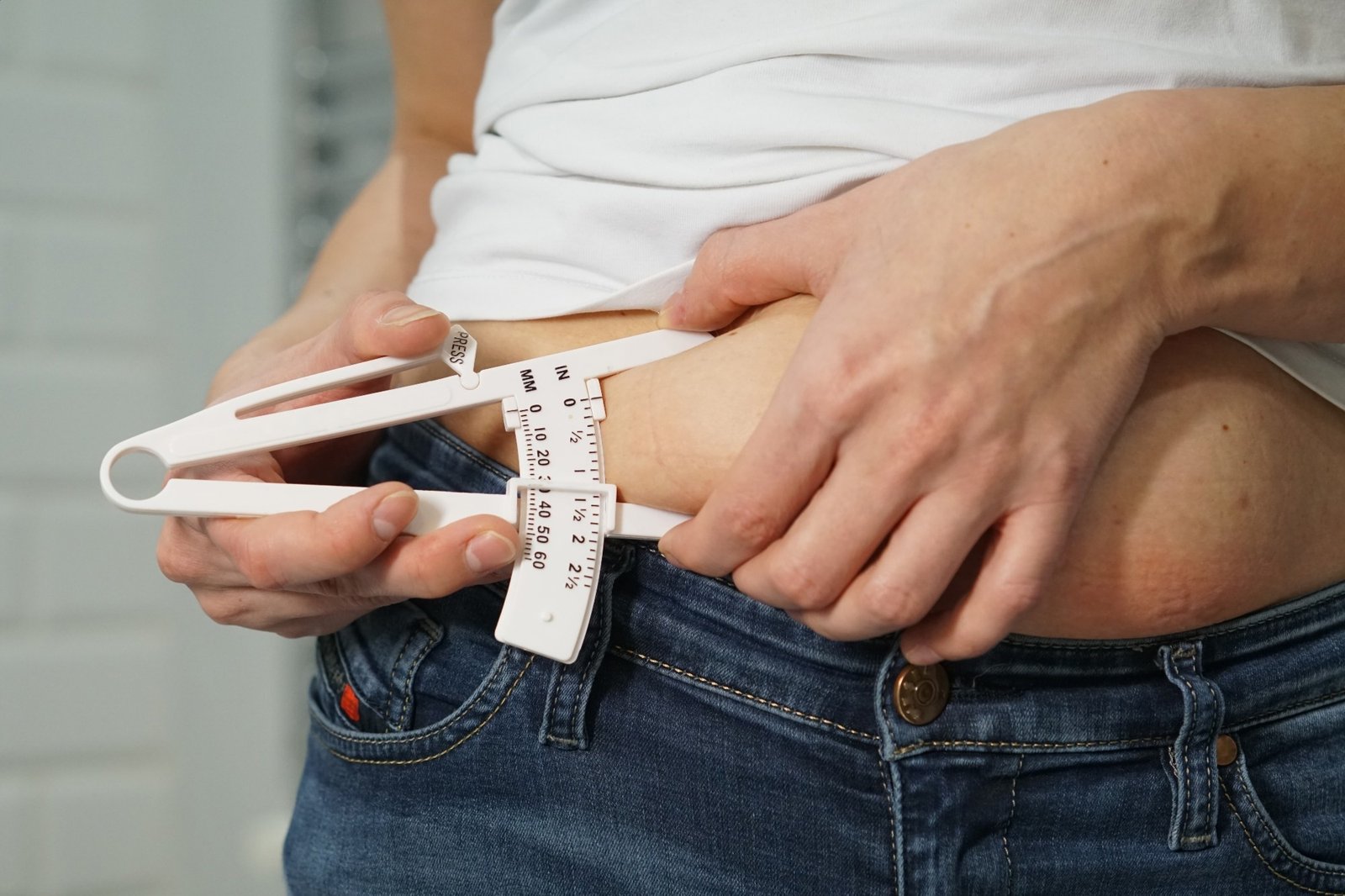
An important new study reveals that up to one in five people with prediabetes can return to normal blood sugar without losing weight, changing the way doctors are thinking of preventing type 2 diabetes.

Study: Prevention of type 2 diabetes through recession prediabetes with no weight loss. Credit Picture: Anna Rogalska/Shutterstock.com

In recent Natural medicine Article, the researchers investigated whether the protagonists can return to normal glucose regulation without losing weight, a finding that could be the key to preventing type 2 diabetes (T2D). They found that the recession prediabetes occurred despite weight loss (often with slight weight gain) and was associated with healthier fat distribution, improved β-cell function and enhanced insulin sensitivity.

Background

T2D affects over 460 million people worldwide and is the leading cause of death due to its complications, including neuropathy, cardiovascular disease and chronic kidney disease. The global weight of the T2D is expected to increase significantly by 2050. Poor nutrition quality is the main driver, with the greatest impact on low and medium -income countries with limited access to treatment. Prevention strategies are necessary to reduce the world weight of T2D.

Prediabetes is a metabolic condition in which blood sugar levels are higher than normal but not high enough to meet the diagnostic criteria for type 2 diabetes (T2D). It is usually defined by reduced glucose regulation, such as increased fasting glucose, weakened tolerance to glucose in an oral glucose tolerance test or increased glycozine glucovine (HBA1C), which falls below the threshold used to diagnose diabetes.

It is the most important risk factor for T2D. The annual development rate is 5-10%, with a risk of life up to ~ 74%. It also increases the risk of vascular, cancer and neurodegenerative diseases independently.

Previous research has shown that restoring normal glucose regulation, even temporarily, reduces the risk of developing T2D and related complications. The prediabetes lifestyle intervention study (PLIS) introduced the concept of prediabetes recession. The recession is achieved when normal glucose levels are restored, often through weight loss. This recession significantly reduces the risk of T2D and relative damage to the organ. This emphasizes the importance of regulating glucose in preventive strategies.

For the study

The researchers conducted a post -HOC analysis of PLI, a randomized, controlled, multicenter test conducted in Germany between 2012 and 2016. Participants were strained by the risk of diabetes based on insulin resistance, insulin secretion and liver

This analysis included only participants who did not lose weight for more than 12 months. If glucose regulation returned to normal, they were classified as correspondents and if they did not do so, they are classified as non -respondents.

Glucose metabolism was evaluated with oral glucose tolerance tests (OGTT) with repetitive blood sampling. Insulin, C-peptide, liver fat, visceral and subcutaneous fat and muscle fat were measured using standard tests, magnetic resonance imaging or spectroscopy. Additional analyzes included inflammatory markers, adipocins, indigenines and visceral ratings of polygonal risk of tissue (VAT), with no significant groups differences. Lifestyle attachment was followed through food calendars, gymnastics and physical activity evaluations.

The findings were validated in a second group from the US Diabetes Prevention Program, focusing on participants who also did not lose weight during the first 12 months. Statistical analyzes applied mixed results models and were corrected for multiple tests.

Basic findings

The study was followed by 1,105 people with PLIS prediabetes. Among the 234 participants who did not lose weight (or even won some) during the 12 -month program, 51 achieved recession while in 183 they did not. Specifically, the recession appeared regardless of changes in body weight, body composition, physical activity or aerobic ability.

Correspondents showed separate metabolic improvements. Their sensitivity to insulin has increased significantly, while non -respondents showed no change. In addition, respondents showed enhanced secretion of insulin and better beta-cell function, changes that were not typically observed in the recession with weight loss.

The distribution of body fat also differs: Correspondents store more fat in subcutaneous adipose tissue (SCAT), while avoiding VAT increases, leading to a higher Scat/Vat ratio. This healthier fat pattern was associated with higher levels of adiponectin, according to improved insulin sensitivity.

Other potential mechanisms, such as inflammation, liver accumulation or genetic predisposition, did not explain the recession. Specifically, correspondents had improved glycagon regulation and greater sensitivity of β-cells to glucogen-1 peptide-1, supporting better glucose control. In long -term monitoring, the recession without weight loss reduced the risk of T2D by ~ 71%, similar to the recession of weight loss. DPP confirmed these findings, enhancing their validity.

Conclusions

This study shows that up to 22% of participants can deliver prediabetes without weight loss and provides strong protection against T2D, comparable to the recession caused by weight. The main factor seems to be fat distribution: the correspondents accumulate more subcutaneously than visceral fat, which is associated with higher sensitivity to insulin, beta-cell function and improved GLP-1 sensitivity.

Exercise and nutritional composition may have contributed to these favorable results. The findings emphasize the need to extend the clinical guidelines beyond weight loss only, emphasizing the recession of normal glucose regulation as a primary prevention target.

The advantages include reproducing the results in the DPP group and detailed metabolic profile. The restrictions are post -hoc design, dependence on OGTT substitute measures and possible residual confusion.

Overall, the study emphasizes that metabolic health and glycemic downturn, not weight loss alone, should guide precision prevention strategies for T2D.

Download your PDF copy now!

Loss PreDiabetes recession weight
bhanuprakash.cg
healthtost
  • Website

Related Posts

Five-target drug beats GLP-1/GIP therapy in obese diabetic mice

May 3, 2026

How fast your face ages can predict cancer survival outcomes

May 2, 2026

AI scribes save doctors time, but fail to reduce overtime

May 2, 2026

Leave A Reply Cancel Reply

Don't Miss
Women's Health

Finding the best lupus treatments

By healthtostMay 3, 20260

It’s May Lupus Awareness Month.Did you know that the word “wolf” is Latin for wolf?…

How I Did It: Fading Hormonal Hyperpigmentation Without Lasers

May 3, 2026

Early signs of Peyronie’s disease and when to seek help

May 3, 2026

A cancer-causing contaminant in drugs and meat

May 3, 2026
Stay In Touch
  • Facebook
  • Twitter
  • Pinterest
  • Instagram
  • YouTube
  • Vimeo
TAGS
Baby benefits body brain cancer care Day Diet disease exercise finds Fitness food Guide health healthy heart Improve Life Loss Men mental Natural Nutrition Patients Pregnancy protein research reveals risk routine sex sexual Skin Skincare study Therapy Tips Top Training Treatment ways weight women Workout
About Us
About Us

Welcome to HealthTost, your trusted source for breaking health news, expert insights, and wellness inspiration. At HealthTost, we are committed to delivering accurate, timely, and empowering information to help you make informed decisions about your health and well-being.

Latest Articles

Finding the best lupus treatments

May 3, 2026

How I Did It: Fading Hormonal Hyperpigmentation Without Lasers

May 3, 2026

Early signs of Peyronie’s disease and when to seek help

May 3, 2026
New Comments
    Facebook X (Twitter) Instagram Pinterest
    • About Us
    • Contact Us
    • Privacy Policy
    • Terms and Conditions
    • Disclaimer
    © 2026 HealthTost. All Rights Reserved.

    Type above and press Enter to search. Press Esc to cancel.