


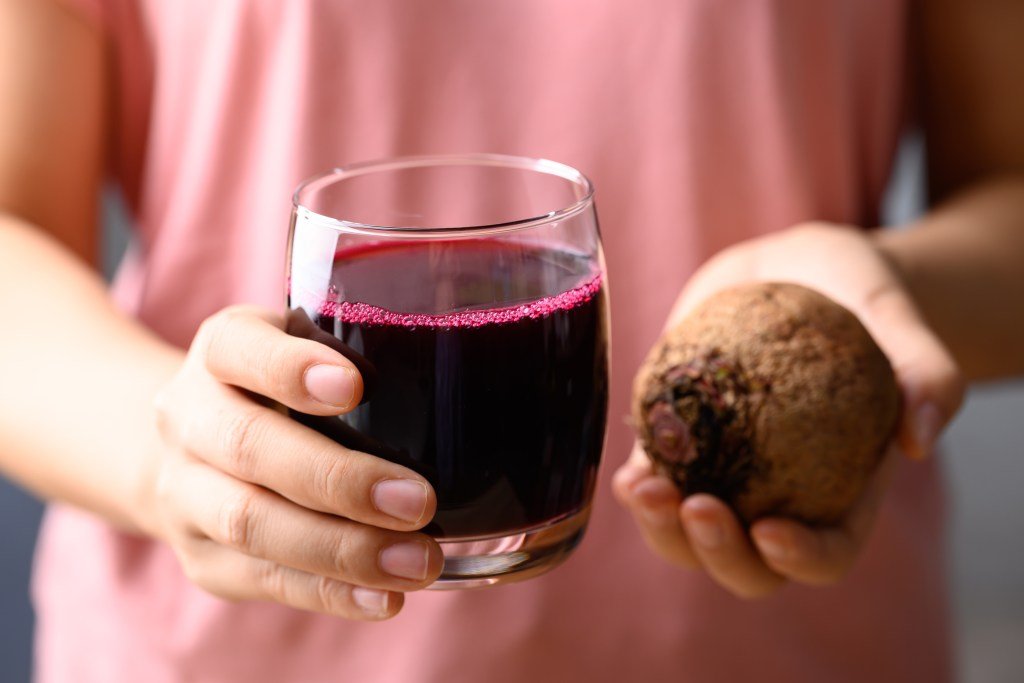
Let’s get this out of the way: A tall glass of beet juice doesn’t inspire the same intense craving that a caramel macchiato does. Understandable.
However, beetroot juice is packed with antioxidants and is one of the healthiest superfoods you can get your hands on. If the earthy taste leaves you cold, keep in mind that the beetroot flavor blends easily with other fruit juice flavors, as apple is its most popular companion fruit. In addition to providing the body with an amazing array of nutrients, beet juice also has tangible positive effects on your cardiovascular health, blood pressure and brain health.
We asked registered dietitians to give us the scoop on everything we know about beet juice.
1. Beet juice reduces inflammation.
If you want to add more anti-inflammatory foods to your diet, beet juice is a good place to start. Beets contain a type of polyphenol called betalains, which “have powerful antioxidant properties,” he says. Avery Zenkerregistered dietitian at MyHealthTeam. (Betalains also give beets their bright color.)
Research suggests that betalains can help reduce inflammation, Zenker explains, as well as “lower cholesterol and triglycerides, lower blood pressure, reduce arterial narrowing, and help fight atherosclerosis.”
2. It is a natural multivitamin
The vitamin and mineral content of beetroot juice is generally impressive. In terms of vitamin content, it contains high levels of vitamin C, folic acid, beta carotene (vitamin A) and vitamins B1, B2 and B3. In terms of minerals, beetroot juice boasts a long list of valuable nutrients: potassium, phosphorus, manganese, zinc, copper, selenium and iron. In addition, beetroot juice contains protein in the form of a complete set of amino acids.
3. Beetroot juice helps lower blood pressure.
Thanks to their nitrate and potassium content, beetroot juice is also great for regulating your blood pressure. Nitratesexplains Zenker “it helps increase the bioavailability of nitric oxide. Nitric oxide is a powerful vasodilator and helps support blood vessel health, which contributes to healthier blood pressure.” Potassium, meanwhile, helps combat the blood pressure-raising effects of dietary sodium.
4. Beet juice supports healthy cholesterol levels.
If you’re conscious of keeping your cholesterol low, add a bottle of beetroot juice to your day. The polyphenols in beet juice (including betalain, as mentioned above, and flavonoids) “act as antioxidants to potentially protect against oxidation of LDL cholesterol, helping to reduce the risk of plaque buildup in the arteries,” says Zenker.
5. Beet juice enhances athletic performance.
Want to run or cycle more? Beet juice is known to help improve athletic performance thanks to its nitrate content, which opens up your blood vessels and allows for improved oxygen delivery to the brain and muscles, says Zenker. “Beetroot juice is particularly useful in endurance activities and can help improve endurance and delay fatigue,” he explains.
6. Beet juice can help support brain health.
“Beet juice can promote cognition, focus, and mental clarity,” says Zenker, thanks to those vasodilator nitrates and antioxidants like betalains. This works by “increasing blood flow to the frontal lobe, the area responsible for higher level thinking and working memory,” he explains. Nicole Cuocoregistered dietitian at Muscle Booster. “It can help you stay sharp and focused throughout the day.”
“Beetroot juice also contains brain-supporting vitamins and minerals such as potassium, folate, iron, magnesium, manganese and vitamin C,” adds Zenker.
The best ways to get beetroot juice
Aside from growing your own beets, the cheapest way to get fresh, organic beet juice is to juice them yourself. Organic beets can be picked up at your local farmer’s market (when in season) or in the organic section of a supermarket.
If you don’t have a juicer, prepackaged beet juice is also available from brands like Pressed Juicery.
