


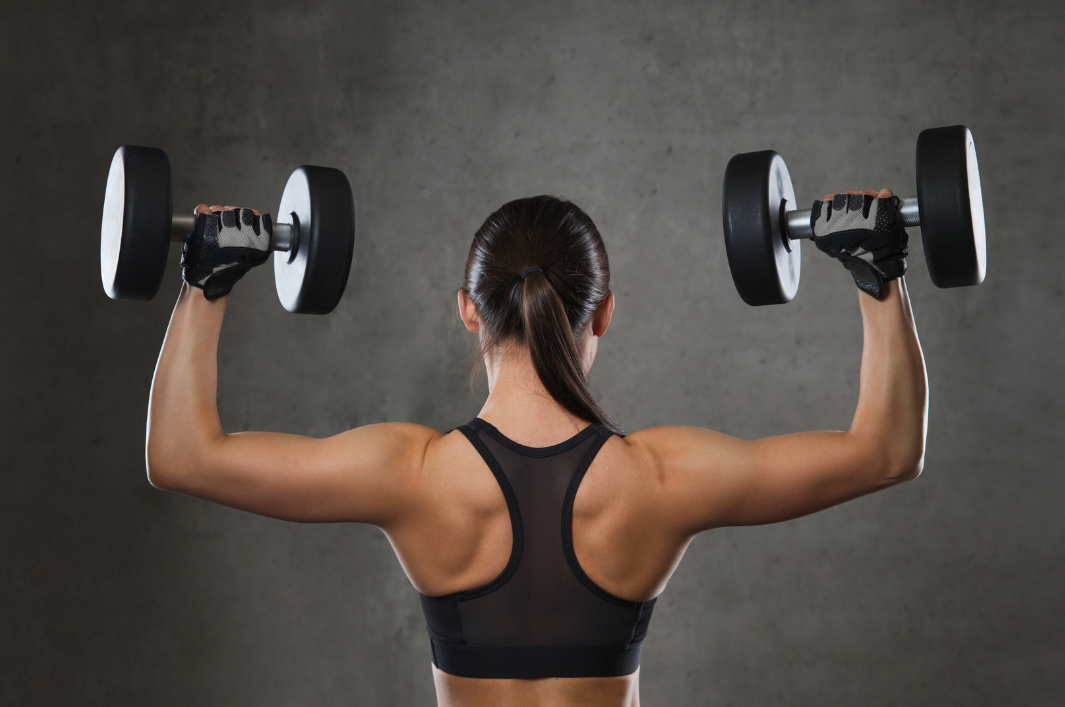
Creatine is trending, but most of the research isn’t on women, especially those on a plant-based diet. See what it actually does, what the research says, and whether you really need it for performance, recovery, or muscle support.
Creatine is everywhere right now — on social media, at your gym, and maybe even in your group chat. But if you’re a woman—especially a plant-based athlete—most of the advice you hear isn’t actually designed for you.
This is because the majority of research on creatine has been done on men. However, the recommendations are often broadly applied, without much nuance for women’s physiology or dietary patterns. So the real question is: do female athletes really need plant-based creatine, or is it just another over-the-top supplement?
Let’s break it down.
What Creatine Really Does in Your Body
Creatine is a natural compound that your body already produces from amino acids, the building blocks of protein. It is stored in your muscles as phosphocreatine, where it plays a key role in energy production.
Without getting too technical, creatine helps your body regenerate ATP—your body’s quick, immediate source of energy. This is the kind of energy you rely on for short bursts of effort like sprinting, lifting weights, or pushing hard at the end of a run.
So while creatine doesn’t directly fuel your long, steady runs, it does support the moments that require strength, speed and intensity.
Because this matters most to plant-based athletes
Your body makes creatine on its own, but you also get it through your diet—especially from animal foods like meat and fish. Creatine is not found in plant-based foods, which means that if you’re following a vegetarian or vegan diet, you’re probably starting with lower baseline levels.
This does not mean you are deficient or unable to perform well. Your body is still making creatine. However, research shows that vegetarians and vegans tend to have lower stored levels, which may make them more responsive to supplementation if they choose to use it.
This is one of the main reasons why creatine often comes up in plant-based performance discussions.
What the research says about performance
Creatine is one of the most well-researched supplements available, and evidence consistently shows benefits in strength, power, and high-intensity performance.
In practical terms, this means it can help you perform better during strength training, speed training or high-intensity intervals. It can also support recovery between efforts, allowing you to maintain performance across sets or workouts.
For endurance athletes, the benefits are a little more indirect. Creatine won’t necessarily make you faster over long distances, but it can support sprint finishes, hill efforts, and muscle maintenance during heavy training sessions.
This is especially important for women, as maintaining muscle mass is important not only for performance, but also for long-term health – particularly as muscle naturally declines with age.
The research gap for women
This is where things get a little more complicated.
Women are historically underrepresented in sports nutrition research, and creatine is no exception. Much of what we know about its effects on strength and performance comes from studies done on men.
That said, the research we have suggests that women respond similarly to creatine supplementation, seeing improvements in strength and performance. There is also emerging research exploring how creatine can support women at different stages of life, including menopause, where muscle and cognitive health become even more important.
However, this is an area where more research is needed for women, especially when it comes to optimizing recommendations.
What about mood and brain health?
You may have seen claims that creatine can help with mood, anxiety or even depression. This idea comes from the fact that creatine also plays a role in brain energy metabolism, not just muscle function.
There is some early research—particularly in women—that suggests creatine may have a positive effect on mood when used alongside other treatments. But it’s important to put this in context. These studies are small, and creatine is usually not used alone, but in combination with treatments such as medication or cognitive behavioral therapy.
So while the findings are interesting and worth watching, they are not strong enough to recommend creatine specifically for mental health support.
How to take creatine (if you choose it)
If you decide to try creatine, the approach is simple. Most recommendations suggest a daily dose of 3 to 5 grams.
You may hear about a ‘loading phase’, where you take a higher dose for a short period of time, but this is not necessary. Taking a consistent daily dose will get you to the same place over time.
Time is also not particularly important. Some people take it after a workout, others mix it into a smoothie or water whenever it fits into their routine. What matters most is consistency.
An important factor is the quality of the supplements. Because supplements aren’t strictly regulated, it’s a good idea to look for products that have been tested by a third party—such as those certified by NSF for Sport—to make sure you’re actually getting what’s on the label.
Do you really need creatine?
This is the part that most people skip, but it matters the most.
Creatine is not necessary.
You can perform perfectly well, gain strength and recover effectively without it. No supplement will replace a solid foundation of good nutrition, smart training and adequate recovery.
That said, creatine can be helpful in some cases. If you do a lot of strength training or high-intensity training, if you want to build or maintain muscle, or if you’re following a plant-based diet and starting with lower creatine stores, it may provide some benefit.
The best way to think of it is as a “nice to have” rather than a must.
The bottom line
If you’ve been seeing creatine all over your feed and wondering if you’re missing out, the answer is probably not substantially.
It’s one of the few supplements with strong research behind it, and it can offer performance benefits—especially for plant-based athletes. But it is not the foundation of your progress.
Your daily diet, training schedule and consistency will always matter more.
And if you’re not sure how supplements like creatine fit into your routine, that’s exactly what I help athletes figure out—so you can focus less on the noise and more on what really works.
