


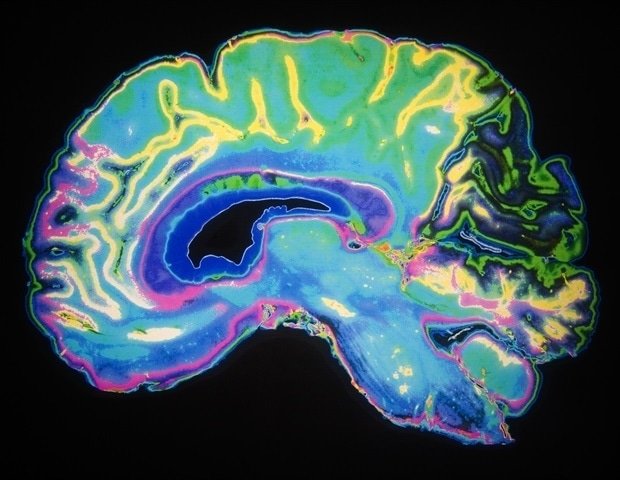
A new study led by a team from the University of Ottawa takes a major step forward in understanding how a heart attack can dramatically reshape brain function and trigger neurological effects, from depression and anxiety to different types of cognitive decline.
This concept of a “heart-brain axis” suggests that neurological conditions after a heart attack could be due in part to molecular changes set in motion by damage to the heart. While there are many factors and signaling pathways involved in heart-brain interactions, this newly published research suggests that a toxic byproduct produced by the body plays an important role in the brain after a heart attack.
Brain inflammation after heart attacks
At the heart of the discovery is methylglyoxal (MG), a highly reactive molecule, which is released into the bloodstream and accumulates in the brain after a heart attack. After a heart attack, the body enters a state of stress—oxygen drops, inflammation increases, metabolism shifts, causing MG levels to rise in the bloodstream and then accumulate in the brain in specific areas of the brain linked to mood and cognition.
The incidence of depression and anxiety in heart attack patients is up to three times higher than in the general population, with patients suffering from depression or anxiety up to 2.7 times more likely to have another heart attack or die.
Charting new territory in the brain-heart connection
Published in the journal Advanced Sciences, this finding could potentially transform recovery and long-term outcomes for millions, as it reshapes how scientists understand long-term risks after a heart attack and explains why emotional and cognitive disturbances are so common after cardiac events.
Methylglyoxal has been widely studied for its role in metabolic diseases, including diabetes, but much less is known about its function in other diseases. “In a previous study, we discovered that methylglyoxal was produced by dead heart tissue after a heart attack (…) based on this evidence, we predicted that methylglyoxal in the blood would target other organs and tissues, including the brain – and that’s what we actually observed.”
Dr. Erik Suuronen, senior author, Full Professor in the Department of Surgery, School of Medicine, scientist in the Department of Cardiac Surgery and director of the BEaTs Research Program at the University of Ottawa Heart Institute
Moving from discovery to treatment
The team’s findings raise important questions about neurodegenerative diseases, as chronic inflammation and cellular damage in the brain are key drivers of cognitive conditions such as dementia. By identifying methylglyoxal as a trigger, this research suggests a new pathway through which heart attacks could increase long-term neurological risk. Having identified methylglyoxal as a potential target for the treatment of neurological disorders after heart attack, the next step is to investigate how MG-induced inflammation leads to neuronal death and mental health conditions.
Importantly, the research team has already developed a peptide therapeutic that can trap methylglyoxal and prevent it from damaging cells. “This treatment will soon be tested to see if it can protect the brain from damage after a heart attack,” says Dr. Suuronen, who believes that if successful, such treatments could do more than protect brain function. could potentially reduce the risk of future heart events.
“Given the increased risk of subsequent heart attacks or death in heart attack patients who experience depression or anxiety, the ability to alleviate these conditions could reduce subsequent major cardiac events and improve the lives of countless patients, filling an urgent unmet clinical need,” adds Dr. Suuronen.
