


Close Menu
Healthtost
  • News
  • Mental Health
  • Men’s Health
  • Women’s Health
  • Skin Care
  • Sexual Health
  • Pregnancy
  • Nutrition
  • Fitness
  • Recommended Essentials
What's Hot

ExiVex reports human pharmacokinetic data showing that intranasal naloxone EMRX-101 approaches peak plasma concentrations similar to IV with a significantly faster Tmax than the currently approved comparator

May 15, 2026

Are you caught in the cycle of chronic pain? How does Thera…

May 15, 2026

Night Serum: What to use for best results overnight

May 15, 2026
Facebook X (Twitter) Instagram
  • About Us
  • Contact Us
  • Privacy Policy
  • Terms and Conditions
  • Disclaimer
Facebook X (Twitter) Instagram
Healthtost
SUBSCRIBE
  • News

    ExiVex reports human pharmacokinetic data showing that intranasal naloxone EMRX-101 approaches peak plasma concentrations similar to IV with a significantly faster Tmax than the currently approved comparator

    May 15, 2026

    Perioperative medicine is emerging as a system-wide strategy for better surgical outcomes

    May 14, 2026

    Regular arts and physical activity are associated with slow aging

    May 14, 2026

    The study links obesity with less pleasurable feelings during physical activity

    May 13, 2026

    Study challenges structural explanation for bowel symptoms in hEDS patients

    May 13, 2026
  • Mental Health

    Are you caught in the cycle of chronic pain? How does Thera…

    May 15, 2026

    Why Menopause Matters in Substance Use Disorder Prevention, Treatment, and Recovery

    May 14, 2026

    because you might be right to leave a party without saying goodbye

    May 14, 2026

    Are antidepressants dangerous? The truth about violence, overuse and fear

    May 11, 2026

    Feel like a fraud? Understanding Imp…

    May 10, 2026
  • Men’s Health

    10 Best Bodyweight Movements for Strength and Muscle

    May 14, 2026

    Two leading cardiac risk tools pass a major global test

    May 12, 2026

    Beyond symptoms: Into the push to finally change the effects of cerebral palsy

    May 12, 2026

    Mix up your workout with Myo-Reps

    May 11, 2026

    The Future of the USA: Why Empires End After 250 Years and What We Should Do Now

    May 11, 2026
  • Women’s Health

    Minoxidil 5%: A proven solution for hair regeneration

    May 14, 2026

    Postpartum sexuality research reveals common ‘desire gap’

    May 13, 2026

    Paula Poundstone on the healing power of humor

    May 12, 2026

    What is SPF? A guide to Indian skin

    May 10, 2026

    Eat Your Way to a Stronger Heart: The Essential Guide to Healthy Eating

    May 9, 2026
  • Skin Care

    Night Serum: What to use for best results overnight

    May 15, 2026

    7 Anti-Aging Foods That Slow Aging and Make You Look Younger

    May 14, 2026

    Benefits, uses and how to get glowing skin naturally – The natural wash

    May 14, 2026

    How to protect your skin from the sun – Tropic Skincare

    May 13, 2026

    The best allergen-free makeup for sensitive skin

    May 9, 2026
  • Sexual Health

    Are the symptoms of gonorrhea different in men and women?

    May 15, 2026

    How to choose the right program — Sexual Health Alliance

    May 14, 2026

    How to increase nitric oxide and without sexual health benefits

    May 12, 2026

    2026 Mother’s Day Gift Guide: Pleasure & Wellness

    May 11, 2026

    Fildena The best time for optimal results

    May 9, 2026
  • Pregnancy

    What your strange pregnancy cravings are trying to tell you

    May 14, 2026

    Doctor Birth Story with Dr. Manisha Ghimire

    May 11, 2026

    What they are, how they work and why parents love them

    May 11, 2026

    Folic acid before pregnancy may help reduce the risk of birth defects for women taking epilepsy drugs

    May 10, 2026

    What to eat & avoid

    May 9, 2026
  • Nutrition

    Menstrual Nutrition: The right way to eat for your period

    May 14, 2026

    How we eat vs. How we think we eat

    May 13, 2026

    Because stress shows up in your gut

    May 12, 2026

    Why Weight Loss Isn’t The Key To Better Health (And What Is)

    May 11, 2026

    The best supplements for fatty liver disease

    May 9, 2026
  • Fitness

    In Ozempic or Wegovy? Here’s the one thing you can’t miss.

    May 14, 2026

    Danger Coffee Review: Worth the Hype? My honest opinion

    May 12, 2026

    It happened again. | Nerd Fitness

    May 12, 2026

    5 Top Dental Health Tips for Preschoolers

    May 11, 2026

    The best Mother’s Day ideas to create lasting memories together

    May 11, 2026
  • Recommended Essentials
Healthtost
Home»Mental Health»Are you caught in the cycle of chronic pain? How does Thera…
Mental Health

Are you caught in the cycle of chronic pain? How does Thera…

healthtostBy healthtostMay 15, 2026No Comments8 Mins Read
Facebook Twitter Pinterest LinkedIn Tumblr Reddit WhatsApp Email
Are You Caught In The Cycle Of Chronic Pain? How
Share
Facebook Twitter LinkedIn Pinterest WhatsApp Email

A chronic pain cycle can begin when actual physical pain disrupts daily life and then slowly shapes how a person thinks, feels, moves, rests, and connects with others. Pain rarely stays only in the body. over time, it can become part of an emotional and behavioral pattern that deserves compassionate support.

Chronic pain cycle
Pain management
Mind-body connection
Treatment support

Basic information: The cycle of chronic pain does not mean that the pain is imagined. It describes how physical pain, nervous system sensitivity, fear, avoidance, sadness, and anxiety can influence each other over time.

In his consulting work, Bryan Van Vranken, MA, MBA, RMHCI, often encounters people living with chronic pain after surgery, injury, cancer treatment, nerve-related conditions, repetitive physical strain, or chronically complex medical symptoms. Every story is different. However, many people describe a similar pattern: pain interrupts life, anxiety grows around the pain, and anxiety begins to make everyday life shorter.

What does the chronic pain cycle look like?

The chronic pain cycle often begins with pain that makes ordinary tasks unpredictable. A person may wonder, “Will this get worse?” or “What if I can’t do what I did?” These questions are understandable. Pain can affect work, sleep, relationships, movement, independence and identity.

From there, many people start to pull back. They may avoid certain movements, activities, errands, social plans or responsibilities. Sometimes avoidance is protective and wise. Other times, it increases because the pain feels uncertain, overwhelming, or difficult to explain to others.

A common cycle of chronic pain

Pain → anxiety → avoidance → reduced activity → sadness, anxiety or hopelessness → pain is more severe.

Over time, reduced activity can lead to loss. One may mourn the life they had before the pain, the version of themselves they felt more capable of, or the ease they once had in their body. This grief can add emotional weight. Emotional burden can increase tension, anxiety and isolation, which can make the pain experience feel even more difficult.

Because emotions don’t make pain imaginary

One of the most important points is simple: the cycle of chronic pain doesn’t mean the pain isn’t real. Chronic pain is a real health concern. A The NCBI shelf overview describes pain as both a sensory and an emotional experiencewhich explains why chronic pain can affect mood, relationships, movement and daily life.

Body and mind are deeply connected. When pain persists, the nervous system can become more sensitive. Stress can increase muscle tension and alertness. Thoughts can turn to worst case scenarios. THE The American Psychological Association describes how chronic stress can affect multiple body systemsincluding muscle tension, mood and daily functioning.

This is not “all in your head”. It is a whole person experience. GoodTherapy has explored this connection in The Mind-Body Connection in Chronic Pain and articles on how physical health and mental health can influence each other.

A compassionate reframe

Instead of asking, “Why can’t I get over this?” Try, “What is my body protecting me from and what kind of support would help me respond with more stability?”

The emotional side of chronic pain

The emotional side of chronic pain often goes unsaid. Some people feel frustrated because their bodies no longer respond the way they used to. Others feel isolated because friends, family, colleagues or clinicians may not fully understand what they are living with. Some have constant worry about worsening symptoms.

There can also be sadness. Grief over lost routines. Grief for independence. Sadness about hobbies, work roles, intimacy, sleep, or simple activities that once felt automatic. These reactions are deeply human, not signs of weakness.

According to a 2024 CDC National Center for Health Statistics Data Summary24.3 percent of US adults reported chronic pain in 2023, and 8.5 percent reported high-impact chronic pain that often limited life or work activities. Chronic pain is common, but the loneliness around it can still feel intensely personal.

Support is allowed

If pain is affecting your mood, relationships, sleep, or sense of self, a therapist can help you work with the emotional layer without dismissing the physical. You can search GoodTherapy for a therapist that fits your needs.
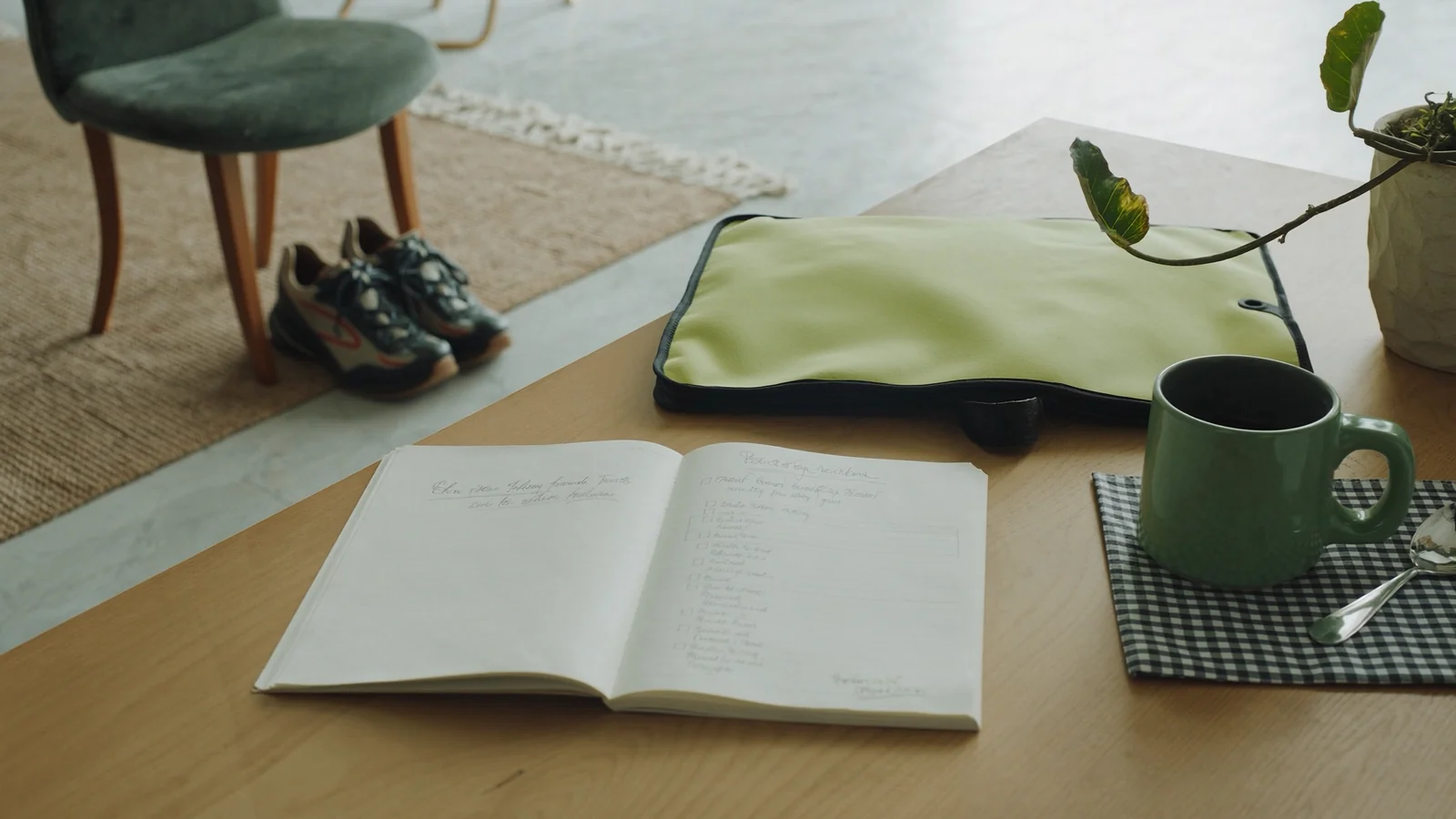
Pain diary, heating pad, walking shoes and tea showing chronic pain cycle pacing tools

How therapy can help the cycle of chronic pain

The treatment is not a substitute for medical care and does not promise to eliminate pain. His role is different. Therapy can help reduce the additional layer of pain that builds up around the pain: fear, shame, isolation, hopelessness, all-or-nothing thinking, and the feeling that life is limited to symptoms alone.

In therapy, people often begin by understanding their own chronic pain cycle. From there, they can make small, realistic changes that support long-term well-being.

Focus on healingHow it can help
Thinking patternsNotice and gently challenge thoughts that increase fear, helplessness, or self-blame.
Kinetic fearReduce avoidance in gradual, supported ways that respect medical boundaries.
Meaningful activitiesRestore valuable routines at a manageable pace instead of waiting for a perfect pain-free day.
Explosive designBuild coping tools for tough days so that setbacks feel less scary and isolating.
Support of the nervous systemPractice calming skills, pacing, awareness, or value-based choices that help the body feel less constantly on alert.

Research on psychological and mind-body approaches varies by condition and person, but some approaches have evidence of helping people cope with chronic pain. THE National Center for Complementary and Integrative Health summarizes evidence on mind-body approaches to chronic painincluding relaxation, mindfulness and multidisciplinary care. GoodTherapy has also covered pain reprocessing therapy and chronic pain as an emerging approach for some people.

Small shifts that can make the pain feel less consuming

Substantial change is rarely immediate or perfectly linear. However, small shifts can matter. Some people begin to feel less controlled by pain when they rebuild a sense of choice in the day. Others reconnect with activities they had avoided, even in modified ways. The pain may still be present, but it no longer defines each moment.

Try this now: the one-step pacing control

  1. Choose an activity that is meaningful, but difficult right now.
  2. Name the smallest version that still counts.
  3. Decide what support, rest, or modification would make it more realistic.
  4. Then note what helped, what hurt, and what you would adjust next time.

A useful question is not always, “Why is this happening to me?” This question is understandable, but it can keep a person circling the same painful place. Another question can create more space: “How can I answer this in a way that supports me?”

This is not passive acceptance. It is a flexible, compassionate response that can create space for engagement, connection and meaning alongside the reality of suffering.

Frequently Asked Questions

Frequently asked questions about the chronic pain cycle, emotions and treatment support.

Q: What is the chronic pain cycle? +

A: The chronic pain cycle describes how pain, distress, avoidance, reduced activity, difficult emotions, and nervous system sensitivity can reinforce each other over time. It is a way to understand patterns, not a judgment of the person experiencing pain.

Q: Does the treatment mean my chronic pain is all in my head? +

A: No. Treatment for chronic pain does not mean that the pain is imaginary. It can help with the thoughts, feelings, behaviors, relationships, and stress responses that often develop around actual physical pain.

Q: Can emotions make chronic pain worse? +

A: Emotions can influence the experience of pain by influencing stress, muscle tension, attention, sleep, coping, and activity patterns. That doesn’t make the pain any less real. it reflects how closely the body and mind are connected.

Q: What kind of treatment can help with chronic pain? +

A: Approaches may include cognitive behavioral therapy, acceptance and commitment therapy, mindfulness-based work, person-centered therapy, pain psychology, or trauma-informed support. The right fit depends on the individual, the situation and the goals of care.

Q: When should I seek support for chronic pain? +

A: Consider support when pain affects mood, relationships, sleep, movement, work, identity or hope. A therapist can work alongside medical care to help you deal with the emotional and daily effects of pain.

You don’t have to carry chronic pain alone

Therapy can help you understand the cycle of chronic pain, reduce emotional distress, and rebuild more stable ways of moving about in daily life.

Bryan Van Vranken, Registered Mental Health Counselor Practitioner

About the author

Brian Van Vranken

MA, MBA, Registered Mental Health Practitioner in St. Petersburg, Florida

Bryan Van Vranken works with adults navigating chronic pain and illness, anxiety, depression, life transitions, stress and injury recovery. His approach incorporates person-centered therapy, cognitive behavioral therapy, mindfulness, and practical coping strategies.

Check out Bryan Van Vranken’s GoodTherapy profile

The previous article was written exclusively by the author listed above. Any views and opinions expressed are not necessarily shared by GoodTherapy.org. Questions or concerns about the previous article can be directed to the author or posted as a comment below.

Caught Chronic Cycle Pain Thera..
bhanuprakash.cg
healthtost
  • Website

Related Posts

Why Menopause Matters in Substance Use Disorder Prevention, Treatment, and Recovery

May 14, 2026

because you might be right to leave a party without saying goodbye

May 14, 2026

Are antidepressants dangerous? The truth about violence, overuse and fear

May 11, 2026

Leave A Reply Cancel Reply

Don't Miss
News

ExiVex reports human pharmacokinetic data showing that intranasal naloxone EMRX-101 approaches peak plasma concentrations similar to IV with a significantly faster Tmax than the currently approved comparator

By healthtostMay 15, 20260

ExiVex Biopharma (formerly EmerRx Biopharma), a clinical-stage pharmaceutical company developing a proprietary dual-chamber intranasal drug…

Are you caught in the cycle of chronic pain? How does Thera…

May 15, 2026

Night Serum: What to use for best results overnight

May 15, 2026

Are the symptoms of gonorrhea different in men and women?

May 15, 2026
Stay In Touch
  • Facebook
  • Twitter
  • Pinterest
  • Instagram
  • YouTube
  • Vimeo
TAGS
Baby benefits body brain cancer care Day Diet disease exercise finds Fitness food Guide health healthy heart Improve Life Loss Men mental Natural Nutrition Patients Pregnancy research reveals risk routine sex sexual Skin Skincare study Therapy Tips Top Training Treatment Understanding ways weight women Workout
About Us
About Us

Welcome to HealthTost, your trusted source for breaking health news, expert insights, and wellness inspiration. At HealthTost, we are committed to delivering accurate, timely, and empowering information to help you make informed decisions about your health and well-being.

Latest Articles

ExiVex reports human pharmacokinetic data showing that intranasal naloxone EMRX-101 approaches peak plasma concentrations similar to IV with a significantly faster Tmax than the currently approved comparator

May 15, 2026

Are you caught in the cycle of chronic pain? How does Thera…

May 15, 2026

Night Serum: What to use for best results overnight

May 15, 2026
New Comments
    Facebook X (Twitter) Instagram Pinterest
    • About Us
    • Contact Us
    • Privacy Policy
    • Terms and Conditions
    • Disclaimer
    © 2026 HealthTost. All Rights Reserved.

    Type above and press Enter to search. Press Esc to cancel.