

Close Menu
Healthtost
  • News
  • Mental Health
  • Men’s Health
  • Women’s Health
  • Skin Care
  • Sexual Health
  • Pregnancy
  • Nutrition
  • Fitness
  • Recommended Essentials
What's Hot

How I Did It: Fading Hormonal Hyperpigmentation Without Lasers

May 3, 2026

Early signs of Peyronie’s disease and when to seek help

May 3, 2026

A cancer-causing contaminant in drugs and meat

May 3, 2026
Facebook X (Twitter) Instagram
  • About Us
  • Contact Us
  • Privacy Policy
  • Terms and Conditions
  • Disclaimer
Facebook X (Twitter) Instagram
Healthtost
SUBSCRIBE
  • News

    Five-target drug beats GLP-1/GIP therapy in obese diabetic mice

    May 3, 2026

    How fast your face ages can predict cancer survival outcomes

    May 2, 2026

    AI scribes save doctors time, but fail to reduce overtime

    May 2, 2026

    Identifying the ages at which Alzheimer’s biomarkers change sharply

    May 1, 2026

    Timing of food may shape how T cells respond to infection and therapy

    May 1, 2026
  • Mental Health

    Every mental health journey starts with being seen

    May 2, 2026

    What animal studies teach us about toxic work environments

    April 27, 2026

    I hate hope: How to manage hope when you have treatment-resistant bipolar disorder

    April 19, 2026

    Rose Byrne is raw, magnetic and unfiltered as a woman in crisis

    April 18, 2026

    Can a single mother change her child’s surname in India?

    April 16, 2026
  • Men’s Health

    3 Day Home Workout Plan: Build Muscle and Burn Fat

    April 30, 2026

    GLP-1 drugs promise broader health benefits, but experts advise caution on use

    April 28, 2026

    Trauma patients recover faster when medical teams know each other well, new study finds

    April 28, 2026

    I did red light therapy for 3 months so I shouldn’t have

    April 27, 2026

    Sex Secrets for Men Over 40: Surviving Male Menopause

    April 27, 2026
  • Women’s Health

    What is the difference between UVA and UVB rays?

    May 1, 2026

    Are you a fungus fanatic? We unpack the nutritional trend of mushroom mania

    April 29, 2026

    What the Patients’ Bill of Rights Could Mean for Black Women

    April 29, 2026

    Navigating sexual health during and after cancer

    April 28, 2026

    Do tampons break the hymen? Facts, Myths and What You Need to Know – Vuvatech

    April 27, 2026
  • Skin Care

    How I Did It: Fading Hormonal Hyperpigmentation Without Lasers

    May 3, 2026

    The truth about waterless care: What your skin really needs

    May 2, 2026

    What happens to your skin while you sleep? (the science of “Beauty Sle

    May 1, 2026

    Face Peeling Mask Guide: Shine Without Irritation

    April 28, 2026

    Is your moisturizing face mist really drying out your skin?

    April 28, 2026
  • Sexual Health

    Early signs of Peyronie’s disease and when to seek help

    May 3, 2026

    Boost erectile health and confidence

    May 1, 2026

    Judicial Restrictions on Abortion COVID-19 < SRHM

    April 30, 2026

    Can herpes affect fertility?

    April 29, 2026

    The Importance of Personalized Care in Medication Assisted Therapy (MAT) Programs I Novus

    April 28, 2026
  • Pregnancy

    Why is anemia during pregnancy high in Indian women?

    May 2, 2026

    5 things you need for the third trimester

    May 1, 2026

    Eating disorders in pregnancy and breastfeeding: Why “healthy eating” is not always easy

    May 1, 2026

    Comprehensive yoga for pregnancy, birth and beyond

    April 29, 2026

    Midwifery and Life – The postnatal health check New mums don’t know they can ask for

    April 28, 2026
  • Nutrition

    A cancer-causing contaminant in drugs and meat

    May 3, 2026

    How Nutrition Supports Mood, Energy and Gut Health

    May 2, 2026

    How to create a self-care plan when you’re stressed

    May 1, 2026

    I answer the most HOT Questions about Fatty Liver

    April 29, 2026

    Why You’re Not Losing Weight After 35 (Even When You Eat Less)

    April 28, 2026
  • Fitness

    Landmine Training and Why I Love It – Tony Gentilcore

    May 3, 2026

    9 Powerful Fitness Tips for Pear Shaped Bodies

    May 2, 2026

    If you can still do these 7 things at 60, your body is aging better than most

    May 2, 2026

    A Hike Leader’s Must-Have Kit

    April 30, 2026

    Menopausal Hair Loss Solutions: 10 Expert Tips

    April 29, 2026
  • Recommended Essentials
Healthtost
Home»News»New oral insulin delivered via nano-carriers could soon replace injections
News

New oral insulin delivered via nano-carriers could soon replace injections

healthtostBy healthtostJanuary 19, 2024No Comments5 Mins Read
Facebook Twitter Pinterest LinkedIn Tumblr Reddit WhatsApp Email
New Oral Insulin Delivered Via Nano Carriers Could Soon Replace Injections
Share
Facebook Twitter LinkedIn Pinterest WhatsApp Email

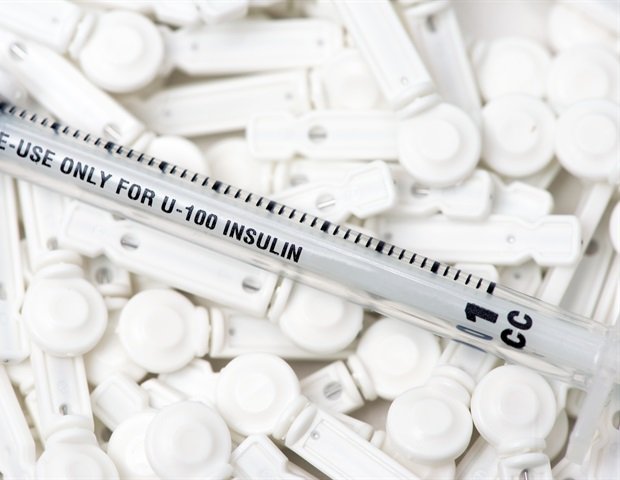
There are approximately 425 million people worldwide with diabetes. About 75 million of them inject insulin daily. Now they may soon have a new alternative to syringes or insulin pumps. Scientists have found a new way to supply the body with smart insulin.

The new insulin can be consumed by taking a capsule or even better, inside a piece of chocolate.

Inside these we find tiny nanocarriers in which insulin is encapsulated. The particles are 1/10,000th the width of a human hair and so small that you can’t even see them under a normal microscope.

This way of taking insulin is more precise because it delivers insulin quickly to the areas of the body that need it most. When you take insulin with a syringe, it spreads throughout the body where it can cause unwanted side effects.”


Professor Peter McCourt at UiT, Norway Arctic University

He is one of the researchers behind the study. The research was recently published in Nature Nanotechnology.

It is delivered to the liver

Researchers at the University of Sydney and the Sydney Local Health District, in collaboration with UiT, discovered many years ago that it was possible to transport drugs via nanocarriers to the liver. The method was then further developed in Australia and Europe.

Many medications can be taken by mouth, but until now people had to inject insulin into the body. McCourt explains that the problem with nanocarrier insulin is that it breaks down in the stomach, so it doesn’t get to where it’s needed in the body. This has been a major challenge in developing an oral diabetes drug.

But now researchers have solved this challenge.

“We created a coating to protect insulin from being broken down by stomach acid and digestive enzymes on its way through the digestive system, keeping it safe until it reaches its destination, the liver,” says McCourt, who is a liver biologist. .

The coating is then broken down in the liver by enzymes that are only active when blood sugar levels are high, releasing insulin where it can then act on the liver, muscles and fat to remove sugar from the blood.

“This means that when blood sugar is high, there is a rapid release of insulin, and more importantly, when blood sugar is low, no insulin is released,” says Nicholas J. Hunt at the University of Sydney, who, with with Victoria Cogger, lead the project.

He explains that this is a more practical and patient-friendly method of diabetes management because it significantly reduces the risk of a low blood sugar event, i.e. hypoglycaemia, and allows controlled release of insulin according to the patient’s needs, unlike injections where all the insulin is released in one dose.

Fewer side effects

The new method works similarly to how insulin works in healthy people. The pancreas produces insulin which first passes through the liver where much of it is absorbed and keeps blood sugar levels stable. In the new insulin method, the nanocarrier releases insulin into the liver, where it can be taken up or enter the blood to circulate around the body.

“When you inject insulin under the skin with a syringe, much more goes into muscle and fat tissue than would normally happen if it were released from the pancreas, which can lead to fat storage. It can also lead to hypoglycemia, which can be dangerous for people with diabetes.

With the new method, there will be fewer such side effects.

Plus, you don’t have to stick yourself with a needle, and you can get the medicine you need in a slightly more discreet way. Also, this form of insulin does not need to be refrigerated.

Tested on baboons

Oral insulin has been tested in nematodes, mice and rats. And finally, the drug has now been tested on baboons at the National Baboon Colony in Australia.

“To make oral insulin palatable, we incorporated it into sugar-free chocolate, an approach that was well received,” says Hunt.

He says 20 baboons have taken part in this study. When they took the drug, their blood sugar dropped.

The baboons were normal, healthy baboons, but oral insulin has also been tested in mice and rats that actually have diabetes. The mice and rats did not experience low blood sugar events (hypoglycemia), weight gain, or fatty liver accumulation, overcoming current challenges with injectable and other oral insulins.

What remains now is to test the new method on humans.

Ready to use in 2-3 years

“Human trials will begin in 2025 led by spin out company Endo Axiom Pty Ltd. The clinical trials are conducted in 3 phases; in the phase I trial we will investigate the safety of oral insulin and critically examine the incidence of hypoglycemia in healthy patients and patients with type 1 diabetes. Our team is very excited to see if we can we replicate the effects of the absence of hypoglycemia seen in baboons in humans, as this would be a huge step forward. Experiments follow strict quality requirements and must be carried out in collaboration with doctors to ensure they are safe for test subjects,” says Hunt.

“After this phase I we will know that it is safe for humans and we will investigate how it can replace injections for diabetic patients in phase 2 trials,” says the researcher.

The researchers hope that the new drug may be ready for use by everyone in 2-3 years.

Source:

UiT The University of the Arctic of Norway

Journal Reference:

Hunt, NJ, et al. (2024). Oral nanotherapeutic insulin formulation with reduced hypoglycemic episodes. Nature Nanotechnology. doi.org/10.1038/s41565-023-01565-2.

delivered injections insulin nanocarriers Oral replace
bhanuprakash.cg
healthtost
  • Website

Related Posts

Five-target drug beats GLP-1/GIP therapy in obese diabetic mice

May 3, 2026

How fast your face ages can predict cancer survival outcomes

May 2, 2026

AI scribes save doctors time, but fail to reduce overtime

May 2, 2026

Leave A Reply Cancel Reply

Don't Miss
Skin Care

How I Did It: Fading Hormonal Hyperpigmentation Without Lasers

By healthtostMay 3, 20260

As an esthetician for nearly four decades, I believe the best way to get results…

Early signs of Peyronie’s disease and when to seek help

May 3, 2026

A cancer-causing contaminant in drugs and meat

May 3, 2026

Landmine Training and Why I Love It – Tony Gentilcore

May 3, 2026
Stay In Touch
  • Facebook
  • Twitter
  • Pinterest
  • Instagram
  • YouTube
  • Vimeo
TAGS
Baby benefits body brain cancer care Day Diet disease exercise finds Fitness food Guide health healthy heart Improve Life Loss Men mental Natural Nutrition Patients Pregnancy protein research reveals risk routine sex sexual Skin Skincare study Therapy Tips Top Training Treatment ways weight women Workout
About Us
About Us

Welcome to HealthTost, your trusted source for breaking health news, expert insights, and wellness inspiration. At HealthTost, we are committed to delivering accurate, timely, and empowering information to help you make informed decisions about your health and well-being.

Latest Articles

How I Did It: Fading Hormonal Hyperpigmentation Without Lasers

May 3, 2026

Early signs of Peyronie’s disease and when to seek help

May 3, 2026

A cancer-causing contaminant in drugs and meat

May 3, 2026
New Comments
    Facebook X (Twitter) Instagram Pinterest
    • About Us
    • Contact Us
    • Privacy Policy
    • Terms and Conditions
    • Disclaimer
    © 2026 HealthTost. All Rights Reserved.

    Type above and press Enter to search. Press Esc to cancel.