

Close Menu
Healthtost
  • News
  • Mental Health
  • Men’s Health
  • Women’s Health
  • Skin Care
  • Sexual Health
  • Pregnancy
  • Nutrition
  • Fitness
  • Recommended Essentials
What's Hot

Aging in place takes more than good intentions — It takes smart infrastructure

May 5, 2026

Breaking Barriers, Building Strength: The Maya Nassar Story

May 5, 2026

5 Ways to Improve Heart Health for Men

May 5, 2026
Facebook X (Twitter) Instagram
  • About Us
  • Contact Us
  • Privacy Policy
  • Terms and Conditions
  • Disclaimer
Facebook X (Twitter) Instagram
Healthtost
SUBSCRIBE
  • News

    The use of symptom dimensions may provide more accurate, personalized mental health care

    May 4, 2026

    Randomized controlled trial validates total hip arthroplasty to improve functional capacity

    May 4, 2026

    New genetic risk report reveals hidden risk of heart disease before symptoms appear

    May 3, 2026

    Five-target drug beats GLP-1/GIP therapy in obese diabetic mice

    May 3, 2026

    How fast your face ages can predict cancer survival outcomes

    May 2, 2026
  • Mental Health

    Every mental health journey starts with being seen

    May 2, 2026

    What animal studies teach us about toxic work environments

    April 27, 2026

    I hate hope: How to manage hope when you have treatment-resistant bipolar disorder

    April 19, 2026

    Rose Byrne is raw, magnetic and unfiltered as a woman in crisis

    April 18, 2026

    Can a single mother change her child’s surname in India?

    April 16, 2026
  • Men’s Health

    Aging in place takes more than good intentions — It takes smart infrastructure

    May 5, 2026

    Dr. William O. Brant on male sexual health and the risks and benefits of supplements

    May 4, 2026

    3 Day Home Workout Plan: Build Muscle and Burn Fat

    April 30, 2026

    GLP-1 drugs promise broader health benefits, but experts advise caution on use

    April 28, 2026

    Trauma patients recover faster when medical teams know each other well, new study finds

    April 28, 2026
  • Women’s Health

    Breaking Barriers, Building Strength: The Maya Nassar Story

    May 5, 2026

    How to do a breast self-exam and spot lumps

    May 4, 2026

    Finding the best lupus treatments

    May 3, 2026

    What is the difference between UVA and UVB rays?

    May 1, 2026

    Are you a fungus fanatic? We unpack the nutritional trend of mushroom mania

    April 29, 2026
  • Skin Care

    How I Did It: Fading Hormonal Hyperpigmentation Without Lasers

    May 3, 2026

    The truth about waterless care: What your skin really needs

    May 2, 2026

    What happens to your skin while you sleep? (the science of “Beauty Sle

    May 1, 2026

    Face Peeling Mask Guide: Shine Without Irritation

    April 28, 2026

    Is your moisturizing face mist really drying out your skin?

    April 28, 2026
  • Sexual Health

    5 Ways to Improve Heart Health for Men

    May 5, 2026

    Early signs of Peyronie’s disease and when to seek help

    May 3, 2026

    Boost erectile health and confidence

    May 1, 2026

    Judicial Restrictions on Abortion COVID-19 < SRHM

    April 30, 2026

    Can herpes affect fertility?

    April 29, 2026
  • Pregnancy

    Why is anemia during pregnancy high in Indian women?

    May 2, 2026

    5 things you need for the third trimester

    May 1, 2026

    Eating disorders in pregnancy and breastfeeding: Why “healthy eating” is not always easy

    May 1, 2026

    Comprehensive yoga for pregnancy, birth and beyond

    April 29, 2026

    Midwifery and Life – The postnatal health check New mums don’t know they can ask for

    April 28, 2026
  • Nutrition

    Can magnesium help you lose weight?

    May 4, 2026

    9 Easy Chia Pudding Recipes (+ The Perfect Pudding Ratio) • Kath Eats

    May 4, 2026

    A cancer-causing contaminant in drugs and meat

    May 3, 2026

    How Nutrition Supports Mood, Energy and Gut Health

    May 2, 2026

    How to create a self-care plan when you’re stressed

    May 1, 2026
  • Fitness

    The most underrated skill I wish everyone learned

    May 3, 2026

    Landmine Training and Why I Love It – Tony Gentilcore

    May 3, 2026

    9 Powerful Fitness Tips for Pear Shaped Bodies

    May 2, 2026

    If you can still do these 7 things at 60, your body is aging better than most

    May 2, 2026

    A Hike Leader’s Must-Have Kit

    April 30, 2026
  • Recommended Essentials
Healthtost
Home»News»Modified Japanese diet shows promise to lower blood pressure, study findings
News

Modified Japanese diet shows promise to lower blood pressure, study findings

healthtostBy healthtostApril 16, 2025No Comments4 Mins Read
Facebook Twitter Pinterest LinkedIn Tumblr Reddit WhatsApp Email
Modified Japanese Diet Shows Promise To Lower Blood Pressure, Study
Share
Facebook Twitter LinkedIn Pinterest WhatsApp Email

Can it modify Japan’s virtual diet to defeat hypertension? New research shows that white rice exchange for whole grains and adding vegetables can be the key without losing cultural roots

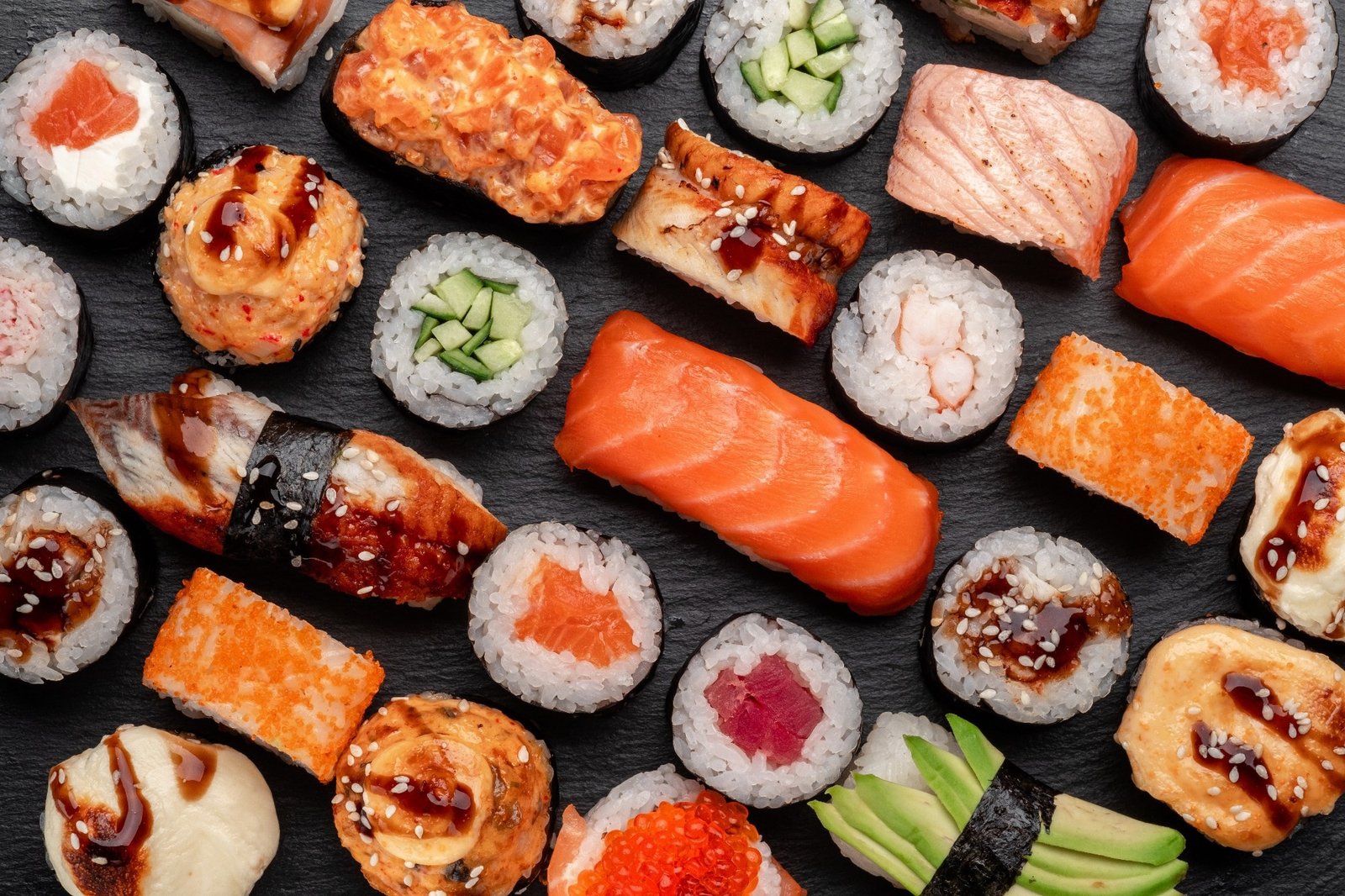
Study: Close attachment to Japanese diet is not related to a high prevalence of hypertension: Japan’s Epidemiology Cooperation in the Vocational Health Study. Credit Picture: Andrei Iakhniuk / Shutterstock

In a recent article published in DietaryThe researchers examined the correlation between modified and traditional dietary patterns in Japan, linking the diet to the prevalence of hypertension to 12,213 Japanese workers.

Their findings show that while traditional Japanese diet is not significantly linked to hypertension, after a modified Japanese diet, which contains more cereals, dairy products, raw vegetables and fruits, it has shown a reinforcement reverse correlation with hypertension.

Background

It is estimated that 1.28 billion adults around the world are affected by hypertension, which contributes significantly to stroke and heart disease. Dietary habits, especially sodium consumption, are closely linked to blood pressure.

This has led to the health authorities such as the International Hypertension Society and the World Health Organization to propose to increase the consumption of vegetables and fruits and reducing salt intake to manage the situation. Global dietary interventions, especially Mediterranean and eating approaches to stop dietary hypertension plans (DASH), are particularly effective, with regional eating habits playing an important role.

Traditional Japanese diet, rich in salty foods and largely based on ingredients such as Miso, Soy, Fish and White Rice, has been linked to increased blood pressure due to high sodium content, despite other positive documented health effects. However, salt intake has been reduced by World War II, with Japan’s dietary landscape shifting to include more western foods such as fruits and dairy products.

For the study

The researchers looked at whether the traditional diet or a healthier, modified Japanese diet was linked to hypertension between Japanese workers. They apply a design of a transverse or observation study to data collected from 2018 to 2020 for the study of Japanese Epidemiology on Professional Health (J-ECOH).

The study included 12,213 employees (88.1% men, average age 42.2) from five companies who completed a lifestyle questionnaire and a health control. People with missing dietary or other variable data and people with a history of cardiovascular disease or cancer have been excluded. Blood pressure was measured during the tests and hypertension was observed if the systolic pressure was greater than 140 mmHg, the diastolic pressure was greater than 90 mmHg or the participant used hypertensive drugs.

Food frequency questionnaires with 28 items were used to evaluate the diet. The researchers used this data to create two dietary scores, based on average consumption for each element, with each element giving one point. Traditional Japanese nutrition rating was based on nine items: green tea, salty food, fish, algae, mushrooms, vegetables, soy products, miso soup and white rice. The modified nutrition rating was based on 11 objects, adding raw vegetables, fruits and dairy products, reversing the savory salty food and replacing white rice with whole grains.

The researchers used a Poisson regression model to examine the prevalence of hypertension in different quarters of dietary adhesion, including variables such as professional factors, physical activity, smoking, alcohol consumption and demographics.

Findings

Based on the data of 12,213 employees, the researchers compared those who followed modified Japanese diets with those with more traditional nutrition standards. Initial analyzes suggest that the highest attachment to both diets was associated with lower rates of hypertension.

However, after confusing variables were included in the model, only the modified diet showed a reinforcing reverse correlation with hypertension (PR for the highest compared to the lower quarter: 0.94, 95% CI 0.87-1.01) and the effect of traditional diet on hypertension became statistically insignificant. Stratigated models showed that this reverse relationship was more intense in those with less than 13 years of training. Among people with a lower body mass index (BMI <23 kg/m²), traditional diet was positively linked to hypertension.

Conclusions

These findings indicate that the modified Japanese diet, which places greater emphasis on potassium -rich foods and lower sodium fiber, could be better for blood pressure control. It can compensate for the effects of sodium by promoting sodium excretion and the improvement of the nutrient balance.

However, the study did not find a clear relationship between hypertension and traditional Japanese diet, possibly due to balance between blood pressure reduction foods (eg vegetables, algae) and salty foods. Changes in dietary habits over the years and the relatively younger age of participants (average 42 years) could explain the weaker sizes of results.

Despite the use of validated tools and a large sample size, the design of transverse section means that researchers cannot complete the cause and result. The self -reported nature of dietary data is another issue, as is the likelihood of unstable variables of confusion. Finally, these findings are not generalized in other groups derived from a primarily population (88.1%) working for large companies.

Thus, while a modernized Japanese diet could help prevent hypertension while maintaining cultural food practices, further studies are needed to confirm these findings.

Magazine report:

  • Close attachment to Japanese diet is not linked to the high prevalence of hypertension: the collaboration of Japan’s epidemiology in the study of professional health. Miyake, H., Nanri, A., Okazaki, H., Miyamoto, Vol. Dietary (2025). DOI: 10.1017/S0007114525000844,
blood Diet findings Japanese Modified pressure promise shows study
bhanuprakash.cg
healthtost
  • Website

Related Posts

The use of symptom dimensions may provide more accurate, personalized mental health care

May 4, 2026

Randomized controlled trial validates total hip arthroplasty to improve functional capacity

May 4, 2026

New genetic risk report reveals hidden risk of heart disease before symptoms appear

May 3, 2026

Leave A Reply Cancel Reply

Don't Miss
Men's Health

Aging in place takes more than good intentions — It takes smart infrastructure

By healthtostMay 5, 20260

By Dr. Frank Knofel Canada is aging faster than our systems are adapting. Almost…

Breaking Barriers, Building Strength: The Maya Nassar Story

May 5, 2026

5 Ways to Improve Heart Health for Men

May 5, 2026

Can magnesium help you lose weight?

May 4, 2026
Stay In Touch
  • Facebook
  • Twitter
  • Pinterest
  • Instagram
  • YouTube
  • Vimeo
TAGS
Baby benefits body brain cancer care Day Diet disease exercise finds Fitness food Guide health healthy heart Improve Life Loss Men mental Natural Nutrition Patients Pregnancy protein research reveals risk routine sex sexual Skin Skincare study Therapy Tips Top Training Treatment ways weight women Workout
About Us
About Us

Welcome to HealthTost, your trusted source for breaking health news, expert insights, and wellness inspiration. At HealthTost, we are committed to delivering accurate, timely, and empowering information to help you make informed decisions about your health and well-being.

Latest Articles

Aging in place takes more than good intentions — It takes smart infrastructure

May 5, 2026

Breaking Barriers, Building Strength: The Maya Nassar Story

May 5, 2026

5 Ways to Improve Heart Health for Men

May 5, 2026
New Comments
    Facebook X (Twitter) Instagram Pinterest
    • About Us
    • Contact Us
    • Privacy Policy
    • Terms and Conditions
    • Disclaimer
    © 2026 HealthTost. All Rights Reserved.

    Type above and press Enter to search. Press Esc to cancel.