

Close Menu
Healthtost
  • News
  • Mental Health
  • Men’s Health
  • Women’s Health
  • Skin Care
  • Sexual Health
  • Pregnancy
  • Nutrition
  • Fitness
  • Recommended Essentials
What's Hot

Aging in place takes more than good intentions — It takes smart infrastructure

May 5, 2026

Breaking Barriers, Building Strength: The Maya Nassar Story

May 5, 2026

5 Ways to Improve Heart Health for Men

May 5, 2026
Facebook X (Twitter) Instagram
  • About Us
  • Contact Us
  • Privacy Policy
  • Terms and Conditions
  • Disclaimer
Facebook X (Twitter) Instagram
Healthtost
SUBSCRIBE
  • News

    The use of symptom dimensions may provide more accurate, personalized mental health care

    May 4, 2026

    Randomized controlled trial validates total hip arthroplasty to improve functional capacity

    May 4, 2026

    New genetic risk report reveals hidden risk of heart disease before symptoms appear

    May 3, 2026

    Five-target drug beats GLP-1/GIP therapy in obese diabetic mice

    May 3, 2026

    How fast your face ages can predict cancer survival outcomes

    May 2, 2026
  • Mental Health

    Every mental health journey starts with being seen

    May 2, 2026

    What animal studies teach us about toxic work environments

    April 27, 2026

    I hate hope: How to manage hope when you have treatment-resistant bipolar disorder

    April 19, 2026

    Rose Byrne is raw, magnetic and unfiltered as a woman in crisis

    April 18, 2026

    Can a single mother change her child’s surname in India?

    April 16, 2026
  • Men’s Health

    Aging in place takes more than good intentions — It takes smart infrastructure

    May 5, 2026

    Dr. William O. Brant on male sexual health and the risks and benefits of supplements

    May 4, 2026

    3 Day Home Workout Plan: Build Muscle and Burn Fat

    April 30, 2026

    GLP-1 drugs promise broader health benefits, but experts advise caution on use

    April 28, 2026

    Trauma patients recover faster when medical teams know each other well, new study finds

    April 28, 2026
  • Women’s Health

    Breaking Barriers, Building Strength: The Maya Nassar Story

    May 5, 2026

    How to do a breast self-exam and spot lumps

    May 4, 2026

    Finding the best lupus treatments

    May 3, 2026

    What is the difference between UVA and UVB rays?

    May 1, 2026

    Are you a fungus fanatic? We unpack the nutritional trend of mushroom mania

    April 29, 2026
  • Skin Care

    How I Did It: Fading Hormonal Hyperpigmentation Without Lasers

    May 3, 2026

    The truth about waterless care: What your skin really needs

    May 2, 2026

    What happens to your skin while you sleep? (the science of “Beauty Sle

    May 1, 2026

    Face Peeling Mask Guide: Shine Without Irritation

    April 28, 2026

    Is your moisturizing face mist really drying out your skin?

    April 28, 2026
  • Sexual Health

    5 Ways to Improve Heart Health for Men

    May 5, 2026

    Early signs of Peyronie’s disease and when to seek help

    May 3, 2026

    Boost erectile health and confidence

    May 1, 2026

    Judicial Restrictions on Abortion COVID-19 < SRHM

    April 30, 2026

    Can herpes affect fertility?

    April 29, 2026
  • Pregnancy

    Why is anemia during pregnancy high in Indian women?

    May 2, 2026

    5 things you need for the third trimester

    May 1, 2026

    Eating disorders in pregnancy and breastfeeding: Why “healthy eating” is not always easy

    May 1, 2026

    Comprehensive yoga for pregnancy, birth and beyond

    April 29, 2026

    Midwifery and Life – The postnatal health check New mums don’t know they can ask for

    April 28, 2026
  • Nutrition

    Can magnesium help you lose weight?

    May 4, 2026

    9 Easy Chia Pudding Recipes (+ The Perfect Pudding Ratio) • Kath Eats

    May 4, 2026

    A cancer-causing contaminant in drugs and meat

    May 3, 2026

    How Nutrition Supports Mood, Energy and Gut Health

    May 2, 2026

    How to create a self-care plan when you’re stressed

    May 1, 2026
  • Fitness

    The most underrated skill I wish everyone learned

    May 3, 2026

    Landmine Training and Why I Love It – Tony Gentilcore

    May 3, 2026

    9 Powerful Fitness Tips for Pear Shaped Bodies

    May 2, 2026

    If you can still do these 7 things at 60, your body is aging better than most

    May 2, 2026

    A Hike Leader’s Must-Have Kit

    April 30, 2026
  • Recommended Essentials
Healthtost
Home»Women's Health»Learn about gene therapy and cell therapy
Women's Health

Learn about gene therapy and cell therapy

healthtostBy healthtostJanuary 19, 2024No Comments5 Mins Read
Facebook Twitter Pinterest LinkedIn Tumblr Reddit WhatsApp Email
Learn About Gene Therapy And Cell Therapy
Share
Facebook Twitter LinkedIn Pinterest WhatsApp Email

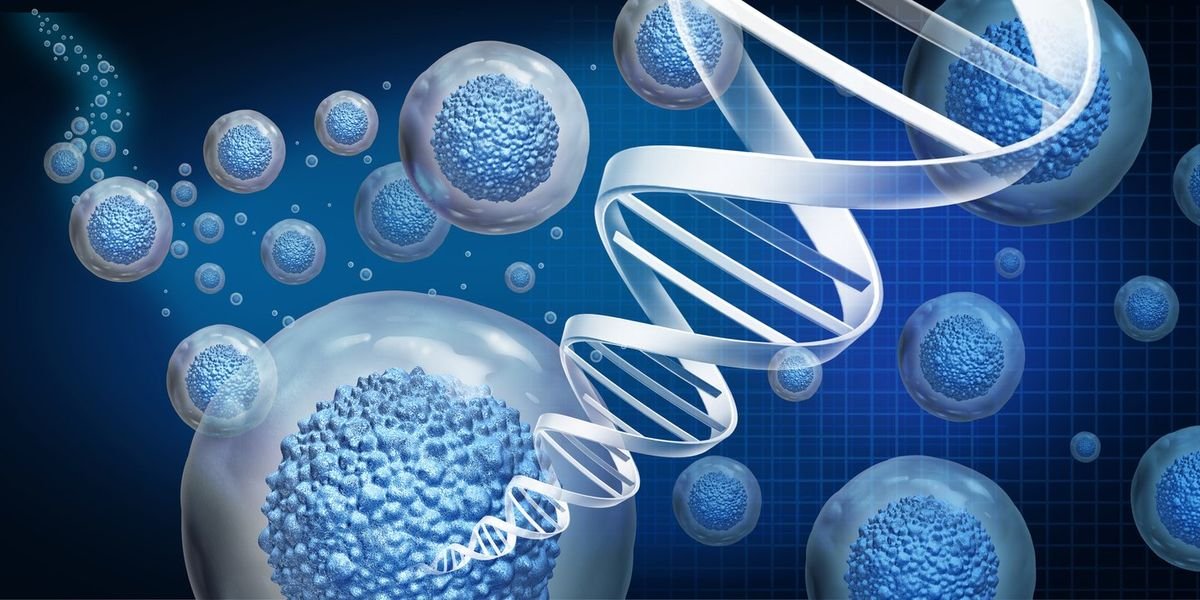
Once the stuff of science fiction, gene and cell therapies are now saving and extending the lives of people with serious and fatal diseases.

These state-of-the-art treatments allow doctors to give patients the chance to make a biological “run”. Cell therapies “reset” patients’ immune systems, while gene therapies change or delete disease-causing genes.

Here’s what you need to know about what cell and gene therapy are and how they work.

What is cell and gene therapy?

Some people think that gene therapy and cell therapy are the same thing, but there are important differences.

With cell therapy, doctors insert new cells of a specific type into your body to repair or replace damaged tissue. Doctors can collect your own cells and then use the treatment to multiply new, healthy cells in the lab before returning them to your body. In other cases, healthy donors provide the new cells. Stem cell transplants (also called bone marrow transplants) are an example of cell therapy.

Gene therapies change the genes inside your cells to treat an inherited or acquired disease. With gene therapy, doctors “fix” a mutated gene (a gene that has changed and no longer works as it should) or replace a mutated gene with a healthy copy by inserting new genetic material into your cells.

How does cell and gene therapy work?

The preparation and administration of cell and gene therapies is a complex and expensive process. And health care providers and other hospital staff must receive extensive training on how to store and handle the cells.

Here is an example of how a treatment – chimeric antigen receptor (CAR) T-cell therapy; — used to treat certain blood cancers. This treatment changes the genes inside your T-cells, a type of immune cell, and trains them to find and kill cancer cells.

Here’s how the process works:

  • Your healthcare provider collects T-cells from your blood.
  • Scientists in the lab add a gene that helps T-cells stick to a specific part of cancer cells.
  • Scientists in the lab grow many copies of the altered cells, which are now called CAR T-cells. This can take several weeks.
  • Your doctor will put CAR T-cells into your bloodstream so they can attack cancer cells.

What diseases can cell therapy treat?

Cell therapies have been successful in treating a variety of conditions and diseases, including:

  • Autoimmune disorders
  • Spinal cord injuries
  • Multiple myeloma
  • Neurological disorders
  • Some forms of leukemia
  • Some forms of lymphoma

What diseases can gene therapy treat?

Currently, FDA-approved gene therapies can be used to treat these and other conditions:

  • RPE65 mutation-associated retinal dystrophy
  • Haemophilia B (congenital factor IX deficiency)
  • Spinal muscular atrophy (SMA)
  • Beta thalassemia
  • Duchenne muscular dystrophy

What are the risks of gene and cell therapy?

Both gene and cell therapies can cause life-threatening side effects, so you will need to be treated at a large medical center where all staff have received special training.

In cell therapy, which restores the immune system, your body will be temporarily unable to fight infections. Your immune system can also increase to dangerous levels. You can get cytokine release syndrome (CRS) when proliferating new cells flood your bloodstream with chemicals called cytokines. CRS can lead to serious breathing and heart problems, along with dangerous fevers, headaches, vomiting and diarrhea.

Other possible side effects of cell therapy include allergic reactions, dangerously low levels of minerals in the blood, and low blood cell counts.

Gene therapy requires the use of a vector, often a virus whose genes have been changed, to deliver the new gene into your cells. Your body may respond to treatment as a threat. If this happens, your immune system can overreact and cause severe inflammation and even organ failure.

It is also possible that the treatment could target the wrong cells, introduce new infection or cause a tumor if the new genes are placed in the wrong place in your DNA.

What are the benefits of gene and cell therapy?

The greatest potential benefit of gene and cell therapy is the opportunity to cure or cure a fatal or serious disease that has limited treatment options. Gene and cell therapies address the underlying cause of the disease at the cellular level. When treatment is successful, these disorders stop getting worse or may even go away completely.

People have approx 20,000 genes, and these genes carry DNA, which tells your cells how to behave. This means that gene therapies create changes at the most basic level of the body. Because of this, gene therapies are usually single-use treatments. Some cell therapies are once-in-a-lifetime treatments, but others may need to be repeated for certain diseases, such as blood cancers.

Gene and cell therapy now and in the future

As of 2017, the FDA has approved it 32 gene and cell therapies, and more endorsements are sure to come in the coming months and years. The American Society for Gene and Cell Therapy (ASGCT) Referencesthat nearly 3,000 gene therapies and cell therapies are in clinical development by 2023. This is in addition to the 850 cell therapies currently in development, ASGCT says.

This is an impressive start to saving and extending lives. Fortunately, research into how gene and cell therapies can treat many other diseases is ongoing, and even more treatments are on the horizon.

This educational resource was created with the support of Bio.

Related articles around the web

cell gene Learn Therapy
bhanuprakash.cg
healthtost
  • Website

Related Posts

Breaking Barriers, Building Strength: The Maya Nassar Story

May 5, 2026

How to do a breast self-exam and spot lumps

May 4, 2026

Finding the best lupus treatments

May 3, 2026

Leave A Reply Cancel Reply

Don't Miss
Men's Health

Aging in place takes more than good intentions — It takes smart infrastructure

By healthtostMay 5, 20260

By Dr. Frank Knofel Canada is aging faster than our systems are adapting. Almost…

Breaking Barriers, Building Strength: The Maya Nassar Story

May 5, 2026

5 Ways to Improve Heart Health for Men

May 5, 2026

Can magnesium help you lose weight?

May 4, 2026
Stay In Touch
  • Facebook
  • Twitter
  • Pinterest
  • Instagram
  • YouTube
  • Vimeo
TAGS
Baby benefits body brain cancer care Day Diet disease exercise finds Fitness food Guide health healthy heart Improve Life Loss Men mental Natural Nutrition Patients Pregnancy protein research reveals risk routine sex sexual Skin Skincare study Therapy Tips Top Training Treatment ways weight women Workout
About Us
About Us

Welcome to HealthTost, your trusted source for breaking health news, expert insights, and wellness inspiration. At HealthTost, we are committed to delivering accurate, timely, and empowering information to help you make informed decisions about your health and well-being.

Latest Articles

Aging in place takes more than good intentions — It takes smart infrastructure

May 5, 2026

Breaking Barriers, Building Strength: The Maya Nassar Story

May 5, 2026

5 Ways to Improve Heart Health for Men

May 5, 2026
New Comments
    Facebook X (Twitter) Instagram Pinterest
    • About Us
    • Contact Us
    • Privacy Policy
    • Terms and Conditions
    • Disclaimer
    © 2026 HealthTost. All Rights Reserved.

    Type above and press Enter to search. Press Esc to cancel.