

Close Menu
Healthtost
  • News
  • Mental Health
  • Men’s Health
  • Women’s Health
  • Skin Care
  • Sexual Health
  • Pregnancy
  • Nutrition
  • Fitness
  • Recommended Essentials
What's Hot

If you can still do these 7 things at 60, your body is aging better than most

May 2, 2026

AI scribes save doctors time, but fail to reduce overtime

May 2, 2026

Every mental health journey starts with being seen

May 2, 2026
Facebook X (Twitter) Instagram
  • About Us
  • Contact Us
  • Privacy Policy
  • Terms and Conditions
  • Disclaimer
Facebook X (Twitter) Instagram
Healthtost
SUBSCRIBE
  • News

    AI scribes save doctors time, but fail to reduce overtime

    May 2, 2026

    Identifying the ages at which Alzheimer’s biomarkers change sharply

    May 1, 2026

    Timing of food may shape how T cells respond to infection and therapy

    May 1, 2026

    UCLA researchers build programmable artificial organs using RNA

    April 30, 2026

    Sapio Sciences brings Claude Cowork to the lab

    April 30, 2026
  • Mental Health

    Every mental health journey starts with being seen

    May 2, 2026

    What animal studies teach us about toxic work environments

    April 27, 2026

    I hate hope: How to manage hope when you have treatment-resistant bipolar disorder

    April 19, 2026

    Rose Byrne is raw, magnetic and unfiltered as a woman in crisis

    April 18, 2026

    Can a single mother change her child’s surname in India?

    April 16, 2026
  • Men’s Health

    3 Day Home Workout Plan: Build Muscle and Burn Fat

    April 30, 2026

    GLP-1 drugs promise broader health benefits, but experts advise caution on use

    April 28, 2026

    Trauma patients recover faster when medical teams know each other well, new study finds

    April 28, 2026

    I did red light therapy for 3 months so I shouldn’t have

    April 27, 2026

    Sex Secrets for Men Over 40: Surviving Male Menopause

    April 27, 2026
  • Women’s Health

    What is the difference between UVA and UVB rays?

    May 1, 2026

    Are you a fungus fanatic? We unpack the nutritional trend of mushroom mania

    April 29, 2026

    What the Patients’ Bill of Rights Could Mean for Black Women

    April 29, 2026

    Navigating sexual health during and after cancer

    April 28, 2026

    Do tampons break the hymen? Facts, Myths and What You Need to Know – Vuvatech

    April 27, 2026
  • Skin Care

    The truth about waterless care: What your skin really needs

    May 2, 2026

    What happens to your skin while you sleep? (the science of “Beauty Sle

    May 1, 2026

    Face Peeling Mask Guide: Shine Without Irritation

    April 28, 2026

    Is your moisturizing face mist really drying out your skin?

    April 28, 2026

    Uses and Benefits of TNW Natural Aloe Vera Face Gel – The Natural Wash

    April 27, 2026
  • Sexual Health

    Boost erectile health and confidence

    May 1, 2026

    Judicial Restrictions on Abortion COVID-19 < SRHM

    April 30, 2026

    Can herpes affect fertility?

    April 29, 2026

    The Importance of Personalized Care in Medication Assisted Therapy (MAT) Programs I Novus

    April 28, 2026

    Your favorite mold is lying to you (a little) — Sexual Health Alliance

    April 28, 2026
  • Pregnancy

    5 things you need for the third trimester

    May 1, 2026

    Eating disorders in pregnancy and breastfeeding: Why “healthy eating” is not always easy

    May 1, 2026

    Comprehensive yoga for pregnancy, birth and beyond

    April 29, 2026

    Midwifery and Life – The postnatal health check New mums don’t know they can ask for

    April 28, 2026

    Epidural and unmedicated delivery with two different deliveries

    April 26, 2026
  • Nutrition

    How to create a self-care plan when you’re stressed

    May 1, 2026

    I answer the most HOT Questions about Fatty Liver

    April 29, 2026

    Why You’re Not Losing Weight After 35 (Even When You Eat Less)

    April 28, 2026

    Where to eat in London

    April 27, 2026

    Dr. Will Cole on Why Hire FDN Professionals

    April 26, 2026
  • Fitness

    If you can still do these 7 things at 60, your body is aging better than most

    May 2, 2026

    A Hike Leader’s Must-Have Kit

    April 30, 2026

    Menopausal Hair Loss Solutions: 10 Expert Tips

    April 29, 2026

    Identity Inversion: Part 1 – Ben Greenfield Life

    April 29, 2026

    How to improve accessibility in your gym

    April 28, 2026
  • Recommended Essentials
Healthtost
Home»Men's Health»GPS training in men’s eating disorders
Men's Health

GPS training in men’s eating disorders

healthtostBy healthtostOctober 14, 2025No Comments6 Mins Read
Facebook Twitter Pinterest LinkedIn Tumblr Reddit WhatsApp Email
Gps Training In Men's Eating Disorders
Share
Facebook Twitter LinkedIn Pinterest WhatsApp Email

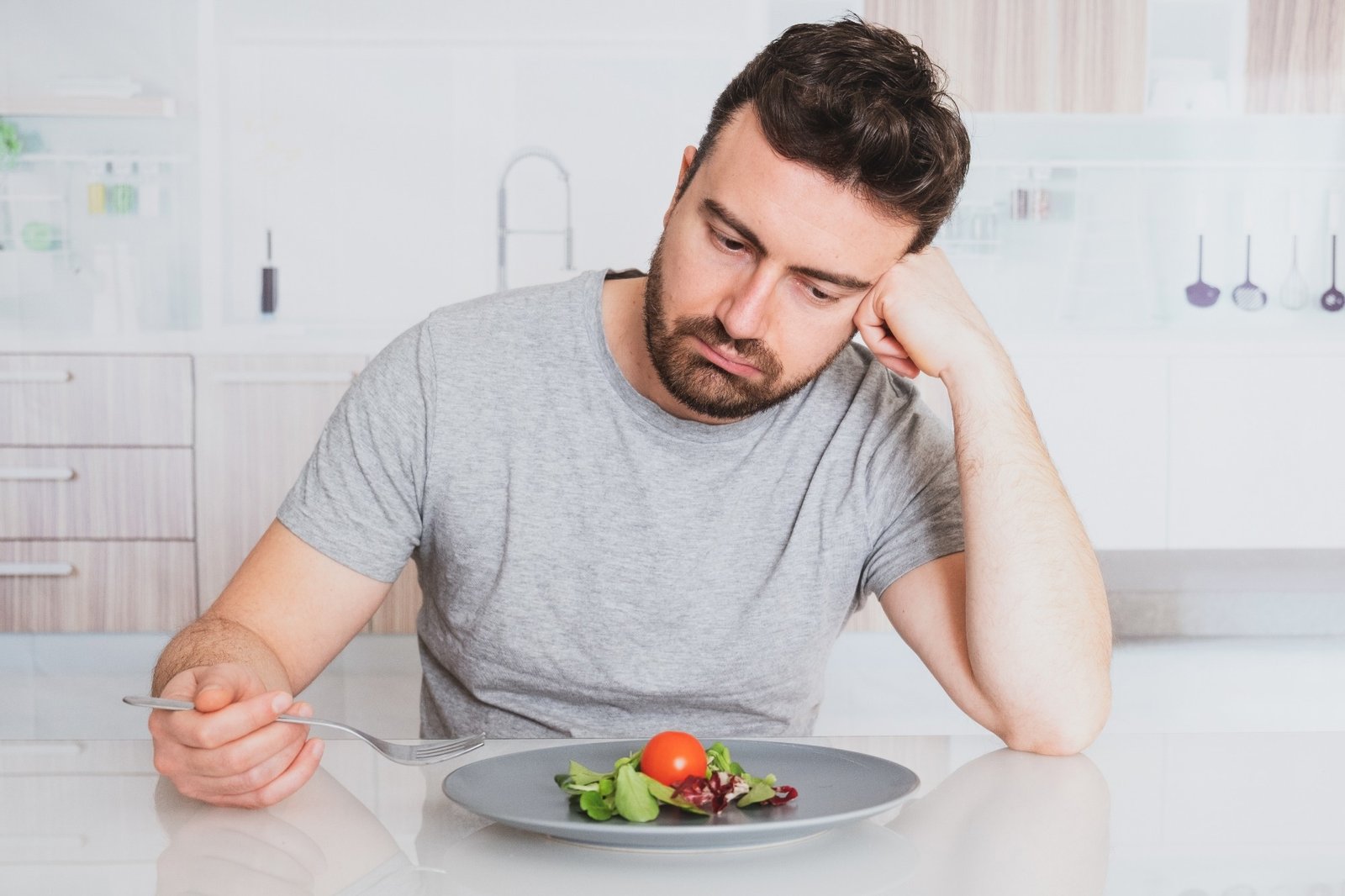
Researchers undertake the myth that eating disorders only affect women by training general doctors to identify symptoms to men and provide better care without stigma.

Study: Intervention against stigmatizing men with eating disorders in Primary Care (Ismesh): Protocol for a randomized mixed method of mixed methods. Credit Picture: F01 Photo/Shutterstock.com

A recent PLOS ONE The study discussed an intervention against men’s stigmatization with eating disorders in primary care (ISMESH) to reduce the stigma against eating disorders (EDS) in men, to realize the sensitization between German generals (GPS).

Eating Disorders in men and stigmatizing

The most common forms of EDS are nervous bulimia, the disorder eating and anorexia nervosa. People with ED report a significantly higher risk of mortality than the general population. The cost of treatment is also significant due to the frequent occurrence in adolescence, the long -term treatment and repetitive patient stays.

Some estimates suggest that men represent one in four cases of ED. However, they remain under -heightened in the research and care of the ED. One important reason for this under -representation could be the stigma associated with EDS, which are widely regarded as “women’s diseases” and are considered to contradict traditional male identity patterns. This self -proclaimed prevents men from revealing ED symptoms and seeking help. Even for medical professionals, the stereotype of ED as “women’s diseases” shapes their views. Therefore, the question of how to deal with stigma and stereotypes among medical professionals about men with EDS remains unresolved.

Study goals and sample selection

This study aims to raise awareness of the issue of EDs among men and to raise GPS awareness of primary care in Germany at the EDS event in men. An intervention in EDS in boys and men for doctors is developing, propagating and evaluated as part of this effort.

The study follows a successive design of mixed methods, including the pre-application catering groups and the discussions of the groups, a randomized audited phase of online training and quality post-implementation interviews. The case is that participation in the intervention will lead to individual reductions in stigmatizing attitudes and increases in knowledge and self-efficacy.

Study participants will be hired at national level, including adult males with live EDS experience, GPS and medical students. Men with a live experience of an ED will participate in the pre-application phase, contributing to the development and improvement of intervention and not the randomization test itself. Participants with live experience of an ED were adult men willing to provide written consensus and had received a current or previous diagnosis of ED. The catering team will include GPS that regularly treats men in their healthcare institution.

Eligible participants will be randomized to a waiting control group (ie, 14-day delay before access to the training internet) or the intervention group (ie, immediate access to self-regulated online training period) in ratio Evaluations. The total duration of training is 45-50 minutes.

The primary results include the cognitive, behavioral, emotional and aspects of the edited mark-related stigma and a series of implementation results based on the results of application, such as acceptance, feasibility, suitability and adoption.

The secondary result will include perceptions associated with the stigma of eds in men. A sample size of 74 participants is necessary to achieve the best results, that is, at least 37 participants per group. The study aims to include an experimental group of about 50 GPS and a control group of another 50 GPS. In addition, about 50 medical students in their clinical training will also complete the training to explore their educational importance. The recruitment and data collection began on July 23, 2024 and are expected to be completed by November 1, 2025. The results are expected by the end of 2025.

Collection, analysis and data monitoring

Participants’ data will be collected nicknames through electronic data download tools. The cognitive aspect of the stigma will be evaluated in terms of deficiencies of knowledge about EDS in men and boys. A modified version of the German original Stigma Scale mind for healthcare providers (OMS-HC) will be used to measure the emotional aspect of the stigma. A customized version of the General Scale of Self-Effectiveness (GSE) will be used to assess the behavioral aspect of the stigma. Basic variables, such as the approval of the gender role, will also be evaluated using the traditional scale of masculinity-tMF (TMF). The data will be collected in socio -demographic characteristics, including age, sexual orientation, sex and others.

The quantitative data management will be addressed using the Moodle Learning management system and JSPSYCH research tools. At the same time, quality data (from interviews and focusing groups) will be transcribed and analyzed using Maxqda. The recordings will be used to collect quality data. Personal and results will be stored separately and evaluated for reliability, completeness, quality and range validation. The quantitative data analyzes will be performed using R and SPSS in two sets: analyzes per protocol and intent for treatment. Quality data will be analyzed thematically following the Braun and Clarke framework (2006).

The study does not include experimental manipulations, so there will be no data monitoring committee. Participants can contact the main researcher at any time and the participation is completely voluntary. Side effects are likely to be addressed on a case -by -case basis in cooperation with the relevant participants and these events will be substantiated in scientific publications.

Conclusions

The Ismesh intervention aims to raise awareness of German primary care in the event and the appearance of EDS to men, to give the necessary skills and to combat stigmatization that EDS is “women’s diseases”.

The main force of this intervention revolves around its integrated nature, aiming for different aspects of stigma. Participants’ participants with live experience guarantees that the intervention is aligned with the requirements of those most affected. With the participation of GPS and medical students, the project also seeks to integrate the awareness and training against sigma at multiple professional levels.

The main restriction of this study is that it will not evaluate the long -term implementation results. In addition, the findings cannot be generalized due to the use of self -reported data and the close focus on the German healthcare system.

Download your PDF copy now!

Disorders Eating GPS Mens Training
bhanuprakash.cg
healthtost
  • Website

Related Posts

Eating disorders in pregnancy and breastfeeding: Why “healthy eating” is not always easy

May 1, 2026

3 Day Home Workout Plan: Build Muscle and Burn Fat

April 30, 2026

GLP-1 drugs promise broader health benefits, but experts advise caution on use

April 28, 2026

Leave A Reply Cancel Reply

Don't Miss
Fitness

If you can still do these 7 things at 60, your body is aging better than most

By healthtostMay 2, 20260

Aging has a way of slowing down your body. It can affect your muscles, strength…

AI scribes save doctors time, but fail to reduce overtime

May 2, 2026

Every mental health journey starts with being seen

May 2, 2026

The truth about waterless care: What your skin really needs

May 2, 2026
Stay In Touch
  • Facebook
  • Twitter
  • Pinterest
  • Instagram
  • YouTube
  • Vimeo
TAGS
Baby benefits body brain cancer care Day Diet disease exercise finds Fitness food Guide health healthy heart Improve Life Loss Men mental Natural Nutrition Patients Pregnancy protein research reveals risk routine sex sexual Skin Skincare study Therapy Tips Top Training Treatment ways weight women Workout
About Us
About Us

Welcome to HealthTost, your trusted source for breaking health news, expert insights, and wellness inspiration. At HealthTost, we are committed to delivering accurate, timely, and empowering information to help you make informed decisions about your health and well-being.

Latest Articles

If you can still do these 7 things at 60, your body is aging better than most

May 2, 2026

AI scribes save doctors time, but fail to reduce overtime

May 2, 2026

Every mental health journey starts with being seen

May 2, 2026
New Comments
    Facebook X (Twitter) Instagram Pinterest
    • About Us
    • Contact Us
    • Privacy Policy
    • Terms and Conditions
    • Disclaimer
    © 2026 HealthTost. All Rights Reserved.

    Type above and press Enter to search. Press Esc to cancel.