

Close Menu
Healthtost
  • News
  • Mental Health
  • Men’s Health
  • Women’s Health
  • Skin Care
  • Sexual Health
  • Pregnancy
  • Nutrition
  • Fitness
  • Recommended Essentials
What's Hot

Finding the best lupus treatments

May 3, 2026

How I Did It: Fading Hormonal Hyperpigmentation Without Lasers

May 3, 2026

Early signs of Peyronie’s disease and when to seek help

May 3, 2026
Facebook X (Twitter) Instagram
  • About Us
  • Contact Us
  • Privacy Policy
  • Terms and Conditions
  • Disclaimer
Facebook X (Twitter) Instagram
Healthtost
SUBSCRIBE
  • News

    Five-target drug beats GLP-1/GIP therapy in obese diabetic mice

    May 3, 2026

    How fast your face ages can predict cancer survival outcomes

    May 2, 2026

    AI scribes save doctors time, but fail to reduce overtime

    May 2, 2026

    Identifying the ages at which Alzheimer’s biomarkers change sharply

    May 1, 2026

    Timing of food may shape how T cells respond to infection and therapy

    May 1, 2026
  • Mental Health

    Every mental health journey starts with being seen

    May 2, 2026

    What animal studies teach us about toxic work environments

    April 27, 2026

    I hate hope: How to manage hope when you have treatment-resistant bipolar disorder

    April 19, 2026

    Rose Byrne is raw, magnetic and unfiltered as a woman in crisis

    April 18, 2026

    Can a single mother change her child’s surname in India?

    April 16, 2026
  • Men’s Health

    3 Day Home Workout Plan: Build Muscle and Burn Fat

    April 30, 2026

    GLP-1 drugs promise broader health benefits, but experts advise caution on use

    April 28, 2026

    Trauma patients recover faster when medical teams know each other well, new study finds

    April 28, 2026

    I did red light therapy for 3 months so I shouldn’t have

    April 27, 2026

    Sex Secrets for Men Over 40: Surviving Male Menopause

    April 27, 2026
  • Women’s Health

    Finding the best lupus treatments

    May 3, 2026

    What is the difference between UVA and UVB rays?

    May 1, 2026

    Are you a fungus fanatic? We unpack the nutritional trend of mushroom mania

    April 29, 2026

    What the Patients’ Bill of Rights Could Mean for Black Women

    April 29, 2026

    Navigating sexual health during and after cancer

    April 28, 2026
  • Skin Care

    How I Did It: Fading Hormonal Hyperpigmentation Without Lasers

    May 3, 2026

    The truth about waterless care: What your skin really needs

    May 2, 2026

    What happens to your skin while you sleep? (the science of “Beauty Sle

    May 1, 2026

    Face Peeling Mask Guide: Shine Without Irritation

    April 28, 2026

    Is your moisturizing face mist really drying out your skin?

    April 28, 2026
  • Sexual Health

    Early signs of Peyronie’s disease and when to seek help

    May 3, 2026

    Boost erectile health and confidence

    May 1, 2026

    Judicial Restrictions on Abortion COVID-19 < SRHM

    April 30, 2026

    Can herpes affect fertility?

    April 29, 2026

    The Importance of Personalized Care in Medication Assisted Therapy (MAT) Programs I Novus

    April 28, 2026
  • Pregnancy

    Why is anemia during pregnancy high in Indian women?

    May 2, 2026

    5 things you need for the third trimester

    May 1, 2026

    Eating disorders in pregnancy and breastfeeding: Why “healthy eating” is not always easy

    May 1, 2026

    Comprehensive yoga for pregnancy, birth and beyond

    April 29, 2026

    Midwifery and Life – The postnatal health check New mums don’t know they can ask for

    April 28, 2026
  • Nutrition

    A cancer-causing contaminant in drugs and meat

    May 3, 2026

    How Nutrition Supports Mood, Energy and Gut Health

    May 2, 2026

    How to create a self-care plan when you’re stressed

    May 1, 2026

    I answer the most HOT Questions about Fatty Liver

    April 29, 2026

    Why You’re Not Losing Weight After 35 (Even When You Eat Less)

    April 28, 2026
  • Fitness

    Landmine Training and Why I Love It – Tony Gentilcore

    May 3, 2026

    9 Powerful Fitness Tips for Pear Shaped Bodies

    May 2, 2026

    If you can still do these 7 things at 60, your body is aging better than most

    May 2, 2026

    A Hike Leader’s Must-Have Kit

    April 30, 2026

    Menopausal Hair Loss Solutions: 10 Expert Tips

    April 29, 2026
  • Recommended Essentials
Healthtost
Home»News»Engineered layers of mesenchymal and endothelial cells effectively mimic native lymph nodes
News

Engineered layers of mesenchymal and endothelial cells effectively mimic native lymph nodes

healthtostBy healthtostJanuary 23, 2026No Comments4 Mins Read
Facebook Twitter Pinterest LinkedIn Tumblr Reddit WhatsApp Email
Engineered Layers Of Mesenchymal And Endothelial Cells Effectively Mimic Native
Share
Facebook Twitter LinkedIn Pinterest WhatsApp Email

The increasing incidence of cancer worldwide has led to an increasing number of surgeries involving lymph node removal. Although these procedures play an important role in staging cancer and preventing the spread of malignancies, they sometimes have serious long-term consequences. Since lymph nodes do not naturally regenerate after they are removed, their absence can lead to a condition known as secondary lymphedema. It manifests as chronic swelling, discomfort and reduced mobility in affected limbs or areas, seriously affecting the patient’s quality of life.

Consequently, an important focus in the field of regenerative medicine is the development of strategies to repair or regenerate damaged lymphatic structures to effectively treat secondary lymphedema. Existing approaches have largely focused on stem cell and lymphoid tissue transplantation. However, these techniques often require complex conditioning protocols and, more importantly, have shown limited efficacy in improving the core clinical symptoms of lymphedema.

In this context, a research team led by Associate Professor Kosuke Kusamori from the School of Pharmaceutical Sciences at Tokyo University of Science (TUS), Japan, is pioneering an innovative technique for lymphatic tissue engineering that could revolutionize the treatment of secondary lymphedema. Their study, published in volume 16 of the journal Nature communications on November 19, 2025, describes a simple protocol for producing engineered lymph tissue that can restore lymph flow after lymph node removal. This work was authored by second year PhD student Mr. Shu Obana, Assistant Professor Shoko Itakura and Professor Makiya Nishikawa, also from TUS.

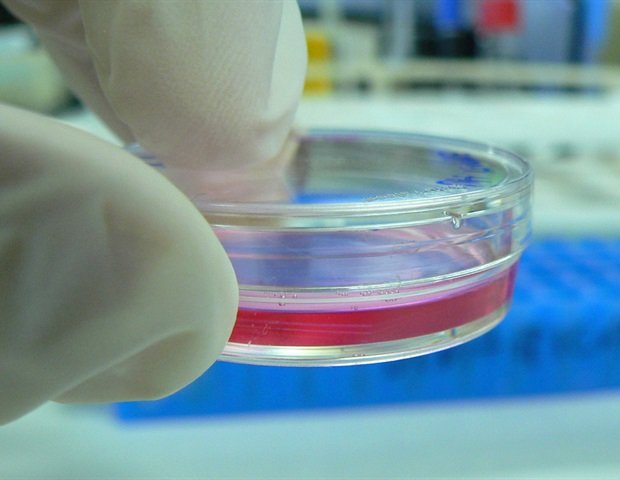
The proposed approach is based on a novel centrifuged cell stacking technique for tissue replacement bioengineering for surgically removed lymph nodes. First, the researchers placed mesenchymal stem cells (MSCs), which are known to support tissue regeneration and provide structural scaffolds, into the wells of a Transwell culture plate. By centrifugation of the whole plate, the MSCs settled uniformly to the bottom of the wells, forming a first layer. The researchers then added lymphatic endothelial cells to the wells, followed by another round of centrifugation to spread them evenly as a second layer. Finally, after a final centrifugation step after MSCs were added again, the result was a three-layer cell structure, which the researchers called centrifuge-based engineered lymph tissue (CeLyT).

Using an animal model of lymphedema, the team regenerated a functional lymph node that showed structural similarity to the native lymph node. They confirmed that transplanting CeLyTs restored lymph flow in mice whose popliteal and inguinal lymph nodes on the right lower limb had been removed. As a result, these mice showed a marked improvement in lymphedema symptoms, with the thickness of their legs and feet returning to normal within weeks. In addition, mice treated with CeLyTs also showed recovery of infiltration capacity and immune cell populations such as T cells and macrophages, and lower adipose tissue accumulation in the affected areas, reaching levels similar to normal mice.

The researchers carefully analyzed the structures formed after CeLyT transplantation to shed light on the observed therapeutic effects. “CeLyTs may initially induce the formation of lymph and blood vessels around the transplant site, leading to the creation of an immature lymph node-like structure formed by the incorporation of host-derived cells into the tissue within several days, followed by its maturation and ability to function as a lymph node within 10 days after transplantation,” explains Dr. Kusamori.

This study marks the world’s first successful regeneration of fully functional lymph nodes via cell transplantation, offering a promising treatment option for patients who develop lymphedema following oncological operations involving lymph node dissection. Economically, a single transplant could provide long-term therapeutic benefits, significantly reducing the cumulative costs associated with repeated hospital visits and long-term use of compression garments. Taken together, these results highlight the powerful therapeutic potential of introducing appropriately engineered tissue into the lymphatic system, surpassing the efficacy of current treatment options for lymphedema.

“Although compression therapy represents the gold standard for the treatment of lymphedema in clinical practice, it usually delays swelling in the legs of mice with lymphedema. In contrast, CeLyTs were more effective in suppressing lymphedema, also showing strong therapeutic effects even in a more severe model of chronic lymphedema,” observes Dr. Kusamori.

In addition, CeLyTs demonstrated greater lymphedema suppressive activity, compared to engineered tissues constructed by other tissue engineering methods.“


Kosuke Kusamori, Associate Professor, School of Pharmaceutical Sciences, Tokyo University of Science

Hopefully CeLyTs will translate into clinical practice!

Source:

Tokyo University of Science

Journal Reference:

Obana, S., et al. (2025) Reconstruction of the lymphatic system by transplantation of a centrifuge-based engineered lymphoid tissue. Nature communications. DOI: 10.1038/s41467-025-65121-3. https://www.nature.com/articles/s41467-025-65121-3.

cells effectively endothelial Engineered layers lymph mesenchymal mimic Native nodes
bhanuprakash.cg
healthtost
  • Website

Related Posts

Five-target drug beats GLP-1/GIP therapy in obese diabetic mice

May 3, 2026

How fast your face ages can predict cancer survival outcomes

May 2, 2026

AI scribes save doctors time, but fail to reduce overtime

May 2, 2026

Leave A Reply Cancel Reply

Don't Miss
Women's Health

Finding the best lupus treatments

By healthtostMay 3, 20260

It’s May Lupus Awareness Month.Did you know that the word “wolf” is Latin for wolf?…

How I Did It: Fading Hormonal Hyperpigmentation Without Lasers

May 3, 2026

Early signs of Peyronie’s disease and when to seek help

May 3, 2026

A cancer-causing contaminant in drugs and meat

May 3, 2026
Stay In Touch
  • Facebook
  • Twitter
  • Pinterest
  • Instagram
  • YouTube
  • Vimeo
TAGS
Baby benefits body brain cancer care Day Diet disease exercise finds Fitness food Guide health healthy heart Improve Life Loss Men mental Natural Nutrition Patients Pregnancy protein research reveals risk routine sex sexual Skin Skincare study Therapy Tips Top Training Treatment ways weight women Workout
About Us
About Us

Welcome to HealthTost, your trusted source for breaking health news, expert insights, and wellness inspiration. At HealthTost, we are committed to delivering accurate, timely, and empowering information to help you make informed decisions about your health and well-being.

Latest Articles

Finding the best lupus treatments

May 3, 2026

How I Did It: Fading Hormonal Hyperpigmentation Without Lasers

May 3, 2026

Early signs of Peyronie’s disease and when to seek help

May 3, 2026
New Comments
    Facebook X (Twitter) Instagram Pinterest
    • About Us
    • Contact Us
    • Privacy Policy
    • Terms and Conditions
    • Disclaimer
    © 2026 HealthTost. All Rights Reserved.

    Type above and press Enter to search. Press Esc to cancel.