

Close Menu
Healthtost
  • News
  • Mental Health
  • Men’s Health
  • Women’s Health
  • Skin Care
  • Sexual Health
  • Pregnancy
  • Nutrition
  • Fitness
  • Recommended Essentials
What's Hot

Large study offers reassurance for antidepressant use during pregnancy

May 18, 2026

No Gallbladder? Here’s what’s really happening — and what to do next.

May 18, 2026

Silent heart attacks can accelerate cognitive decline

May 18, 2026
Facebook X (Twitter) Instagram
  • About Us
  • Contact Us
  • Privacy Policy
  • Terms and Conditions
  • Disclaimer
Facebook X (Twitter) Instagram
Healthtost
SUBSCRIBE
  • News

    Silent heart attacks can accelerate cognitive decline

    May 18, 2026

    Time in nature can improve the mental health of disadvantaged children

    May 17, 2026

    New mechanism to enhance precision in cancer drug development

    May 17, 2026

    Endoscopic sleeve gastroplasty is superior to oral semaglutide in short-term weight loss

    May 16, 2026

    Evidence shows that RF-TC improves seizure control by changing brain networks

    May 16, 2026
  • Mental Health

    Are you caught in the cycle of chronic pain? How does Thera…

    May 15, 2026

    Why Menopause Matters in Substance Use Disorder Prevention, Treatment, and Recovery

    May 14, 2026

    because you might be right to leave a party without saying goodbye

    May 14, 2026

    Are antidepressants dangerous? The truth about violence, overuse and fear

    May 11, 2026

    Feel like a fraud? Understanding Imp…

    May 10, 2026
  • Men’s Health

    Tackling the approach/avoidance dance and finding the love you need

    May 18, 2026

    10 Best Bodyweight Movements for Strength and Muscle

    May 14, 2026

    Two leading cardiac risk tools pass a major global test

    May 12, 2026

    Beyond symptoms: Into the push to finally change the effects of cerebral palsy

    May 12, 2026

    Mix up your workout with Myo-Reps

    May 11, 2026
  • Women’s Health

    The White House launched a maternal health initiative. The black mother’s health was lacking.

    May 17, 2026

    Can you bruise your clitoris? What Clitoris Pain Really Means And How To Treat It – Vuvatech

    May 16, 2026

    I didn’t sleep so well. Should I still exercise? | The Wellness Blog

    May 15, 2026

    Minoxidil 5%: A proven solution for hair regeneration

    May 14, 2026

    Postpartum sexuality research reveals common ‘desire gap’

    May 13, 2026
  • Skin Care

    Non-food Skin Care: What Really Clogs Pores?

    May 18, 2026

    Itchy scalp and greasy roots? Here’s what might be going on

    May 17, 2026

    Best Sunscreen for Sensitive Skin: Mineral vs Chemical

    May 16, 2026

    Night Serum: What to use for best results overnight

    May 15, 2026

    7 Anti-Aging Foods That Slow Aging and Make You Look Younger

    May 14, 2026
  • Sexual Health

    Fildena 25 Best Time To Take

    May 17, 2026

    Why choosing a local men’s health specialist makes a difference

    May 16, 2026

    The impact of Covid-19 on young people’s access to contraceptives and contraceptive services

    May 15, 2026

    Are the symptoms of gonorrhea different in men and women?

    May 15, 2026

    How to choose the right program — Sexual Health Alliance

    May 14, 2026
  • Pregnancy

    Large study offers reassurance for antidepressant use during pregnancy

    May 18, 2026

    What PMOS means for women’s health

    May 18, 2026

    Why the baby hiccups in the womb: What you need to know

    May 17, 2026

    The PMOS and insulin resistance connection – Pink Stork

    May 16, 2026

    3 things you might not think to bring to the hospital but you will want to

    May 16, 2026
  • Nutrition

    No Gallbladder? Here’s what’s really happening — and what to do next.

    May 18, 2026

    How to be more human

    May 15, 2026

    Menstrual Nutrition: The right way to eat for your period

    May 14, 2026

    How we eat vs. How we think we eat

    May 13, 2026

    Because stress shows up in your gut

    May 12, 2026
  • Fitness

    What are the best summer youth sports camps? Here are your top 3 picks

    May 17, 2026

    11 easy ways to increase your daily steps after 40

    May 17, 2026

    Ben Greenfield Weekly Update: May 8th

    May 16, 2026

    A workout inspired by HYROX: Functional and Cardio Training

    May 16, 2026

    What are they trying to tell us and how to overcome them

    May 15, 2026
  • Recommended Essentials
Healthtost
Home»Pregnancy»Large study offers reassurance for antidepressant use during pregnancy
Pregnancy

Large study offers reassurance for antidepressant use during pregnancy

healthtostBy healthtostMay 18, 2026No Comments5 Mins Read
Facebook Twitter Pinterest LinkedIn Tumblr Reddit WhatsApp Email
Large Study Offers Reassurance For Antidepressant Use During Pregnancy
Share
Facebook Twitter LinkedIn Pinterest WhatsApp Email

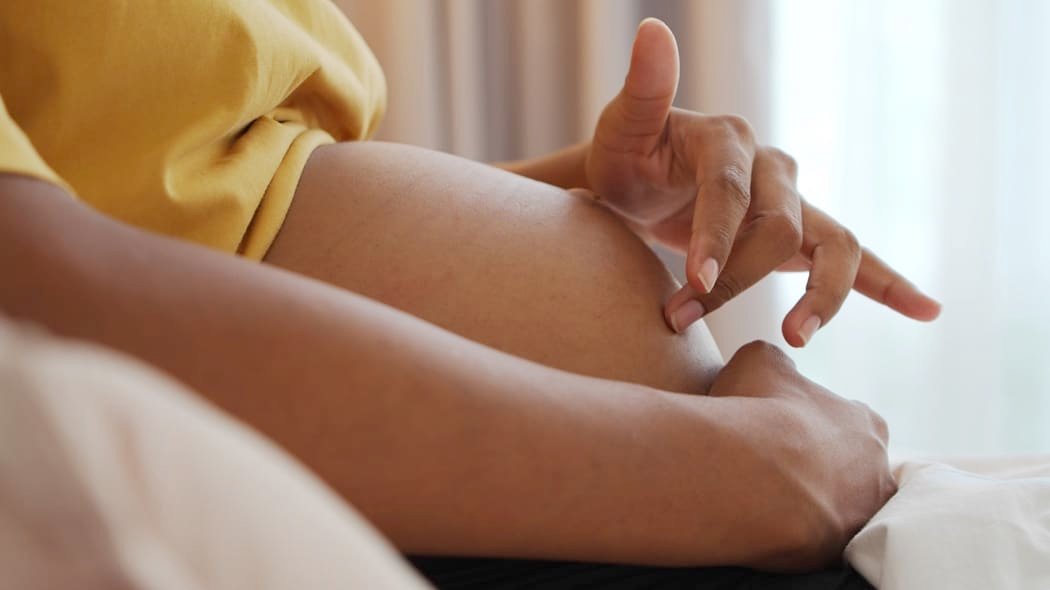
For many pregnant women, medication decisions can be overwhelming. This is especially true when the drug is linked to mental health, and even more so when the Internet is filled with alarming headlines about pregnancy, autism, ADHD, and long-term child development.

A new study published in The Lancet Psychiatry may help bring some clarity to this discussion.

The researchers found that current evidence does not support a clear causal link between the use of the most common antidepressants during pregnancy and an increased risk of autism or ADHD in children. The findings come from a large systematic review and meta-analysis that pooled data from 37 studies, including more than 648,000 pregnancies exposed to antidepressants and nearly 25 million pregnancies without antidepressant exposure.

The point is not that every medication decision is simple. It’s just that the story seems to be a lot more complicated than “antidepressants cause autism” or “antidepressants cause ADHD.” And for parents trying to make careful decisions during pregnancy, this distinction matters.

The researchers looked at whether antidepressant use before or during pregnancy was associated with neurodevelopmental disorders in children, including autism spectrum disorder and attention-deficit/hyperactivity disorder, or ADHD.

At first glance, the data showed little correlation. Before the researchers adjusted for other factors, antidepressant use during pregnancy was associated with a higher observed risk of ADHD and autism in children. Specifically, the analysis found a 35% increased risk of ADHD and a 69% increased risk of autism before major confounders were taken into account.

But this is where the study becomes important.

When the researchers adjusted for things like parental mental health, family history, genetics and other shared family factors, this apparent link became much weaker or disappeared altogether. The authors also found similar patterns when they looked at antidepressant use before conception and, notably, fathers’ use of antidepressants during pregnancy. Since the father’s use of antidepressants during pregnancy would not expose the fetus to the medication in utero, this helped the researchers point to family and genetic factors rather than the medication itself.

This is a key point for parents: an association in a study does not always mean that one causes the other.

This topic has been studied in the past, but previous research has often been difficult to interpret. Pregnant women taking antidepressants are more likely to have depression, anxiety or other mental health conditions. These conditions may also have genetic and environmental associations with neurodevelopmental differences in children.

In other words, if researchers are simply comparing children whose mothers took antidepressants with children whose mothers did not, the comparison may not be fair. The two groups may differ significantly before medication is even considered.

This is called confusion by indication. It means that the reason someone takes a drug may be part of what explains the effect being studied.

Experts responding to the study said this was one of its strengths. The research used several approaches to test whether the drug itself was possibly responsible, including comparisons of maternal use before pregnancy, paternal use during pregnancy, and analyzes that attempted to account for familial and genetic factors.

What about SSRIs?

Many pregnant women taking antidepressants are prescribed selective serotonin reuptake inhibitors, or SSRIs. These are among the most commonly used antidepressants.

The study found that when analyzes were restricted to mothers with mental health disorders, SSRIs were not significantly associated with autism or ADHD. The study also found no clear difference in autism risk between high-dose and low-dose exposure, further weakening the argument that the drug itself was driving the association.

There was one area where researchers called for more attention. Amitriptyline and nortriptyline, older antidepressants often used as second- or third-line treatments, remained associated with an increased risk of ADHD or autism in some analyses. However, the authors noted that these drugs may be prescribed to people with more severe, chronic or complex mental health needs, which could affect the findings.

Mental Health in Pregnancy Issues

One of the most important parts of this study is that it does not treat medication as the only risk worth discussing.

Stopping antidepressants during pregnancy can also carry risks, particularly for people with moderate to severe depression. The Lancet press release notes that doctors and patients should weigh the potential risks of medication against the potential harms of a relapse of depression or an untreated mental illness.

This context is important because pregnant women often feel that the safest option is always to stop taking medication. But for many families, the safest option may be to continue treatment under medical supervision.

Mental health during pregnancy is not separate from physical health. It can affect sleep, nutrition, prenatal care, relationships, bonding and the overall stability a parent needs during a physically and emotionally demanding time. The study authors also emphasized that supporting both maternal and paternal mental health can benefit children’s long-term development.

This study does not mean that every antidepressant is suitable for every person during pregnancy. It also does not mean that decisions about taking medication should be made without a doctor.

What it does offer is reassurance: the best available evidence does not support the idea that common antidepressants used during pregnancy directly cause autism or ADHD.

For someone who is pregnant, planning a pregnancy, or taking antidepressants and feeling anxious, the practical next step is not to suddenly stop medication. It’s having a conversation with a health care provider who understands his history, symptoms, dosage, and overall health.

Pregnancy already comes with enough pressure. Parents deserve clear information, not fear-based messages. This study helps the debate in that direction, showing that the relationship between antidepressants, mental health, genetics and child development is complex – and that common antidepressants themselves do not appear to be the simple cause that some headlines suggest.

SOURCETIS

antidepressant Large offers Pregnancy reassurance study
bhanuprakash.cg
healthtost
  • Website

Related Posts

What PMOS means for women’s health

May 18, 2026

Why the baby hiccups in the womb: What you need to know

May 17, 2026

The PMOS and insulin resistance connection – Pink Stork

May 16, 2026

Leave A Reply Cancel Reply

Don't Miss
Pregnancy

Large study offers reassurance for antidepressant use during pregnancy

By healthtostMay 18, 20260

For many pregnant women, medication decisions can be overwhelming. This is especially true when the…

No Gallbladder? Here’s what’s really happening — and what to do next.

May 18, 2026

Silent heart attacks can accelerate cognitive decline

May 18, 2026

Tackling the approach/avoidance dance and finding the love you need

May 18, 2026
Stay In Touch
  • Facebook
  • Twitter
  • Pinterest
  • Instagram
  • YouTube
  • Vimeo
TAGS
Baby benefits body brain cancer care Day Diet disease exercise finds Fitness food Guide health healthy heart Improve Life Loss Men mental Natural Nutrition Patients Pregnancy research reveals risk routine sex sexual Skin Skincare study Therapy Tips Top Training Treatment Understanding ways weight women Workout
About Us
About Us

Welcome to HealthTost, your trusted source for breaking health news, expert insights, and wellness inspiration. At HealthTost, we are committed to delivering accurate, timely, and empowering information to help you make informed decisions about your health and well-being.

Latest Articles

Large study offers reassurance for antidepressant use during pregnancy

May 18, 2026

No Gallbladder? Here’s what’s really happening — and what to do next.

May 18, 2026

Silent heart attacks can accelerate cognitive decline

May 18, 2026
New Comments
    Facebook X (Twitter) Instagram Pinterest
    • About Us
    • Contact Us
    • Privacy Policy
    • Terms and Conditions
    • Disclaimer
    © 2026 HealthTost. All Rights Reserved.

    Type above and press Enter to search. Press Esc to cancel.