



written by: Allison Goins, Ph.D. | Posted on : January 9thu2024 at 12:00 p.m
Ever wonder why cold or dry weather leaves your skin dry, or why certain products make your face feel like it’s on fire? The culprit may be your skin barrier, the ultra-thin shield responsible for protecting your body from the world. Understanding this tiny hero is the first step to achieving glowing, healthy skin. Don’t be afraid of information overload! This article will be your ultimate guide to the skin barrier, from its brick and mortar structure to practical tips to keep it strong and durable. So, let’s dive into the exciting world of your skin’s first line of defense!
The whole article is full of great information, but we don’t mind if you get the information you want straight away!
Skin layers | The basic functions of the skin barrier | What happens when your dam breaks | What causes barrier damage? | Repair barrier damage | Your skin type and your skin barrier
About the Author: As someone who has spent years learning how materials affect the cells in our bodies (a fancy way of saying I have a PhD in materials science with a focus on tissue engineering), I’m here to tell you – there’s a whole hidden world beneath your everyday skin.
The layers of the skin
Most people know that your skin is your largest organ, but you might think that your skin is just a layer that wraps around your body to protect your insides. And based on what can be seen with the human eye, that makes sense. But if you looked at your skin under a microscope, you could actually see three different layers. In order from the inside out, the three main layers of the skin are called the subcutaneous layer, the dermis, and the epidermis.
The Subcutaneous Layer: Your Push Padding
Think of this mattress as your built-in bubble wrap. This layer of primarily fat cells protects your muscles and organs, protecting them from bumps and bruises. It behaves like the ultimate shock absorber.
The Dermis: The Mastermind Behind the Curtain
This is where the skin magic happens! The dermis is like the central hub, housing the collagen and elastin factories that keep your skin supple and youthful.
Related post: Understanding the Science Behind Skin Aging: Tips for a Youthful Glow
It’s also where environmental stimuli like UV rays trigger the production of melanin, your natural sun protection. It’s basically the smart layer, always working hard to keep you healthy and glowing.
Epidermis: Your Loyal Gatekeeper And Skin Barrier
This outer layer is your fierce protector. It acts like a brick wall, stacked with skin cells and sticky fat molecules (ceramics) that keep out the bad stuff—pollution, UV rays, and even your skin care products (if they’re too big). It’s the barrier between you and the world, and keeping it strong is key to healthy, happy skin. You can’t have good skin without a great skin barrier!
What does your skin barrier really exist for?
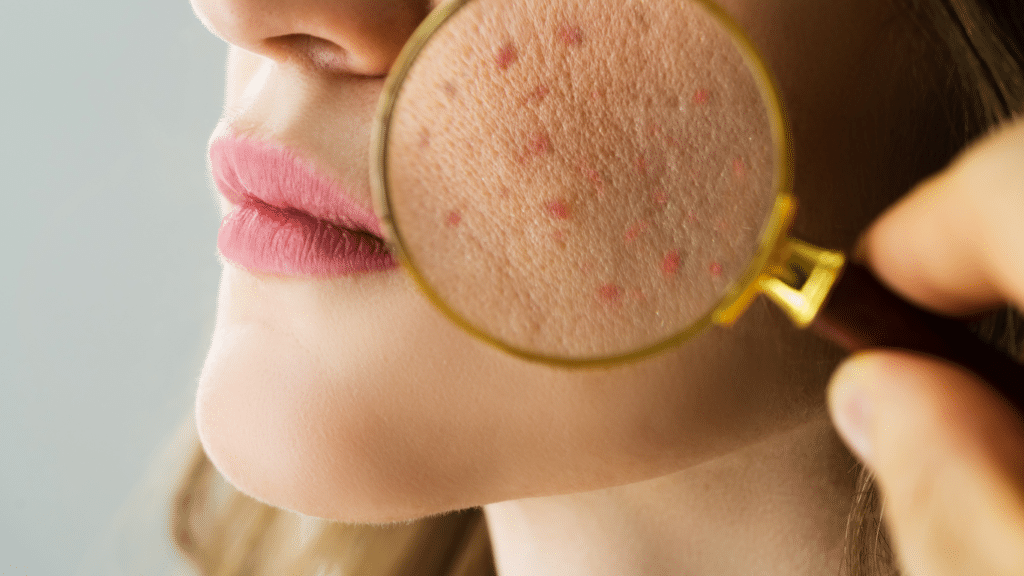
As a guardian between your inner self and the rest of the world, The main functions of your skin barrier are:
- Preventing excessive water loss, you will often hear about transepidermal water loss (TEWL). TEWL is when water can pass through the lower layers of your skin to the outside of your skin because the sticky fat molecules that normally repel water have holes. An intact barrier ensures that this water is retained to hydrate your skin keeping it firm and youthful.
- Preventing and treating the invasion of unwanted microorganisms that can make you sick
- Reduce the effects of UV radiation on a day when you have a little too much sun.
- Reduce the effects of reactive oxygen species that can reach your dermis and wreak havoc. Reactive oxygen species can break down your collagen and elastin, kill cells, and cause a ton of inflammation in your skin.
But what happens when the wall falls (or cracks a little)?
Think of a damaged skin barrier like a cracked brick wall. The tiny gaps let irritants and unpleasant things in, leading to redness, dryness, and even acne. When the lower layers of your skin are exposed to these irritants, your skin will not be happy. It’s like your skin is constantly on alert, itchy and uncomfortable. it does everything it can to get your attention that something is wrong.
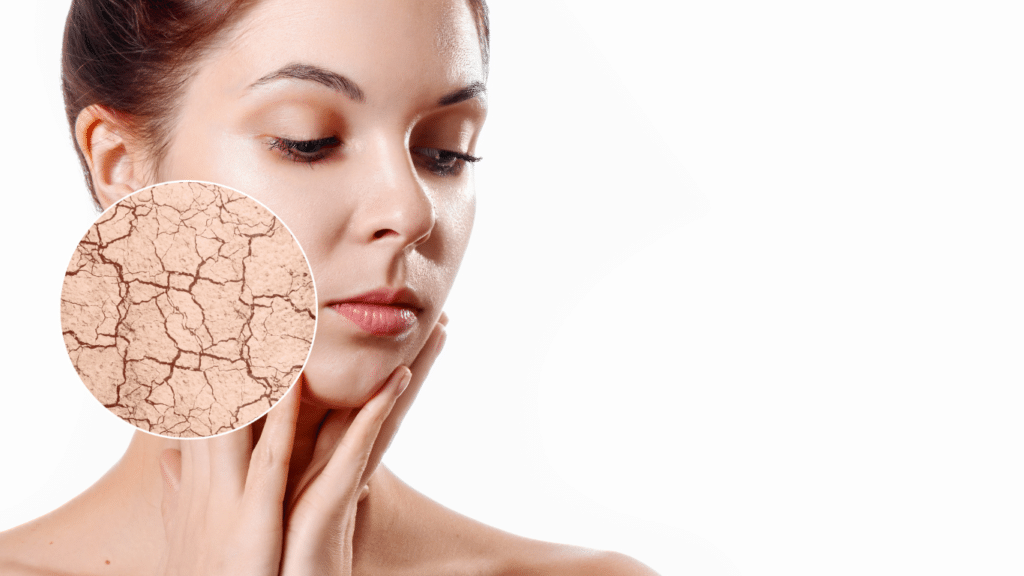
If you think you may have a damaged skin barrier, some of these symptoms may sound familiar:
- Dry, flaky patches that you can’t moisturize or hydrate
- Itchy, rough skin that makes you want to scratch (don’t!)
- Discolored patches or red, inflamed areas
- Acne breakouts that seem to come out of nowhere
- Sensitivity to ANY products you use (even the ones your skin normally loves)
- Excessively oily skin (if you are not normally an oily skin type)
The culprits behind the crumbling wall:
If you take good care of your skin and are very careful about your routine, you may know right away what new product or environmental change is irritating your skin. But other times you honestly have no idea what leads to a painful and frustrating skin barrier breakdown.
And honestly, sometimes it can be something that is completely out of control. Your skin faces a barrage of irritants every day, some from the environment (think harsh weather, chemicals, too much sun, or even products you apply) and some from within (stress, genetics, even some medications).
The key to keeping your skin healthy is to understand what’s causing your skin and show it some TLC when you start to see the signs of a damaged skin barrier.
Repair of the wall: From brick to brickwork
The good news is that a damaged skin barrier is not a life sentence. Here’s how you can rebuild your wall and get your shine back:
- Gentle is the name of the game: Ditch harsh soaps and cleansers. Choose gentle, moisturizing formulas and pat your skin dry instead of scrubbing.
- Moisturize like a pro: Ceramides are your new best friend. Look for moisturizers that replenish these basic barrier boosters.
- Sun protection is non-negotiable: UV rays are the main barriers. SPF 50 every day, rain or shine!
- Relax, skin: Stress can destroy your barrier. Find healthy ways to manage it, like exercise, meditation, or even getting enough sleep.

Your skin type and your skin barrier
We usually classify our skin as normal, oily/acne-prone, or combination. If you are not familiar with your skin type CeraVe has a great resource for determining your skin type. As a quick summary when your skin barrier is healthy if you cleanse your skin:
- And your skin starts getting oily all over after about 20 minutes you probably have oily skin
- If there are areas of your skin that become oily and there are other areas that look and feel neutral, you probably have combination skin
- If your skin looks and feels fairly neutral all over, you probably have normal skin
While skin types are a great way to generally classify skin. you may sometimes misclassify your skin type because you have a chronic skin barrier. Here are some of the most common classifications of skin types that may actually be the result of barrier damage.
Sometimes you’ll hear a reference to a dry skin type, but for most people, this is the result of a compromised skin barrier. When your skin’s barrier is compromised, you can lose excess water, making your skin feel very dry and tight.
Additionally, people who think they have sensitive skin sometimes actually do sensitized skin from damaged skin barrier. Sensitized skin comes from a damaged skin barrier because the extremely sensitive lower layers of your skin are exposed. If you don’t treat your damaged barrier, you’ll always have that sensitive feeling that can make you think you have sensitive skin.
Finally, oily skin can also be a symptom of a damaged skin barrier. In some cases, your skin can respond to a damaged barrier by producing excess oil to try to rebuild the oil layer and prevent moisture from leaving your skin.
Remember that your skin is a complex ecosystem and understanding its layers is the first step to keeping it healthy and happy. So put down the textbook (for now) and explore the hidden world of your skin – you might just find the key to glowing!
PS As a PhD in skin science, I’m always digging into the latest research. If you have any questions about your skin or specific barrier issues, leave a comment below! I’m here to help you unlock your skin’s secrets.
Want even more great skincare content? Don’t miss our free Skin Care Routine Guide, meticulously designed to meet your unique needs. Take the next step to glowing skin by subscribing to our newsletter, ensuring you stay up to date with the latest trends, exclusive offers and expert knowledge. Join the community of skincare enthusiasts dedicated to achieving timeless beauty – because your skin deserves the best. Click, explore and up your skin care game today!
👉Click here to download your free skin care routine guide now!
👉 Subscribe to our newsletter and join our growing community
