


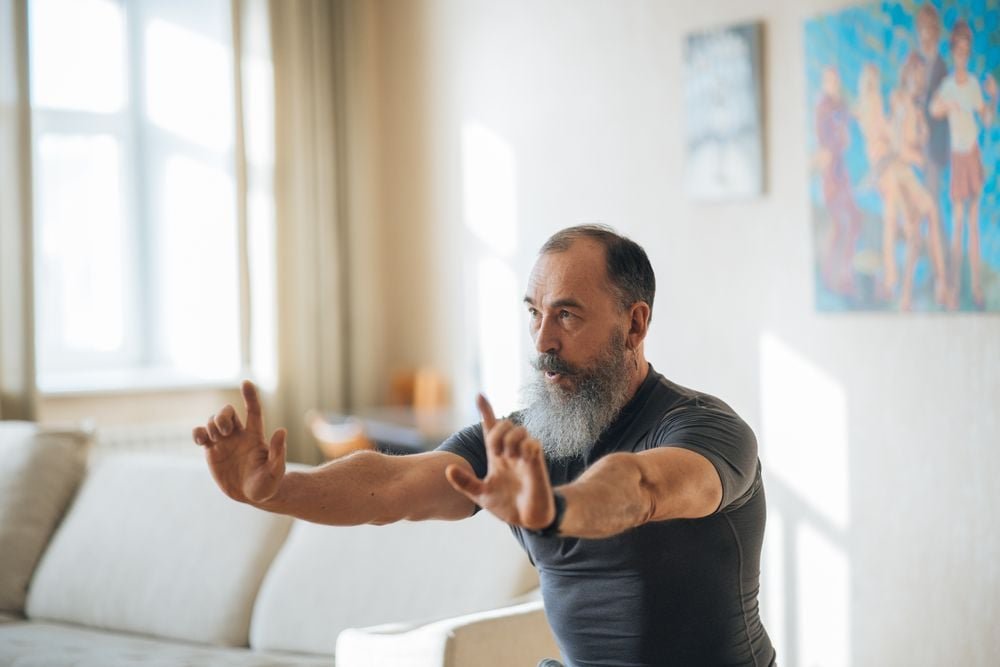
You don’t need a gym membership, expensive equipment, hours of free time or complicated workout routines to take care of your body.
For many people, the hardest part of exercise is simply getting started. A busy schedule, long work days, or the idea that workouts have to be complicated can make staying active feel impossible.
The good news? A short, consistent routine can still make a substantial difference.
This 21-minute at-home workout is designed to improve strength, balance, mobility and confidence. It uses simple movements that support daily activities and help you feel stronger in your body.
Why Short Home Workouts Work
A good workout doesn’t have to leave you exhausted for an hour.
Short routines can be easier to maintain, especially when life gets busy. The goal is not perfection. The goal is to create a habit that you can actually stick with.
This workout focuses on:
- Stronger legs and torso
- Better balance and stability
- Improved mobility
- Healthier movement patterns
- More confidence during daily activities
As we age, maintaining strength and balance becomes even more important. Simple exercises done regularly can help support the way you move every day.
Start with a gentle warm-up
Before exercising, give your body a few minutes to prepare.
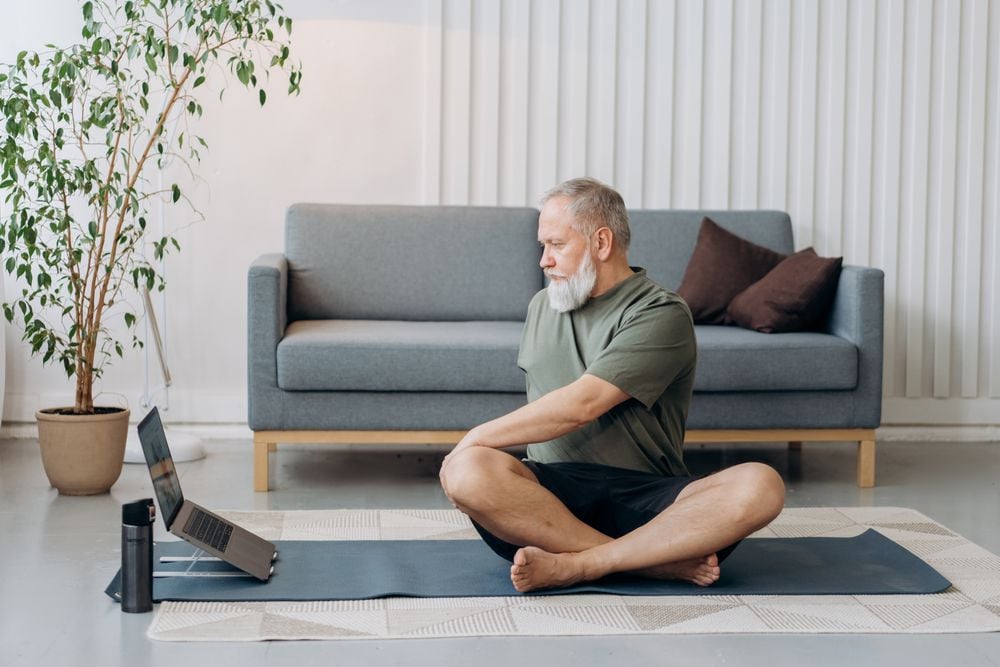
A warming up increases blood flowrelaxes stiff joints and helps your muscles move more comfortably. It can also make training smoother from the start.
Essay:
Ankle circles
It helps improve ankle mobility and condition your lower body.
Hip circles
It encourages better hip movement and reduces stiffness.
Process in place
It gently raises your heart rate and prepares your body.
After warming up, perform each exercise for 45 seconds and rest for 15 seconds. Complete the routine twice.
1. Squats: Build stronger legs for everyday movement
Squats are one of the most useful exercises you can do at home.
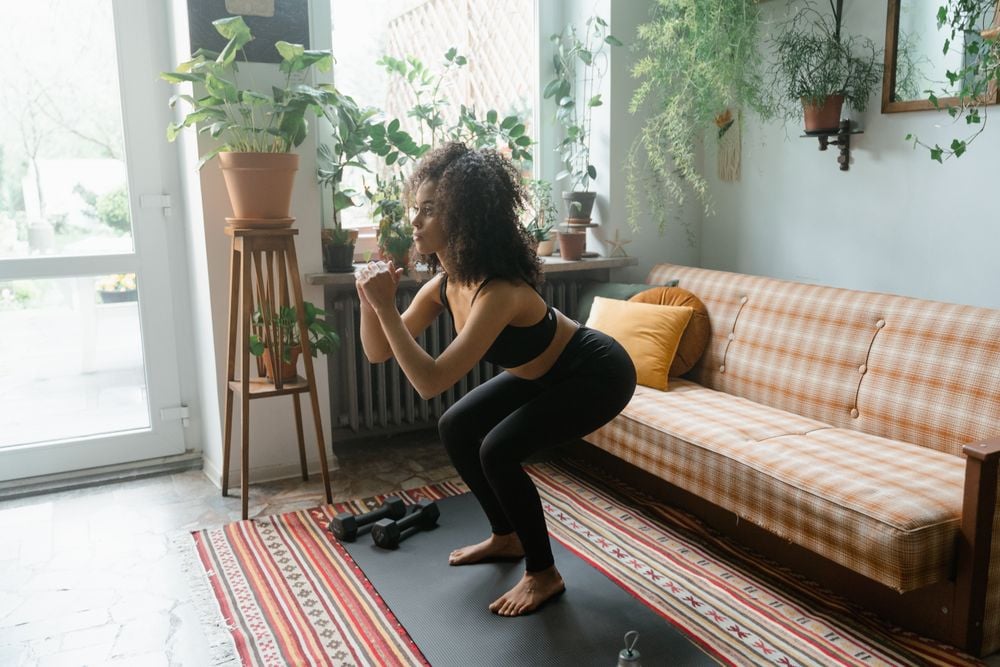
They strengthen your legs and glutes while supporting everyday movements like standing up, climbing stairs and picking things up.
How to do them:
- Stand with your feet about hip-width apart.
- Push your hips back and slowly bend your knees.
- Keep your chest lifted and your back straight.
- Push through your heels to stand.
Move slowly and focus on control.
2. Bent Rows: Support better posture
Hours spent sitting can affect posture and cause the shoulders to round forward.
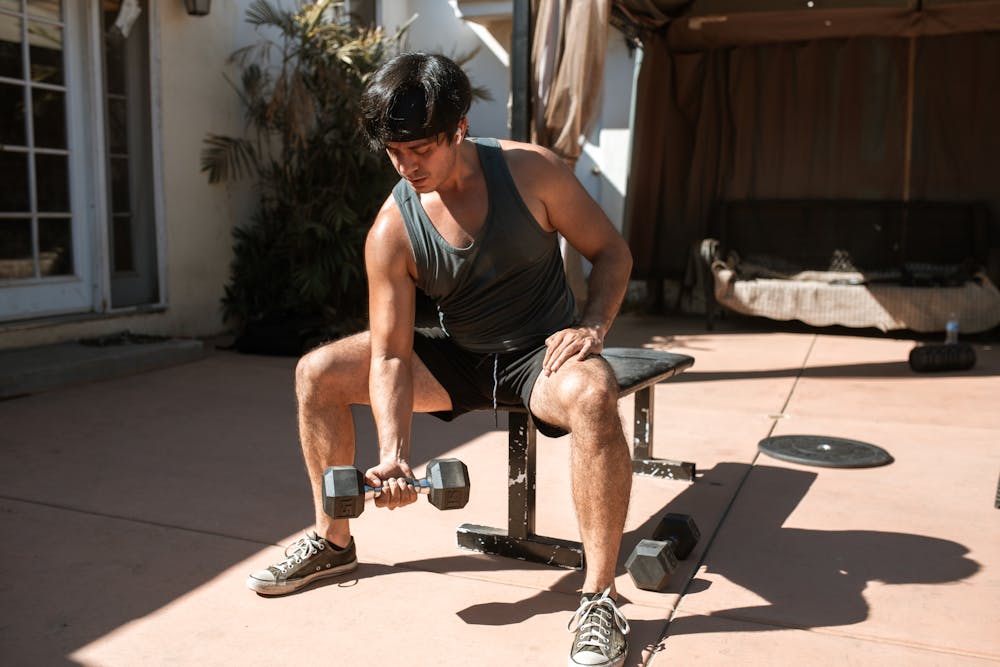
Bent-over rows strengthen your back muscles, helping with better alignment and stronger shoulders.
How to do them:
- Hold water bottles or light weights.
- Lean slightly forward from your hips.
- Keep your back flat.
- Pull the weights toward your hips.
- Lower them slowly down.
Think about squeezing your shoulder blades together during each repetition.
3. One Leg Balance Holds: Improve stability
Balance is something many people take for granted until it becomes harder to maintain.
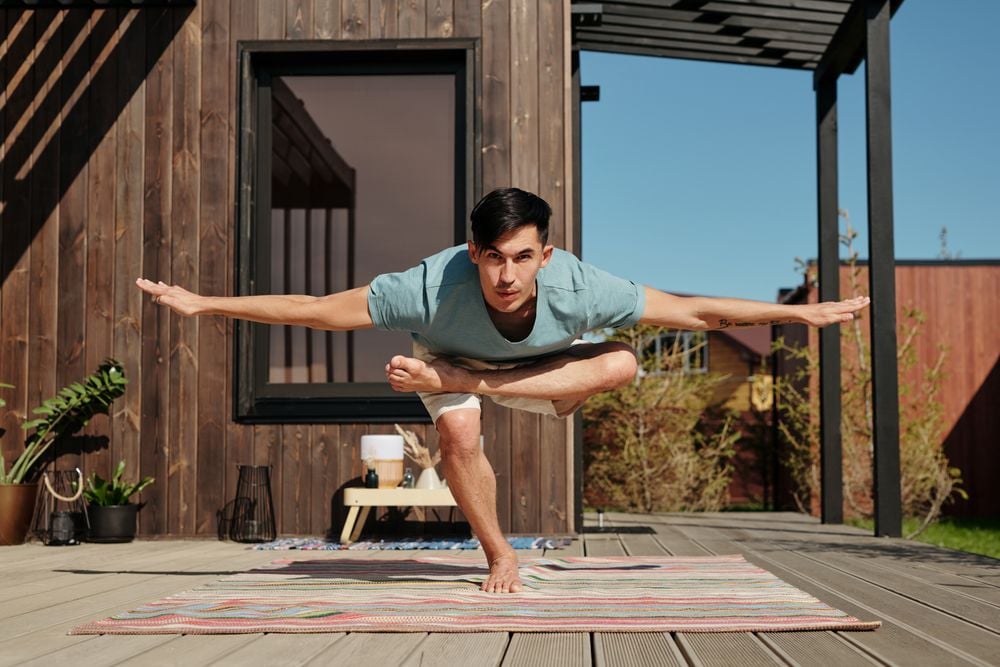
Regular practice of balance exercises helps improve body control and makes everyday movements feel safer.
How to do them:
- Stand tall with your feet hip-width apart.
- Lift one leg off the ground.
- Hold your arms out for balance.
- Focus your eyes on a point ahead.
- Use a chair if necessary.
Hold for several seconds, then switch sides.
Remember: balance improves with practice, not overnight.
4. Single-Leg Romanian Deadlift Tap: Strengthen Your Hips and Butt
This move activates your glutes, hamstrings and hips while challenging your balance.
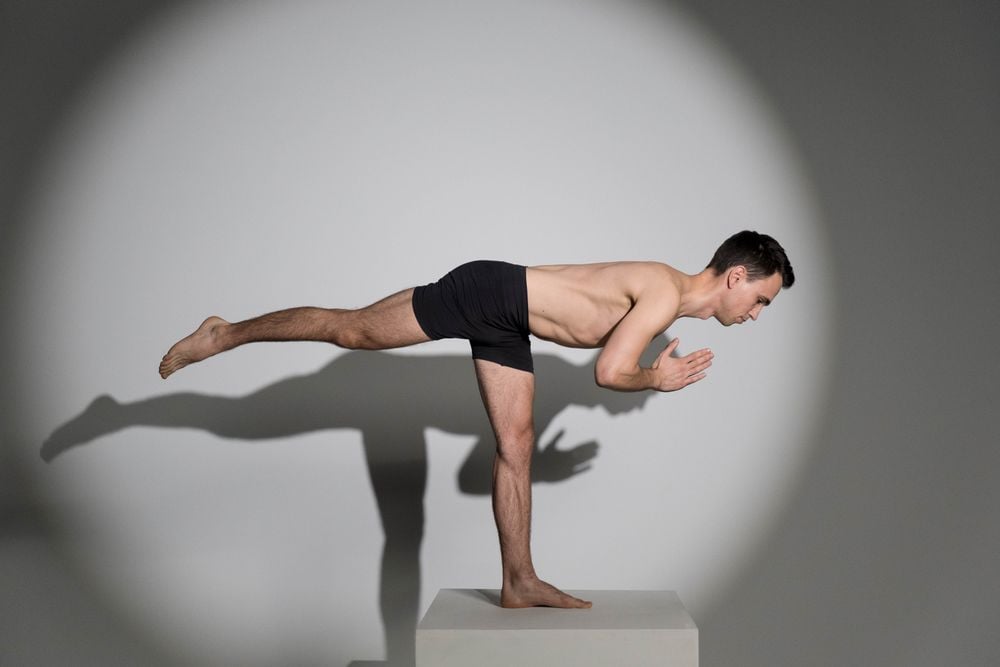
It’s a great exercise for improving coordination and building strength that carries over into everyday life.
How to do it:
- Hold a bottle of water or a light object.
- Lift one leg slightly.
- Slowly roll forward from your hips.
- Stretch your leg behind you.
- Lower the weight toward the floor.
- Return to standing with control.
Focus on steady movement, not speed.
5. Step-Touch With Arm Reach: Add Gentle Cardio
You don’t need high intensity jumps to improve your cardiovascular fitness.
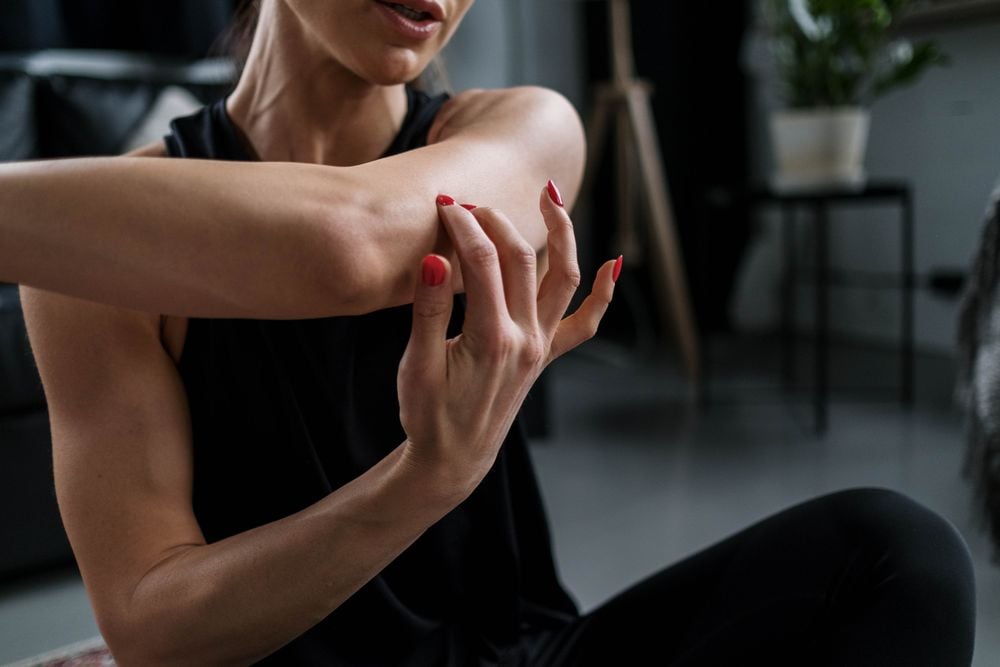
This simple move gets your heart rate up while improving coordination between your upper and lower body.
How to do it:
- Step to one side, reaching your arm out.
- Return to the middle.
- Repeat on the other side.
- Keep a steady pace.
For more of a challenge, add a knee lift.
6. Wall Push-Ups: Strengthen your upper body
Traditional push-ups can be difficult, but wall push-ups offer a more comfortable way to build upper body strength.
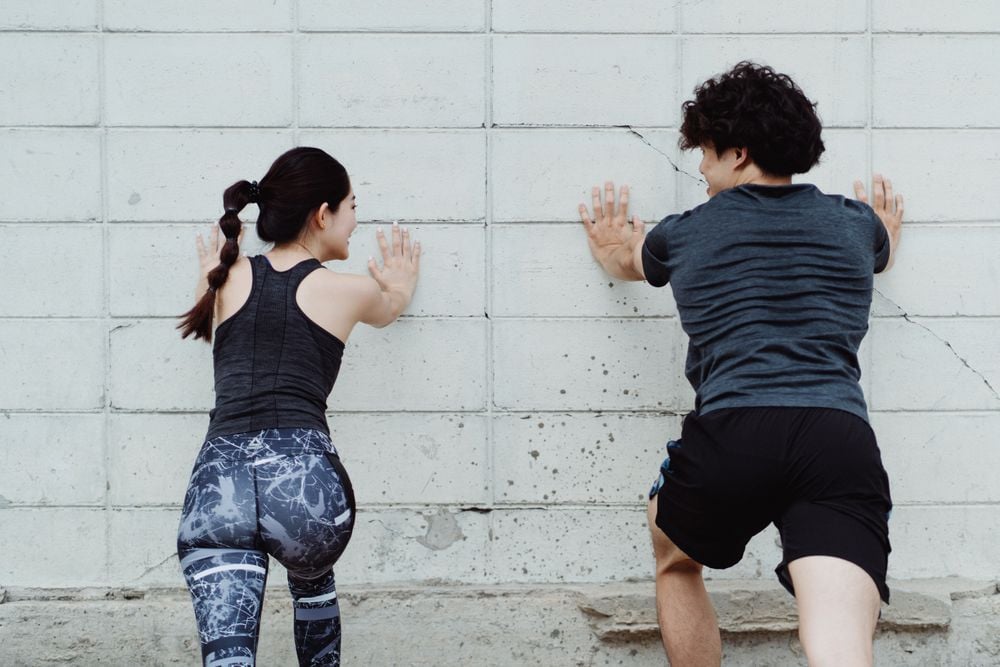
They work your chest, shoulders, arms and core while being easier on your joints.
How to do them:
- Stand facing a wall.
- Place your hands at shoulder height.
- Keep your body straight.
- Bend your elbows and move toward the wall.
- Push back to starting position.
Aim for 10-15 reps.
Finish with recovery
Many people skip the calm, but it matters.
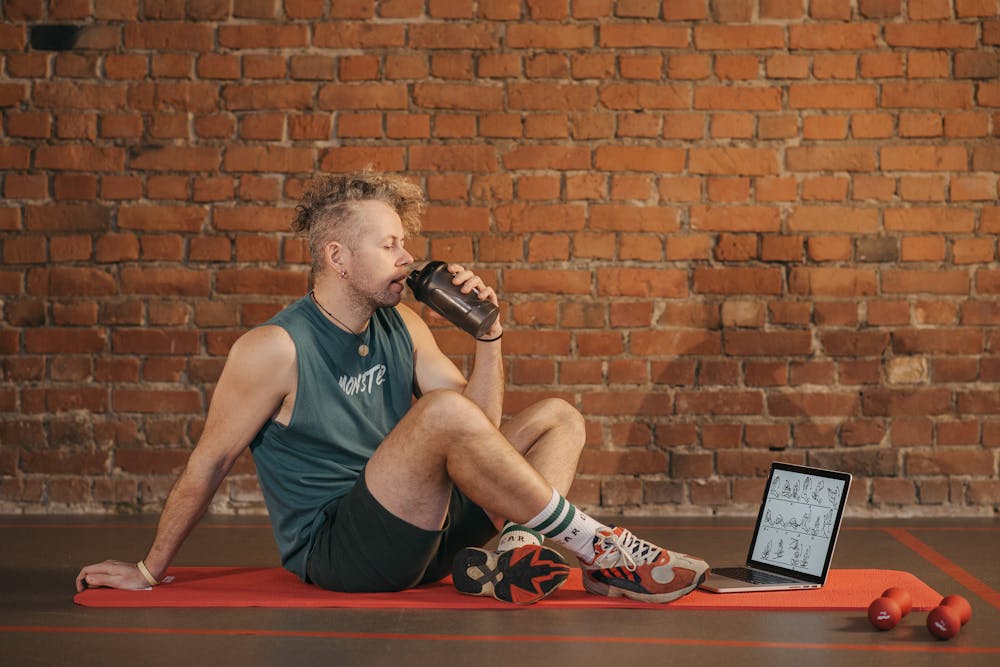
A few minutes of slow breathing and gentle movement with this workout can help your body get through the exercise.
Essay:
Rehabilitation helps you stay comfortable and makes it easier to continue exercising.
Final Thoughts
Staying active doesn’t mean spending hours in the gym.
A simple 21-minute workout at home can help you build strength, improve balance and move with more confidence.
The most effective routine is often the one you can repeat. Small daily efforts can lead to lasting changes in the way you feel and move.
