


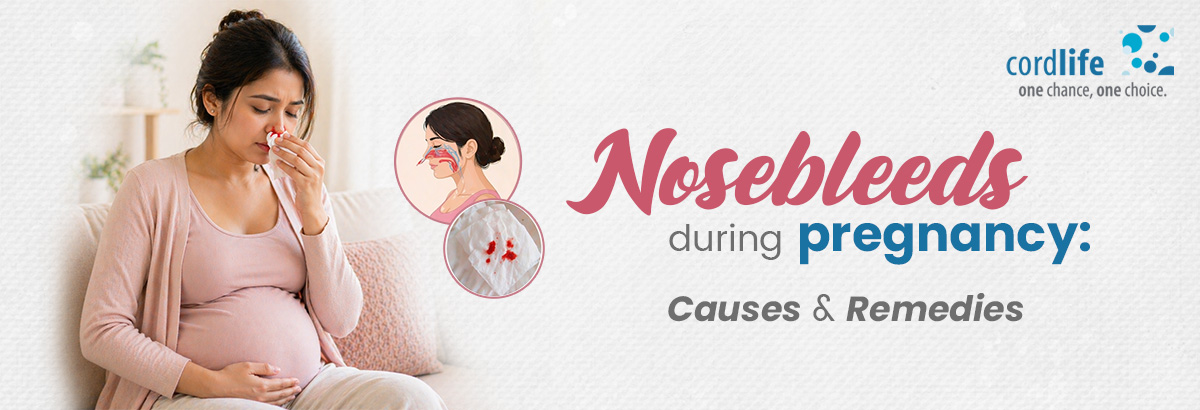
The pregnancy journey can be a unique experience for every woman. Changes in hormone levels and cardiovascular adjustments are among the many important physiological changes that take place in a woman’s body during pregnancy. While symptoms such as morning sickness, fatigue, and loss of appetite are considered quite common during pregnancy, nosebleeds, or medically known as Epistaxis, are also a typical occurrence during pregnancy. Most women who experience nosebleeds during pregnancy are often worried. This blog serves as a reminder that nosebleeds during pregnancy are not harmful to the health of the fetus. The detailed knowledge of the responsible mechanisms and the practical methods for its management set out in this article will prove beneficial for both the physical and mental well-being of the expectant mother.
Understanding nosebleeds caused by pregnancy
Estrogen and progesterone levels increase during pregnancy. Estrogen acts directly or indirectly on various organs of the body, resulting in changes that predispose the nasal mucosa to bleeding:
Increase blood volume
By the second trimester, the mother’s blood volume increases by almost 50% so that there are sufficient reserves for the developing fetus. This leads to higher pressure in the capillaries throughout the body. The nasal mucosa is highly vascular, which makes the tiny vessels susceptible to rupture when pressed.
Vasodilation
Estrogen is responsible for vasodilatory effects, causing swelling and enlargement of the nasal mucosa. The expectant woman suffers from chronic nasal congestion and runny nose. This often causes the fragile nasal tissues to bleed at the slightest irritation.
Dehydration
Neglecting hydration during pregnancy can disrupt the fluid balance in different parts of the body. Nasal membranes are often deprived of adequate moisture, making them less flexible and prone to cracking. THE epistemology during pregnancy is often the result of this condition.
Medical conditions that lead to nosebleeds during pregnancy
Expectant mothers who develop preeclampsia or high blood pressure during pregnancy are prone to nosebleeds. High blood pressure often weakens the nasal blood vessels, causing them to rupture when irritated. This should be brought to the attention of the health care provider during the prenatal assessment.
A pyogenic granuloma, a benign lumpy growth on the gums between the teeth, can cause nosebleeds in pregnancy. Hormonal influx during pregnancy causes this increased mass of capillary blood vessels. These tumors can appear anywhere on the mother’s body and usually disappear after delivery. Using a medicated gel or nasal spray can soothe the condition.
Ways to stop a nosebleed
Stay calm when the nosebleed starts. Undue stress can increase blood pressure and contribute to increased blood loss. Clinical first aid should follow the following procedures:
- Sit and lean forward slightly to stop blood rushing to the back of the throat, causing nausea and irritation of the airways, etc.
- Firmly press the soft parts of the nose (under the nasal bone).
- Apply pressure for at least 10-15 minutes continuously without intermittent checks to allow clots to form.
- Apply a cold compress to the bridge of the nose to tighten the blood vessels and slow the bleeding.
- Use the mouth to breathe.
Long term Preventive Treatments
Its primary focus nosebleed pregnancy or prevention of epistaxis is maintaining the integrity of the nasal mucosa and reducing environmental stimuli.
Hydration and lubrication:
- Saline Nasal Spray: Using saline nasal spray or drops several times a day can help manage the problem. Sprays or drops containing decongestants should be avoided, as they can contribute to drying out the nasal passages.
- Water-based lubricant: A small amount of water-based lubricant or a specialized nasal lubricant applied to the inside of the nose before bed can prevent nighttime dryness and cracking.
- Fluid consumption: Increased fluid intake helps maintain overall hydration of all body tissues, including the mucous membrane lining the respiratory tract.
Adaptations to the environment:
- Humidifier: A cool mist humidifier used in the bedroom at night can have a dramatic effect on reducing the effect of dry air, especially at night.
- Correct nose technique: Excessive nose blowing should be avoided. If necessary, gentle nose blowing with the mouth slightly open should be used to release the pressure.
When to seek medical attention
Nosebleeds during pregnancy, although harmless, are not without exceptions. You should seek medical attention if the bleeding does not stop within 30 minutes of applying firm pressure, or if there are severe headaches, blurred vision, and dizziness associated with third trimester nosebleeds. Expert advice it is imperative when a mother-to-be experiences very heavy nosebleeds or when blood rushes to the back of the throat. Mothers who have been diagnosed with hypertension or have experienced epistaxis several times a week should seek medical attention without delay.
Conclusion
Epistaxis is undoubtedly an unpleasant experience during pregnancy. However, it can be easily treated at home with the help of simple preventive strategies. We hope that this blog will help relieve mothers-to-be of undue stress.
