


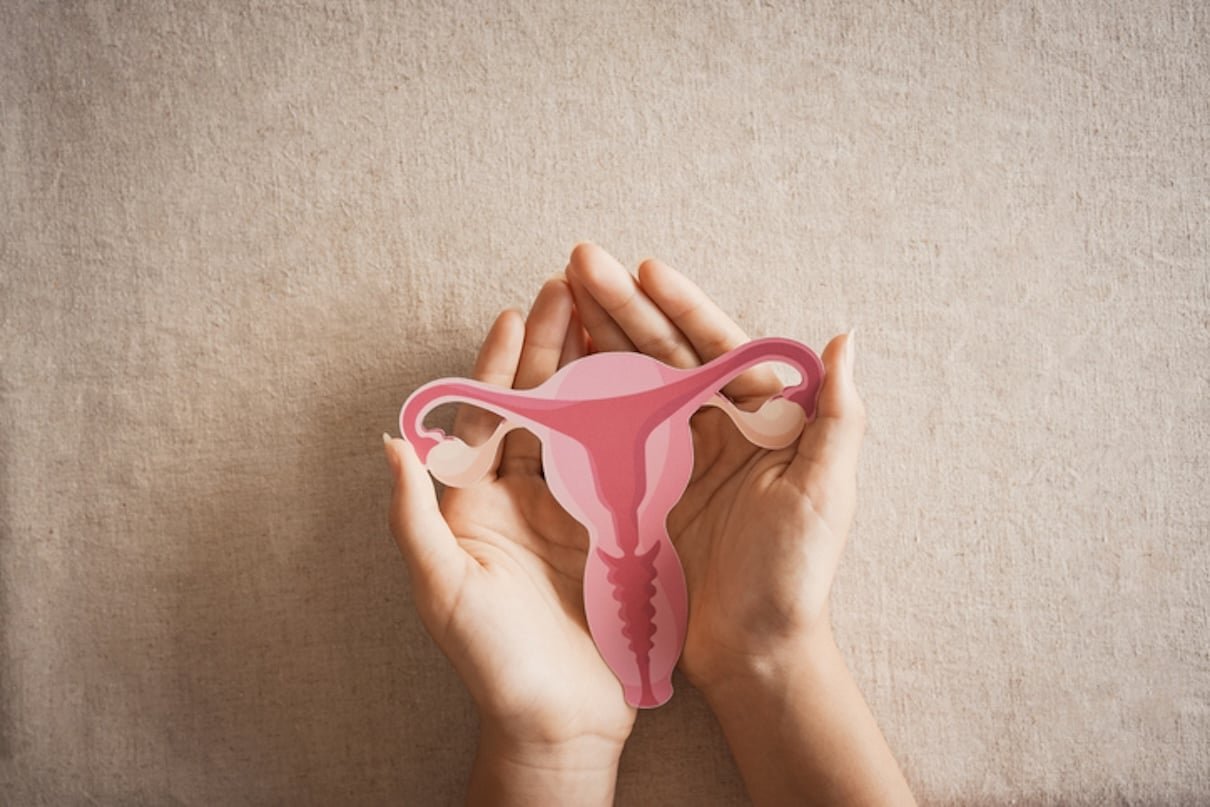
From gut health to hormone health, wellness consumers are increasingly investing in supporting every aspect of their well-being – vaginal health is no exception. Once considered a niche category, vaginal wellness has evolved into a booming market filled with pain-relieving supplements, creams, gels, lubricants, and even underwear designed to support intimate comfort.
At the heart of the boom is a simple reality: many women are seeking support for intimate health concerns like dryness, irritation and pelvic pain, issues that have long been ignored, under-researched or dismissed, leaving many without clear answers or effective treatment options. But along with the substantive innovation has come a wave of social media-fueled trends and products that promise to optimize everything from how the vagina smells to how it looks. As vaginal wellness continues to gain momentum, knowing what is truly beneficial and what is just marketing has never been more urgent.
Why the vaginal health market is booming
Part of the rise in vaginal wellness products comes from a real, long-standing gap in care. Many women face intimate health concerns ranging from discomfort during sex to symptoms associated with menopause, postpartum recovery, and hormonal changes. Yet all too often, these experiences are minimized or not addressed, leaving people to look elsewhere for relief, answers, and validation. As a result, consumers are increasingly turning to wellness brands for support. The market now includes everything from probiotics and moisturizing gels to pelvic floor devices, period innovations and underwear designed to reduce irritation and discomfort.
In many ways, the boom reflects a positive change: women’s intimate health is finally being discussed openly rather than being treated as a taboo subject.
When wellness turns into “Maxxing the vagina”
Alongside the legitimate health chatter, a newer social media trend known as ‘vagina-maxxing’ has emerged.
The trend promotes products and routines that claim to improve the smell, appearance, firmness or overall appearance of the vulva and vagina. Popular products include firming gels, whitening creams, intimate deodorants, washes, and supplements marketed for “feminine freshness.”
However, many gynecologists warn that these products often target insecurities rather than real health concerns. Many vaginal enhancement products are completely unnecessary, lack strong scientific evidence, and can even disrupt the vaginal microbiome. Some products can increase irritation, alter the pH balance, and often contribute to infections rather than prevent them. Experts have also emphasized that natural variations in vaginal odor, appearance, and anatomy are completely normal.
A particularly persistent myth is that vaginas become “loose” from sexual activity. Medical experts note that this belief is not supported by biology, yet it continues to fuel demand for more stringent products and procedures.
Supporting Vaginal Health: What To Do (and What To Avoid)
While every body is different, experts generally agree on a few simple practices that support vaginal health.
Do:
- Wear underwear that breathes and wicks away moisture.
- Stay hydrated and prioritize a balanced diet.
- Seek medical advice for persistent pain, unusual discharge, itching or recurrent infections.
- Use products specially designed and tested for personal health when needed.
- Pay attention to changes in your body and advocate for answers if symptoms are affecting your quality of life.
Don’t:
- Use scented washes, sprays or deodorants in the vagina.
- Let’s say social media trends are endorsed by medical experts.
- Try whitening, tightening or “refreshing” products without first understanding the risks.
- Ignore ongoing pelvic or vaginal pain.
- You fall for marketing that suggests your vagina needs to look, smell, or act a certain way to be healthy.
The explosion of vaginal wellness signals something important: women are demanding more support, research, and solutions for niche health concerns that have long been ignored. This is a positive step forward. But as the market expands, it’s worth remembering that vaginal health isn’t about achieving a social media-approved ideal. It’s about your body’s comfort, function and feel-good. The most effective wellness trend may just be learning to separate real health needs from products designed to create insecurities in the first place.
