

Close Menu
Healthtost
  • News
  • Mental Health
  • Men’s Health
  • Women’s Health
  • Skin Care
  • Sexual Health
  • Pregnancy
  • Nutrition
  • Fitness
  • Recommended Essentials
What's Hot

High protein comfort food for women who are tired of salads

April 14, 2026

7 shoulder exercises that keep your arms strong and pain-free after 40

April 14, 2026

Study Warns of Teens’ Growing Dependence on AI Companions

April 14, 2026
Facebook X (Twitter) Instagram
  • About Us
  • Contact Us
  • Privacy Policy
  • Terms and Conditions
  • Disclaimer
Facebook X (Twitter) Instagram
Healthtost
SUBSCRIBE
  • News

    Study Warns of Teens’ Growing Dependence on AI Companions

    April 14, 2026

    Competition between brain circuits is key to intelligent behavior

    April 13, 2026

    Study reveals brain mechanisms behind urinary incontinence after stroke

    April 13, 2026

    Genetic variations may reduce the effectiveness of popular diabetes drugs

    April 12, 2026

    Europe faces increasing health threats from fossil fuel dependence

    April 12, 2026
  • Mental Health

    Is it anxiety or OCD? 2 psychology experts explain the difference

    April 14, 2026

    Understanding the different types of treatment: C…

    April 10, 2026

    How does Medicare’s new Mental Health Check In work? Is this low-intensity CBT likely to help?

    April 10, 2026

    the surprisingly common condition with a scary name

    April 6, 2026

    How yoga helps heal emotional wounds

    April 4, 2026
  • Men’s Health

    Opinion: Prediction markets are betting against public health

    April 14, 2026

    A monk’s method for falling asleep fast

    April 13, 2026

    The Future of MenAlive: From Men’s Health to Relational Healing and Transformation

    April 13, 2026

    Traveling by plane with BPH

    April 9, 2026

    30 Minute Kettlebell Full Body Workout for Over 50

    April 9, 2026
  • Women’s Health

    What is urea for dry skin?

    April 13, 2026

    Beyond fitness: Why exercise is vital to improving cardiovascular health

    April 12, 2026

    5 ways to put your health dollars to work this spring

    April 11, 2026

    “Fueling the Fight” — Nutrition during and after cancer treatment

    April 11, 2026

    Navigating the Void of Intimacy – Vuvatech

    April 10, 2026
  • Skin Care

    CoolSculpting Elite – SkinCare Physicians

    April 13, 2026

    Why Your Skin Barrier Is The Most Important Thing You’re Ignoring – Lifeline Skin Care

    April 12, 2026

    Spa Los Angeles: Best Services to Book for Real Results

    April 12, 2026

    Spring skincare: Why your skin needs more support, not less

    April 11, 2026

    How to reduce skin redness | Skin care routine for skin prone to redness

    April 10, 2026
  • Sexual Health

    At the Intersection of Autism, LGBTQIA+ Identity and Kink — Sexual Health Alliance

    April 13, 2026

    Endometriosis procedures are reimbursed at lower rates, doctors say

    April 8, 2026

    Reflections two years later in a global context < SRHM

    April 8, 2026

    Can exercise improve HIV symptoms?

    April 7, 2026

    An Introduction to the Kink Literature Database — Sexual Health Alliance

    April 6, 2026
  • Pregnancy

    Serious maternal complications affect nearly 3 per cent of pregnancies, Ontario study finds

    April 11, 2026

    Third Trimester Nutrition Guide for Indian Moms

    April 10, 2026

    How your partner can support a happier pregnancy

    April 9, 2026

    Exposure to plastic during pregnancy may be linked to more premature births than expected

    April 4, 2026

    How to relieve numbness and tingling in the legs in the third trimester?

    April 3, 2026
  • Nutrition

    High protein comfort food for women who are tired of salads

    April 14, 2026

    Blueberry Chia Pudding (Easy Breakfast!) • Kath Eats

    April 13, 2026

    Because cooling potatoes reduces their glycemic load

    April 12, 2026

    The mind-body connection of fertility

    April 12, 2026

    Greens that make you glow: The detox-hormone connection

    April 11, 2026
  • Fitness

    7 shoulder exercises that keep your arms strong and pain-free after 40

    April 14, 2026

    Inside The OPEX Method Mentorship: A Coach’s POV with Dr David Skolnik (Week 1)

    April 12, 2026

    Active summer camps that build healthy lifelong habits in 6 US states

    April 12, 2026

    Bridging Clinical and Community Care

    April 10, 2026

    5 pull-up alternatives to build upper body strength and correct weaknesses

    April 9, 2026
  • Recommended Essentials
Healthtost
Home»Men's Health»Could eating eggs prevent dementia?
Men's Health

Could eating eggs prevent dementia?

healthtostBy healthtostOctober 6, 2024No Comments5 Mins Read
Facebook Twitter Pinterest LinkedIn Tumblr Reddit WhatsApp Email
Could Eating Eggs Prevent Dementia?
Share
Facebook Twitter LinkedIn Pinterest WhatsApp Email

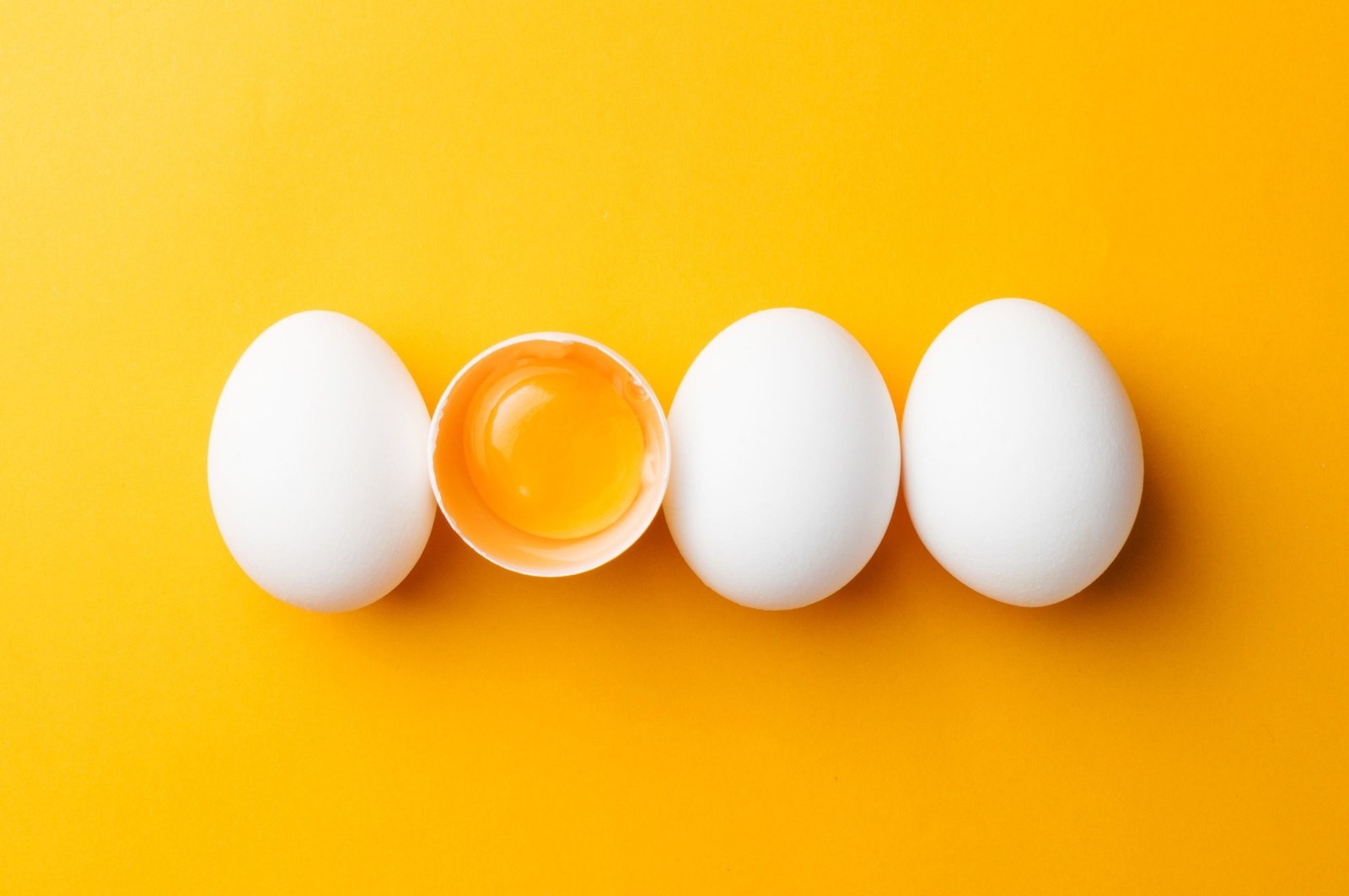
A new study finds that eating an egg a day could reduce your chances of developing dementia, while eating too few or too many eggs may not be as beneficial. Learn more about how this affordable, nutrient-dense food can protect your brain health.

Study: Association between egg consumption and dementia in Chinese adults. Image credit: MasAnyanka / Shutterstock

In a recent study published in the journal Nutrientsresearchers investigated the association between egg consumption and dementia among Chinese adults through a population-based case-control study. Their results show that eating eggs daily may reduce the risk of dementia, but eating too many eggs (more than twice a day) or not eating them showed no significant effects. More evidence is needed to guide dietary recommendations.

Background

Dementia is a major public health issue, affecting more than 55 million people worldwide. This number is expected to increase to 152 million cases by 2050, as approximately 10 million people develop the condition each year. Prevention is critical as dementia cannot be cured.

The role of diet in reducing the risk of dementia has been studied, with research suggesting that eating seafood and the Mediterranean diet (including eggs) may be protective against the condition.

Eggs are rich in nutrients and other beneficial compounds, such as vitamin D, folate and choline. They are also an essential and affordable source of protein. However, they may also raise cholesterol levels and have been implicated in a higher risk of heart disease, diabetes, and mortality in the United States but not in Asian or European populations.

There is also some evidence that eating eggs could reduce the risk of cognitive decline, but the findings are mixed. In China, which faces the world’s highest burden of dementia and is also the largest producer and consumer of eggs, understanding the relationship between the two is critical to guiding prevention strategies.

About the study

The researchers recruited 233 people who had been diagnosed with dementia and 233 ‘control’ people who were confirmed not to have dementia, all of whom were over the age of 50.

The former were recruited through a hospital’s dementia management system, while the latter were recruited from community health clinics during screenings for elderly residents.

Participants provided information about their medical history, lifestyle, and demographics. Their egg intake was categorized into more than twice a day, weekly, monthly, and less than monthly.

Statistical modeling was then used to assess the association between dementia and egg intake and to calculate odds ratios after adjustment for other dietary characteristics, health conditions, lifestyle, socioeconomic status, gender, and age.

Findings

The 466 subjects were 73.6 years old on average. 63.5% of participants were female, while 57.7% reported having less than a high school education.

People in the dementia group were older and tended to have lower incomes and education. They also showed a higher prevalence of smoking, no or low alcohol use, Parkinson’s disease, head injuries, stroke and heart disease. They reported higher consumption of red meat and lower intake of fruits, vegetables, poultry and fish.

Regarding the frequency of egg intake, less than 3% of participants ate eggs twice a day, while 35% ate them daily, 36.7% weekly, 12% monthly, and 13.5% either consumed less than once a month or avoided eating eggs altogether. On average, people who consumed eggs twice a day were older, and those who consumed them monthly represented the youngest group.

The researchers found that higher income and educational level were associated with higher egg consumption. However, more frequent consumption was also associated with higher rates of smoking, and people with chronic kidney disease reported lower egg consumption. While depressed subjects ate more eggs, those with chronic kidney disease reported lower consumption.

Significant differences in dietary intakes (pork, beef, poultry, fish, fruits and vegetables) were found in egg intake levels. Lamb consumption was the only dietary intake that did not show a positive relationship with egg intake.

The study found that weekly and monthly egg consumption was associated with a higher risk of dementia than daily consumption. However, there was no significant difference in the risk of dementia between those who ate eggs twice a day and those who ate no eggs at all. This pattern remained after the researchers adjusted for health behaviors, income, education, gender, and age.

conclusions

Overall, increasing egg consumption from monthly to weekly to daily was associated with a reduced risk of dementia, and those who ate eggs daily had the lowest odds of dementia. The results showed that not eating or eating too much eggs did not significantly change the risk. These results were independent of health conditions, diet, smoking, education and age.

The underlying mechanism could be that eggs are rich in omega-3 fatty acids, choline, antioxidants and protein. However, the researchers warned that eating more than two eggs a day could raise cholesterol levels, which could increase the risk of dementia.

The study adds to a growing body of evidence on the relationships between egg consumption and cognitive function in different populations, although previous research has shown mixed results.

Limitations of the study include the fact that the exact amount of eggs consumed was not measured and that participants with dementia were significantly older than those without, which may have influenced the findings. Further research is needed to enhance understanding of this relationship.

Journal Reference:

  • Association between egg consumption and dementia in Chinese adults. Igbinigie, PO, Chen, R., Tang, J., Dregan, A., Yin, J., Acharya, D., Nadim, R., Chen, A., Bai, Z., Amirabdollahian, F. Nutrients ( 2024). DOI: 10.3390/nu16193340,
dementia Eating eggs prevent
bhanuprakash.cg
healthtost
  • Website

Related Posts

Opinion: Prediction markets are betting against public health

April 14, 2026

A monk’s method for falling asleep fast

April 13, 2026

The Future of MenAlive: From Men’s Health to Relational Healing and Transformation

April 13, 2026

Leave A Reply Cancel Reply

Don't Miss
Nutrition

High protein comfort food for women who are tired of salads

By healthtostApril 14, 20260

As a registered dietitian, one of the biggest misconceptions I see is that people think…

7 shoulder exercises that keep your arms strong and pain-free after 40

April 14, 2026

Study Warns of Teens’ Growing Dependence on AI Companions

April 14, 2026

Is it anxiety or OCD? 2 psychology experts explain the difference

April 14, 2026
Stay In Touch
  • Facebook
  • Twitter
  • Pinterest
  • Instagram
  • YouTube
  • Vimeo
TAGS
Baby benefits body brain cancer care Day Diet disease exercise finds Fitness food Guide health healthy heart Improve Life Loss Men mental Natural Nutrition Patients People Pregnancy research reveals risk routine sex sexual Skin Skincare study Therapy Tips Top Training Treatment ways weight women Workout
About Us
About Us

Welcome to HealthTost, your trusted source for breaking health news, expert insights, and wellness inspiration. At HealthTost, we are committed to delivering accurate, timely, and empowering information to help you make informed decisions about your health and well-being.

Latest Articles

High protein comfort food for women who are tired of salads

April 14, 2026

7 shoulder exercises that keep your arms strong and pain-free after 40

April 14, 2026

Study Warns of Teens’ Growing Dependence on AI Companions

April 14, 2026
New Comments
    Facebook X (Twitter) Instagram Pinterest
    • About Us
    • Contact Us
    • Privacy Policy
    • Terms and Conditions
    • Disclaimer
    © 2026 HealthTost. All Rights Reserved.

    Type above and press Enter to search. Press Esc to cancel.