

Close Menu
Healthtost
  • News
  • Mental Health
  • Men’s Health
  • Women’s Health
  • Skin Care
  • Sexual Health
  • Pregnancy
  • Nutrition
  • Fitness
  • Recommended Essentials
What's Hot

If you can still do these 7 things at 60, your body is aging better than most

May 2, 2026

AI scribes save doctors time, but fail to reduce overtime

May 2, 2026

Every mental health journey starts with being seen

May 2, 2026
Facebook X (Twitter) Instagram
  • About Us
  • Contact Us
  • Privacy Policy
  • Terms and Conditions
  • Disclaimer
Facebook X (Twitter) Instagram
Healthtost
SUBSCRIBE
  • News

    AI scribes save doctors time, but fail to reduce overtime

    May 2, 2026

    Identifying the ages at which Alzheimer’s biomarkers change sharply

    May 1, 2026

    Timing of food may shape how T cells respond to infection and therapy

    May 1, 2026

    UCLA researchers build programmable artificial organs using RNA

    April 30, 2026

    Sapio Sciences brings Claude Cowork to the lab

    April 30, 2026
  • Mental Health

    Every mental health journey starts with being seen

    May 2, 2026

    What animal studies teach us about toxic work environments

    April 27, 2026

    I hate hope: How to manage hope when you have treatment-resistant bipolar disorder

    April 19, 2026

    Rose Byrne is raw, magnetic and unfiltered as a woman in crisis

    April 18, 2026

    Can a single mother change her child’s surname in India?

    April 16, 2026
  • Men’s Health

    3 Day Home Workout Plan: Build Muscle and Burn Fat

    April 30, 2026

    GLP-1 drugs promise broader health benefits, but experts advise caution on use

    April 28, 2026

    Trauma patients recover faster when medical teams know each other well, new study finds

    April 28, 2026

    I did red light therapy for 3 months so I shouldn’t have

    April 27, 2026

    Sex Secrets for Men Over 40: Surviving Male Menopause

    April 27, 2026
  • Women’s Health

    What is the difference between UVA and UVB rays?

    May 1, 2026

    Are you a fungus fanatic? We unpack the nutritional trend of mushroom mania

    April 29, 2026

    What the Patients’ Bill of Rights Could Mean for Black Women

    April 29, 2026

    Navigating sexual health during and after cancer

    April 28, 2026

    Do tampons break the hymen? Facts, Myths and What You Need to Know – Vuvatech

    April 27, 2026
  • Skin Care

    The truth about waterless care: What your skin really needs

    May 2, 2026

    What happens to your skin while you sleep? (the science of “Beauty Sle

    May 1, 2026

    Face Peeling Mask Guide: Shine Without Irritation

    April 28, 2026

    Is your moisturizing face mist really drying out your skin?

    April 28, 2026

    Uses and Benefits of TNW Natural Aloe Vera Face Gel – The Natural Wash

    April 27, 2026
  • Sexual Health

    Boost erectile health and confidence

    May 1, 2026

    Judicial Restrictions on Abortion COVID-19 < SRHM

    April 30, 2026

    Can herpes affect fertility?

    April 29, 2026

    The Importance of Personalized Care in Medication Assisted Therapy (MAT) Programs I Novus

    April 28, 2026

    Your favorite mold is lying to you (a little) — Sexual Health Alliance

    April 28, 2026
  • Pregnancy

    5 things you need for the third trimester

    May 1, 2026

    Eating disorders in pregnancy and breastfeeding: Why “healthy eating” is not always easy

    May 1, 2026

    Comprehensive yoga for pregnancy, birth and beyond

    April 29, 2026

    Midwifery and Life – The postnatal health check New mums don’t know they can ask for

    April 28, 2026

    Epidural and unmedicated delivery with two different deliveries

    April 26, 2026
  • Nutrition

    How to create a self-care plan when you’re stressed

    May 1, 2026

    I answer the most HOT Questions about Fatty Liver

    April 29, 2026

    Why You’re Not Losing Weight After 35 (Even When You Eat Less)

    April 28, 2026

    Where to eat in London

    April 27, 2026

    Dr. Will Cole on Why Hire FDN Professionals

    April 26, 2026
  • Fitness

    If you can still do these 7 things at 60, your body is aging better than most

    May 2, 2026

    A Hike Leader’s Must-Have Kit

    April 30, 2026

    Menopausal Hair Loss Solutions: 10 Expert Tips

    April 29, 2026

    Identity Inversion: Part 1 – Ben Greenfield Life

    April 29, 2026

    How to improve accessibility in your gym

    April 28, 2026
  • Recommended Essentials
Healthtost
Home»Mental Health»By breaking silence: What everyone should know about eating disorders
Mental Health

By breaking silence: What everyone should know about eating disorders

healthtostBy healthtostMarch 2, 2025No Comments6 Mins Read
Facebook Twitter Pinterest LinkedIn Tumblr Reddit WhatsApp Email
By Breaking Silence: What Everyone Should Know About Eating Disorders
Share
Facebook Twitter LinkedIn Pinterest WhatsApp Email

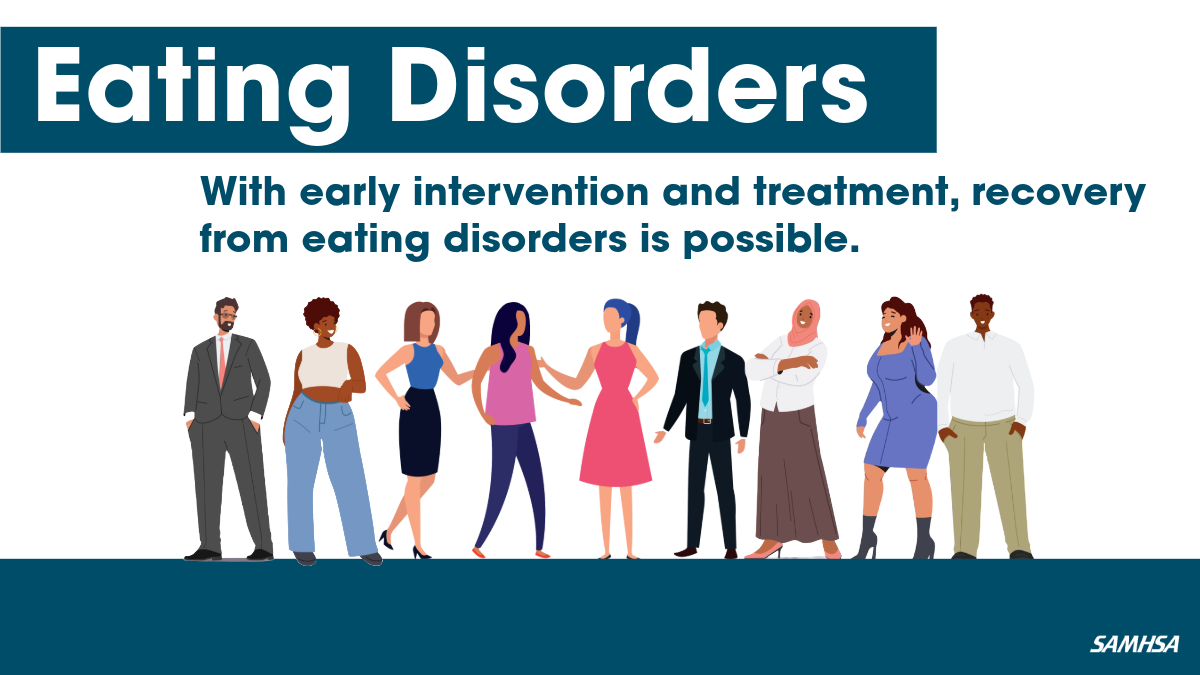
Nearly 1 in 10 people in the US will have an eating disorder during their lifetime. Some of these conditions can be serious and possibly even deadly. It is crucial to break silence and raise awareness of this public health problem. This week marks the week of raising awareness of national disorders, one year to increase understanding, reduce stigma and exchange support and hope for those affected. It also provides the opportunity to highlight resources available for those looking for help. With treatment and long -term recovery, most people with eating disorder can make a complete recovery.

Understanding eating disorders

Eating disorders are mental health conditions that include persistent and annoying attitudes, behaviors and feelings to eating. Eating disorders often include an unhealthy perception of weight and food intake. There are four common nutrition disorders: anorexia nervosa, eating disorder, nervous bulimia and food intake disorder.

Eating disorders can have a serious impact on individual health and well -being. People with eating disorders are in higher risk for suicide and medical complications. It is also very common for people with eating disorders to have other serious mental health conditions and substance use disorders. Almost all people with a life diagnosis of an eating disorder have a co -existing psychiatric disorder, usually a mood disorder, anxiety disorder or substance disorder. In addition, people with eating disorders have 5-6 times higher percentage of suicide attempts by those who do not have an eating disorder. Each year, more than 10,000 deaths are the immediate result of an eating disorder – this is a death every 52 minutes. That is why the efforts to prevent and early intervention are so important. The faster the signs of these diseases are recognized and treated through treatment, the greater the likelihood of long recovery.

Here are some ordinary myths and related events.

Myth 1: People with eating disorders are only concerned about their natural appearance and “choose” unhealthy eating habits.

Facts: Like other challenges for behavioral health, eating disorders are complex medical and mental conditions with risk factors that people do not choose. Genetics, gender, age, developmental stage, neurobiology, personality characteristics, traumas, stressors, ideals of socio -cultural appearance, nutrition culture, childhood experiences, peers, parents and parents are pronounced, Develop a deformed body image or eating disorder. People with eating disorders can have persistent thoughts on their body size/shape and food. The discomfort associated with these thoughts can lead them to repeat behaviors, such as food, cleaning, food or types of foods, etc. Those who are often affected are a lack of control of their thoughts and behaviors.

Myth 2: Eating disorders only affect young women.

Facts: Eating disorders can affect anyone regardless of age, gender, body size, demographics, geographical position or socio -economic status. Disturbed consumption, such as unhealthy diet, binging or cleaning, is almost as common in men. women. Men are about one -third of diagnoses with eating disorder.

Myth 3: People with eating disorders appear to be degraded or ill.

Facts: People with eating disorders have a wide range of body and health types. Only 6% of people with eating disorders are considered “degraded”. An average weight or over the average weight could fight with an eating disorder. Behaviors that include (but not limited to) bypassing meals, diet, over -consumption, only eating certain foods, extreme exercise and excessive concern about size or appearance may indicate a disturbed diet or diet disorder.

The diagnosis of an eating disorder is complex and includes holistic overall physical and psychological evaluations that require the know -how of a health professional to examine age, genetics, family history, eating and exercise habits, and for young people, a series of developmental developmental factors.

Samhsa’s commitment to deal with eating disorders

Samhsa is dedicated to improving the prevention, detection and treatment of eating disorders at national level. The Samhsa Center of Excellence provides healthcare professionals, family carers and community members with new tools, high quality training and technical assistance to be able to recognize the signs and ensure that people with eating disorders are identified, treated and supported. The training grant program to raise the awareness of mental health helps to increase the awareness of eating disorders in the context of greater efforts to promote and prevent mental health.

Samhsa has also played a role in national efforts to study the impact of the use of social media on youth, including whether it contributes to disturbed nutrition. In 2024, Task Force Health and Safety on the health and safety of children-Samhsa and the National Telecommunications and Information Management of the US Department of Commerce-were released “best practices for families and guidance for industry (PDF | 2.4 MB)”. The integrated report includes testimonies from parents and youth, including some who experienced nutrition disorders after prolonged exposure to specific content.

And for those in danger, Samhsa’s 988 Lifeline Suicide & Crisis Provides free and confidential support (with call, text or conversation) 24 hours a day, 7 days a week, in the United States.

What can you do for eating disorders

You can make the difference – during the national week of disorder awareness now (and always) – in a variety of ways, including the exchange of Samhsa resources and helping to raise awareness.

  • Educate yourself in eating disorders and find out the differences between myths and events.
  • Get involved prevention efforts and help promote or encourage healthy approaches to eating and positive body image.
  • Support A loved one by listening actively and showing empathy, patience and understanding. We know that this can be a difficult conversation. Find a safe and comfortable environment for your loved one. Stick to the facts, but be honest and take care of. Help ensure that your loved one feels heard and validated and encourage them to seek professional help, because recovery is possible.

By taking these steps, you can promote a strong understanding, break the silence around nutrition disorders, and build a supportive community where someone struggling with a diet disorder feels, heard, and is valued. Together, we can pave the way for healing and hope.

To learn how to get support for mental health conditions, visit findsupport.gov. If you are looking for treatment services in your community, visit Findtreatment.gov or the National alliance for eating disorders. If you or someone you know needs additional support or is in crisis, call or text 988 or conversation 988lifeline.org for help 24-7.

Resources

Breaking Disorders Eating silence
bhanuprakash.cg
healthtost
  • Website

Related Posts

Every mental health journey starts with being seen

May 2, 2026

Eating disorders in pregnancy and breastfeeding: Why “healthy eating” is not always easy

May 1, 2026

What animal studies teach us about toxic work environments

April 27, 2026

Leave A Reply Cancel Reply

Don't Miss
Fitness

If you can still do these 7 things at 60, your body is aging better than most

By healthtostMay 2, 20260

Aging has a way of slowing down your body. It can affect your muscles, strength…

AI scribes save doctors time, but fail to reduce overtime

May 2, 2026

Every mental health journey starts with being seen

May 2, 2026

The truth about waterless care: What your skin really needs

May 2, 2026
Stay In Touch
  • Facebook
  • Twitter
  • Pinterest
  • Instagram
  • YouTube
  • Vimeo
TAGS
Baby benefits body brain cancer care Day Diet disease exercise finds Fitness food Guide health healthy heart Improve Life Loss Men mental Natural Nutrition Patients Pregnancy protein research reveals risk routine sex sexual Skin Skincare study Therapy Tips Top Training Treatment ways weight women Workout
About Us
About Us

Welcome to HealthTost, your trusted source for breaking health news, expert insights, and wellness inspiration. At HealthTost, we are committed to delivering accurate, timely, and empowering information to help you make informed decisions about your health and well-being.

Latest Articles

If you can still do these 7 things at 60, your body is aging better than most

May 2, 2026

AI scribes save doctors time, but fail to reduce overtime

May 2, 2026

Every mental health journey starts with being seen

May 2, 2026
New Comments
    Facebook X (Twitter) Instagram Pinterest
    • About Us
    • Contact Us
    • Privacy Policy
    • Terms and Conditions
    • Disclaimer
    © 2026 HealthTost. All Rights Reserved.

    Type above and press Enter to search. Press Esc to cancel.