


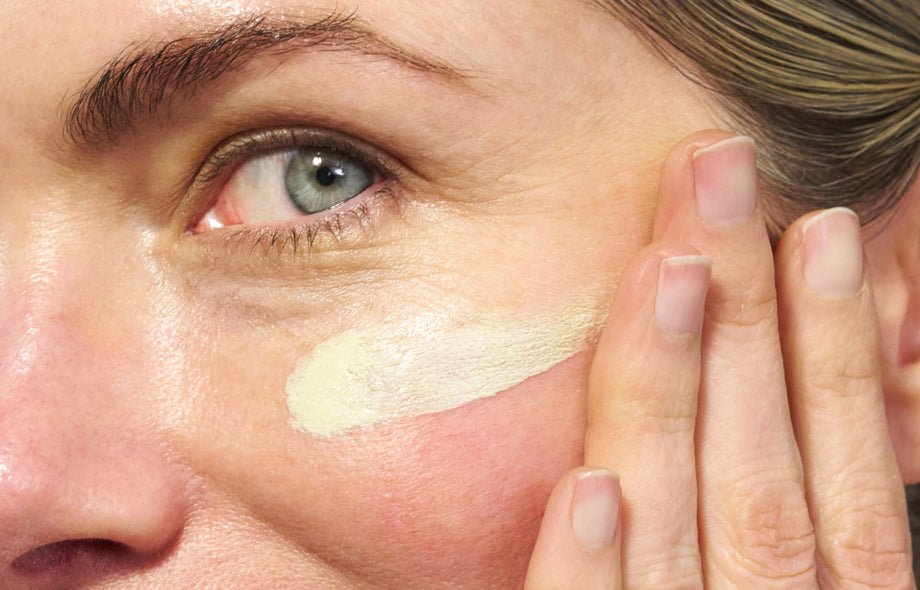
Redness is one of the most common – and often misunderstood – skin problems.
It can come on suddenly, linger unpredictably, and shift from day to day, which is exactly why it can lead to overly complicated routines. More products, more steps, more attempts to fix what is difficult to control.
In fact, treating redness-prone skin is less about tension and more about consistency. The most effective approach focuses on supporting the skin barrier, reducing irritation and choosing products that offer both immediate and long-term results.
What causes skin redness?
Redness is not a single condition. it is often the result of many factors working together.
Common triggers include:
- Temperature changes and difficult weather conditions
- Stress and lifestyle factors
- A disrupted skin barrier
- Excessive exfoliation or overly active skin care
- Naturally sensitive or rosacea-prone skin
When the skin barrier is weakened or overwhelmed, it becomes more reactive. This is when redness occurs more easily, lasts longer, and becomes more difficult to treat with quick fixes alone. The good news? With the right routine, it becomes manageable.
A step-by-step skincare routine for redness-prone skin
A consistent, well-balanced routine will always outperform a complex routine. The goal is to reduce visible redness while supporting the skin so it becomes less reactive over time. Here’s how to create a routine using Tropic products, from first cleansing to SPF.
1. Clean gently
Start with a cleanser that revitalizes skin without stripping it.
Redness-prone skin benefits from formulas that respect the skin barrier, such as the Hydrating Cleansing Revitalizing Facial Gel and the unscented Skin Smoothing Cleanser Purifier. Over-cleansing or using harsh surfactants can increase sensitivity, making redness more noticeable. The golden rule: if your skin feels tight after cleansing, your cleanser is working against you.
2. Moisturize and support the skin barrier
Hydration plays a central role in soothing sensitive skin care.
Look for formulas that replenish moisture and help maintain a strong, resilient skin barrier, like Rainforest Dew Hydration Serum. When the barrier is supported, the skin is better equipped to self-regulate and appears more even over time.
3. Keep exfoliation in mind
Exfoliation can improve skin texture, but for redness-prone skin, restraint is key.
Excessive exfoliation is one of the most common causes of increased sensitivity and visible redness. Limiting your use and choosing gentle formulas like Juicy Greens Exfoliating Toning Essence helps maintain balance without upsetting the skin.
4. Introduce formulas that reduce redness
This is where your routine begins to actively address redness on a deeper level.
Our Skin Re-Leaf Soothing Moisturizer harnesses the regenerative properties of Madagascar leaf of life with a soothing blend of tamanu oil and tiger grass, reducing the appearance of redness by 28% after an average of 28 days*. It’s the kind of consistent, targeted care that makes the biggest difference over time.
*Independent clinical study. Average result after 28 days.
5. Finish with calm and correct for immediate and continuous results
To quickly reduce facial redness, a well-designed color correcting treatment can make a noticeable difference.
Calm & Correctour new 4 in 1 color correcting treatment is specially designed for skin prone to redness and rosacea. Conceals, primes, protects and conditions in a beautifully lightweight formula.
Here’s what makes it different from a typical color corrector:
Direct support: Natural green pigments instantly neutralize the appearance of redness, while SkinSync™ adaptive pigments match your skin tone for seamless, natural-looking coverage – without a flat, ashy finish.
Progressive support: Clinically proven cica exosomes help calm visible inflammation and strengthen the skin barrier over time, while barrier-supporting marine bioactives soothe reactivity and maintain hydration. Used daily, Calm & Correct doesn’t just hide redness – it actively works to reduce it. In an independent clinical study, users saw an 18% reduction in skin redness after 28 days, with 98% reporting visibly reduced redness, less sensitivity and more even skin*.
Proactive Support: UV exposure is a known trigger for flare-ups. Calm & Correct is built in SPF 50 with PA++++ UVA defense – the highest level of UVA protection – to help defend against one of the most common aggravators of redness.
The result is a single step that replaces a color-correcting skin tone, an SPF, a primer and a supportive skin treatment, without sacrificing performance on any front.
*Independent clinical study. Average results after 28 days when tested on rosacea-prone skin.

Daily habits that help reduce redness
Skin care is only part of the picture. Daily habits play an important role in how redness-prone skin behaves, and small adjustments can make a noticeable difference:
- Avoid very hot water on the face
- Pat the skin dry instead of rubbing it
- Introduce new products gradually
- Keep your routine consistent
- Protect the skin from environmental factors – especially UV exposure
What to avoid if you have skin prone to redness
When skin is reactive, simplicity matters. Helps to avoid:
- Overloading your routine with multiple active ingredients at once
- Hard scrub or aggressive exfoliation
- Switch between products frequently
- Anything that leaves the skin feeling tight, dry or uncomfortable
A helpful check-in is how your skin feels after each step. Peace of mind and comfort are always the goal.
Frequently asked questions
How do you quickly reduce redness on the face?
To quickly reduce the appearance of redness, use gentle skincare, avoid common triggers such as heat or harsh products, and apply a color correcting treatment to instantly even out skin tone. Calm & Correct’s natural green pigments neutralize redness on contact for an instant, even finish.
What helps to calm redness-prone skin long-term?
A consistent routine that focuses on hydration, barrier support, and minimal irritation helps skin feel calmer and look more even over time. Targeted ingredients such as chika exosomes and marine bioactives – found in Calm & Correct – can also help gradually reduce sensitivity with daily use.
Is the redness the same as rosacea?
Not always. Redness can be temporary and caused by environmental or lifestyle factors, while rosacea is a long-term chronic skin condition that may require special treatment. If you are unsure, it is always worth seeking professional advice.
Why does my skin redden so easily?
The skin becomes more reactive when the barrier is degraded or frequently exposed to factors such as temperature changes, stress or certain ingredients. Continuously supporting your skin barrier is one of the most effective ways to reduce reactivity over time.
Can makeup make redness worse?
Heavier or irritating formulas can sometimes make redness worse. Light, breathable products designed for sensitive skin are less likely to disturb the skin and can actively support it throughout the day.
