


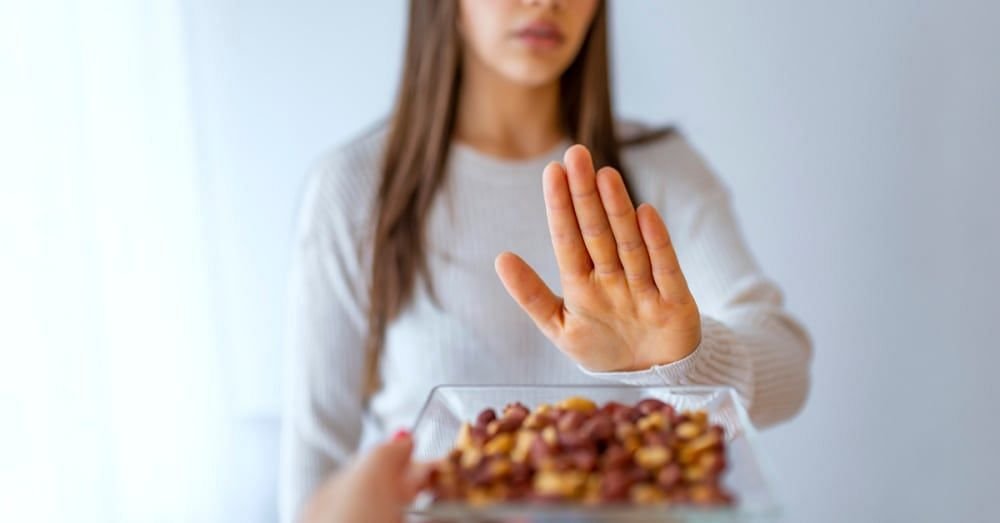
Millions of people around the world are now affected by the increasing prevalence of food allergies and food intolerances in today’s world. In the US, 32 million people suffer from food allergies. To manage these problems, we must pay close attention to what we consume and be constantly aware of potential allergens. People develop a food allergy when their immune system overreacts to a food, classifying it as a danger and activating a defense mechanism. However, managing food allergies and intolerances while eating a variety of delicious diets is easy if you have the right information and strategies. In this blog, we’ll also understand the differences between food allergies and intolerances, look at typical causes, offer helpful tips for dealing with these issues, and emphasize the importance of consulting a medical professional.
What are the differences between food intolerance and food allergies?
Both food allergies and food intolerances involve adverse reactions to specific foods, but they are separate conditions. Knowing the distinction between them is essential:
- Food allergies: If a person has a food allergy, their immune system reacts to specific food proteins. A small amount of an allergic meal can cause many symptoms, such as hives, swelling, difficulty breathing or anaphylaxis. Peanuts, tree nuts, fish, eggs, milk, wheat, soy, shellfish, some fruits, and dairy products are among the common food allergies.
- Food intolerances they do not affect the immune system like allergies. Instead, they are caused by difficulty digesting specific food components. Common intolerances include sensitivity to food additives such as MSG or sulfites, lactose intolerance, gluten intolerance (celiac disease), and gluten. Intestinal discomfort, diarrhea and skin rashes are some symptoms.
What is the main reason for the allergy?
An allergy develops when your immune system mistakenly recognizes a normally safe substance as a potentially harmful invader. After that, the immune system creates antibodies that continue to be on the lookout for that particular allergen. These antibodies can stimulate the production of several immune system chemicals, including histamine, which results in allergy symptoms when re-exposed to the allergen.
The following are typical allergy triggers:
- Airborne allergens such as pollen, animal dander, dust mites and mold.
- Certain foods, such as peanuts, tree nuts, wheat, soy, fish, shellfish, eggs, and milk.
- Insects like bees or wasps that sting people.
- Medicines, especially antibiotics, contain penicillin or are based on penicillin.
- Contact with latex or other chemicals can cause allergic skin reactions.
What are the symptoms of food allergies?
Symptoms of a food allergy usually appear two hours after eating. Food allergies can cause many symptoms ranging from mild to severe. After an allergic reaction, you may feel that:
- Skin rash or cells.
- swollen eyelids or lips;
- itching of the mouth, throat and tongue.
- difficulty swallowing and hoarse voice.
- coughing, wheezing or shortness of breath.
- diarrhoea, vomiting and stomach pain.
- loss of consciousness or dizziness.
How do you recognize and manage triggers?/What is the best treatment for food allergies?/How can I treat my allergies naturally?
Effective treatment of these disorders depends on accurate identification of allergies and intolerances. Here are some basic steps to take:
- Consult a doctor or an allergist: If you think you may have a food allergy or intolerance, get expert advice. Allergists can perform tests to identify triggers and confirm allergies.
- Read the labels on your food: Reading food labels is vital if you have a food allergy or intolerance.
- Be aware of cross-contamination: Cross-contamination can occur when allergenic foods are prepared or cooked with other foods.
What are the five ways to manage food allergies?
- Communicate your needs: It is important to let others know if you have food intolerances or allergies, especially if you plan to eat out or attend social gatherings. Tell your loved ones, close acquaintances and colleagues about your health and any risks of cross-contamination.
- Plan your snacks and meals: Making your own snacks and meals gives you more control over what you eat. Discover allergy-friendly recipes and identify substitutions that are right for you.
- When eating out, be careful: Consider calling ahead to discuss your dietary requirements with restaurant staff. To make sure your food is safe, ask about ingredient changes or substitutions. Also, choose restaurants that know and accommodate dietary restrictions, such as Maza Mediterranean Grill.
- Pack safe snacks: When traveling or attending activities, take safe snacks to ensure you have adequate options available.
- Understand for yourself: Food allergies and intolerances can change over time, so stay up to date on the latest findings.
What foods should you avoid if you have food allergies?/ What foods cause the most food allergies?
Although any food has the potential to cause an allergic reaction, however, certain foods are responsible for the vast majority of severe allergic reactions caused by food. The following foods are responsible for more than 90% of food allergies. So if you want to take advantage of food allergy treatments, please be aware.
- Cow’s milk: Between 2 and 7.5 percent of children and infants experience allergic reactions to cow’s milk.
- Eggs: According to one study, between 0.5 and 2.5 percent of young infants have an egg allergy. The most common egg allergy has been identified to be an ovalbuminoid protein found in egg whites.
- Wheat: Wheat allergies are common in young people and can cause serious reactions such as anaphylaxis.
- Soy: A soy allergy affects about 0.4% of children and 50% outgrow it by the age of seven.
- Peanuts: In the United States, 0.6% of adults and 1% of children suffer from a peanut allergy.
- Walnuts: About 1% of the general population has nut allergies.
- Crustacean: Between 0.5 and 5 percent of people have a shellfish allergy. Shellfish allergies affect the crustacean (including crabs, lobsters, crayfish, shrimp, krill, woodlice, and molluscs) and mollusc (including squid, octopus, and cuttlefish) families.
- Fish: The prevalence of finfish allergy in the general population ranges from 0.22 to 2.29%, but can be as high as 8% among those working in the fish processing industry.
What to eat when you have allergies?
When thinking about how to treat food allergies, keep in mind that the following options have a very low chance of causing an allergic reaction and will boost your immune system while helping to eliminate food allergies:
- Green leafy vegetables: Including leafy vegetables in the diet helps to strengthen the immune system and facilitate detoxification. Eating five or more servings of fruits and vegetables daily has been shown to improve the antibody response, which can significantly reduce allergy symptoms.
- Food rich in probiotics: It can help heal a damaged gut lining, boost immune health, and possibly reduce your body’s increased sensitivity to food triggers that cause allergy symptoms.
- Bone Broth: Bone broth is among the healthiest foods for improving gut health, which supports immune system performance and a healthy inflammatory response.
- Coconut milk: Coconut milk is a fantastic choice for anyone with dairy, soy or nut allergies and lactose intolerance because it is completely free of these ingredients. It also contains no grains, nuts or soy.
- Almond Butter: Almond butter provides a safe and nutritious substitute for those with peanut and peanut butter allergies.
- Seeds: Like nuts, seeds are rich in omega-3 fatty acids, although they are usually non-allergenic. Omega-3, fiber, protein, vitamin B1, manganese, magnesium, phosphorus and selenium are among the nutrients found in flaxseed.
- Gluten-free seeds/flours: Limiting the intake of cereals and flours that contain wheat or gluten reduces the risk of developing allergic symptoms.
How to prevent the development of food allergies? How can I prevent food allergies naturally?
Although some food allergies can be fatal, not all reactions require immediate medical attention. Avoiding the foods you are allergic to is the best method to prevent symptoms caused by food allergies. However, there are several things you can do at home to find relief if you come into contact with a trigger meal. For example, drinking ginger tea, eating foods high in probiotics, and using antihistamines can all help relieve the discomfort associated with a minor food allergy. You can feel better by using these remedies. It is necessary to stop the reaction to avoid feeling sick.
conclusion
You may have to work harder if you have a food allergy or intolerance, but that shouldn’t stop you from eating a balanced diet. You can overcome these food boundaries by understanding your allergy condition, identifying triggers, and implementing effective strategies. Remember to communicate clearly and seek competent advice.
