


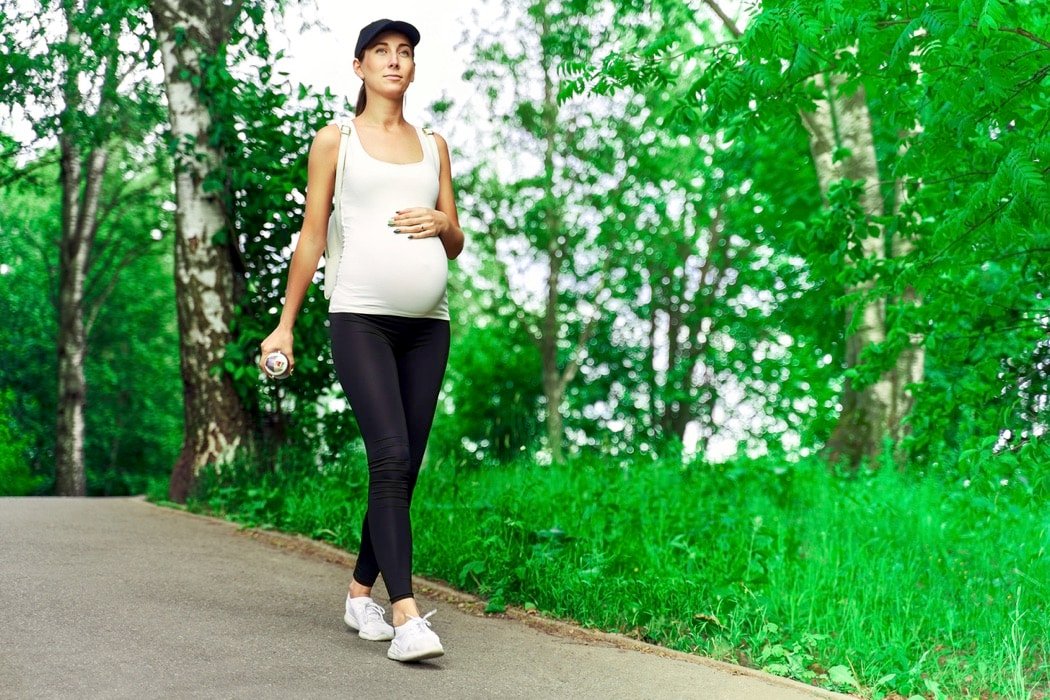
Pregnancy advice often comes wrapped in pressure: eat this, avoid that, exercise more, rest when you can. But a new JAMA study offers a surprisingly practical message for parents-to-be who may not have the time, energy or ability to fit in structured workouts: sitting a little less and moving around a bit during the day can make all the difference.
The study, published online May 27, 2026, followed 470 pregnant participants from the first trimester until delivery as part of the Pregnancy 24/7 cohort. Instead of relying on people remembering how much they moved, the researchers used thigh-worn activity trackers during each trimester to measure sitting time, light activity and daily steps. They then compared these patterns with pregnancy outcomes pulled from medical records, including hypertensive disorders of pregnancy, gestational diabetes, preterm birth and babies born small for gestational age.
The findings were impressive. Participants who sat for about 10 or more hours a day had more than twice the risk of adverse pregnancy outcomes compared to those who sat for about seven hours a day. Those with the highest levels of light-intensity activity – the kind of movement that includes standing, walking slowly and simply standing – had about half the risk compared to those who moved the least. Daily steps also appeared to matter: people in the moderate and high step groups had lower rates of adverse outcomes than those with the lowest steps.
What makes this study particularly relevant is that it doesn’t frame pregnancy health as something that can only be improved by exercise sessions or intense workouts. Current guidelines already recommend 150 to 300 minutes of moderate-intensity activity each week during pregnancy when medically appropriate, but many pregnant women struggle with fatigue, nausea, pain, work demands, childcare, or just the mental burden of everyday life. This study shows that the rest of the day may also deserve more attention.
Standing more, breaking up long stretches of sitting, walking a little more, or adding small spots of movement throughout the day were all part of the larger “sit less, move more” pattern associated with better outcomes. The researchers also found that these associations held even after adjusting for moderate-to-vigorous activity and pre-pregnancy BMI, suggesting that the benefits were not just about who was already doing formal exercise.
The study also adds to a shift in how we talk about pregnancy and rest. For years, pregnant women with certain concerns were often told to limit activity or get more rest, but research on bed rest has raised questions about whether prolonged inactivity can sometimes do more harm than good. This does not mean that people should ignore medical advice, especially in high-risk pregnancies. It means the old assumption that more sitting automatically equals a safer pregnancy deserves a closer look.
There are limits. This was a cohort study, so it cannot prove that reducing sitting directly prevents complications. Participants were volunteers, most were White, and findings may not apply equally to every pregnancy or health condition. The researchers also grouped many results together, which helped them study broader pregnancy risk, but makes it harder to know whether light exercise affects each complication in the same way.
However, the takeaway is encouraging because it feels doable. Pregnancy can make “exercise more” sound overwhelming, especially when one is already exhausted. But “get up for a few minutes,” “take a short walk,” “split an hour of sitting,” or “add a few more steps where possible” may feel more realistic.
This study also aligns with research we covered earlier this year on bed rest and preterm labor. In this article, the AWARE study found that activity restriction does not appear to prolong pregnancy for women at high risk of preterm birth due to a shorter cervix. In fact, the most sedentary participants—those who averaged fewer than 3,500 steps a day—were more likely to give birth earlier and had more than twice the risk of giving birth before 34 weeks. This new JAMA study looks at a broader pregnancy population, but the message is similar: more sitting isn’t always safer, and gentle daily movement may deserve a bigger place in pregnancy care discussions.
For parents-to-be, the message is not to turn pregnancy into another wellness show. It’s recognizing that small, gentle movement can have value. For health care providers, it may be time to make light activity part of the conversation — not as a replacement for recommended exercise and not as a one-size-fits-all rule, but as a practical option for the many pregnant women who need real-life advice.
As always, anyone with pregnancy complications, pain, bleeding, dizziness, high blood pressure, or activity limitations should talk to their care provider before changing their routine. But for many pregnancies without complications, this study suggests that the healthiest movement may not need to start with exercise. It might start with simply getting up a little more often.
