

Close Menu
Healthtost
  • News
  • Mental Health
  • Men’s Health
  • Women’s Health
  • Skin Care
  • Sexual Health
  • Pregnancy
  • Nutrition
  • Fitness
  • Recommended Essentials
What's Hot

What Really Works (and What Doesn’t)

April 22, 2026

New plug-and-play AI outperforms pathologists in detecting lymph node metastases

April 22, 2026

How accurate are herpes blood tests?

April 22, 2026
Facebook X (Twitter) Instagram
  • About Us
  • Contact Us
  • Privacy Policy
  • Terms and Conditions
  • Disclaimer
Facebook X (Twitter) Instagram
Healthtost
SUBSCRIBE
  • News

    New plug-and-play AI outperforms pathologists in detecting lymph node metastases

    April 22, 2026

    Injectable immunotherapy shrinks precancerous oral lesions in clinical trials

    April 21, 2026

    Final Patient Completes Phase Ib Clinical Study of AlzeCure with NeuroRestore ACD856

    April 21, 2026

    Certain prenatal medications are linked to an increased risk of autism

    April 20, 2026

    Study reveals significant gaps in MMR vaccine knowledge among ER patients

    April 20, 2026
  • Mental Health

    I hate hope: How to manage hope when you have treatment-resistant bipolar disorder

    April 19, 2026

    Rose Byrne is raw, magnetic and unfiltered as a woman in crisis

    April 18, 2026

    Can a single mother change her child’s surname in India?

    April 16, 2026

    Is it anxiety or OCD? 2 psychology experts explain the difference

    April 14, 2026

    Understanding the different types of treatment: C…

    April 10, 2026
  • Men’s Health

    Study finds many UK adults want to avoid ultra-processed foods but can’t clearly define them

    April 21, 2026

    How can you get the best sleep?

    April 21, 2026

    The Crazy Hard Standards of the Hardest PE Program in History

    April 20, 2026

    Becoming revolutionaries in our time: Calling men to change the world for good

    April 20, 2026

    35-minute bodyweight chest workout routine at home

    April 16, 2026
  • Women’s Health

    Mineral vs. Chemical Sunscreens Explained

    April 21, 2026

    Scientists identify simple rituals like drinking tea to help reconnect focus in a distracted world

    April 20, 2026

    Rooted in Justice and Joy: BWHI Appears for Black Maternal Health Week 2026

    April 20, 2026

    Can a girl be so tight it hurts? The Truth About Pelvic Strain – Vuvatech

    April 18, 2026

    At 76, she went from knee pain every night to climbing 7 flights without pain

    April 17, 2026
  • Skin Care

    What it is and how to do it right – Lifeline Skin Care

    April 21, 2026

    Best Face Mask Set: What to Use for Your Skin Goals

    April 21, 2026

    Earth Day Activities: A Fun Guide to Plogging and More

    April 20, 2026

    Calm & Correct: The 4-in-1 color correcting treatment

    April 19, 2026

    How to Get Glowing Skin: Beauty Guide

    April 17, 2026
  • Sexual Health

    How accurate are herpes blood tests?

    April 22, 2026

    Understanding the Asexual Spectrum — Sexual Health Alliance

    April 21, 2026

    The importance of sex and intimacy in the elderly

    April 18, 2026

    Judicial reform is the only real way out of today’s political hell

    April 15, 2026

    Personal and Professional considerations between generations

    April 15, 2026
  • Pregnancy

    Cameron Rodgers wants you to know you’re not the only one Googling “WTF is going on in my body” at 2 a.m.

    April 22, 2026

    A gentle space to navigate the becoming of motherhood

    April 21, 2026

    Transfer to birth center C-section, birth center VBAC and Surprise Footling Breech Transfer to home

    April 18, 2026

    What is an Onbuhimo? Everything you need to know about this underrated carrier

    April 18, 2026

    Is Saffron Milk safe in the 9th month of pregnancy?

    April 16, 2026
  • Nutrition

    What Really Works (and What Doesn’t)

    April 22, 2026

    What foods to avoid if you have fatty liver disease

    April 18, 2026

    Peanut Chicken Bowl + $75 Peanut Lover’s Giveaway

    April 18, 2026

    7 selective tips that really work

    April 17, 2026

    Baked Egg Muffin Cups with Vegetable Crust

    April 17, 2026
  • Fitness

    Why Professional Athletes Swear By Cold Therapy Tubs For Fast Recovery

    April 21, 2026

    Questions to Ask Before Choosing a Health Coaching Certification Program

    April 20, 2026

    Foods to support midlife health

    April 20, 2026

    Identity Inversion: Part 2 – Ben Greenfield Life

    April 19, 2026

    Lessons from an adaptive dance program

    April 19, 2026
  • Recommended Essentials
Healthtost
Home»News»The study offers a picture of how the brain handles a lot of information
News

The study offers a picture of how the brain handles a lot of information

healthtostBy healthtostApril 22, 2025No Comments4 Mins Read
Facebook Twitter Pinterest LinkedIn Tumblr Reddit WhatsApp Email
The Study Offers A Picture Of How The Brain Handles
Share
Facebook Twitter LinkedIn Pinterest WhatsApp Email

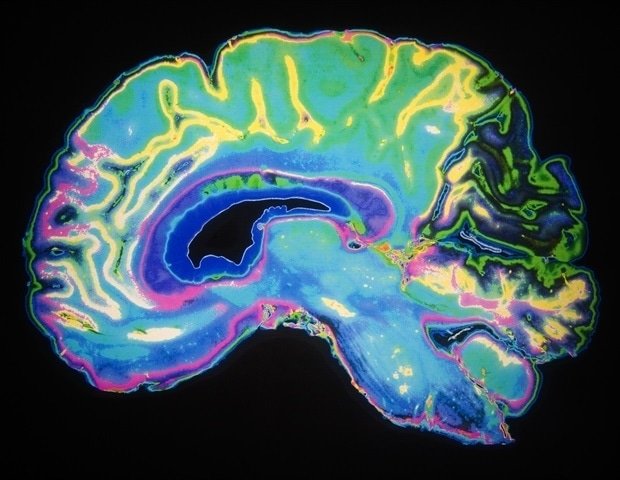
A new study offers a picture of what is happening in our minds when our working memory has to use its limited resources to remember many things.

Researchers have found that two parts of the brain work together to ensure that more brain resources are given to remember a priority element when a person weighs more than one elements in memory.

The study included people who remember spatial sites. Imagine seeing two books on different shelves of a full library that had not been settled in any order. How could you remember where it was if you returned a few seconds later?

This is the job of working memory, which temporarily stores information in your brain for a short period of time, while editing and deciding what to do with it, said Hsin-Hung Li, chief author of the study and assistant professor of psychology at the University of Ohio.

In this study, recently published in the magazine Scientific progressLee and his colleagues observed the activity in the brain, while people tried to remember the position of two objects.

Very often when you try to remember many things, one item can be more important than another.


What we have found is that the most important element is represented in the brain more accurately, while the least important element is given much lower resolution. “


Hsin-Hung Li, Head of Study Author and Assistant Professor of Psychology, Ohio State University

In the example of the library, you may remember exactly where on a particular shelf was the most important book. But you may only know that the least vital book was somewhere in the upper left corner of the library.

The study involved participants whose brain was scanned on a FMRI machine while looking at a screen. They showed two dots and their goal was to memorize their positions on the screen. Participants said it was more important to remember the place of the dot that appeared in an area of ​​the screen-this was the high priority element.

The two dots appeared on the screen at the same time for half a second. Twelve seconds later the participants were asked where one of the dots appeared. Usually, they were asked where the high priority dot appeared. But about 30% of the time, they were asked to indicate where the low priority dot had appeared.

The researchers found that they could see activity in the visual cortex of the brain, as participants attempted to memorize the position of the dots, Lee said. The high priority dot was represented more accurately, while the low priority dot was represented more coarsely, with less resolution.

This brain tactic worked. Later, when the participants reported where they had seen the dots on the screen, they put the high priority dot closer to its real position than they did with the low priority dot.

The researchers found something else when they analyzed FMRI scanning – the frontal cortex of the brain communicated with the visual cortex, telling it the level of resources it must allocate to remember the position of each dot.

“With limited memory resources, the frontal bark decides which dot will get more resources, so we will remember more accurately,” Li said.

This finding was important because neuroscientists had discussed which part of the brain – the frontal cortex or visual cortex – is responsible for working memory that includes visual objects, such as dots in this study.

“We found that both had a role. The visual cortex creates the visual representation of the two dots trying to remember people,” he said.

“But the frontal cortex makes this decision to allocate about who to get more work -memory resources and who to get less.”

Another unique part of this study was the fact that the researchers decoded the brain activity of people who consider two different things at the same time for each test, which has rarely been done.

“It’s a very useful technique and I think scientists will use it more in the future. There are so many situations in which people try to keep many thoughts in their minds and it is very useful to be able to decode more than one,” Li said.

This project was supported by the National Institutes of Health, Alfred P. Sloan Research Fellowship, UCSB Academic Senate Grant and Swartz Foundation Postdoctoral Fellowship.

Lee did a research at the University of New York, where he received his doctorate and was a postdoctoral researcher. Other co-authors in the study were Thomas Sprague, a former NYU postdoctoral collaborator now at the University of California, Santa Barara. And Aspen Yoo, Wei Ji Ma and Nyu’s Clayton Curtis.

Source:

Magazine report:

Li, H.-H., et al. (2025). Nervous mechanisms of resource distribution in working memory. Scientific progress. doi.org/10.1126/sciadv.adr8015.

brain handles Information lot offers picture study
bhanuprakash.cg
healthtost
  • Website

Related Posts

New plug-and-play AI outperforms pathologists in detecting lymph node metastases

April 22, 2026

Injectable immunotherapy shrinks precancerous oral lesions in clinical trials

April 21, 2026

Study finds many UK adults want to avoid ultra-processed foods but can’t clearly define them

April 21, 2026

Leave A Reply Cancel Reply

Don't Miss
Nutrition

What Really Works (and What Doesn’t)

By healthtostApril 22, 20260

A scientific guide to supporting your body’s natural detoxification systemsAuthor: Megan XipolitosWhy detox is so…

New plug-and-play AI outperforms pathologists in detecting lymph node metastases

April 22, 2026

How accurate are herpes blood tests?

April 22, 2026

Cameron Rodgers wants you to know you’re not the only one Googling “WTF is going on in my body” at 2 a.m.

April 22, 2026
Stay In Touch
  • Facebook
  • Twitter
  • Pinterest
  • Instagram
  • YouTube
  • Vimeo
TAGS
Baby benefits body brain cancer care Day Diet disease exercise finds Fitness food Guide health healthy heart Improve Life Loss Men mental Natural Nutrition Patients People Pregnancy research reveals risk routine sex sexual Skin Skincare study Therapy Tips Top Training Treatment ways weight women Workout
About Us
About Us

Welcome to HealthTost, your trusted source for breaking health news, expert insights, and wellness inspiration. At HealthTost, we are committed to delivering accurate, timely, and empowering information to help you make informed decisions about your health and well-being.

Latest Articles

What Really Works (and What Doesn’t)

April 22, 2026

New plug-and-play AI outperforms pathologists in detecting lymph node metastases

April 22, 2026

How accurate are herpes blood tests?

April 22, 2026
New Comments
    Facebook X (Twitter) Instagram Pinterest
    • About Us
    • Contact Us
    • Privacy Policy
    • Terms and Conditions
    • Disclaimer
    © 2026 HealthTost. All Rights Reserved.

    Type above and press Enter to search. Press Esc to cancel.