



A skin care routine is essential to maintain skin health, improve appearance and prevent future problems.
Within this regimen, moisturizers and serums are cornerstone products, each playing a unique role in achieving healthy, clear, and beautiful skin.
However, despite their common goal of improving skin health, they differ significantly in composition, purpose, texture, and how they should be incorporated into a skin care routine.
So in this article, I’ll delve into those details and help you understand the differences between moisturizers and serums and how to use each product to achieve optimal skin health.
What is serum?
Serums are lightweight, highly concentrated formulations designed to deliver powerful active ingredients deeper into the skin and initiate a biochemical reaction that will target specific skin concerns.
They consist of small molecules that easily penetrate the outer layers, offering solutions for skin problems such as dryness, acne, lines and wrinkles, texture or hyperpigmentation.
Serums are usually water-based, although there are oil-based options that cater to different skin types and needs.
What is a moisturizer?
Moisturizers, on the other hand, are thicker, creamier formulations that aim to slow transepidermal moisture loss by forming an occlusive barrier on the skin’s surface.
This barrier locks in moisture from the deeper layers of the skin and prevents it from evaporating while protecting the skin from environmental aggressors such as pollution and dry air.
These products are made with a blend of humectants, emollients and occlusives and can be thicker or lighter in texture to suit different skin types and needs.
Ingredients: The key differentiators
Serum ingredients
Serums are packed with active ingredients meant to solve specific skin problems.
Common components of serums include:
Vitamin C: An antioxidant that protects the skin from free radicals in the environment and reverses cellular damage that leads to symptoms such as dullness, uneven skin tone and pigmentation.
Hyaluronic Acid is a humectant that brings moisture from the environment or deeper layers of the skin to the surface, keeping the top layer of the skin hydrated, soft and plump.
Niacinamide: An anti-inflammatory and antioxidant ingredient that helps improve skin barrier function, resulting in smoother, more even skin.
Retinol: A vitamin A derivative that promotes cell renewal and addresses skin problems such as acne, wrinkles, texture and pigmentation.
Moisturizer ingredients
Moisturizers contain ingredients that are mainly aimed at moisturizing and protecting the skin barrier.
These include:
hygroscopically such as glycerin and hyaluronic acid, which draw water into the skin.
Emollients such as squalane, shea butter and jojoba oil to smooth and soften the skin by filling the gaps between skin cells.
Occlusives such as petroleum jelly and beeswax, which create a natural barrier to prevent moisture loss.
Texture and consistency: A tactile difference
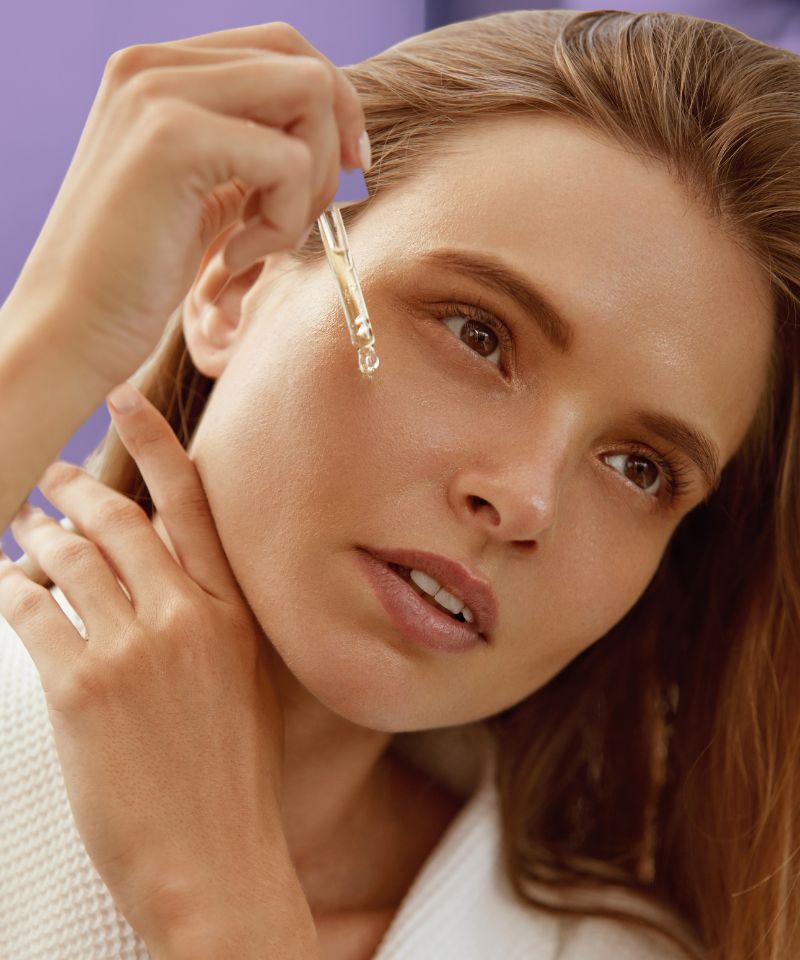
Serum texture
Serums are usually light in texture, ranging from watery to gel, and absorb quickly into the skin, making them suitable for layering under other skin care products.
Due to their water-based formulation, some serums may feel slightly tacky or tacky upon application, but this sensation usually disappears once the product is fully absorbed.
Moisturizer texture
Moisturizers come in a variety of formulations, from light lotions to thick creams.
They are designed to be applied over serums and other treatments to lock in moisture and create a protective barrier on the skin’s surface.
The texture depends on the composition of the moisturizer and the amount of water, oil and other ingredients, making them versatile for different skin types and concerns.
Effects on the Skin
Immediate results
Terms: Due to the high concentration of active ingredients, serums have a more direct effect on the skin, offering fast and noticeable results such as reduced acne, brighter skin tone, improved appearance of lines and wrinkles and refined texture.
Moisturizing creams: Upon application, moisturizers provide immediate moisturizing action, leaving the skin soft, supple and protected. Additionally, while moisturizers also contain active ingredients, they are not as concentrated as serums, so their effects may take a little longer to become visible.
Long term benefits
Terms: With regular use, serums can significantly improve the health and appearance of skin, addressing issues such as lines, wrinkles, dark spots, acne and overall skin texture.
Moisturizing creams: Continued use helps maintain skin hydration levels, prevents transepidermal water loss and supports the skin’s barrier function, keeping it healthy and resistant to environmental stressors and pathogens that can aggravate or trigger inflammatory skin conditions.
How to use a moisturizer and a serum together?
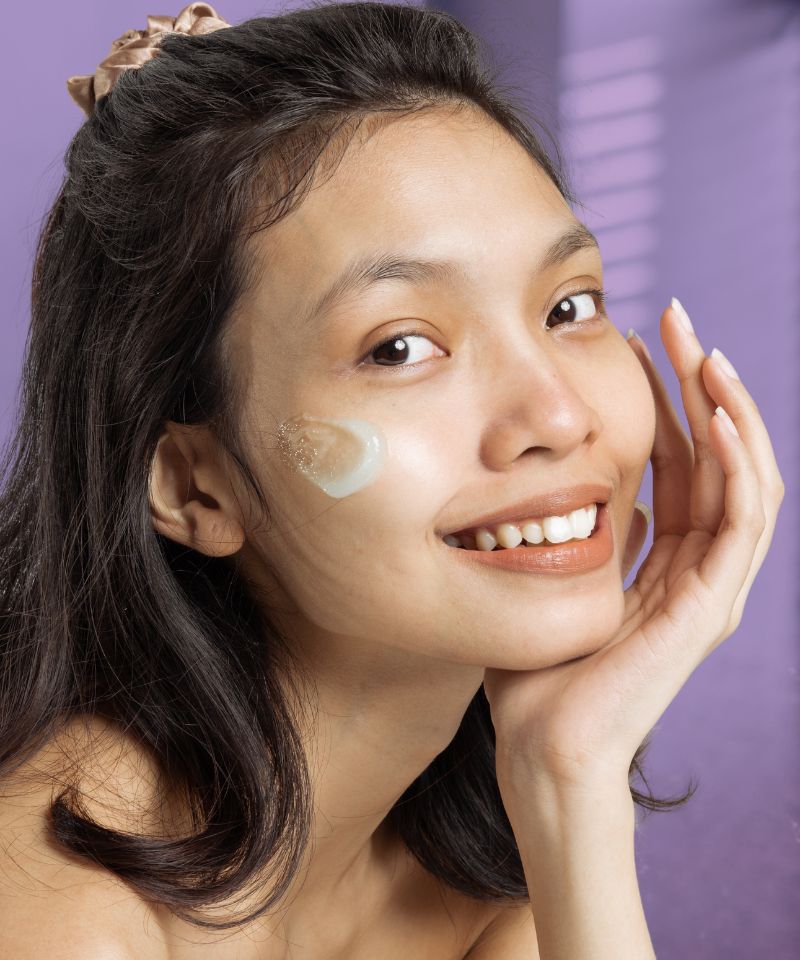
Application order
Serums should be applied after cleansing and toning but before moisturizing.
Their delicate composition allows them to penetrate deep into the skin, where their active ingredients can be most effective.
Moisturizers are applied after serums to lock in the active ingredients from the previous product and ensure skin remains hydrated and protected.
Frequency of application
Depending on their ingredients, both serums and moisturizers can be used daily.
Serums should be applied once or twice a day depending on product strength and skin tolerance.
For example, hydrating serums can be applied twice a day, while active serums containing ingredients such as exfoliating acids or retinoids should only be applied once a day (depending on skin tolerance) as part of a nightly skincare routine.
On the other hand, moisturizers should be used twice a day, morning and night, to maintain optimal hydration levels and barrier health.
Choosing the right products for your skin
Your choice of serums and moisturizers should be based on your skin type, concerns, and the results you hope to achieve.
Dry Skin
For those with dry skin, choosing a serum rich in hydrating ingredients like hyaluronic acid, glycerin and PCA is crucial, as these ingredients help attract water to the skin and retain moisture.
On the other hand, avoid serums with high concentrations of alcohol or perfumes, as they can strip the skin and increase dryness and discomfort.
When choosing a moisturizer, those with dry skin should look for products rich in emollients and occlusives, such as shea butter, ceramides, and petroleum jelly, to nourish the skin and lock in moisture.
Avoid moisturizers with a high content of drying alcohols or those that are too light, as they may not provide adequate hydration or protection for dry skin.
Oily skin
For people with oily skin, it is beneficial to look for serums that contain active ingredients such as glycolic acid or niacinamide.
These can regulate oil production, improve enlarged pores and reduce shine.
On the other hand, oily skin should avoid oil-based serums or heavy oils, which can aggravate oiliness and contribute to breakouts.
When choosing a moisturizer, those with oily skin should choose lightweight, water-based formulas, often labeled as “non-greasy,” to ensure they won’t clog pores.
On the other hand, avoid heavy, clogging moisturizers with ingredients like petroleum jelly or coconut oil, as these can be too rich and exacerbate oily skin concerns.
Sensitive Skin
For people with sensitive skin, it is important to choose serums that contain soothing and calming ingredients, such as aloe vera, chamomile, panthenol, Centella Asiatica, etc., which are effective in dealing with inflammation and redness.
On the other hand, avoid serums with harsh exfoliants, high concentrations of vitamin C, or synthetic fragrances, as these can irritate sensitive skin, cause side effects, and even cause permanent skin conditions like rosacea and dermatitis.
When choosing a moisturizer, those with sensitive skin should look for fragrance-free products that contain barrier-boosting ingredients like ceramides and squalane to nourish and protect the skin and reduce inflammatory reactions caused by environmental pathogens.
On the other hand, moisturizers with artificial colors, fragrances, or preservatives should be avoided, as they can worsen sensitivity and irritation.
Aging of the skin
For people with aging skin, it is recommended to choose serums rich in antioxidants, such as vitamins C and E, and retinoids, which are known for their powerful anti-aging properties.
These ingredients help stimulate collagen production, reduce the appearance of fine lines and wrinkles, and improve overall skin tone and texture.
However, it is important to avoid serums with harsh ingredients such as high concentrations of alcohol or perfumes, which can irritate and dry out the skin.
When choosing a moisturizer, those with aging skin should look for products that contain hydrating and repairing ingredients like hyaluronic acid, peptides and ceramides that help restore the skin’s moisture barrier and improve its elasticity.
Avoid moisturizers that are too light and don’t provide enough hydration or nourishment, as aging skin tends to be more prone to dryness.
The post The Differences Between Moisturizers and Serums appeared first on The Skin Care Culture.
