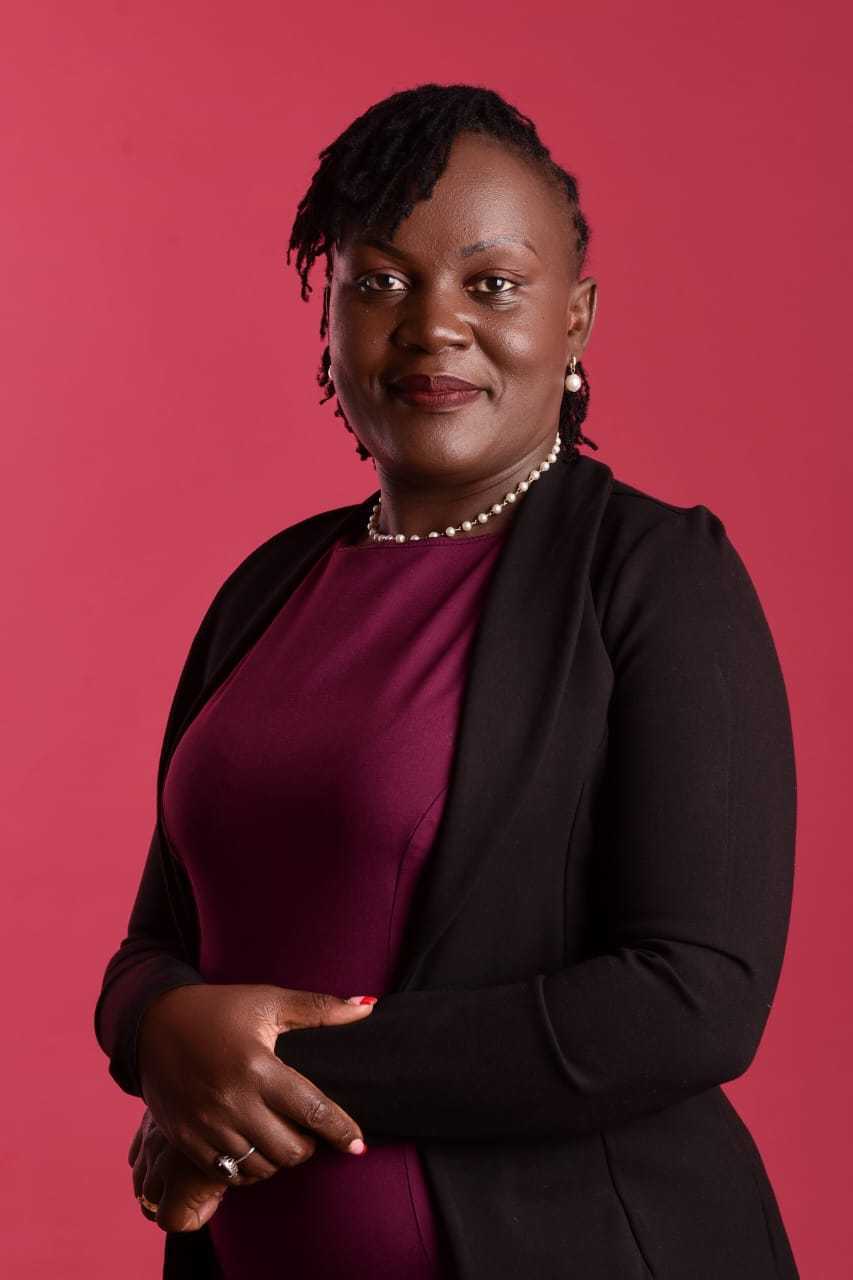
By Serah Malaba, its Co-CEO Tikoan African non-profit organization working with governments, health providers and local community-based organizations to redesign healthcare systems for adolescent girls in sub-Saharan Africa.
****
As health leaders, policymakers, civil society organizations and communities gather in Mombasa for the 9th RHNK AYSRHR Pan-African Scientific Conference this week, one question stands above all others: who is funding the thriving service and the future of Africa’s girls? The World Health Summit in Nairobi set the agenda for African health dominance: integration of care, domestic financing and systems built to outlast donor cycles. Now we have to ask if this agenda is reaching the girls who need it most.
In sub-Saharan Africa, unintended pregnancy, HIV and sexual and gender-based violence (SGBV) do not exist as separate crises. They are a single, mutually reinforcing and dangerous triple threat that undermines the health, education, safety and economic future of girls and young women.
In Kenya, the scale of the crisis is written in the government’s own data. THE Kenya Economic Survey 2026recorded 232,102 teenage pregnancies in 2025, up from 224,000 the previous year, including 11,605 among girls aged 10 to 14. Under Kenyan law, each of these pregnancies is rape. Young women account for nearly 65% of new HIV infections among 15-24 year olds there. SGBV combines both. A girl who has experienced sexual violence is significantly more likely to acquire HIV and have an unintended pregnancy. However, violence prevention is in an entirely different funding stream.
These are symptoms of a deeper systemic failure: fragmented health responses supported by systems and funding. Girls don’t live their lives in silos, yet our budgets and service delivery force them to. Kenya is no exception. This is the reality across the continent.
HIV services, adolescent reproductive health and SGBV prevention – the ‘triple threat’ – are funded separately and often operate in completely different departments. Education, social protection, justice and health systems operate in parallel silos, even though they serve the same girls, with multifaceted needs.
A girl’s sexual and reproductive health (SRH) needs are not separate line items. Age-appropriate information, contraceptive care, HIV prevention and treatment, SGBV screening, psychosocial support, legal protection, school reintegration, financial assistance: it’s all connected. Services must also be. Integrated, scalable models have already proven that they can reach girls and young women with personalized services, in cities and in the most inaccessible settings, at affordable prices. When powered by technology and real-time data, they improve continuity of care, reduce attrition, and create the accountability infrastructure needed to track outcomes.
First line delivery belongs to governments. Triple threat interventions must be integrated into government development work plans and health budgets and not treated as isolated donor-funded pilot projects on the fringes.
Social transformation depends on an extremely high-yield strategy: investing in girls and young women. Data from the World Bank shows that every dollar invested in a girl yields a tenfold return for her community, a trend that could help African countries unlock an additional $2.4 trillion in income by 2040. To realize this vision, however, we must prioritize Triple Threat core care. Funding contraceptive services for girls beyond current levels is a vital piece of this puzzle, offering a clear preventive dividend by saving $3.70 in maternal, newborn and abortion care costs for every dollar spent.
This discussion is particularly urgent because the funding landscape is changing rapidly. Across sub-Saharan Africa, governments are making tougher decisions about what to fund domestically. In this context, we must be clear: spending on girls’ health is not a cost. Returns cannot be ignored. The girls stay at school. Long-term health costs that decrease. A workforce that is actually growing. An intergenerational cycle of poverty that is finally breaking. When we invest early and see the returns that is what we call a Girl Dividend. Losing these girls to preventable crises is an economic loss that Africa cannot continue to absorb.
Moving away from donor dependency means that governments take genuine ownership of girls’ sexual and reproductive health services. This looks different in each context: cost-sharing agreements, direct service contracts, integration into national health insurance systems. But the direction must be the same: committing household funds specifically to girls’ health so they are not crowded out of maternal health pools, removing barriers that prevent girls from accessing care that is already funded, and moving toward results-based funding that rewards what works, not what’s just familiar.
The triple threat is not inevitable. It’s a policy choice, supported by fragmented systems, chronic underinvestment and a refusal to connect what we already know. We have the evidence. We have the models. We have the road map. What we are waiting for is the political will to treat girls not as a problem to be contained, but as an investment that determines whether Africa’s future is what we say we want.