


With Dr. LeahPharmD & Cancer Researcher — Founder, EpiLynx by Dr. Lia | June 1, 2026 | 5 minutes reading
You’ve got your skin care in order. You’ve found fragrance-free products that don’t cause your reactions. And then you reach for your lipstick – a product you’ve been using for years – and realize you have no idea what’s in it. For anyone with celiac disease, this is the category of makeup that matters most. Here is the science and the solution.
Why lip products are the highest risk makeup category for celiac disease
The fundamental issue is simple: lip products are swallowed. Unlike foundation on your cheeks or eyeshadow on your lids—both of which are applied to intact skin where large molecules like gluten generally can’t penetrate—lip products come into contact with mucous tissue. Every lick of the lips, every bite of food while wearing lip color, every drink consumed while wearing lip gloss carries some amount of the ingredients of this product directly into the oral cavity and digestive system.
Studies have estimated that the average lipstick wearer consumes approximately 24 milligrams of lipstick per day through normal usage behaviors. For a product containing ingredients derived from wheat, that represents 24 mg of daily gluten exposure — repeated daily, year-round, for as long as this product is used.
For context: the threshold for intestinal damage in celiac disease is generally thought to be around 10-50 mg of gluten per day. A gluten-containing lipstick worn daily can represent a significant fraction of that limit — particularly when combined with other inadvertent gluten exposures from hand-to-mouth transfer during food preparation.
This is not a theoretical concern. It’s one of the most clinically important, least-discussed aspects of celiac disease management — and that’s why EpiLynx lip products were among the first products created when Dr. Liia founded the brand.
What to look for on a lip product label—and what to avoid
The red flags of gluten in lip products
- Triticum Vulgare Starch (Wheat) / Germ Oil / Protein — wheat derivatives in lip products for texture and conditioning
- Tocopherol / Tocopherol Acetate (Vitamin E) — extremely common in lip products as a moisturizing antioxidant. very often derived from wheat germ
- Hordeum Vulgare (Barley) Extract. — less common but present in some “natural” lip products
- Hydrolyzed Wheat Protein — used as an emollient film former
Additional concerns for allergy-prone skin
- Fragrance / Fragrance — most lip products are scented. Ingesting fragrance continues with lip products. allergy-prone skin reacts to fragrance-derived contact allergens on the oral mucosa
- Carmine (CI 75470) — red pigment from cochineal beetles; a known allergen; not vegan; very common in conventional pink and red lip products
- Castor oil derivatives — common lip gloss base. generally well tolerated, but check brand specific supply if interested
- Lanolin — common in traditional grooming lipsticks. a possible allergen for people sensitive to wool
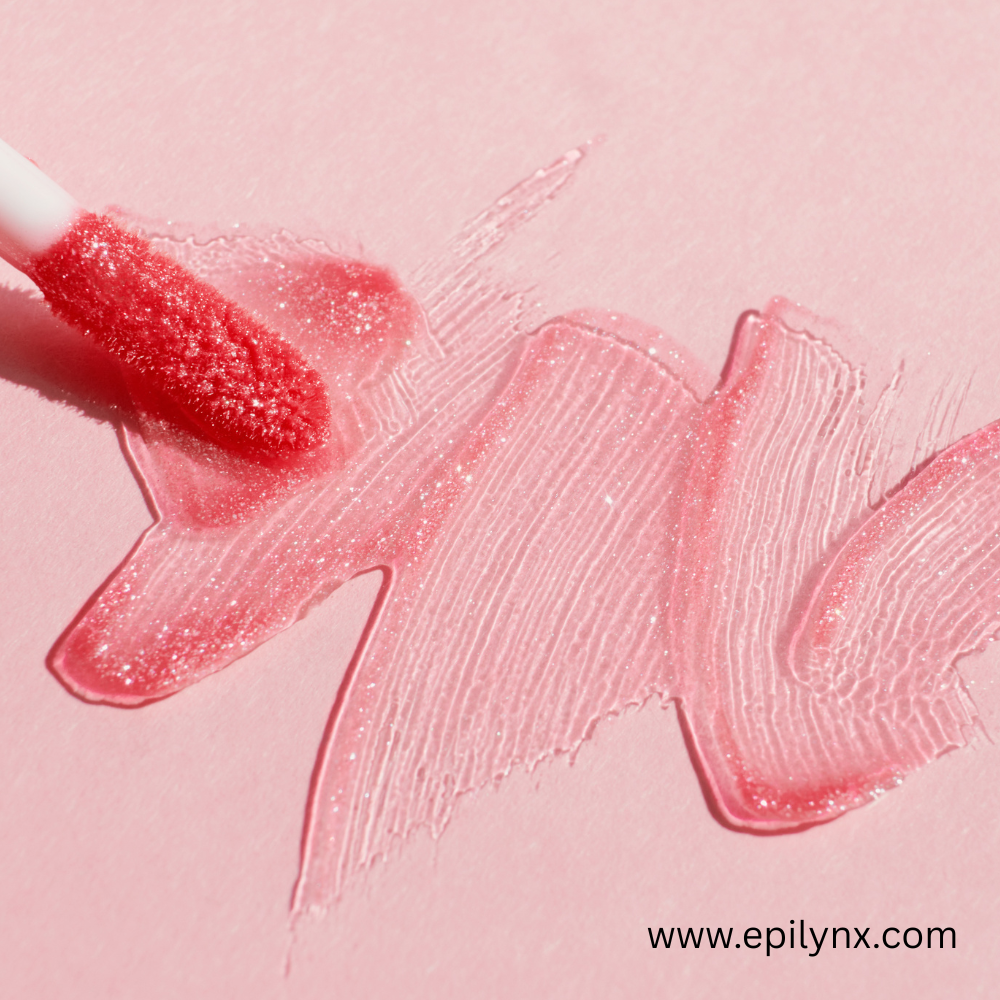
EpiLynx Color Intense Liquid Lipsticks & Lip Glosses — The Safe Choice for Celiac Disease, Food Allergy and Sensitive Lips
💄 Color Intense Liquid Lipsticks & High Shine Lip Glosses
Vibrant, long-lasting color in a matte lipstick and high-shine glossy finish — vegan, gluten-free and allergen-friendly for celiacs, food allergies and sensitive lips.
- Available shades: Fruit de la Passion & Terra (Matte), Skinny Dip, Frost Bite, Sweet Tooth, Funfetti (Gloss)
- Highly pigmented — bold, beautiful color payoff with long wear
- Tridecyl trimellitate base — moisturizing, non-drying, comfortable all-day wear
- Gluten-free, allergen-friendly, vegan, cruelty-free — safe for celiacs and food allergies
- Carmine-free, lanolin-free, fragrance-free — truly hypoallergenic lip color
Shop Lip color → Allergen-free makeup →
Use a password EPILYNXGLOW25 25% off · Free shipping on orders $54+
The Complete Allergen-Free Makeup Checklist for Celiac Disease and Food Allergy
Beyond lip products, the priority makeup categories for allergen review:
- Mascara — hydrolyzed wheat protein is a common lash extender in mascaras. check the INCI carefully
- Foundation / BB Cream — wheat starch appears in some powder finishes. Fragrance is extremely common in liquid formulas
- Blush / Bronzer — carmine in pinks and reds. fragrance in pressed powder formulas
- Eye shadow — nickel and cobalt allergens in metallic pigments; fragrance in pallets
Shop the EpiLynx Complete Allergen Free Makeup Collection →
Frequently Asked Questions
Do people with celiac disease need gluten-free lipstick?
Yes — lip products are swallowed directly. Studies estimate that approximately 24 mg of lipstick per day is ingested through normal use. For celiac disease, any lip product with ingredients derived from wheat represents daily gluten intake that can approach the threshold for intestinal damage. Gluten-free lip color is a no-brainer for dealing with celiac disease.
What makes a lipstick or lip gloss safe for celiac disease?
Expressly certified gluten-free (wheat, barley, rye and unverified oat free) with verified wheat-free tocopherol, fragrance-free, carmine-free and allergen-free dyes. EpiLynx lip products meet all these criteria. Market →
Are vegan lipsticks better for sensitive skin?
Often yes – vegan lip products avoid carmine (a common allergen), lanolin (potential allergen) and beeswax. Vegan iron oxide pigments are generally better tolerated. But vegan alone is not enough – the product must also be gluten-free and fragrance-free for celiacs and allergy-prone lips.
Wear color with confidence — Knowing exactly what you’re putting on your lips
EpiLynx Lip Color: vegan, gluten-free, allergen-friendly — formulated by a pharmacist for the makeup category that matters most to celiac and food allergy skin.
Shop All Makeup →
Use a password EPILYNXGLOW25 25% off · Free shipping on orders $54+
