



A 2026 review pooled 800 studies and nearly 58,000 people and came to a blunt conclusion. Exercise can be one of the most powerful treatments available for depression and anxiety. This finding has significance far beyond the gym, because a person’s state of mind rarely stays put. It shows in how patient they are, how present they feel and how much they have to give to a partner at the end of a hard day.
Fitness works in a relationship through two channels. The first runs through the individual, where regular movement stabilizes mood and reduces environmental stress that erodes patience. The second runs through the couple, where side-by-side training builds a kind of connection that conversation alone doesn’t produce. Both are supported by research and together explain why so many strong relationships have a shared run or stand-up exercise session somewhere in the routine.
Exercise as mental health therapy
The evidence base is large and consistent. The 2026 umbrella review covered 57 pooled analyzes and 800 separate studies across ages 10 to 90, and a 2025 analysis of 80 studies and more than 8,000 students found the same pattern, with physical activity linked to measurable improvements in mental health. These are not small samples or isolated results.
Mechanisms are well mapped. Exercise moderates the body’s response to stress, elevates chemicals associated with mood, and improves sleep, three pathways that each feed into a calmer state of mind. Dosage also plays a role. Research indicates that single 30- to 40-minute sessions are most effective in relieving anxiety and low mood, with a frequency of three to five times per week producing the strongest benefit. Mind-body forms such as Qigong performed three times a week for 9 to 12 weeks showed particularly strong results for people starting with high initial symptoms. A person does not have to train like an athlete to feel the mental return.
Personal fitness and the relationship
A partner who exercises regularly brings a more stable version of himself home. Lower stress means fewer short fuses, better sleep means more patience, and the confidence that comes with physical progress tends to trickle down to how one handles conflict. None of this requires the relationship to change. A person who takes care of his own mental health quietly raises the floor for both people on it.
The reverse is also visible. When stress and low mood are not managed, they leak into the relationship as irritability, withdrawal, and less goodwill. Fitness is one of the few habits that addresses the root rather than the symptom, which is why its effect on a couple is more profound than a better mood every night.
Stress, conflict and the body
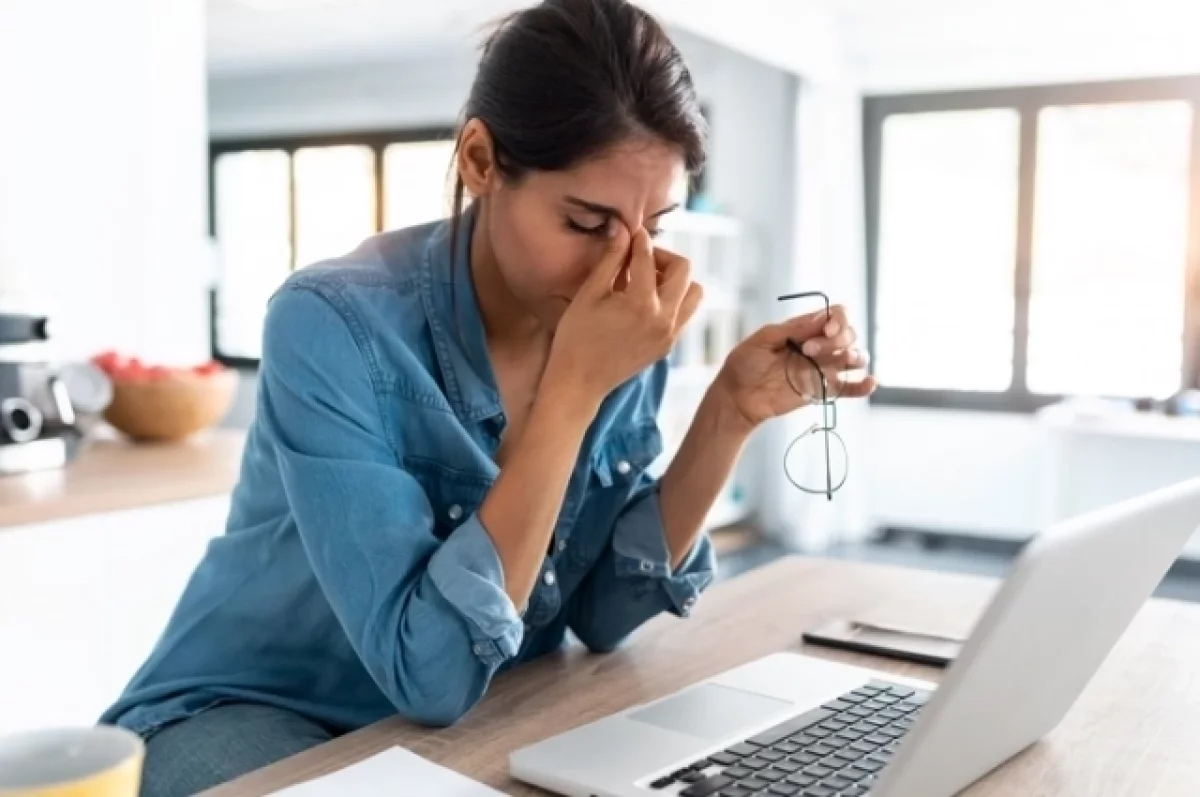
Most relationship conflicts have less to do with dishes than with an already thinned-out nervous system where small frictions matter more than they should. Chronic stress keeps the body in a low-quality fight-or-flight state that reduces composure and limits the patience a partner can offer. The argument that breaks out over something trivial is often a response to the stress of wearing a house uniform.
Exercise to relieve stress is one of the most immediate ways to discharge this burden. A rough session burns off the physical remains of a stressful day, lowers the stress hormones that predispose people to conflict, and restores the baseline a couple returns to each evening. Partners who regularly move their bodies tend to end up in arguments with more space to listen because the underlying tension has to go somewhere other than the relationship.
Training Together and the Bonding Effect
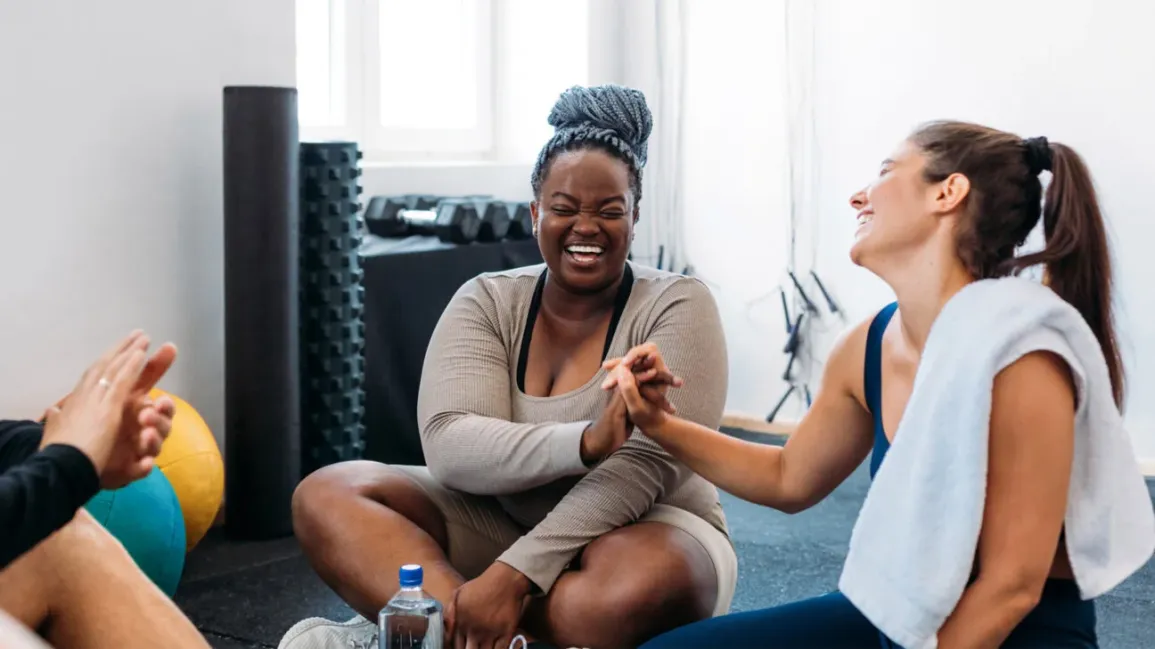
Exercise as a couple can improve your relationship in ways that solo workouts can’t. When two people move in sync, their heart rates rise and fall together in a pattern researchers call physiological synchrony, and this shared rhythm creates trust below the level of conscious thought. The nonverbal matching that occurs during a pair training session lets couples report a stronger sense of bonding.
Relationship data monitors physiology. Couples who exercise together report more positive moments together and higher relationship satisfaction than couples who exercise separately or not at all. Working out becomes a deposit in the relationship, a small recurring investment that combines the way most good habits do, and the effort one partner sees the other putting in is care, not obligation.
Accountability and a shared routine.
The motivation is the quiet benefit of training as a couple. People stick to exercise plans much more often when a partner is part of them, and a couple’s shared beliefs about fitness determine how much effort each person puts forth. The result is the consequence, which is the only factor that decides whether benefits of exercise appear at all.
A standing session also solves a problem most couples face, which is finding time together that isn’t based on a meal or a screen. A morning walk or evening lift doubles as bonding and self-care, and because both people benefit, no one has to choose between their relationship and their health. Habit protects time as well as bodies.
A practical starting point
The research-supported goal is modest. Three to five sessions per week of 30 to 40 minutes each cover most of the mental health benefits and do not require corresponding levels of fitness. One partner can run while the other bikes, or both can walk and talk, as long as the time is shared and regular. Walking is the most underrated form of exercise for this very reason as it requires no equipment and no skill.
Starting small protects the habit. A couple that commits to two short walks a week and sticks to them is better than a couple that schedules a daily workout and gives up within a month. It’s all about stability, and the relationship thrives when the routine is something both people can maintain without resentment. Build it into a solid slot during the week and it ceases to be a decision to trade each day.
Fitness as Relationship Maintenance
Strong relationships are built on small, repetitive things, and shared fitness is one of the most reliable of these. It addresses each partner’s mental health, creates a physical bond that words can’t create, and builds the accountability that keeps the habit alive. None of this depends on intensity or matching ability, and a regular walk together does more for a couple than an occasional burst of effort. Couples who keep this up strengthen the exercise in the relationship itself, and the mental health of both partners remains more stable for it.
Refusal
The Content is not intended to be a substitute for professional medical advice, diagnosis or treatment. Always seek the advice of your doctor or other qualified health care provider with any questions you may have about a medical condition.
