


Close Menu
Healthtost
  • News
  • Mental Health
  • Men’s Health
  • Women’s Health
  • Skin Care
  • Sexual Health
  • Pregnancy
  • Nutrition
  • Fitness
  • Recommended Essentials
What's Hot

If you can still do these 7 things at 60, your body is aging better than most

May 2, 2026

AI scribes save doctors time, but fail to reduce overtime

May 2, 2026

Every mental health journey starts with being seen

May 2, 2026
Facebook X (Twitter) Instagram
  • About Us
  • Contact Us
  • Privacy Policy
  • Terms and Conditions
  • Disclaimer
Facebook X (Twitter) Instagram
Healthtost
SUBSCRIBE
  • News

    AI scribes save doctors time, but fail to reduce overtime

    May 2, 2026

    Identifying the ages at which Alzheimer’s biomarkers change sharply

    May 1, 2026

    Timing of food may shape how T cells respond to infection and therapy

    May 1, 2026

    UCLA researchers build programmable artificial organs using RNA

    April 30, 2026

    Sapio Sciences brings Claude Cowork to the lab

    April 30, 2026
  • Mental Health

    Every mental health journey starts with being seen

    May 2, 2026

    What animal studies teach us about toxic work environments

    April 27, 2026

    I hate hope: How to manage hope when you have treatment-resistant bipolar disorder

    April 19, 2026

    Rose Byrne is raw, magnetic and unfiltered as a woman in crisis

    April 18, 2026

    Can a single mother change her child’s surname in India?

    April 16, 2026
  • Men’s Health

    3 Day Home Workout Plan: Build Muscle and Burn Fat

    April 30, 2026

    GLP-1 drugs promise broader health benefits, but experts advise caution on use

    April 28, 2026

    Trauma patients recover faster when medical teams know each other well, new study finds

    April 28, 2026

    I did red light therapy for 3 months so I shouldn’t have

    April 27, 2026

    Sex Secrets for Men Over 40: Surviving Male Menopause

    April 27, 2026
  • Women’s Health

    What is the difference between UVA and UVB rays?

    May 1, 2026

    Are you a fungus fanatic? We unpack the nutritional trend of mushroom mania

    April 29, 2026

    What the Patients’ Bill of Rights Could Mean for Black Women

    April 29, 2026

    Navigating sexual health during and after cancer

    April 28, 2026

    Do tampons break the hymen? Facts, Myths and What You Need to Know – Vuvatech

    April 27, 2026
  • Skin Care

    The truth about waterless care: What your skin really needs

    May 2, 2026

    What happens to your skin while you sleep? (the science of “Beauty Sle

    May 1, 2026

    Face Peeling Mask Guide: Shine Without Irritation

    April 28, 2026

    Is your moisturizing face mist really drying out your skin?

    April 28, 2026

    Uses and Benefits of TNW Natural Aloe Vera Face Gel – The Natural Wash

    April 27, 2026
  • Sexual Health

    Boost erectile health and confidence

    May 1, 2026

    Judicial Restrictions on Abortion COVID-19 < SRHM

    April 30, 2026

    Can herpes affect fertility?

    April 29, 2026

    The Importance of Personalized Care in Medication Assisted Therapy (MAT) Programs I Novus

    April 28, 2026

    Your favorite mold is lying to you (a little) — Sexual Health Alliance

    April 28, 2026
  • Pregnancy

    5 things you need for the third trimester

    May 1, 2026

    Eating disorders in pregnancy and breastfeeding: Why “healthy eating” is not always easy

    May 1, 2026

    Comprehensive yoga for pregnancy, birth and beyond

    April 29, 2026

    Midwifery and Life – The postnatal health check New mums don’t know they can ask for

    April 28, 2026

    Epidural and unmedicated delivery with two different deliveries

    April 26, 2026
  • Nutrition

    How to create a self-care plan when you’re stressed

    May 1, 2026

    I answer the most HOT Questions about Fatty Liver

    April 29, 2026

    Why You’re Not Losing Weight After 35 (Even When You Eat Less)

    April 28, 2026

    Where to eat in London

    April 27, 2026

    Dr. Will Cole on Why Hire FDN Professionals

    April 26, 2026
  • Fitness

    If you can still do these 7 things at 60, your body is aging better than most

    May 2, 2026

    A Hike Leader’s Must-Have Kit

    April 30, 2026

    Menopausal Hair Loss Solutions: 10 Expert Tips

    April 29, 2026

    Identity Inversion: Part 1 – Ben Greenfield Life

    April 29, 2026

    How to improve accessibility in your gym

    April 28, 2026
  • Recommended Essentials
Healthtost
Home»Skin Care»The difference between a tonic and an astringent
Skin Care

The difference between a tonic and an astringent

healthtostBy healthtostMarch 31, 2024No Comments6 Mins Read
Facebook Twitter Pinterest LinkedIn Tumblr Reddit WhatsApp Email
The Difference Between A Tonic And An Astringent
Share
Facebook Twitter LinkedIn Pinterest WhatsApp Email

Tonics and astringents are liquid care products that have slightly different effects on the skin.

Tonics keep skin firm, hydrated and balanced, while astringents help control oil production and minimize the appearance of enlarged pores.

While both products aim to cleanse and rejuvenate the skin, their formulations, benefits and suitability for different skin types differ significantly.

Therefore, in this article, I will delve into the differences between a toner and astringent, describing how they work, their ingredients, the skin types and concerns they address best, and the pros and cons of incorporating them into your skincare routine. your skin.

Note: I can show you how to never have acne again. If you have acne and want it to go awayread this message.

How do toners work?

Toners are versatile skin care products designed to remove makeup residue and impurities after cleansing and balance the skin’s pH after exposure to hard tap water and drying surfactants in cleansers.

Toner is applied after you wash your face and before the rest of the products in your skin care routine.

They’re lightweight and can prep the skin to help it better absorb the active ingredients in your next products, like essential oils, serums, and moisturizers.

Their formulations have evolved from simple astringents to complex blends that address various skin needs and offer multiple skin benefits, including hydration, exfoliation and skin soothing.

Toner ingredients

There are different types of toners that cover specific skin problems:

Hydrating tonics: They contain humectants such as glycerin and hyaluronic acid that attract moisture to the skin, making them ideal for dry and dehydrated skin types.

Exfoliating toner: These contain exfoliating ingredients such as salicylic acid, glycolic acid and lactic acid, which remove dead skin cells, clear pores and resurface the skin.

Brightening Toners: Contains melanin-inhibiting ingredients such as niacinamide and vitamin C, which help fade dark spots, even skin tone and improve radiance.

Soothing tonics: Contains soothing ingredients such as aloe vera, chamomile and allantoin, which soothe irritations and reduce redness and are suitable for sensitive skin.

Who are toners best for?

Toners can be great for treating most skin problems and are suitable for all skin types, depending on the ingredients they contain:

Dry and Sensitive Skin: You should choose an alcohol-free toner with moisturizing and soothing ingredients.

Oily and acne-prone skin: Can benefit from toners with exfoliating acids that help control excess oil and prevent breakouts.

Combination skins: May require a balanced toner that hydrates dry areas while controlling T-zone oiliness.

Mature skin: May benefit from exfoliating toners that contain milder acids such as lactic acid to hydrate the skin and improve radiance.

Sun damaged skin: May benefit from radiance-enhancing toners containing niacinamide and vitamin C to smooth skin and reduce the appearance of hyperpigmentation.

The advantages of using toner:

  • Enhances skin hydration and retains moisture.
  • It can provide extra cleansing and remove residual impurities.
  • Balances the pH level of the skin.
  • It prepares the skin for better absorption of moisturizers and serums.
  • It can help soothe active acne and prevent new breakouts.

The disadvantages of using toner:
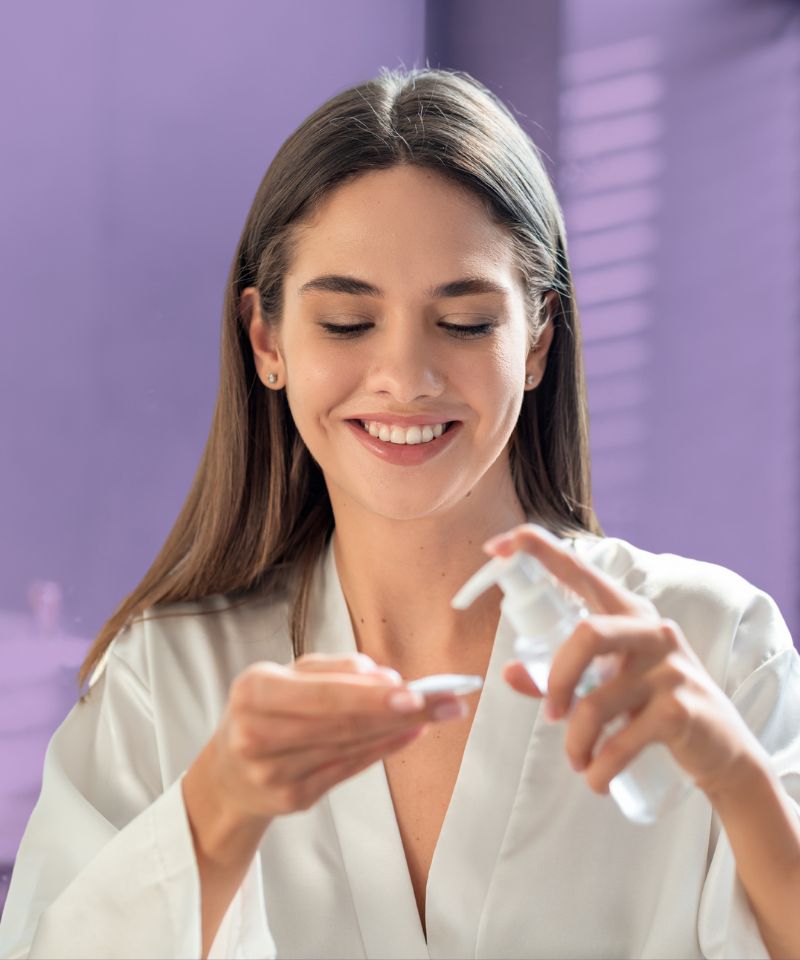
What is the main difference between a graphite and an astringent?
While both toners and astringents aim to cleanse and renew the skin, their formulations, benefits and suitability for different skin types differ significantly.

How do astringents work?

Astringents are powerful skin care products that contain high concentrations of alcohol to remove excess oil and shine.

They are particularly beneficial for oily and acne-prone skin types, as by dissolving excess oil they can help clear enlarged pores, reduce sebum production and provide deep cleansing.

Astringents are known for their immediate tightening effect on the skin, which can be a sensory signal of cleanliness and a practical benefit for those struggling with oily skin.

Ingredients in astringents

The main ingredients of astringents include:

Alcohol: Provides drying and tightening effects that reduce oiliness and shrink pores.

Witch hazel: Helps to constrict blood vessels and reduce inflammation.

Menthol: Provides a cooling sensation and can temporarily soothe irritated skin.

Camphor: A natural astringent with antibacterial properties that can help control acne.

Who are astringents best for?

Astringents are best suited for:

Oily skin: The drying properties of astringents can help reduce shine and control oil production, making them ideal for oily skin types and makeup wearers who want to maintain a matte complexion throughout the day.

Acne prone skin: The deep cleansing effect helps prevent acne by keeping pores clear of excess oil and debris.

The advantages of using an astringent:

  • Effective in reducing oiliness and shine.
  • It can help reduce the appearance of enlarged pores.
  • It can be helpful in reducing the severity of acne breakouts and preventing new pimples.

The disadvantages of using an astringent:

  • It can be overly drying, especially for people with dry or sensitive skin, leading to irritation or increased oil production as a result of recovery.
  • High alcohol content can strip the skin of its natural oils, disrupting the skin’s barrier function.
  • May cause stinging or irritation, especially on sensitive skin types or areas with open acne.

Frequent questions

What is the main difference between a graphite and an astringent?

Toners are designed to hydrate, soothe and balance the skin’s pH level, making them suitable for all skin types, while astringents contain higher concentrations of alcohol and aim to remove excess oil, tighten pores and are commonly used for oily substances and acne. prone skin.

Can I use both toner and astringent in my skincare routine?

While it’s generally not necessary to use both, as they serve similar purposes of cleansing and refining the skin after washing, some people may choose to use an astringent on oilier areas (like the T-zone) and a toner on drier areas.

How do I choose the right toner or astringent for my skin type?

For dry or sensitive skin, look for a toner with moisturizing and soothing ingredients such as hyaluronic acid, glycerin or rose water and avoid high alcohol content.

For oily or acne-prone skin, an astringent with salicylic acid or witch hazel can help control oil production and prevent breakouts.

Combination skin types may benefit from a gentle toner that balances moisture without stripping the skin.

How often should I use a toner or astringent?

In general, toners can be used twice a day after cleansing, morning and night, while astringents may be best used just once a day or every other day, especially if you have sensitive skin or are new to using the product .

Profile photo simone sydel small

My name is Simone and I am a board certified dermatologist. I created this site to teach my readers how to take great care of their skin and I also like to occasionally share my honest opinions on skin care products I’ve tried. You can learn more about me here.

The Acne Solution: Your Ultimate Guide to Flawless Skin

An extensive, no nonsense course it shows you how to never get acne againby a licensed Esthetician specializing in oily/acne-prone skin;.

astringent difference tonic
bhanuprakash.cg
healthtost
  • Website

Related Posts

The truth about waterless care: What your skin really needs

May 2, 2026

What is the difference between UVA and UVB rays?

May 1, 2026

What happens to your skin while you sleep? (the science of “Beauty Sle

May 1, 2026

Leave A Reply Cancel Reply

Don't Miss
Fitness

If you can still do these 7 things at 60, your body is aging better than most

By healthtostMay 2, 20260

Aging has a way of slowing down your body. It can affect your muscles, strength…

AI scribes save doctors time, but fail to reduce overtime

May 2, 2026

Every mental health journey starts with being seen

May 2, 2026

The truth about waterless care: What your skin really needs

May 2, 2026
Stay In Touch
  • Facebook
  • Twitter
  • Pinterest
  • Instagram
  • YouTube
  • Vimeo
TAGS
Baby benefits body brain cancer care Day Diet disease exercise finds Fitness food Guide health healthy heart Improve Life Loss Men mental Natural Nutrition Patients Pregnancy protein research reveals risk routine sex sexual Skin Skincare study Therapy Tips Top Training Treatment ways weight women Workout
About Us
About Us

Welcome to HealthTost, your trusted source for breaking health news, expert insights, and wellness inspiration. At HealthTost, we are committed to delivering accurate, timely, and empowering information to help you make informed decisions about your health and well-being.

Latest Articles

If you can still do these 7 things at 60, your body is aging better than most

May 2, 2026

AI scribes save doctors time, but fail to reduce overtime

May 2, 2026

Every mental health journey starts with being seen

May 2, 2026
New Comments
    Facebook X (Twitter) Instagram Pinterest
    • About Us
    • Contact Us
    • Privacy Policy
    • Terms and Conditions
    • Disclaimer
    © 2026 HealthTost. All Rights Reserved.

    Type above and press Enter to search. Press Esc to cancel.