

Close Menu
Healthtost
  • News
  • Mental Health
  • Men’s Health
  • Women’s Health
  • Skin Care
  • Sexual Health
  • Pregnancy
  • Nutrition
  • Fitness
  • Recommended Essentials
What's Hot

I did red light therapy for 3 months so I shouldn’t have

July 15, 2026

Is pelvic floor dysfunction inevitable for older women?

July 15, 2026

Summer skin care tips for sensitive skin – why your skin suddenly breaks out

July 15, 2026
Facebook X (Twitter) Instagram
  • About Us
  • Contact Us
  • Privacy Policy
  • Terms and Conditions
  • Disclaimer
Facebook X (Twitter) Instagram
Healthtost
SUBSCRIBE
  • News

    Global childhood immunization rates stagnate despite slight recovery from pandemic

    July 15, 2026

    Weight loss and anti-inflammatory drugs combine to fight leukemia

    July 14, 2026

    Unreliable datasets shape clinical prediction models

    July 14, 2026

    Bariatric surgery is safe, effective for obese teenagers and young adults

    July 13, 2026

    Engineered ribozyme repairs broken RNA to explain origin of life

    July 13, 2026
  • Mental Health

    Is it okay to be imperfect and still be happy? 6 Challenges

    July 15, 2026

    How can you be tired but wired? Blame it on your stone age brain

    July 12, 2026

    Almost 20% of new mums have anxiety or depression, but a promising psychedelic treatment is on the horizon

    July 7, 2026

    How can ART help us improve our mental health? With 3 Ways

    July 5, 2026

    How much do friends affect the mental health of teenagers? What a new study can (and can’t) tell us

    July 3, 2026
  • Men’s Health

    I did red light therapy for 3 months so I shouldn’t have

    July 15, 2026

    Sexual evolution: What 500 million years of life tell us about sex, gender and mating

    July 15, 2026

    Low testosterone or just stress? How to tell the difference

    July 11, 2026

    Gut-friendly diet linked to lower risk of coronary heart disease mortality

    July 9, 2026

    Men don’t just avoid their health. Many lose themselves.

    July 8, 2026
  • Women’s Health

    Is pelvic floor dysfunction inevitable for older women?

    July 15, 2026

    I tried to hide my hemiparesis

    July 15, 2026

    Kyoto recap, bamboo forest and monkey park

    July 13, 2026

    Menopause and Your Microbiome: How Gut Health Shapes Weight, Mood, and Hormones

    July 11, 2026

    They heard us. Now will they listen?

    July 11, 2026
  • Skin Care

    Summer skin care tips for sensitive skin – why your skin suddenly breaks out

    July 15, 2026

    How to use nature’s retinol: Bakuchiol in your beauty routine

    July 13, 2026

    How our natural hair care achieves salon-level results without silicones

    July 11, 2026

    Coconut Allergy and Skin Care: 20 Questions Finally Answered by a Pharmacist

    July 11, 2026

    New Sunscreen Ingredient: Is This The SPF Upgrade We’ve Been Waiting For?

    July 9, 2026
  • Sexual Health

    Celebrating 30 years of Sex Sense

    July 15, 2026

    STDs in older adults are on the rise—up to seven times higher than in 2012

    July 13, 2026

    Fildena 150 Benefits | Effective ED & Sexual Performance Treatment

    July 11, 2026

    Painful sex after menopause: When is it time to seek treatment?

    July 11, 2026

    Emotional capitalism and artificial intimacy

    July 10, 2026
  • Pregnancy

    Exercise Wall Angels During Pregnancy: A Step-by-Step Guide

    July 15, 2026

    Breech VBAC (Vaginal Birth after Caesarean Section) Birth Story

    July 13, 2026

    How baby showers have changed throughout history

    July 13, 2026

    Calf Raises During Pregnancy: Step-by-Step Guide and Benefits

    July 8, 2026

    Tri-Tri Triplet Pregnancy with Vaginal Birth Story – The Birth Hour Triplet Pregnancy and Vaginal Birth Story with Ashlie Holladay

    July 7, 2026
  • Nutrition

    Chocolate Cherry Chia Pudding: Easy Vegan Recovery Snack

    July 14, 2026

    The Cholesterol Question: A Breakthrough Victory for Keto and Cognitive Health

    July 14, 2026

    15 No-Cook Dinners for Kids (Because It’s Too Hot to Turn on the Oven)

    July 12, 2026

    30 Minute Chicken Pesto Pasta (Dietist Approved)

    July 11, 2026

    5 Easy High Fiber Bowl Recipes

    July 8, 2026
  • Fitness

    How to Choose a Fitness Certification on a Budget

    July 14, 2026

    Meet the Belle Vitale™ Supplement System: Two Formulas. A comprehensive approach to hormone health.

    July 11, 2026

    where we ate in Tokyo (and gluten-free options!)

    July 9, 2026

    Using External Signaling to Improve Linear Acceleration – Tony Gentilcore

    July 8, 2026

    5 Simple Screen Changes That Can Improve Sleep and Focus

    July 7, 2026
  • Recommended Essentials
Healthtost
Home»News»Superagers show greater neuron growth linked to strong memory
News

Superagers show greater neuron growth linked to strong memory

healthtostBy healthtostFebruary 25, 2026No Comments4 Mins Read
Facebook Twitter Pinterest LinkedIn Tumblr Reddit WhatsApp Email
Superagers Show Greater Neuron Growth Linked To Strong Memory
Share
Facebook Twitter LinkedIn Pinterest WhatsApp Email

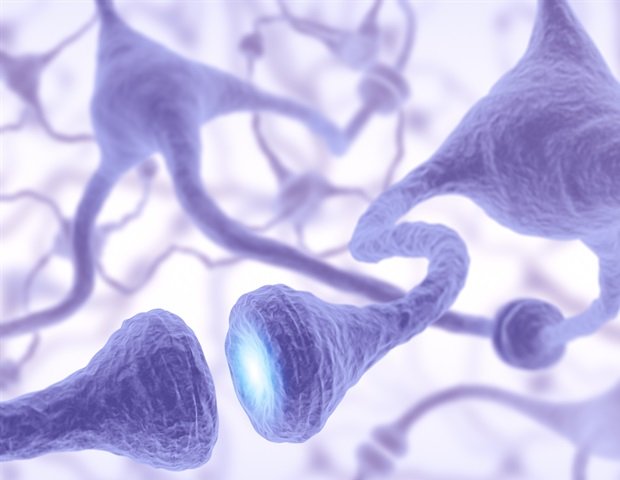
The brains of cognitively healthy older adults grow more new neurons than their peers, according to a study from UIC, Northwestern University and the University of Washington. The researchers found that the brains of the super-elderly – octogenarians with unusually nimble minds – were the most neuronally fertile, while those with Alzheimer’s had negligible new growth.

This is a big step forward in understanding how the human brain processes knowledge, forms memories and ages. “Determining why some brains age more healthily than others can help researchers develop treatments for healthy aging, cognitive resilience, and the prevention of Alzheimer’s disease and related dementias.”


Orly Lazarov, UIC College of Medicine professor and director of the Alzheimer’s Disease and Related Dementia Education Program

Neurons or brain cells support almost every human function. When you wiggle a toe or snap a finger, a neuron sends a signal from your brain to your nervous system. In the second half of the 20th century, researchers determined that new neurons could be born throughout life in the brain’s hippocampus, or memory center—a phenomenon called adult neurogenesis.

At first, scientists observed neurogenesis in rodents and were skeptical that it would occur in other mammals. Subsequently, studies in primates linked neurogenesis to healthier aging brains, particularly stronger memory formation and processing.

This recent study, published in Natureconfirms that neurogenesis also occurs in adult humans.

The researchers examined brain samples donated by five groups: healthy young adults; healthy older adults; older adults with exceptional memory, or superagers. people with mild or early dementia. and those diagnosed with Alzheimer’s disease.

The aged brains in the samples came from donors aged 80 and over with excellent memory skills. Brain samples from superagers were obtained from Northwestern University. The University of Washington provided all other samples.

The researchers looked for three stages of neuron development in the brain’s hippocampus: stem cells, which could potentially develop into neurons; neuroblasts, adolescent stem cells on their way to becoming a neuron. and immature neurons, just shy of becoming functional.

“Think of the stages of adult neurogenesis as a baby, a toddler and an adolescent,” Lazarov said. “These are all signs that these hippocampi are growing new neurons.”

The results showed that hippocampal neurogenesis, or the formation of new neurons in the hippocampus, does indeed occur in healthy adults. Furthermore, the supers actively produced more new neurons than their counterparts – their distinct ‘resilience signature’.

“The elderly had twice as much neurogenesis as the other healthy elderly,” Lazarov said. “Something in their brain allows them to maintain a superior memory. I believe that hippocampal neurogenesis is the secret ingredient, and the data supports it.”

Brain samples from people with preclinical cognitive decline — the earliest stage of cognitive decline, before symptoms begin to appear — showed little neurogenesis. Those diagnosed with Alzheimer’s disease created almost no new neurons.

In addition, the researchers observed that the new neurons had different epigenetic signatures—or blueprints for responding to environmental change—depending on the cognitive health of the brain.

“Modern medicine has revolutionized health care so that life expectancy is longer now than ever before,” said co-lead author Dr. Jalees Rehman, the Benjamin J. Goldberg Professor and Chair of the Department of Biochemistry and Molecular Genetics at UIC. “We need to ensure that this overall increased life expectancy is accompanied by a high quality of life, including cognitive health.”

Rehman said understanding the full molecular picture of neurogenesis and its epigenetic signature can inform targeted therapies to preserve memory and cognitive function in older adults. Next, this team will examine environmental and lifestyle factors—such as diet, exercise, and inflammation—that may work in tandem with neurogenesis to influence aging.

“What is exciting for the public is that this study shows that the aging brain is not fixed or doomed to decline,” said Ahmed Disouky, the study’s first author. “Understanding how some people naturally preserve neurogenesis opens the door to strategies that could help more adults maintain memory and cognitive health as they age.”

Additional UIC collaborators include Mark Sanborn, KR Sabitha, Mark Maienschein-Cline and Mostafa Mostafa from the College of Medicine.

Brain and tissue samples were obtained from the University of Washington Alzheimer’s Disease Research Center, the Adult Changes in Thought Study, the Pacific Northwest Brain Donor Network, the Allen Institute for Brain Science, the Northwestern University Alzheimer’s Disease Research Center, the SuperAging Trust Research Initiative, the Karen Toffler-Gefeny-Charitue. The study was supported by National Institute on Aging awards AG033570, AG033570-S2, AG076940, AGO79002, AG060238, AG061628, and AG091545.

Source:

University of Illinois Chicago

Journal Reference:

Disouky, A., et al. (2026) Human hippocampal neurogenesis in adulthood, aging and Alzheimer’s disease. Nature. DOI: 10.1038/s441586-026-10169-4.

greater growth linked memory neuron show Strong superagers
bhanuprakash.cg
healthtost
  • Website

Related Posts

Global childhood immunization rates stagnate despite slight recovery from pandemic

July 15, 2026

Weight loss and anti-inflammatory drugs combine to fight leukemia

July 14, 2026

Unreliable datasets shape clinical prediction models

July 14, 2026

Leave A Reply Cancel Reply

Don't Miss
Men's Health

I did red light therapy for 3 months so I shouldn’t have

By healthtostJuly 15, 20260

A few years ago, red light therapy started popping up everywhere I looked, and it’s…

Is pelvic floor dysfunction inevitable for older women?

July 15, 2026

Summer skin care tips for sensitive skin – why your skin suddenly breaks out

July 15, 2026

Global childhood immunization rates stagnate despite slight recovery from pandemic

July 15, 2026
Stay In Touch
  • Facebook
  • Twitter
  • Pinterest
  • Instagram
  • YouTube
  • Vimeo
TAGS
Baby benefits body brain cancer care Day Diet disease exercise finds Fitness food Guide health healthy heart Improve Life Loss Men mental Natural Nutrition Patients People Pregnancy research reveals risk routine sex sexual Skin Skincare study Therapy Tips Top Training Treatment ways weight women Workout
About Us
About Us

Welcome to HealthTost, your trusted source for breaking health news, expert insights, and wellness inspiration. At HealthTost, we are committed to delivering accurate, timely, and empowering information to help you make informed decisions about your health and well-being.

Latest Articles

I did red light therapy for 3 months so I shouldn’t have

July 15, 2026

Is pelvic floor dysfunction inevitable for older women?

July 15, 2026

Summer skin care tips for sensitive skin – why your skin suddenly breaks out

July 15, 2026
New Comments
    Facebook X (Twitter) Instagram Pinterest
    • About Us
    • Contact Us
    • Privacy Policy
    • Terms and Conditions
    • Disclaimer
    © 2026 HealthTost. All Rights Reserved.

    Type above and press Enter to search. Press Esc to cancel.