

Close Menu
Healthtost
  • News
  • Mental Health
  • Men’s Health
  • Women’s Health
  • Skin Care
  • Sexual Health
  • Pregnancy
  • Nutrition
  • Fitness
  • Recommended Essentials
What's Hot

Clever student masters art of fake wounds to create life-saving simulations for army and NHS

June 13, 2026

“How to Show Up” – Supporting a woman undergoing cancer treatment

June 13, 2026

The New Shower Standard | Get to know the body cleansing gels

June 13, 2026
Facebook X (Twitter) Instagram
  • About Us
  • Contact Us
  • Privacy Policy
  • Terms and Conditions
  • Disclaimer
Facebook X (Twitter) Instagram
Healthtost
SUBSCRIBE
  • News

    Clever student masters art of fake wounds to create life-saving simulations for army and NHS

    June 13, 2026

    New peptide strategy may protect brain cells involved in Parkinson’s disease

    June 12, 2026

    Researchers urge a public health approach to control raccoon-borne water contamination

    June 12, 2026

    Increased stress, reduced sleep change the structure and function of the brain in children

    June 11, 2026

    Dietary guidelines miss essential flavanol levels for heart health

    June 11, 2026
  • Mental Health

    GLP-1 drugs like Ozempic promise more than just weight loss. But what is science versus hype?

    June 10, 2026

    Expectations of Indian Daughters: 10 Weird

    June 8, 2026

    How to Encourage a Child to Try New, Scary Things (Without Injuring Him in the Process)

    June 5, 2026

    Why your wearable health tracker can make you feel anxious

    June 1, 2026

    Can meditation change the brain in schizophrenia?

    May 29, 2026
  • Men’s Health

    Fathers shape childhood obesity risk long before birth

    June 10, 2026

    5 Diet-Boosting Tips to Spread Protein Throughout the Day

    June 9, 2026

    The Louis L’Amour Workout | The Art of Manliness

    June 9, 2026

    Stopping authoritarian strongmen and returning to the roots of our partnership

    June 8, 2026

    Low testosterone changes your body: See what a DEXA scan can reveal

    June 4, 2026
  • Women’s Health

    “How to Show Up” – Supporting a woman undergoing cancer treatment

    June 13, 2026

    Does your cervix dilate during your period? Truth About Dilation And Cramps – Vuvatech

    June 12, 2026

    How to deal with a breakup alone? We by no means understood this

    June 11, 2026

    How physical fitness boosts mental health in relationships

    June 10, 2026

    Hers Makes Popular GLP-1 Injections Affordable — Starting at $39

    June 9, 2026
  • Skin Care

    The New Shower Standard | Get to know the body cleansing gels

    June 13, 2026

    Why adult acne occurs and how to care for breakout-prone skin

    June 12, 2026

    We never set out to start a beauty brand

    June 9, 2026

    Vegan gluten-free lip color for celiac disease

    June 8, 2026

    How to tell the difference and restore Ba – Lifeline Skin Care

    June 7, 2026
  • Sexual Health

    Sex after 50—Sexuality as we age

    June 12, 2026

    5 unexpected ways to improve your sex life

    June 11, 2026

    Fildena 100 Safety Guide | Tips and information for safe use

    June 10, 2026

    Pride Month and LGBTQ+ Men’s Health: Why Inclusive Care Matters

    June 9, 2026

    Unlocking the Girl Dividend

    June 8, 2026
  • Pregnancy

    A one-of-a-kind pregnancy magazine: for reflection, healing and growth

    June 11, 2026

    Your No-BS guide to surviving a summer pregnancy

    June 9, 2026

    How to detect pre-eclampsia early before it becomes dangerous

    June 7, 2026

    Is Mom Brain real? – Pink stork

    June 7, 2026

    Pregnancy and Postpartum Exercise Expert Meet Miranda

    June 4, 2026
  • Nutrition

    The energy equation: PFF at every meal

    June 12, 2026

    How to fuel a marathon, according to a nutritionist and ultra runner

    June 11, 2026

    Intuitive movement and exercise snacking: redefining fitness

    June 10, 2026

    World Brain Tumor Day: Glioblastoma and Ketogenic Metabolic Therapy

    June 10, 2026

    Same Dinner Different Plate: The Lunchbox Edition

    June 8, 2026
  • Fitness

    Too busy for the gym? Try this 21-minute workout

    June 12, 2026

    5 Reasons Yoga Moms Turned to Silent Heavy Silicone Vests

    June 11, 2026

    Ankles, knees and hips: 10 joint-friendly exercises

    June 9, 2026

    latest book review – The Fitnessista

    June 6, 2026

    When to bench press with your feet on the floor and when not to – Tony Gentilcore

    June 6, 2026
  • Recommended Essentials
Healthtost
Home»News»Stanford Medicine researchers demonstrate new way to temporarily increase sleepiness
News

Stanford Medicine researchers demonstrate new way to temporarily increase sleepiness

healthtostBy healthtostJanuary 4, 2024No Comments5 Mins Read
Facebook Twitter Pinterest LinkedIn Tumblr Reddit WhatsApp Email
Stanford Medicine Researchers Demonstrate New Way To Temporarily Increase Sleepiness
Share
Facebook Twitter LinkedIn Pinterest WhatsApp Email

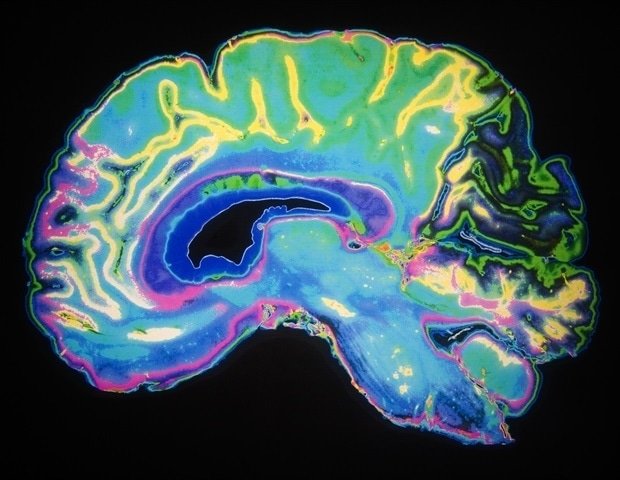
How deeply can one be hypnotized -? known as hypnotism -? it appears to be a stable trait that changes little throughout adulthood, like personality and IQ. But now, for the first time, Stanford Medicine researchers have shown a way to temporarily increase hypnotism -? potentially allowing more people to access the benefits of hypnosis-based therapy.

In the new study, to be published on January 4 Nature Mental Healthresearchers found that less than two minutes of electrical stimulation targeting a precise area of ​​the brain could enhance participants’ hypnotizability for about an hour.

“We know that hypnosis is an effective treatment for many different symptoms and disorders, particularly pain,” said Afik Faerman, PhD, postdoctoral fellow in psychiatry and lead author of the study. “But we also know that not everyone benefits equally from hypnosis.”

Focused attention

About two-thirds of adults are at least somewhat hypnotizable, and 15% are considered highly hypnotizable, meaning they score a 9 or 10 on a standard 10-point measure of hypnotizability.

Hypnosis is a state of highly focused attention, and a higher hypnotizability improves your chances of doing better with techniques that use hypnosis.”


David Spiegel, MD, professor of psychiatry and behavioral sciences and senior author of the study

Spiegel, the Jack, Lulu and Sam Willson Professor of Medicine, has spent decades studying hypnotherapy and using it to help patients control pain, reduce stress, quit smoking and more. Several years ago, Spiegel led a team that used brain imaging to uncover the neurobiological basis of the practice. They found that high hypnotizability subjects had stronger functional connectivity between the left dorsolateral prefrontal cortex, which is involved in information processing and decision making. and the dorsal anterior cingulate cortex, involved in stimulus detection.

“It made sense that the people who naturally coordinate the activity between these two areas could be brought together more closely,” Spiegel said. “It’s because you’re coordinating what you’re focusing on with the system that’s distracting you.”

Displacement of a fixed attribute

With these ideas, Spiegel collaborated with Nolan Williams, MD, associate professor of psychiatry and behavioral sciences, who has pioneered noninvasive neurostimulation techniques to treat conditions such as depression, obsessive-compulsive disorder, and suicidal ideation.

The hope was that neurostimulation could change even a stable trait like hypnotism.

In the new study, researchers recruited 80 participants with fibromyalgia, a chronic pain condition that can be treated with hypnotherapy. They excluded those who were already highly hypnotizable.

Half of the participants received transcranial magnetic stimulation, in which paddles applied to the scalp deliver electrical pulses to the brain. Specifically, they received two 46-second applications that delivered 800 pulses of electricity to a precise location in the left dorsolateral prefrontal cortex. The exact locations depended on each person’s unique brain structure and activity.

“A new aspect of this test is that we used the person’s own brain networks, based on brain imaging, to target the right spot,” said Williams, also senior author of the study.

The other half of the participants received a sham treatment that looked and felt the same, but without electrical stimulation.

Hypnotizability was assessed by the clinicians immediately before and after the treatments, without either the patients or the clinicians knowing who was in which group.

The researchers found that the participants who received the neurostimulation showed a statistically significant increase in sleepiness, about one degree higher. The sham group showed no effect.

When the participants were assessed again one hour later, the effect had disappeared and there was no longer a statistically significant difference between the two groups.

“We were pleasantly surprised that we were able, with 92 seconds of stimulation, to change a stable feature of the brain that people have been trying to change for 100 years,” Williams said. “We finally cracked the code on how to do it.”

The researchers plan to test whether different doses of neurostimulation could further enhance hypnotism.

“It’s unusual to be able to change the ability to hypnotize,” Spiegel said. A study of Stanford University students beginning in the 1950s, for example, found that the trait remained relatively consistent when the students were tested 25 years later, as consistent as IQ over that time period. Recent research from Spiegel’s lab also suggests that hypnotizability may have a genetic basis.

Greater impact

Clinically, a transient bump in hypnotizability may be enough to allow more people living with chronic pain to choose hypnosis as an alternative to long-term opioid use. Spiegel will contact study participants to see how they are doing in hypnotherapy.

The new results could have implications beyond hypnosis. Faerman noted that neurostimulation may be able to temporarily shift otherwise stable traits or enhance people’s response to other forms of psychotherapy.

“As a clinical psychologist, my personal vision is that, in the future, patients come in, go to a quick, non-invasive brain stimulation session and then go to see their psychologist,” he said. “Their benefit from treatment could be much higher.”

The study was supported by funding from the National Institutes of Health (grant R33AT009305-03).

Source:

Journal Reference:

Faerman, A., et al. (2024). Stanford Hypnosis Integrated with Functional Connectivity-Targeted Transcranial Stimulation (SHIFT): a preregistered randomized controlled trial. Nature Mental Health. doi.org/10.1038/s44220-023-00184-z.

demonstrate increase Medicine Researchers sleepiness Stanford temporarily
bhanuprakash.cg
healthtost
  • Website

Related Posts

Clever student masters art of fake wounds to create life-saving simulations for army and NHS

June 13, 2026

New peptide strategy may protect brain cells involved in Parkinson’s disease

June 12, 2026

Researchers urge a public health approach to control raccoon-borne water contamination

June 12, 2026

Leave A Reply Cancel Reply

Don't Miss
News

Clever student masters art of fake wounds to create life-saving simulations for army and NHS

By healthtostJune 13, 20260

A Southampton Solent University student is set to graduate with two jobs already secured, one…

“How to Show Up” – Supporting a woman undergoing cancer treatment

June 13, 2026

The New Shower Standard | Get to know the body cleansing gels

June 13, 2026

The energy equation: PFF at every meal

June 12, 2026
Stay In Touch
  • Facebook
  • Twitter
  • Pinterest
  • Instagram
  • YouTube
  • Vimeo
TAGS
Baby benefits body brain cancer care Day Diet disease exercise finds Fitness food Guide health healthy heart Improve Life Loss Men mental Natural Nutrition Patients Pregnancy protein research reveals risk routine sex sexual Skin Skincare study Therapy Tips Top Training Treatment ways weight women Workout
About Us
About Us

Welcome to HealthTost, your trusted source for breaking health news, expert insights, and wellness inspiration. At HealthTost, we are committed to delivering accurate, timely, and empowering information to help you make informed decisions about your health and well-being.

Latest Articles

Clever student masters art of fake wounds to create life-saving simulations for army and NHS

June 13, 2026

“How to Show Up” – Supporting a woman undergoing cancer treatment

June 13, 2026

The New Shower Standard | Get to know the body cleansing gels

June 13, 2026
New Comments
    Facebook X (Twitter) Instagram Pinterest
    • About Us
    • Contact Us
    • Privacy Policy
    • Terms and Conditions
    • Disclaimer
    © 2026 HealthTost. All Rights Reserved.

    Type above and press Enter to search. Press Esc to cancel.