

Close Menu
Healthtost
  • News
  • Mental Health
  • Men’s Health
  • Women’s Health
  • Skin Care
  • Sexual Health
  • Pregnancy
  • Nutrition
  • Fitness
  • Recommended Essentials
What's Hot

States change custody laws to keep children of immigrant detainees out of foster care

April 14, 2026

Vaping may increase risk of cognitive decline in young adults, study finds

April 14, 2026

Wait – can makeup really cause a reaction to gluten?

April 14, 2026
Facebook X (Twitter) Instagram
  • About Us
  • Contact Us
  • Privacy Policy
  • Terms and Conditions
  • Disclaimer
Facebook X (Twitter) Instagram
Healthtost
SUBSCRIBE
  • News

    States change custody laws to keep children of immigrant detainees out of foster care

    April 14, 2026

    Study Warns of Teens’ Growing Dependence on AI Companions

    April 14, 2026

    Competition between brain circuits is key to intelligent behavior

    April 13, 2026

    Study reveals brain mechanisms behind urinary incontinence after stroke

    April 13, 2026

    Genetic variations may reduce the effectiveness of popular diabetes drugs

    April 12, 2026
  • Mental Health

    Is it anxiety or OCD? 2 psychology experts explain the difference

    April 14, 2026

    Understanding the different types of treatment: C…

    April 10, 2026

    How does Medicare’s new Mental Health Check In work? Is this low-intensity CBT likely to help?

    April 10, 2026

    the surprisingly common condition with a scary name

    April 6, 2026

    How yoga helps heal emotional wounds

    April 4, 2026
  • Men’s Health

    Vaping may increase risk of cognitive decline in young adults, study finds

    April 14, 2026

    Opinion: Prediction markets are betting against public health

    April 14, 2026

    A monk’s method for falling asleep fast

    April 13, 2026

    The Future of MenAlive: From Men’s Health to Relational Healing and Transformation

    April 13, 2026

    Traveling by plane with BPH

    April 9, 2026
  • Women’s Health

    What is urea for dry skin?

    April 13, 2026

    Beyond fitness: Why exercise is vital to improving cardiovascular health

    April 12, 2026

    5 ways to put your health dollars to work this spring

    April 11, 2026

    “Fueling the Fight” — Nutrition during and after cancer treatment

    April 11, 2026

    Navigating the Void of Intimacy – Vuvatech

    April 10, 2026
  • Skin Care

    Wait – can makeup really cause a reaction to gluten?

    April 14, 2026

    CoolSculpting Elite – SkinCare Physicians

    April 13, 2026

    Why Your Skin Barrier Is The Most Important Thing You’re Ignoring – Lifeline Skin Care

    April 12, 2026

    Spa Los Angeles: Best Services to Book for Real Results

    April 12, 2026

    Spring skincare: Why your skin needs more support, not less

    April 11, 2026
  • Sexual Health

    Can you get tested for herpes without an outbreak?

    April 14, 2026

    At the Intersection of Autism, LGBTQIA+ Identity and Kink — Sexual Health Alliance

    April 13, 2026

    Endometriosis procedures are reimbursed at lower rates, doctors say

    April 8, 2026

    Reflections two years later in a global context < SRHM

    April 8, 2026

    Can exercise improve HIV symptoms?

    April 7, 2026
  • Pregnancy

    Serious maternal complications affect nearly 3 per cent of pregnancies, Ontario study finds

    April 11, 2026

    Third Trimester Nutrition Guide for Indian Moms

    April 10, 2026

    How your partner can support a happier pregnancy

    April 9, 2026

    Exposure to plastic during pregnancy may be linked to more premature births than expected

    April 4, 2026

    How to relieve numbness and tingling in the legs in the third trimester?

    April 3, 2026
  • Nutrition

    High protein comfort food for women who are tired of salads

    April 14, 2026

    Blueberry Chia Pudding (Easy Breakfast!) • Kath Eats

    April 13, 2026

    Because cooling potatoes reduces their glycemic load

    April 12, 2026

    The mind-body connection of fertility

    April 12, 2026

    Greens that make you glow: The detox-hormone connection

    April 11, 2026
  • Fitness

    7 shoulder exercises that keep your arms strong and pain-free after 40

    April 14, 2026

    Inside The OPEX Method Mentorship: A Coach’s POV with Dr David Skolnik (Week 1)

    April 12, 2026

    Active summer camps that build healthy lifelong habits in 6 US states

    April 12, 2026

    Bridging Clinical and Community Care

    April 10, 2026

    5 pull-up alternatives to build upper body strength and correct weaknesses

    April 9, 2026
  • Recommended Essentials
Healthtost
Home»News»Sleep loss triggers disturbing memories by disrupting REM sleep
News

Sleep loss triggers disturbing memories by disrupting REM sleep

healthtostBy healthtostJanuary 13, 2025No Comments5 Mins Read
Facebook Twitter Pinterest LinkedIn Tumblr Reddit WhatsApp Email
Sleep Loss Triggers Disturbing Memories By Disrupting Rem Sleep
Share
Facebook Twitter LinkedIn Pinterest WhatsApp Email

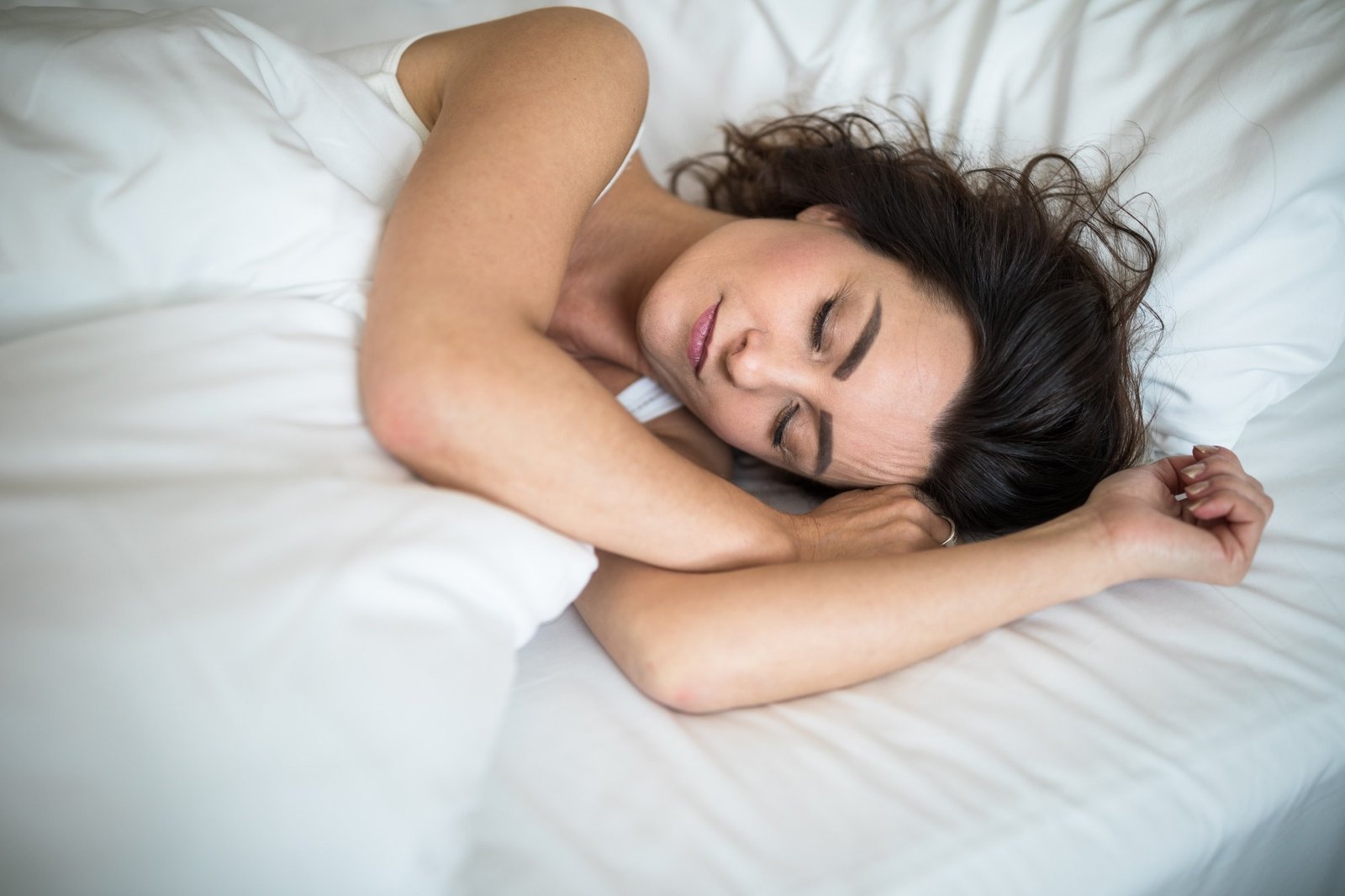
New research reveals how sleep deprivation impairs the brain’s ability to suppress unwanted memories, highlighting the critical role of REM sleep.

Study: Memory control deficits in the sleep-deprived human brain. Image credit: lightpoet/Shutterstock.com

In a recent study published in Psychological and Cognitive Sciencesa team of researchers investigated how sleep deprivation impairs inhibitory control of memory and contributes to intrusive memories, focusing on the role of rapid eye movement (REM) sleep in restoring this function.

Background

Disturbing memories of unpleasant experiences can significantly affect mental health, especially in conditions such as depression, anxiety and post-traumatic stress disorder. Suppressing these memories helps to weaken their impact, reducing future intrusions and aiding emotional regulation.

This process depends on effective cognitive control, mediated by brain regions such as the right dorsolateral prefrontal cortex (rDLPFC), which suppresses memory retrieval in the hippocampus.

Sleep, particularly REM sleep, is crucial for the restoration of this mechanism, yet its exact role remains unclear. Further research is needed to clarify how disrupted sleep affects the neural and cognitive processes that underpin memory suppression and its broader effects on emotional well-being.

About the study

Eighty-seven healthy adults aged 18 to 30 participated in a study examining the effects of sleep deprivation on memory suppression. Participants were right-handed, native English speakers with no history of neurological, psychiatric, or sleep disorders.

They reported regular wake times of up to 8:00 AM. and at least six hours of sleep a night. Written informed consent was obtained from all participants and they were compensated with £80 or academic credit.

Two participants were excluded because they did not comply with the study protocol, leaving a final sample of 85. Participants were randomly assigned to either a sleep deprivation group (n = 43) or a sleep rest group (n = 42).

Participants completed cognitive and affective tasks in two sessions — one in the evening and one the next morning. The sleep-deprived group remained awake under supervision, while the rested group had an eight-hour sleep opportunity monitored by polysomnography (PSG). Adherence to the protocol was confirmed using actigraphy wristwatches.

Tasks included memory encoding and suppression exercises, magnetic resonance imaging (MRI) scans, and emotional ratings. Functional magnetic resonance imaging (fMRI) assessed brain activity, while behavioral analyzes revealed reduced memory suppression in the sleep-deprived group, with higher intrusion rates compared to the sedated group.

These results highlight the critical role of sleep, particularly REM sleep, in effective memory control.

Study results

Sleep deprivation significantly reduces the brain’s ability to suppress disturbing memories. After a night of sleep deprivation (n = 43, mean age 19.58 years) or restful sleep (n = 42, mean age 20.33 years), participants performed the Think/No-Think (TNT) task while undergoing fMRI. In this task, participants either actively retrieved or suppressed memories associated with visual cues.

We watched suppression attempts that failed and resulted in memory intrusions. Behavioral analyzes revealed that while suppression reduced intrusions over time for all participants, sleep-deprived subjects showed a slower decline, reflecting impaired adaptive memory suppression.

Interestingly, this impairment was not affected by the emotional valence of the memories. However, baseline differences in memory control ability between groups partially explained these findings.

Sleep-deprived participants performed better during the preliminary tasks before the nighttime interval, which may have influenced subsequent results.

However, by the final blocks of trials, the difference in intrusion rates between groups disappeared, suggesting that sleep deprivation primarily impedes improvement in sedation over time rather than overall sedation ability.

Heart rate variability (HRV), particularly the high-frequency component (HF-HRV), was examined to investigate physiological correlates of memory control. In the sleep-rested group, higher HF-HRV was associated with better sedation, whereas in sleep-deprived subjects, higher HF-HRV was unexpectedly associated with poorer sedation, suggesting that the benefits of HF-HRV depend on adequate sleep.

Neuroimaging data further highlighted the impact of sleep deprivation. The rDLPFC, a region crucial for memory suppression, showed reduced activation in the sleep-deprived group.

At the same time, the right hippocampus, which is normally deactivated during sedation, showed reduced disengagement, indicating disrupted memory control circuits. Whole-brain analyzes confirmed these findings, with reduced prefrontal control and increased hippocampal activity following sleep deprivation.

REM sleep has been found to play a restorative role. In the restful sleep group, longer REM sleep duration was associated with stronger rDLPFC activity during memory suppression, reinforcing its role in restoring prefrontal control.

Sleep deprivation also disrupted the functional segregation of brain networks, with increased connectivity between the default mode network (DMN) and the cognitive control network (CCN) and decreased DMN-thalamus connectivity, reducing adaptive control.

Finally, thought patterns were assessed using a multidimensional experience sampling method. Sleep-deprived participants reported fewer purposeful, task-focused thoughts, reflecting a broader breakdown in cognitive control.

conclusions

In summary, sleep deprivation significantly disrupts the inhibitory control of memory, affecting higher-order cognitive functions. Sleep-deprived participants showed reduced rDLPFC engagement during memory suppression, reducing their ability to reduce unwanted memories over time.

In contrast, restful sleep, particularly longer REM sleep duration, was associated with enhanced rDLPFC activation, supporting prefrontal memory control.

Sleep deprivation also alters functional connectivity between brain networks, increasing DMN and CCN connectivity and decreasing DMN-thalamic interactions. These disruptions coincided with less purposeful, on-task thinking and highlighted the critical role of sleep in regulating memory and thought processes.

disrupting disturbing Loss memories REM Sleep triggers
bhanuprakash.cg
healthtost
  • Website

Related Posts

States change custody laws to keep children of immigrant detainees out of foster care

April 14, 2026

Study Warns of Teens’ Growing Dependence on AI Companions

April 14, 2026

Competition between brain circuits is key to intelligent behavior

April 13, 2026

Leave A Reply Cancel Reply

Don't Miss
News

States change custody laws to keep children of immigrant detainees out of foster care

By healthtostApril 14, 20260

As immigration authorities carry out what President Donald Trump has promised will be the largest…

Vaping may increase risk of cognitive decline in young adults, study finds

April 14, 2026

Wait – can makeup really cause a reaction to gluten?

April 14, 2026

Can you get tested for herpes without an outbreak?

April 14, 2026
Stay In Touch
  • Facebook
  • Twitter
  • Pinterest
  • Instagram
  • YouTube
  • Vimeo
TAGS
Baby benefits body brain cancer care Day Diet disease exercise finds Fitness food Guide health healthy heart Improve Life Loss Men mental Natural Nutrition Patients People Pregnancy research reveals risk routine sex sexual Skin Skincare study Therapy Tips Top Training Treatment ways weight women Workout
About Us
About Us

Welcome to HealthTost, your trusted source for breaking health news, expert insights, and wellness inspiration. At HealthTost, we are committed to delivering accurate, timely, and empowering information to help you make informed decisions about your health and well-being.

Latest Articles

States change custody laws to keep children of immigrant detainees out of foster care

April 14, 2026

Vaping may increase risk of cognitive decline in young adults, study finds

April 14, 2026

Wait – can makeup really cause a reaction to gluten?

April 14, 2026
New Comments
    Facebook X (Twitter) Instagram Pinterest
    • About Us
    • Contact Us
    • Privacy Policy
    • Terms and Conditions
    • Disclaimer
    © 2026 HealthTost. All Rights Reserved.

    Type above and press Enter to search. Press Esc to cancel.