

Close Menu
Healthtost
  • News
  • Mental Health
  • Men’s Health
  • Women’s Health
  • Skin Care
  • Sexual Health
  • Pregnancy
  • Nutrition
  • Fitness
  • Recommended Essentials
What's Hot

The new molecular framework paves the way for targeted therapeutic interventions for Parkinson’s disease

May 5, 2026

Aging in place takes more than good intentions — It takes smart infrastructure

May 5, 2026

Breaking Barriers, Building Strength: The Maya Nassar Story

May 5, 2026
Facebook X (Twitter) Instagram
  • About Us
  • Contact Us
  • Privacy Policy
  • Terms and Conditions
  • Disclaimer
Facebook X (Twitter) Instagram
Healthtost
SUBSCRIBE
  • News

    The new molecular framework paves the way for targeted therapeutic interventions for Parkinson’s disease

    May 5, 2026

    The use of symptom dimensions may provide more accurate, personalized mental health care

    May 4, 2026

    Randomized controlled trial validates total hip arthroplasty to improve functional capacity

    May 4, 2026

    New genetic risk report reveals hidden risk of heart disease before symptoms appear

    May 3, 2026

    Five-target drug beats GLP-1/GIP therapy in obese diabetic mice

    May 3, 2026
  • Mental Health

    Every mental health journey starts with being seen

    May 2, 2026

    What animal studies teach us about toxic work environments

    April 27, 2026

    I hate hope: How to manage hope when you have treatment-resistant bipolar disorder

    April 19, 2026

    Rose Byrne is raw, magnetic and unfiltered as a woman in crisis

    April 18, 2026

    Can a single mother change her child’s surname in India?

    April 16, 2026
  • Men’s Health

    Aging in place takes more than good intentions — It takes smart infrastructure

    May 5, 2026

    Dr. William O. Brant on male sexual health and the risks and benefits of supplements

    May 4, 2026

    3 Day Home Workout Plan: Build Muscle and Burn Fat

    April 30, 2026

    GLP-1 drugs promise broader health benefits, but experts advise caution on use

    April 28, 2026

    Trauma patients recover faster when medical teams know each other well, new study finds

    April 28, 2026
  • Women’s Health

    Breaking Barriers, Building Strength: The Maya Nassar Story

    May 5, 2026

    How to do a breast self-exam and spot lumps

    May 4, 2026

    Finding the best lupus treatments

    May 3, 2026

    What is the difference between UVA and UVB rays?

    May 1, 2026

    Are you a fungus fanatic? We unpack the nutritional trend of mushroom mania

    April 29, 2026
  • Skin Care

    How I Did It: Fading Hormonal Hyperpigmentation Without Lasers

    May 3, 2026

    The truth about waterless care: What your skin really needs

    May 2, 2026

    What happens to your skin while you sleep? (the science of “Beauty Sle

    May 1, 2026

    Face Peeling Mask Guide: Shine Without Irritation

    April 28, 2026

    Is your moisturizing face mist really drying out your skin?

    April 28, 2026
  • Sexual Health

    5 Ways to Improve Heart Health for Men

    May 5, 2026

    Early signs of Peyronie’s disease and when to seek help

    May 3, 2026

    Boost erectile health and confidence

    May 1, 2026

    Judicial Restrictions on Abortion COVID-19 < SRHM

    April 30, 2026

    Can herpes affect fertility?

    April 29, 2026
  • Pregnancy

    Why is anemia during pregnancy high in Indian women?

    May 2, 2026

    5 things you need for the third trimester

    May 1, 2026

    Eating disorders in pregnancy and breastfeeding: Why “healthy eating” is not always easy

    May 1, 2026

    Comprehensive yoga for pregnancy, birth and beyond

    April 29, 2026

    Midwifery and Life – The postnatal health check New mums don’t know they can ask for

    April 28, 2026
  • Nutrition

    Can magnesium help you lose weight?

    May 4, 2026

    9 Easy Chia Pudding Recipes (+ The Perfect Pudding Ratio) • Kath Eats

    May 4, 2026

    A cancer-causing contaminant in drugs and meat

    May 3, 2026

    How Nutrition Supports Mood, Energy and Gut Health

    May 2, 2026

    How to create a self-care plan when you’re stressed

    May 1, 2026
  • Fitness

    The most underrated skill I wish everyone learned

    May 3, 2026

    Landmine Training and Why I Love It – Tony Gentilcore

    May 3, 2026

    9 Powerful Fitness Tips for Pear Shaped Bodies

    May 2, 2026

    If you can still do these 7 things at 60, your body is aging better than most

    May 2, 2026

    A Hike Leader’s Must-Have Kit

    April 30, 2026
  • Recommended Essentials
Healthtost
Home»News»Researchers uncover new mutational mechanism leading to cancer progression
News

Researchers uncover new mutational mechanism leading to cancer progression

healthtostBy healthtostJanuary 15, 2025No Comments5 Mins Read
Facebook Twitter Pinterest LinkedIn Tumblr Reddit WhatsApp Email
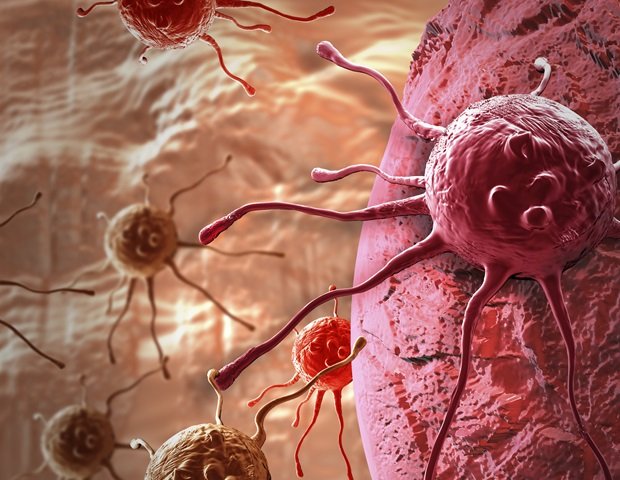
Researchers Uncover New Mutational Mechanism Leading To Cancer Progression
Share
Facebook Twitter LinkedIn Pinterest WhatsApp Email

Osteosarcoma is a type of aggressive bone cancer that most often affects children and young adults between the ages of 10 and 20, during periods of rapid bone growth. Although rare, it has a significant impact on young people and their families as treatment may require surgery or amputation. Cancer also has the potential to spread to other organs, most commonly the lungs. Because osteosarcoma is so genomically complex, it has been difficult to identify which genetic mutations drive the disease. As a result, there has been little progress in treatment options over the past 40 years.

New research, published in the journal Cellsolves the mystery of what drives the genomic rearrangements that cause the aggressive growth and progression of osteosarcoma tumors. Analyzing the largest genome-wide data collection from patients with osteosarcoma, researchers identified a new mutation mechanism, called loss-translocation-gain (LTA) chromothripsis, which is present in about 50% of high-grade osteosarcoma cases.

This finding explains the unique biology that makes this tumor type so aggressive and the high levels of genomic instability seen in osteosarcoma cancer cells. The study also presents a prognostic biomarker—a biological characteristic of cancer cells that can help predict patient outcome—that can be used to predict the likely course of the disease.

This work is a collaboration between researchers at EMBL’s European Bioinformatics Institute (EMBL-EBI), University College London (UCL), the Royal National Orthopedic Hospital and the Genomics England Research and Development laboratory.

“We have known for years that osteosarcoma cells have some of the most complex genomes seen in human cancers, but we could not explain the mechanisms behind this,” said Isidro Cortes-Ciriano, team leader at EMBL-EBI and co -senior author of the study.

By studying the genetic abnormalities in different areas of each tumor and using new technologies that allow us to read large stretches of DNA, we were able to understand how chromosomes break and rearrange and how this affects osteosarcoma disease progression.”


Isidro Cortes-Ciriano, Group Leader, EMBL-EBI

Large-scale genomic analysis

This study analyzed multiple regions from each osteosarcoma tumor using long-read sequencing. This approach was crucial to identifying the mechanism of LTA chromophores and the discovery that chromosome rearrangements in cancer cells continue to acquire additional abnormalities as the cancer progresses. This helps tumors avoid treatment.

The researchers also analyzed whole-genome sequencing data from more than 5,300 tumors from various cancer types. Through this broader analysis, the researchers identified that complex chromosomal abnormalities in various cancers arise because chromosomes affected by chromosomal aberrations are highly unstable. This finding has important implications for the treatment of different types of cancer, suggesting that the genomic instability of complex chromosomes observed in osteosarcoma progression is also associated with other cancers.

“Our additional analysis of different tumor types showed that chromosomes affected by complex genomic rearrangements are also common and unstable in other cancers,” said Jose Espejo Valle-Inclan, co-first author of the study and former postdoctoral fellow at EMBL-EBI . Currently team leader at the Botton-Champalimaud Pancreatic Cancer Center. “This has a huge impact on our overall understanding of cancer development, underscoring the importance of investing in studies investigating these mechanisms.”

United efforts

This research used data from the 100,000 Genomes Project, a pioneering study led by Genomics England and NHS England, which sequences whole genomes from NHS patients affected by rare diseases or cancer. Analyzing genomic data from a large cohort of osteosarcoma patients, the researchers revealed a prevalence of LTA chromothripsis in approximately 50% of both pediatric and adult high-grade osteosarcoma. However, it is very rarely seen in other types of cancer, thus highlighting the need for large-scale analysis of rare cancers to identify the distinct mutations that underlie their development.

“These discoveries go a long way towards improving our understanding of what drives the progression of this aggressive type of bone cancer and how it can develop in a patient,” said Greg Elgar, Director of Sequencing R&D at Genomics England. “New insights could, over time, lead to better treatment options and outcomes for patients through more targeted care. The research shows what can be achieved when academia, clinical practice and the NHS work together and combine efforts research and development in these three streams’.

Prognosis prediction

Predicting the prognosis – the likely course of the disease – for patients with osteosarcoma remains an important unmet need. As part of this study, the team also demonstrated a new prognostic biomarker for osteosarcoma: loss of heterozygosity (LOH). LOH occurs when one copy of a genomic region is lost. In osteosarcoma, a high degree of genome-wide LOH predicts a lower probability of survival.

“This biomarker could help us identify patients who are unlikely to benefit from treatment which can have very unpleasant outcomes and which patients find difficult to tolerate,” said Adrienne Flanagan, Professor at UCL, Consultant Histopathologist at the RNOH and co-senior author of the study. “This is invaluable in providing patients with more tailored treatments and eliminating the unnecessary side effects of toxic treatments.”

Source:

European Laboratory of Molecular Biology

Journal Reference:

Valle-Inclan, EJ, et al. (2025). Ongoing chromothripsis supports osteosarcoma genome complexity and clonal evolution. Cell. doi.org/10.1016/j.cell.2024.12.005.

cancer leading mechanism mutational Progression Researchers uncover
bhanuprakash.cg
healthtost
  • Website

Related Posts

The new molecular framework paves the way for targeted therapeutic interventions for Parkinson’s disease

May 5, 2026

The use of symptom dimensions may provide more accurate, personalized mental health care

May 4, 2026

Randomized controlled trial validates total hip arthroplasty to improve functional capacity

May 4, 2026

Leave A Reply Cancel Reply

Don't Miss
News

The new molecular framework paves the way for targeted therapeutic interventions for Parkinson’s disease

By healthtostMay 5, 20260

A new study led by researchers from VIB and KU Leuven shows that Parkinson’s disease…

Aging in place takes more than good intentions — It takes smart infrastructure

May 5, 2026

Breaking Barriers, Building Strength: The Maya Nassar Story

May 5, 2026

5 Ways to Improve Heart Health for Men

May 5, 2026
Stay In Touch
  • Facebook
  • Twitter
  • Pinterest
  • Instagram
  • YouTube
  • Vimeo
TAGS
Baby benefits body brain cancer care Day Diet disease exercise finds Fitness food Guide health healthy heart Improve Life Loss Men mental Natural Nutrition Patients Pregnancy protein research reveals risk routine sex sexual Skin Skincare study Therapy Tips Top Training Treatment ways weight women Workout
About Us
About Us

Welcome to HealthTost, your trusted source for breaking health news, expert insights, and wellness inspiration. At HealthTost, we are committed to delivering accurate, timely, and empowering information to help you make informed decisions about your health and well-being.

Latest Articles

The new molecular framework paves the way for targeted therapeutic interventions for Parkinson’s disease

May 5, 2026

Aging in place takes more than good intentions — It takes smart infrastructure

May 5, 2026

Breaking Barriers, Building Strength: The Maya Nassar Story

May 5, 2026
New Comments
    Facebook X (Twitter) Instagram Pinterest
    • About Us
    • Contact Us
    • Privacy Policy
    • Terms and Conditions
    • Disclaimer
    © 2026 HealthTost. All Rights Reserved.

    Type above and press Enter to search. Press Esc to cancel.