

Close Menu
Healthtost
  • News
  • Mental Health
  • Men’s Health
  • Women’s Health
  • Skin Care
  • Sexual Health
  • Pregnancy
  • Nutrition
  • Fitness
  • Recommended Essentials
What's Hot

10 Mental Health Tips for Those Who Work From Home

April 14, 2026

States change custody laws to keep children of immigrant detainees out of foster care

April 14, 2026

Vaping may increase risk of cognitive decline in young adults, study finds

April 14, 2026
Facebook X (Twitter) Instagram
  • About Us
  • Contact Us
  • Privacy Policy
  • Terms and Conditions
  • Disclaimer
Facebook X (Twitter) Instagram
Healthtost
SUBSCRIBE
  • News

    States change custody laws to keep children of immigrant detainees out of foster care

    April 14, 2026

    Study Warns of Teens’ Growing Dependence on AI Companions

    April 14, 2026

    Competition between brain circuits is key to intelligent behavior

    April 13, 2026

    Study reveals brain mechanisms behind urinary incontinence after stroke

    April 13, 2026

    Genetic variations may reduce the effectiveness of popular diabetes drugs

    April 12, 2026
  • Mental Health

    Is it anxiety or OCD? 2 psychology experts explain the difference

    April 14, 2026

    Understanding the different types of treatment: C…

    April 10, 2026

    How does Medicare’s new Mental Health Check In work? Is this low-intensity CBT likely to help?

    April 10, 2026

    the surprisingly common condition with a scary name

    April 6, 2026

    How yoga helps heal emotional wounds

    April 4, 2026
  • Men’s Health

    Vaping may increase risk of cognitive decline in young adults, study finds

    April 14, 2026

    Opinion: Prediction markets are betting against public health

    April 14, 2026

    A monk’s method for falling asleep fast

    April 13, 2026

    The Future of MenAlive: From Men’s Health to Relational Healing and Transformation

    April 13, 2026

    Traveling by plane with BPH

    April 9, 2026
  • Women’s Health

    What is urea for dry skin?

    April 13, 2026

    Beyond fitness: Why exercise is vital to improving cardiovascular health

    April 12, 2026

    5 ways to put your health dollars to work this spring

    April 11, 2026

    “Fueling the Fight” — Nutrition during and after cancer treatment

    April 11, 2026

    Navigating the Void of Intimacy – Vuvatech

    April 10, 2026
  • Skin Care

    Wait – can makeup really cause a reaction to gluten?

    April 14, 2026

    CoolSculpting Elite – SkinCare Physicians

    April 13, 2026

    Why Your Skin Barrier Is The Most Important Thing You’re Ignoring – Lifeline Skin Care

    April 12, 2026

    Spa Los Angeles: Best Services to Book for Real Results

    April 12, 2026

    Spring skincare: Why your skin needs more support, not less

    April 11, 2026
  • Sexual Health

    Can you get tested for herpes without an outbreak?

    April 14, 2026

    At the Intersection of Autism, LGBTQIA+ Identity and Kink — Sexual Health Alliance

    April 13, 2026

    Endometriosis procedures are reimbursed at lower rates, doctors say

    April 8, 2026

    Reflections two years later in a global context < SRHM

    April 8, 2026

    Can exercise improve HIV symptoms?

    April 7, 2026
  • Pregnancy

    Serious maternal complications affect nearly 3 per cent of pregnancies, Ontario study finds

    April 11, 2026

    Third Trimester Nutrition Guide for Indian Moms

    April 10, 2026

    How your partner can support a happier pregnancy

    April 9, 2026

    Exposure to plastic during pregnancy may be linked to more premature births than expected

    April 4, 2026

    How to relieve numbness and tingling in the legs in the third trimester?

    April 3, 2026
  • Nutrition

    High protein comfort food for women who are tired of salads

    April 14, 2026

    Blueberry Chia Pudding (Easy Breakfast!) • Kath Eats

    April 13, 2026

    Because cooling potatoes reduces their glycemic load

    April 12, 2026

    The mind-body connection of fertility

    April 12, 2026

    Greens that make you glow: The detox-hormone connection

    April 11, 2026
  • Fitness

    10 Mental Health Tips for Those Who Work From Home

    April 14, 2026

    7 shoulder exercises that keep your arms strong and pain-free after 40

    April 14, 2026

    Inside The OPEX Method Mentorship: A Coach’s POV with Dr David Skolnik (Week 1)

    April 12, 2026

    Active summer camps that build healthy lifelong habits in 6 US states

    April 12, 2026

    Bridging Clinical and Community Care

    April 10, 2026
  • Recommended Essentials
Healthtost
Home»News»Rapid CPR improves the chances of survival in children after cardiac arrest
News

Rapid CPR improves the chances of survival in children after cardiac arrest

healthtostBy healthtostNovember 3, 2025No Comments5 Mins Read
Facebook Twitter Pinterest LinkedIn Tumblr Reddit WhatsApp Email
Rapid Cpr Improves The Chances Of Survival In Children After
Share
Facebook Twitter LinkedIn Pinterest WhatsApp Email

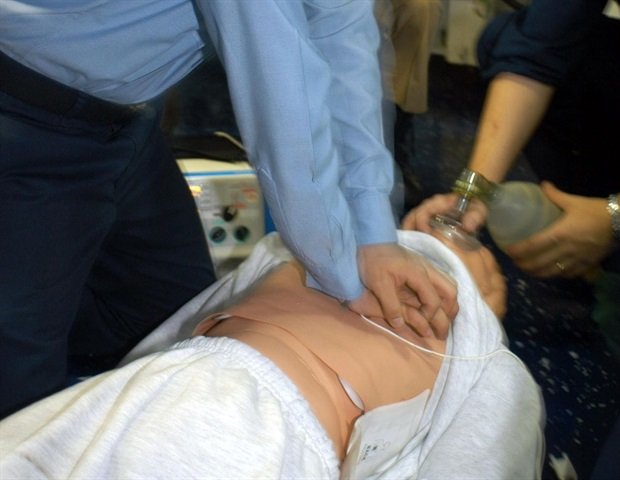
Cardiopulmonary resuscitation (CPR) performed within five minutes of a child’s heart stopping nearly doubled their chances of survival, according to preliminary research to be presented at the American Heart Association’s Resuscitation Science Symposium 2025. The meeting will be held Nov. 8-9 in New Orleans and will feature the latest advances in the treatment of cardiovascular injuries and life trauma.

Cardiac arrest occurs when the heart’s electrical system suddenly malfunctions and stops pumping blood to the rest of the body, resulting in loss of blood to the brain, lungs, and other vital organs. CPR for children consists of cycles of 30 chest compressions, at 100-120 compressions per minute, followed by two breaths. For adults, CPR administered within 10 minutes of cardiac arrest is associated with better outcomes, however, the optimal time for CPR after cardiac arrest for children is unclear.

If a child’s heart stops suddenly, every second counts. Starting CPR right away can almost double their chances of survival. We found that timing is even more critical in children, so it is imperative to emphasize starting CPR as soon as possible after a cardiac arrest.”


Mohammad Abdel Jawad, MD, MS, lead author of the study, a researcher at the University of Missouri-Kansas City and Saint Luke’s Mid America Heart Institute, Kansas City

“These findings underscore the urgent need to teach and encourage more people—parents, family members, teachers, coaches, and community members—to learn CPR and feel confident using it immediately,” Jawad said. “This is especially difficult for children after cardiac arrest because lay rescuers may feel they may harm the child by performing CPR. We have found that timing is even more critical in children, so it is imperative to emphasize starting CPR as soon as possible when they are in cardiac arrest.”

The preliminary study looked at data on more than 10,000 children from a large US database that tracks out-of-hospital cardiac arrests. Researchers looked at how delays in starting CPR affect survival in children under 18 who have an out-of-hospital cardiac arrest. They also analyzed whether the timing of starting CPR by lay rescuers — such as family, friends or strangers before emergency services (EMS) arrived — affected brain function.

For children who received rescuer CPR, compared with those who did not, the analysis found:

  • The chances of survival increased by 91% when a lay rescuer started CPR within one minute of cardiac arrest, 98% when it was started within two to three minutes, and 37% when it was performed within four to five minutes of cardiac arrest.
  • However, the odds of survival dropped by 24% when a lay rescuer started CPR within six to seven minutes, 33% when it was performed within eight to nine minutes, and 41% when it was started 10 minutes or more after cardiac arrest.
  • A similar pattern emerged between time to start rescue CPR and favorable brain survival.

“We were not surprised that CPR started within five minutes of cardiac arrest improved children’s chances of survival,” Jawad said. “However, we were struck by how quickly the benefit fell off after five minutes. In adults, a recent study reported survival benefits even when CPR was started at nine minutes. However, our analysis confirms that in children the time frame was much shorter. This highlights how critical every minute is after pediatric cardiac arrest.”

One of the study’s limitations is that the time to administer CPR, which the research team calculated based on the time someone called 911 dispatch, depended on EMS reports that may not always be accurate.

“Future research could focus on how to reduce CPR time even further, such as improved dispatcher instructions or broader implementation of CPR training in schools and during well-child visits to increase the number of rescuers available to administer CPR,” Jawad said.

Study details, history and results:

  • The researchers looked at data from the Cardiac Arrest Registry to Enhance Survival, or CARES, a US registry that collects information on cardiac arrests that occur outside hospitals and now includes data on more than 175 million people, or more than half the US population.
  • Among the 10,991 children who had an out-of-hospital cardiac arrest, about half (5,446) received bystander CPR.
  • The median time to receive lifeguard CPR was three minutes.
  • Overall, more than 15% (1,677) of the children survived after hospital discharge. and nearly 13% (1,420) had favorable brain function at discharge, with better outcomes seen when SPR was initiated within 5 minutes of cardiac arrest.

This research supports the fact that in a cardiac emergency, every second counts. Science shows that when lay rescuers step in and start CPR within the first few minutes, survival rates can more than double and the chances of preserving brain function increase dramatically. The time frame for children is shorter, but regardless of age, quick action is not only helpful, but can be life-saving.”


Dianne Atkins, MD, FAHA, FAAP, volunteer past chair of the American Heart Association Committee on Emergency Cardiovascular Care and pediatric cardiologist and professor, University of Iowa

Acting quickly after a cardiac emergency is one of the cornerstones of the American Heart Association’s Nation of Lifesavers™ movement, which aims to double survival rates from cardiac arrest by 2030. According to American Heart Association data, 9 out of 10 people who experience out-of-hospital cardiac arrest die, in part because they don’t receive CPR more than half the time. CPR, especially if performed immediately, can double or triple a person’s chances of survival.

Source:

American Heart Association

arrest cardiac chances children CPR improves Rapid survival
bhanuprakash.cg
healthtost
  • Website

Related Posts

States change custody laws to keep children of immigrant detainees out of foster care

April 14, 2026

Study Warns of Teens’ Growing Dependence on AI Companions

April 14, 2026

Competition between brain circuits is key to intelligent behavior

April 13, 2026

Leave A Reply Cancel Reply

Don't Miss
Fitness

10 Mental Health Tips for Those Who Work From Home

By healthtostApril 14, 20260

Working from home has become the new normal for many people due to the coronavirus…

States change custody laws to keep children of immigrant detainees out of foster care

April 14, 2026

Vaping may increase risk of cognitive decline in young adults, study finds

April 14, 2026

Wait – can makeup really cause a reaction to gluten?

April 14, 2026
Stay In Touch
  • Facebook
  • Twitter
  • Pinterest
  • Instagram
  • YouTube
  • Vimeo
TAGS
Baby benefits body brain cancer care Day Diet disease exercise finds Fitness food Guide health healthy heart Improve Life Loss Men mental Natural Nutrition Patients People Pregnancy research reveals risk routine sex sexual Skin Skincare study Therapy Tips Top Training Treatment ways weight women Workout
About Us
About Us

Welcome to HealthTost, your trusted source for breaking health news, expert insights, and wellness inspiration. At HealthTost, we are committed to delivering accurate, timely, and empowering information to help you make informed decisions about your health and well-being.

Latest Articles

10 Mental Health Tips for Those Who Work From Home

April 14, 2026

States change custody laws to keep children of immigrant detainees out of foster care

April 14, 2026

Vaping may increase risk of cognitive decline in young adults, study finds

April 14, 2026
New Comments
    Facebook X (Twitter) Instagram Pinterest
    • About Us
    • Contact Us
    • Privacy Policy
    • Terms and Conditions
    • Disclaimer
    © 2026 HealthTost. All Rights Reserved.

    Type above and press Enter to search. Press Esc to cancel.