

Close Menu
Healthtost
  • News
  • Mental Health
  • Men’s Health
  • Women’s Health
  • Skin Care
  • Sexual Health
  • Pregnancy
  • Nutrition
  • Fitness
  • Recommended Essentials
What's Hot

10 Mental Health Tips for Those Who Work From Home

April 14, 2026

States change custody laws to keep children of immigrant detainees out of foster care

April 14, 2026

Vaping may increase risk of cognitive decline in young adults, study finds

April 14, 2026
Facebook X (Twitter) Instagram
  • About Us
  • Contact Us
  • Privacy Policy
  • Terms and Conditions
  • Disclaimer
Facebook X (Twitter) Instagram
Healthtost
SUBSCRIBE
  • News

    States change custody laws to keep children of immigrant detainees out of foster care

    April 14, 2026

    Study Warns of Teens’ Growing Dependence on AI Companions

    April 14, 2026

    Competition between brain circuits is key to intelligent behavior

    April 13, 2026

    Study reveals brain mechanisms behind urinary incontinence after stroke

    April 13, 2026

    Genetic variations may reduce the effectiveness of popular diabetes drugs

    April 12, 2026
  • Mental Health

    Is it anxiety or OCD? 2 psychology experts explain the difference

    April 14, 2026

    Understanding the different types of treatment: C…

    April 10, 2026

    How does Medicare’s new Mental Health Check In work? Is this low-intensity CBT likely to help?

    April 10, 2026

    the surprisingly common condition with a scary name

    April 6, 2026

    How yoga helps heal emotional wounds

    April 4, 2026
  • Men’s Health

    Vaping may increase risk of cognitive decline in young adults, study finds

    April 14, 2026

    Opinion: Prediction markets are betting against public health

    April 14, 2026

    A monk’s method for falling asleep fast

    April 13, 2026

    The Future of MenAlive: From Men’s Health to Relational Healing and Transformation

    April 13, 2026

    Traveling by plane with BPH

    April 9, 2026
  • Women’s Health

    What is urea for dry skin?

    April 13, 2026

    Beyond fitness: Why exercise is vital to improving cardiovascular health

    April 12, 2026

    5 ways to put your health dollars to work this spring

    April 11, 2026

    “Fueling the Fight” — Nutrition during and after cancer treatment

    April 11, 2026

    Navigating the Void of Intimacy – Vuvatech

    April 10, 2026
  • Skin Care

    Wait – can makeup really cause a reaction to gluten?

    April 14, 2026

    CoolSculpting Elite – SkinCare Physicians

    April 13, 2026

    Why Your Skin Barrier Is The Most Important Thing You’re Ignoring – Lifeline Skin Care

    April 12, 2026

    Spa Los Angeles: Best Services to Book for Real Results

    April 12, 2026

    Spring skincare: Why your skin needs more support, not less

    April 11, 2026
  • Sexual Health

    Can you get tested for herpes without an outbreak?

    April 14, 2026

    At the Intersection of Autism, LGBTQIA+ Identity and Kink — Sexual Health Alliance

    April 13, 2026

    Endometriosis procedures are reimbursed at lower rates, doctors say

    April 8, 2026

    Reflections two years later in a global context < SRHM

    April 8, 2026

    Can exercise improve HIV symptoms?

    April 7, 2026
  • Pregnancy

    Serious maternal complications affect nearly 3 per cent of pregnancies, Ontario study finds

    April 11, 2026

    Third Trimester Nutrition Guide for Indian Moms

    April 10, 2026

    How your partner can support a happier pregnancy

    April 9, 2026

    Exposure to plastic during pregnancy may be linked to more premature births than expected

    April 4, 2026

    How to relieve numbness and tingling in the legs in the third trimester?

    April 3, 2026
  • Nutrition

    High protein comfort food for women who are tired of salads

    April 14, 2026

    Blueberry Chia Pudding (Easy Breakfast!) • Kath Eats

    April 13, 2026

    Because cooling potatoes reduces their glycemic load

    April 12, 2026

    The mind-body connection of fertility

    April 12, 2026

    Greens that make you glow: The detox-hormone connection

    April 11, 2026
  • Fitness

    10 Mental Health Tips for Those Who Work From Home

    April 14, 2026

    7 shoulder exercises that keep your arms strong and pain-free after 40

    April 14, 2026

    Inside The OPEX Method Mentorship: A Coach’s POV with Dr David Skolnik (Week 1)

    April 12, 2026

    Active summer camps that build healthy lifelong habits in 6 US states

    April 12, 2026

    Bridging Clinical and Community Care

    April 10, 2026
  • Recommended Essentials
Healthtost
Home»News»Increasing daily consumption of foods rich in flavonoids may reduce the risk of dementia
News

Increasing daily consumption of foods rich in flavonoids may reduce the risk of dementia

healthtostBy healthtostSeptember 25, 2024No Comments5 Mins Read
Facebook Twitter Pinterest LinkedIn Tumblr Reddit WhatsApp Email
Increasing Daily Consumption Of Foods Rich In Flavonoids May Reduce
Share
Facebook Twitter LinkedIn Pinterest WhatsApp Email

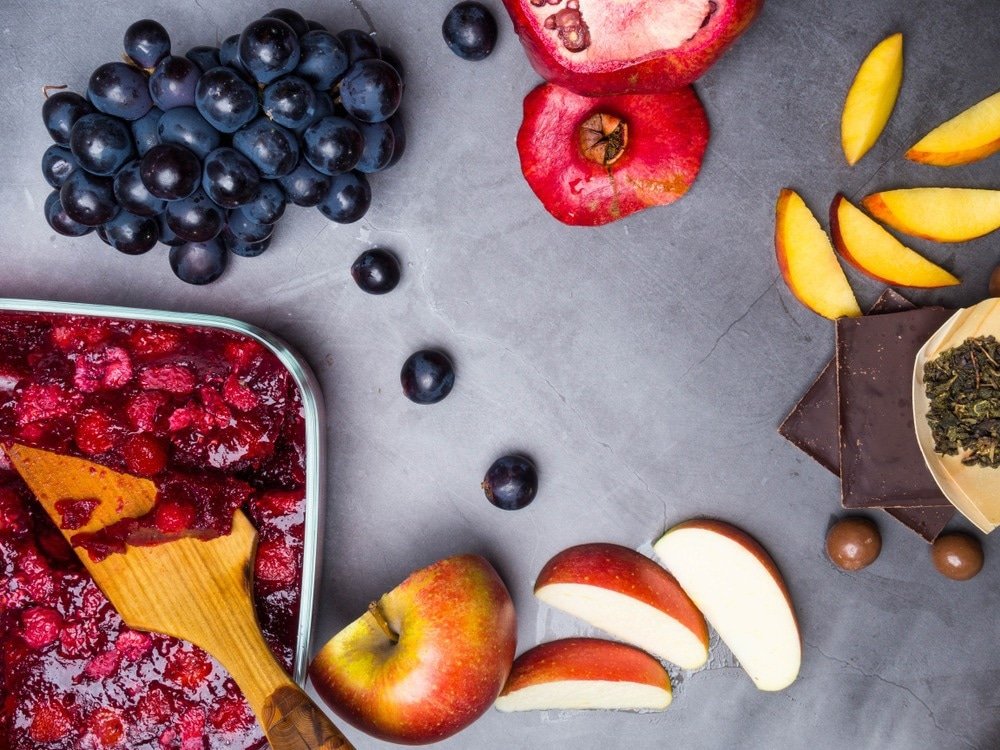
A large cohort study of UK adults reveals that consumption of flavonoid-rich foods such as tea, red wine and berries is associated with a reduced risk of dementia, particularly among those with a high genetic risk, hypertension or depressive symptoms.

Study: Foods rich in flavonoids, risk of dementia and interactions with genetic risk, hypertension and depression. Image credit: DIVA.photo/Shutterstock.com

In a recent study published in JAMA Network Openresearchers investigated associations between scores of flavonoid-rich foods (palatable diet), flavonoid categories, and dementia risk. They also investigated these associations in the settings of high genetic risk, hypertension and depression.

Background

Dementia, a disease characterized by gradual cognitive decline, impairs thinking, memory and the ability to perform everyday tasks. The lack of effective treatments makes the disease a growing global health concern. Preventive treatments are critical to improving health, reducing costs, and reducing the risk of dementia. Modifiable risk variables such as diet play a critical role in disease prevention, with plant-based diets associated with a reduced incidence of cognitive impairment.

Plant-based foods and beverages contain flavonoids, which are associated with reduced risks of dementia, depression, and hypertension. Dietary flavonoids reduce neuroinflammation, increase blood flow in cerebrovascular channels, and have a role in the gut-brain axis. These foods also affect neural pathways involved in synaptic plasticity. Identifying flavonoid-enriched foods associated with better health outcomes may help develop dietary recommendations for intervention studies and population health efforts.

About the study

In the present study, researchers determined the relationships between flavonoid consumption, flavonoid subclasses, and dementia risk. They also examined these relationships among genetically susceptible, hypertensive, and depressed individuals.

Researchers analyzed dietary data provided by UK Biobank participants aged between 40 and 70, recruited from 2006 to 2010 based on National Health Service (NHS) registers. Participants completed the Oxford WebQ dietary questionnaire and completed several biological and physical assessments. All participants provided at least two diet records. Participants’ daily dietary intake ranged from 800 to 4,200 kcal for men and 600 to 3,500 kcal for women.

The researchers developed a diet score by adding the primary participants’ intakes of flavonoid subclasses and then calculated the cumulative mean using the participants’ energy intake. The main contributors were the three meals that consumed the most of each flavonoid subcategory. Study endpoints were adherence to the flavonoid score and flavonoid subclass consumption as measured by 24-hour dietary assessments.

The primary outcome was new-onset dementia and its association with hypertension, depression and genetic risk. Individuals carrying the apolipoprotein E (APOE) ε4 genotype or those in the top quintile of Alzheimer’s disease-related polygenic risk scores (PRS) had a high genetic risk for dementia. Data linked to death registries and hospital records ascertained dementia using International Classification of Diseases, ninth revision (ICD-9) and ICD-10 codes. Censor dates for mortality data were 31 March 2021 (Scotland and England) and 28 February 2018 (Wales). The researchers followed the participants for nine years until the date of censoring, diagnosis of dementia or death, whichever occurred first.

Multivariable Cox proportional hazards regressions determined adjusted hazard ratios (AHRs) for analysis. Study covariates included sex, education, socioeconomic status, ethnicity, race, smoking status, sleep duration, physical activity, body mass index (BMI), family history of dementia, history of stroke, postmenopausal status, medications, comorbidities, and healthy herbal index scores. of nutrition (hPDI). The researchers analyzed data between September 1 and 30, 2023.

Results

Among 121,986 people, the average age was 56 years. 56% were women, 97% were white, and 882 had dementia. People in the highest quintile of palatable diet scores were more physically active with lower BMI values ​​and less socioeconomically deprived than those in the lowest quintile. Comparing the top to bottom quintiles for flavonutrition scores, eating six additional servings daily of flavonoid-dense items was associated with a lower risk of dementia among study participants (AHR, 0.7), genetically susceptible individuals (AHR, 0. 6) and those who were depressed (AHR , 0.5).

The researchers observed the greatest reduction in risk among people who consumed at least two of the three daily: five servings of tea, 0.5 servings of berries and a glass of red wine, compared with those who did not consume such intake (AHR, 0.6 ). Increased consumption of subclasses of flavonoids, including anthocyanins, flavones, flavan-3-ols, and flavonols, of which berries, tea, and red wine are major contributors, supported the results, with an inverse relationship with the incidence of dementia.

Subsequent sensitivity analyzes of subjects aged ≥60 years for more than five years and those without a history of stroke yielded similar results. Analyzes included genetically vulnerable Whites and less educated and less physically active individuals residing in areas of high socioeconomic deprivation. Removing the hPDI scores did not change the results.

Conclusion

The study found that increasing consumption of flavonoid-dense foods and beverages may reduce the incidence of dementia, especially in people who are genetically vulnerable, suffer from depression or have hypertension. The findings show that eating six extra servings of flavonoid-enriched foods, such as berries, tea and red wine, can significantly reduce the risk of new dementia, particularly in high-risk groups. Tea showed the highest association with a reduced risk of dementia due to epicatechin, a flavonoid that inhibits the pathological effects of APOE.

consumption Daily dementia flavonoids foods increasing reduce Rich risk
bhanuprakash.cg
healthtost
  • Website

Related Posts

States change custody laws to keep children of immigrant detainees out of foster care

April 14, 2026

Vaping may increase risk of cognitive decline in young adults, study finds

April 14, 2026

Study Warns of Teens’ Growing Dependence on AI Companions

April 14, 2026

Leave A Reply Cancel Reply

Don't Miss
Fitness

10 Mental Health Tips for Those Who Work From Home

By healthtostApril 14, 20260

Working from home has become the new normal for many people due to the coronavirus…

States change custody laws to keep children of immigrant detainees out of foster care

April 14, 2026

Vaping may increase risk of cognitive decline in young adults, study finds

April 14, 2026

Wait – can makeup really cause a reaction to gluten?

April 14, 2026
Stay In Touch
  • Facebook
  • Twitter
  • Pinterest
  • Instagram
  • YouTube
  • Vimeo
TAGS
Baby benefits body brain cancer care Day Diet disease exercise finds Fitness food Guide health healthy heart Improve Life Loss Men mental Natural Nutrition Patients People Pregnancy research reveals risk routine sex sexual Skin Skincare study Therapy Tips Top Training Treatment ways weight women Workout
About Us
About Us

Welcome to HealthTost, your trusted source for breaking health news, expert insights, and wellness inspiration. At HealthTost, we are committed to delivering accurate, timely, and empowering information to help you make informed decisions about your health and well-being.

Latest Articles

10 Mental Health Tips for Those Who Work From Home

April 14, 2026

States change custody laws to keep children of immigrant detainees out of foster care

April 14, 2026

Vaping may increase risk of cognitive decline in young adults, study finds

April 14, 2026
New Comments
    Facebook X (Twitter) Instagram Pinterest
    • About Us
    • Contact Us
    • Privacy Policy
    • Terms and Conditions
    • Disclaimer
    © 2026 HealthTost. All Rights Reserved.

    Type above and press Enter to search. Press Esc to cancel.