

Close Menu
Healthtost
  • News
  • Mental Health
  • Men’s Health
  • Women’s Health
  • Skin Care
  • Sexual Health
  • Pregnancy
  • Nutrition
  • Fitness
  • Recommended Essentials
What's Hot

A cancer-causing contaminant in drugs and meat

May 3, 2026

Landmine Training and Why I Love It – Tony Gentilcore

May 3, 2026

Five-target drug beats GLP-1/GIP therapy in obese diabetic mice

May 3, 2026
Facebook X (Twitter) Instagram
  • About Us
  • Contact Us
  • Privacy Policy
  • Terms and Conditions
  • Disclaimer
Facebook X (Twitter) Instagram
Healthtost
SUBSCRIBE
  • News

    Five-target drug beats GLP-1/GIP therapy in obese diabetic mice

    May 3, 2026

    How fast your face ages can predict cancer survival outcomes

    May 2, 2026

    AI scribes save doctors time, but fail to reduce overtime

    May 2, 2026

    Identifying the ages at which Alzheimer’s biomarkers change sharply

    May 1, 2026

    Timing of food may shape how T cells respond to infection and therapy

    May 1, 2026
  • Mental Health

    Every mental health journey starts with being seen

    May 2, 2026

    What animal studies teach us about toxic work environments

    April 27, 2026

    I hate hope: How to manage hope when you have treatment-resistant bipolar disorder

    April 19, 2026

    Rose Byrne is raw, magnetic and unfiltered as a woman in crisis

    April 18, 2026

    Can a single mother change her child’s surname in India?

    April 16, 2026
  • Men’s Health

    3 Day Home Workout Plan: Build Muscle and Burn Fat

    April 30, 2026

    GLP-1 drugs promise broader health benefits, but experts advise caution on use

    April 28, 2026

    Trauma patients recover faster when medical teams know each other well, new study finds

    April 28, 2026

    I did red light therapy for 3 months so I shouldn’t have

    April 27, 2026

    Sex Secrets for Men Over 40: Surviving Male Menopause

    April 27, 2026
  • Women’s Health

    What is the difference between UVA and UVB rays?

    May 1, 2026

    Are you a fungus fanatic? We unpack the nutritional trend of mushroom mania

    April 29, 2026

    What the Patients’ Bill of Rights Could Mean for Black Women

    April 29, 2026

    Navigating sexual health during and after cancer

    April 28, 2026

    Do tampons break the hymen? Facts, Myths and What You Need to Know – Vuvatech

    April 27, 2026
  • Skin Care

    The truth about waterless care: What your skin really needs

    May 2, 2026

    What happens to your skin while you sleep? (the science of “Beauty Sle

    May 1, 2026

    Face Peeling Mask Guide: Shine Without Irritation

    April 28, 2026

    Is your moisturizing face mist really drying out your skin?

    April 28, 2026

    Uses and Benefits of TNW Natural Aloe Vera Face Gel – The Natural Wash

    April 27, 2026
  • Sexual Health

    Boost erectile health and confidence

    May 1, 2026

    Judicial Restrictions on Abortion COVID-19 < SRHM

    April 30, 2026

    Can herpes affect fertility?

    April 29, 2026

    The Importance of Personalized Care in Medication Assisted Therapy (MAT) Programs I Novus

    April 28, 2026

    Your favorite mold is lying to you (a little) — Sexual Health Alliance

    April 28, 2026
  • Pregnancy

    Why is anemia during pregnancy high in Indian women?

    May 2, 2026

    5 things you need for the third trimester

    May 1, 2026

    Eating disorders in pregnancy and breastfeeding: Why “healthy eating” is not always easy

    May 1, 2026

    Comprehensive yoga for pregnancy, birth and beyond

    April 29, 2026

    Midwifery and Life – The postnatal health check New mums don’t know they can ask for

    April 28, 2026
  • Nutrition

    A cancer-causing contaminant in drugs and meat

    May 3, 2026

    How Nutrition Supports Mood, Energy and Gut Health

    May 2, 2026

    How to create a self-care plan when you’re stressed

    May 1, 2026

    I answer the most HOT Questions about Fatty Liver

    April 29, 2026

    Why You’re Not Losing Weight After 35 (Even When You Eat Less)

    April 28, 2026
  • Fitness

    Landmine Training and Why I Love It – Tony Gentilcore

    May 3, 2026

    9 Powerful Fitness Tips for Pear Shaped Bodies

    May 2, 2026

    If you can still do these 7 things at 60, your body is aging better than most

    May 2, 2026

    A Hike Leader’s Must-Have Kit

    April 30, 2026

    Menopausal Hair Loss Solutions: 10 Expert Tips

    April 29, 2026
  • Recommended Essentials
Healthtost
Home»News»Immunoglobulin replacement treatment not associated with reduced risk of severe infections in CLL patients
News

Immunoglobulin replacement treatment not associated with reduced risk of severe infections in CLL patients

healthtostBy healthtostJuly 31, 2025No Comments5 Mins Read
Facebook Twitter Pinterest LinkedIn Tumblr Reddit WhatsApp Email
Immunoglobulin Replacement Treatment Not Associated With Reduced Risk Of Severe
Share
Facebook Twitter LinkedIn Pinterest WhatsApp Email

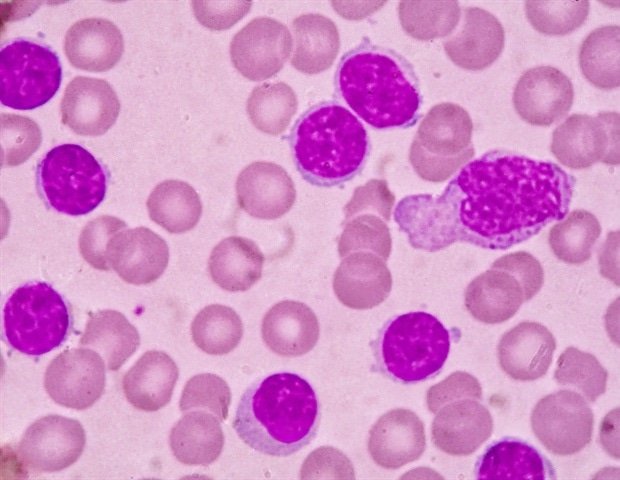
In patients with chronic lymphocytic leukemia (CLL), regular immunoglobulin replacement therapy was not associated with a reduced risk of severe infections that require hospitalization, according to a study published in the The blood progresses.

This is the first large, real study that follows CLL patients who regularly receive immunoglobulin replacement. Given the high cost and its variable use in clinical practice, this is a crucial issue from a political, economic and clinical perspective. ”

Sara Carrillo de Albornoz, Head of Study Author, Health Economist and PhD candidate at Monash University, Australia

CLL, a common type of leukemia in adults, disrupts the production of antibodies by the body (immunoglobulin molecules) that fight infections. As a result, patients with CLL are often sensitive to severe and potentially life -threatening infections. Immunoglobulin replacement therapy is often used to strengthen antibodies in an attempt to reduce the risk of infection.

“Many of the studies that support the use of immunoglobulins to reduce infections in patients with blood cancer dating from thirty years and CLL treatment has progressed significantly since then,” said study author Erica Wood, AO, MD, Professor at Monash University. “While immunoglobulins are likely to benefit some patients, there remains a critical need for a better understanding of the extent of this benefit, which is more likely to benefit and how long these patients should receive treatment.”

The research team used linked data from the Victorian Cancer Registry, the Death Index and the assisted sets of episodes, which included long -term hospital and death data for patients aged 18 years or older diagnosed with CLL between January 1, 2008. The total study group was 6,217 patients, with 5,464 (87.9%) not to treat immunoglobulin replacement and 753 (12.1%) who received at least one dose during the follow -up period, which averaged 6.9 years.

Throughout the 14 -year follow -up period, among patients who remained alive, the percentage of people who received immunoglobulin replacement increased from 2% in the first year after diagnosis to 8.8% during the year during this period, 2,191 out of 6,217 (35.2%). Between the full study of the study, patients with severe infection were much more likely to begin to receive immunoglobulin replacement treatment at 30 days after their infection, at a rate of 0.075 per person (a unit that measures the appearance per person observed for one month), compared to only 0.001 per person. Of the 753 patients! According to the overall study group, the recipients of immunoglobulin replacement therapy who had been hospitalized for severe infection last month showed a higher mortality rate of 30 days per person compared to those without infections (0.090 versus 0.008, respectively)-respectively)-respectively)-respectively).

Despite the increasing use of immunoglobulin replacement therapy during the study period, the rate of serious infections that require hospitalization increased from 1.9% to 3.9%. The researchers also noted that, among patients receiving regular immunoglobulins, there was a significantly higher incidence of infection, while in the treatment of immunoglobulin replacement compared to non -treatment periods (0.056 versus 0.038 infections per person, respectively). Among patients in regular immunoglobulins, 46.9% remained in treatment from one to five years and 23.5% received immunoglobulins for more than five years, under conditions for monitoring and survival.

“Not only did we not see a decrease in infection or hospitalizations among patients receiving immunoglobulins, we found that many were in this treatment for prolonged periods,” said Dr. Wood. “It is important to evaluate how long these patients remain in treatment and why to avoid unnecessary, prolonged and expensive treatment of a product on a limited offer internationally.”

Immunoglobulins are usually administered intravenously in a hospital environment, although subcutaneous infusions at home are increasing in popularity. The high cost of treatment is largely driven by the complex construction process and is aggravated by the frequency of treatment. For patients with CLL, intravenous immunoglobulins are generally administered on a monthly basis. In Australia, where this study was carried out, the cost of immunoglobulin is fully subsidized by the government, but in the United States and other countries, economic burden may be important.

“The cost of this treatment. Its weight for patients and the patterns of use and infection we have observed are a clear appeal for better instructions on the use of immunoglobulins,” said Carrillo. “Although there are criteria for access to government -funded treatment in this population in Australia, clear clinical guidelines are missing.”

The study has some limitations, given its retrospective nature, that is, the potential bias and incomplete data, especially around clinical prognostic factors, the severity of the disease and the treatment of cancer. In addition, there were significant differences at the start between the comparative groups of patients, in particular those who did and did not receive immunoglobulins and those who received it regularly for intermittent.

Researchers currently have ongoing surveillance studies, including a clinical test that compares immunoglobulins and antibiotics to prevent infections in CLL patients, non-Hodgkin lymphoma and multiple myeloma and studies that examine the cost of immunoglobulins.

Source:

American Hematology Company

Magazine report:

De albornoz, sc, et al. (2025) Use of immunoglobulin, survival and infection in patients with chronic lymphocytic leukemia. The blood progresses. doi.org/10.1182/bloodadvans.2025015867.

CLL Immunoglobulin infections Patients reduced replacement risk severe Treatment
bhanuprakash.cg
healthtost
  • Website

Related Posts

Five-target drug beats GLP-1/GIP therapy in obese diabetic mice

May 3, 2026

How fast your face ages can predict cancer survival outcomes

May 2, 2026

AI scribes save doctors time, but fail to reduce overtime

May 2, 2026

Leave A Reply Cancel Reply

Don't Miss
Nutrition

A cancer-causing contaminant in drugs and meat

By healthtostMay 3, 20260

Billions of dollars worth of drugs have been pulled from the market for less carcinogenic…

Landmine Training and Why I Love It – Tony Gentilcore

May 3, 2026

Five-target drug beats GLP-1/GIP therapy in obese diabetic mice

May 3, 2026

How Nutrition Supports Mood, Energy and Gut Health

May 2, 2026
Stay In Touch
  • Facebook
  • Twitter
  • Pinterest
  • Instagram
  • YouTube
  • Vimeo
TAGS
Baby benefits body brain cancer care Day Diet disease exercise finds Fitness food Guide health healthy heart Improve Life Loss Men mental Natural Nutrition Patients Pregnancy protein research reveals risk routine sex sexual Skin Skincare study Therapy Tips Top Training Treatment ways weight women Workout
About Us
About Us

Welcome to HealthTost, your trusted source for breaking health news, expert insights, and wellness inspiration. At HealthTost, we are committed to delivering accurate, timely, and empowering information to help you make informed decisions about your health and well-being.

Latest Articles

A cancer-causing contaminant in drugs and meat

May 3, 2026

Landmine Training and Why I Love It – Tony Gentilcore

May 3, 2026

Five-target drug beats GLP-1/GIP therapy in obese diabetic mice

May 3, 2026
New Comments
    Facebook X (Twitter) Instagram Pinterest
    • About Us
    • Contact Us
    • Privacy Policy
    • Terms and Conditions
    • Disclaimer
    © 2026 HealthTost. All Rights Reserved.

    Type above and press Enter to search. Press Esc to cancel.