

Close Menu
Healthtost
  • News
  • Mental Health
  • Men’s Health
  • Women’s Health
  • Skin Care
  • Sexual Health
  • Pregnancy
  • Nutrition
  • Fitness
  • Recommended Essentials
What's Hot

Baked Egg Muffin Cups with Vegetable Crust

April 17, 2026

Scientists warn of a silent rise in resistant Aspergillus and Candida

April 17, 2026

Clinical barriers hinder access to hormone therapy after cervical cancer treatment

April 16, 2026
Facebook X (Twitter) Instagram
  • About Us
  • Contact Us
  • Privacy Policy
  • Terms and Conditions
  • Disclaimer
Facebook X (Twitter) Instagram
Healthtost
SUBSCRIBE
  • News

    Scientists warn of a silent rise in resistant Aspergillus and Candida

    April 17, 2026

    Clinical barriers hinder access to hormone therapy after cervical cancer treatment

    April 16, 2026

    Waters debuts industry’s first extended-range MALS detector for UHPLC/UPLC, powering rapid characterization of large molecules

    April 16, 2026

    The use of electric bicycles and scooters causes an increase in brain injuries

    April 15, 2026

    ORGAPRED Selects CYTOQUBE® from Hamamatsu Photonics for Personalized Oncology Research and Therapeutic Discovery

    April 15, 2026
  • Mental Health

    Can a single mother change her child’s surname in India?

    April 16, 2026

    Is it anxiety or OCD? 2 psychology experts explain the difference

    April 14, 2026

    Understanding the different types of treatment: C…

    April 10, 2026

    How does Medicare’s new Mental Health Check In work? Is this low-intensity CBT likely to help?

    April 10, 2026

    the surprisingly common condition with a scary name

    April 6, 2026
  • Men’s Health

    35-minute bodyweight chest workout routine at home

    April 16, 2026

    Vaping may increase risk of cognitive decline in young adults, study finds

    April 14, 2026

    Opinion: Prediction markets are betting against public health

    April 14, 2026

    A monk’s method for falling asleep fast

    April 13, 2026

    The Future of MenAlive: From Men’s Health to Relational Healing and Transformation

    April 13, 2026
  • Women’s Health

    Strong liver, strong woman: 4 habits every woman should embrace

    April 16, 2026

    How the CEO of Cadence OTC Made Sex Talk

    April 16, 2026

    New developments in screening for osteoporosis and osteopenia

    April 15, 2026

    Are you drinking enough water? 5 simple tips to stay hydrated

    April 15, 2026

    What is urea for dry skin?

    April 13, 2026
  • Skin Care

    Fact or Fiction? 12 skincare myths, busted

    April 15, 2026

    Wait – can makeup really cause a reaction to gluten?

    April 14, 2026

    CoolSculpting Elite – SkinCare Physicians

    April 13, 2026

    Why Your Skin Barrier Is The Most Important Thing You’re Ignoring – Lifeline Skin Care

    April 12, 2026

    Spa Los Angeles: Best Services to Book for Real Results

    April 12, 2026
  • Sexual Health

    Judicial reform is the only real way out of today’s political hell

    April 15, 2026

    Personal and Professional considerations between generations

    April 15, 2026

    Can you get tested for herpes without an outbreak?

    April 14, 2026

    At the Intersection of Autism, LGBTQIA+ Identity and Kink — Sexual Health Alliance

    April 13, 2026

    Endometriosis procedures are reimbursed at lower rates, doctors say

    April 8, 2026
  • Pregnancy

    Is Saffron Milk safe in the 9th month of pregnancy?

    April 16, 2026

    Serious maternal complications affect nearly 3 per cent of pregnancies, Ontario study finds

    April 11, 2026

    Third Trimester Nutrition Guide for Indian Moms

    April 10, 2026

    How your partner can support a happier pregnancy

    April 9, 2026

    Exposure to plastic during pregnancy may be linked to more premature births than expected

    April 4, 2026
  • Nutrition

    Baked Egg Muffin Cups with Vegetable Crust

    April 17, 2026

    Sweet rhubarb butter & strawberry rhubarb

    April 15, 2026

    High protein comfort food for women who are tired of salads

    April 14, 2026

    Blueberry Chia Pudding (Easy Breakfast!) • Kath Eats

    April 13, 2026

    Because cooling potatoes reduces their glycemic load

    April 12, 2026
  • Fitness

    Training Strategies to Build Your Own Terminator Army – Tony Gentilcore

    April 15, 2026

    10 Mental Health Tips for Those Who Work From Home

    April 14, 2026

    7 shoulder exercises that keep your arms strong and pain-free after 40

    April 14, 2026

    Inside The OPEX Method Mentorship: A Coach’s POV with Dr David Skolnik (Week 1)

    April 12, 2026

    Active summer camps that build healthy lifelong habits in 6 US states

    April 12, 2026
  • Recommended Essentials
Healthtost
Home»News»How the genomic sorting in newborns found 16 hidden disorders
News

How the genomic sorting in newborns found 16 hidden disorders

healthtostBy healthtostOctober 13, 2025No Comments6 Mins Read
Facebook Twitter Pinterest LinkedIn Tumblr Reddit WhatsApp Email
How The Genomic Sorting In Newborns Found 16 Hidden Disorders
Share
Facebook Twitter LinkedIn Pinterest WhatsApp Email

By revealing life -changing genetic diseases before symptoms occur, genomic testing could redefine newborns’ care if health systems can escalate technology responsibly.

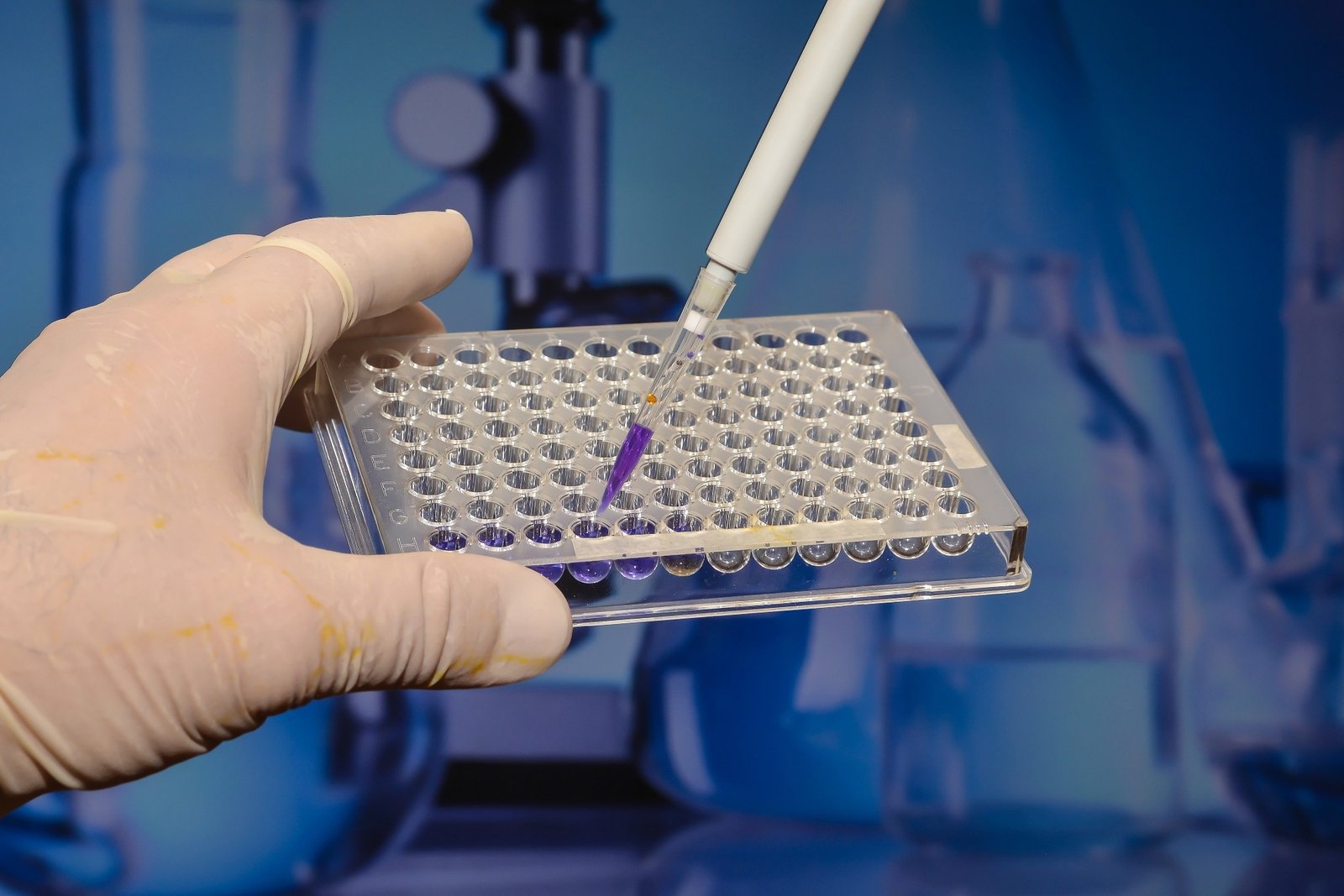
Study: Intentionality, Acceptance and Clinical Outcomes of Babyscreen View Study+ Genomic Newborn. Credit Picture: Drozd / Shutterstock Sergei

In a recent article in the magazine Natural medicineResearchers investigated integration feasibility Wgs in Fairy for 1,000 Australian infants. While standard examination found biochemically hypothyroidism in an infant, the integration of the WGS explained the genetic cause in this case and increased this number to 16 high -chance findings, allowing parents and healthcare providers to modify care accordingly. Parents also found that the process was acceptable and did not seem to be sorry for the consent of the promotion.

Background

Fairy It has long been an effective public health intervention, allowing early detection and treatment of rare, serious conditions. However, traditional NBS are based on biochemical markers, which limit the range of detectable disorders and often lag behind the progress of medical accuracy.

The growing potential of genomic sequence enables the possibility of significantly expanding NBS, identifying hundreds of genetic situations, including those without biochemical indicators and to reuse data for diagnosis and research.

In spite of her promise, the genomic newborn projector (ANTI) creates various challenges of application, such as identifying the conditions that need to be included, how and when to receive consent, the optimum test method and how to manage the impact of the healthcare system. At internationally, few prospects have given real world data to guide politics.

Recently began programs such as the Guardian (USA) and BabyDetect (Belgium) are investigating scale feasibility. In Victoria, Australia, the Babyscreen+ study was designed to cope with the basic gaps of knowledge, testing the practicality, clinical value and psychosocial influence of newborn offering of WGS for 605 genes associated with early, therapeutic genetic conditions in a public environment.

For the study

The Babyscreen+ study was a prospect of cooch cooler in Victoria, Australia, to test the feasibility and parental acceptance of GNBs using WGS. The researchers were registered 1,000 newborns, whose parents provided up -to -date consent to both formal and genomic control. The recruitment was carried out during the late pregnancy or within two weeks after birth in public and private hospitals. The information is provided through health professionals, social media and a digital decision support tool.

Genetic material was extracted from dried blood spots (DBS) After the NBS standard (Stdnbs) and sequence at an average 30 × coverage depth. The data was analyzed by focusing on 605 genes associated with early, therapeutic disorders. Only the pathogenic or possible pathogenic variants according to the inheritance standards were reported. Carriers or uncertain variants were excluded. The results were categorized as high -chance or low -opportunity, using strict criteria to avoid false positives, with genetic counseling for the first.

Basically, the reprocessing of the DBS samples took place when required, a step that prevented two lost diagnoses, including a life -threatening UNC13D immune disorder. Parents also completed research and optional interviews to evaluate the attitudes, anxiety and regret of making decisions. The quantitative data was analyzed using standard statistical methods, while quality interviews were codified and analyzed thematically.

Basic findings

Of the 1,288 parents who expressed interest, 1,000 newborns participated in the study, with a slightly higher participation in elderly, urban and educated parents. Recruitment through health professionals has attributed the best rates of integration, while social media proved to be a useful complementary method.

The DBS card sequence proved to be possible: although 3.2% of samples required reprocessing due to sample problems, procedural improvements increased the report to 81% by reducing sequence failures. The authors emphasized that the choice not to be reprocessed would have led to lost findings that could be activated, underlining the need for a strict GNB sample handling.

Of the 1,000 newborns tested, 16 (1.6%) had high -chance genetic effects, all confirmed through surveillance tests. These findings have led to various clinical actions, from preventive care and monitoring of immediate treatment interventions, such as management of metabolic risk during surgery or bone marrow transplantation for immunological disorders.

It is important that the NBS standard detected only one of these 16 cases, underlining the added value of genomic sorting. The test of family members recognized 20 additional diagnoses through cataract tests, expanding clinical benefits beyond newborns.

Parental feedback showed high satisfaction: Most parents found easy decision -making, reported low concern and regret, with an average decision to regret the score of 0 and strongly supported GNBS expansion. Over 99% believed that it should be available to all families and 97% supported public funding, demonstrating widespread acceptance and feasibility of integrating genomic sorting into the usual care of newborn.

Conclusions

The Babyscreen+ study has shown that GNBS can effectively detect a wider range of serious, therapeutic childhood conditions from STDnbs, detecting 1.6% of infants with genetic variations that can be activated. The program proved to be feasible and acceptable, incorporating the genomic sequence into existing healthcare systems with rapid recovery and minimal disorder. Parents overwhelmingly supported GNBs, showing low concern and decision regrets.

The advantages of the study include its clinically accredited sequence, the use of DBS, effective automation and multi -scientific evaluation, which contribute to reliable and timely results. However, the authors noted that more than half of cases were still required to require a manual review of experts, which means that current work flow is not yet fully scaled and will require further automation without endangering accuracy.

The restrictions included the small size of the cogs, the short duration of study and the over -representation of high -educated participants, which may limit generalization. The escalation of the program at national level would require significant infrastructure and labor investment investments, as well as evaluation of equity and access to various populations.

Overall, Babyscreen+ provides strong indications that GNBs are feasible, acceptable and clinically valuable, but further studies of large -scale and long -term shares are required to assess the stock, cost profitability and sustainability.

Magazine report:

  • Lunke, S., Downie, L., Caruana, J., Kugenthiran, N., De Fazio, R., Hollizeck, S., Bouffler, SE, Amor, DJ, Archibald, Ad, Bombard, Y., Christodoulou, J., Clausen, M. N., Lee, C., Lynch, F. Marty, A., Marty, M., McGregor, C., Riseley, J., Sadedin, S., Scarff, K., Da Cunha Torres, M., Tutty, E. The feasibility, acceptance and clinical results of the genomic newborn Babyscreen+genomic study. Natural medicine. DOI: 10.1038/S41591-025-03986-Z,
Disorders genomic hidden newborns sorting
bhanuprakash.cg
healthtost
  • Website

Related Posts

Scientists warn of a silent rise in resistant Aspergillus and Candida

April 17, 2026

Clinical barriers hinder access to hormone therapy after cervical cancer treatment

April 16, 2026

Waters debuts industry’s first extended-range MALS detector for UHPLC/UPLC, powering rapid characterization of large molecules

April 16, 2026

Leave A Reply Cancel Reply

Don't Miss
Nutrition

Baked Egg Muffin Cups with Vegetable Crust

By healthtostApril 17, 20260

We recently got back from a bucket trip to Disney with my three kids and…

Scientists warn of a silent rise in resistant Aspergillus and Candida

April 17, 2026

Clinical barriers hinder access to hormone therapy after cervical cancer treatment

April 16, 2026

Can a single mother change her child’s surname in India?

April 16, 2026
Stay In Touch
  • Facebook
  • Twitter
  • Pinterest
  • Instagram
  • YouTube
  • Vimeo
TAGS
Baby benefits body brain cancer care Day Diet disease exercise finds Fitness food Guide health healthy heart Improve Life Loss Men mental Natural Nutrition Patients People Pregnancy research reveals risk routine sex sexual Skin Skincare study Therapy Tips Top Training Treatment ways weight women Workout
About Us
About Us

Welcome to HealthTost, your trusted source for breaking health news, expert insights, and wellness inspiration. At HealthTost, we are committed to delivering accurate, timely, and empowering information to help you make informed decisions about your health and well-being.

Latest Articles

Baked Egg Muffin Cups with Vegetable Crust

April 17, 2026

Scientists warn of a silent rise in resistant Aspergillus and Candida

April 17, 2026

Clinical barriers hinder access to hormone therapy after cervical cancer treatment

April 16, 2026
New Comments
    Facebook X (Twitter) Instagram Pinterest
    • About Us
    • Contact Us
    • Privacy Policy
    • Terms and Conditions
    • Disclaimer
    © 2026 HealthTost. All Rights Reserved.

    Type above and press Enter to search. Press Esc to cancel.