

Close Menu
Healthtost
  • News
  • Mental Health
  • Men’s Health
  • Women’s Health
  • Skin Care
  • Sexual Health
  • Pregnancy
  • Nutrition
  • Fitness
  • Recommended Essentials
What's Hot

Aging in place takes more than good intentions — It takes smart infrastructure

May 5, 2026

Breaking Barriers, Building Strength: The Maya Nassar Story

May 5, 2026

5 Ways to Improve Heart Health for Men

May 5, 2026
Facebook X (Twitter) Instagram
  • About Us
  • Contact Us
  • Privacy Policy
  • Terms and Conditions
  • Disclaimer
Facebook X (Twitter) Instagram
Healthtost
SUBSCRIBE
  • News

    The use of symptom dimensions may provide more accurate, personalized mental health care

    May 4, 2026

    Randomized controlled trial validates total hip arthroplasty to improve functional capacity

    May 4, 2026

    New genetic risk report reveals hidden risk of heart disease before symptoms appear

    May 3, 2026

    Five-target drug beats GLP-1/GIP therapy in obese diabetic mice

    May 3, 2026

    How fast your face ages can predict cancer survival outcomes

    May 2, 2026
  • Mental Health

    Every mental health journey starts with being seen

    May 2, 2026

    What animal studies teach us about toxic work environments

    April 27, 2026

    I hate hope: How to manage hope when you have treatment-resistant bipolar disorder

    April 19, 2026

    Rose Byrne is raw, magnetic and unfiltered as a woman in crisis

    April 18, 2026

    Can a single mother change her child’s surname in India?

    April 16, 2026
  • Men’s Health

    Aging in place takes more than good intentions — It takes smart infrastructure

    May 5, 2026

    Dr. William O. Brant on male sexual health and the risks and benefits of supplements

    May 4, 2026

    3 Day Home Workout Plan: Build Muscle and Burn Fat

    April 30, 2026

    GLP-1 drugs promise broader health benefits, but experts advise caution on use

    April 28, 2026

    Trauma patients recover faster when medical teams know each other well, new study finds

    April 28, 2026
  • Women’s Health

    Breaking Barriers, Building Strength: The Maya Nassar Story

    May 5, 2026

    How to do a breast self-exam and spot lumps

    May 4, 2026

    Finding the best lupus treatments

    May 3, 2026

    What is the difference between UVA and UVB rays?

    May 1, 2026

    Are you a fungus fanatic? We unpack the nutritional trend of mushroom mania

    April 29, 2026
  • Skin Care

    How I Did It: Fading Hormonal Hyperpigmentation Without Lasers

    May 3, 2026

    The truth about waterless care: What your skin really needs

    May 2, 2026

    What happens to your skin while you sleep? (the science of “Beauty Sle

    May 1, 2026

    Face Peeling Mask Guide: Shine Without Irritation

    April 28, 2026

    Is your moisturizing face mist really drying out your skin?

    April 28, 2026
  • Sexual Health

    5 Ways to Improve Heart Health for Men

    May 5, 2026

    Early signs of Peyronie’s disease and when to seek help

    May 3, 2026

    Boost erectile health and confidence

    May 1, 2026

    Judicial Restrictions on Abortion COVID-19 < SRHM

    April 30, 2026

    Can herpes affect fertility?

    April 29, 2026
  • Pregnancy

    Why is anemia during pregnancy high in Indian women?

    May 2, 2026

    5 things you need for the third trimester

    May 1, 2026

    Eating disorders in pregnancy and breastfeeding: Why “healthy eating” is not always easy

    May 1, 2026

    Comprehensive yoga for pregnancy, birth and beyond

    April 29, 2026

    Midwifery and Life – The postnatal health check New mums don’t know they can ask for

    April 28, 2026
  • Nutrition

    Can magnesium help you lose weight?

    May 4, 2026

    9 Easy Chia Pudding Recipes (+ The Perfect Pudding Ratio) • Kath Eats

    May 4, 2026

    A cancer-causing contaminant in drugs and meat

    May 3, 2026

    How Nutrition Supports Mood, Energy and Gut Health

    May 2, 2026

    How to create a self-care plan when you’re stressed

    May 1, 2026
  • Fitness

    The most underrated skill I wish everyone learned

    May 3, 2026

    Landmine Training and Why I Love It – Tony Gentilcore

    May 3, 2026

    9 Powerful Fitness Tips for Pear Shaped Bodies

    May 2, 2026

    If you can still do these 7 things at 60, your body is aging better than most

    May 2, 2026

    A Hike Leader’s Must-Have Kit

    April 30, 2026
  • Recommended Essentials
Healthtost
Home»Men's Health»Diabetes linked to higher risk of colon cancer in low-income African-Americans, study shows
Men's Health

Diabetes linked to higher risk of colon cancer in low-income African-Americans, study shows

healthtostBy healthtostNovember 19, 2023No Comments4 Mins Read
Facebook Twitter Pinterest LinkedIn Tumblr Reddit WhatsApp Email
Diabetes Linked To Higher Risk Of Colon Cancer In Low Income
Share
Facebook Twitter LinkedIn Pinterest WhatsApp Email

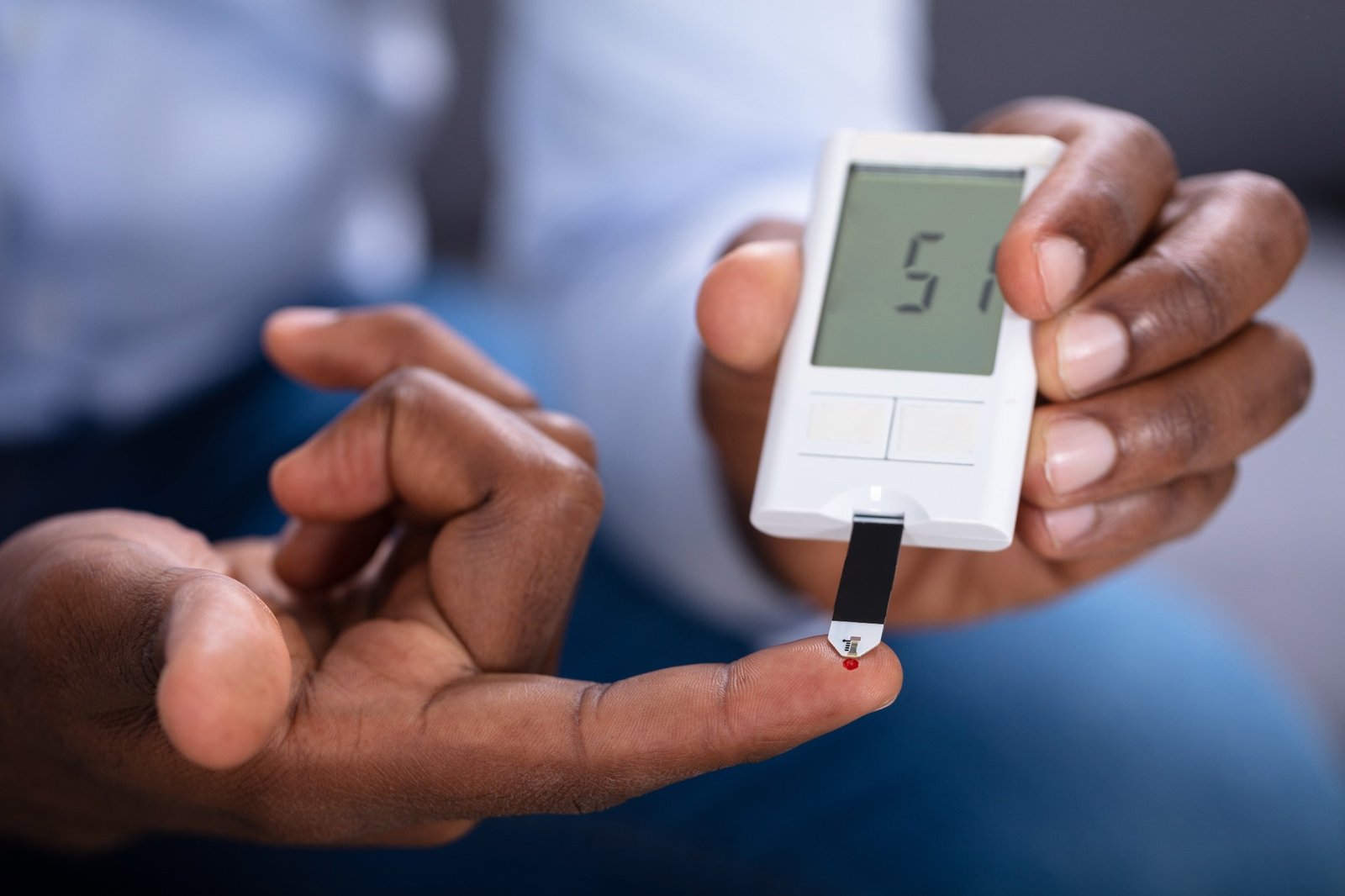
In a recent study published in JAMA Network Open, Researchers determined the relationship between type 2 diabetes (T2D) and colorectal cancer (CRC) risk among low-income African Americans.

Study: Risk of type 2 diabetes and colon cancer. Image credit: Andrey_Popov / Shutterstock.com

Record

T2D and CRC disproportionately burden low-income African Americans. Metabolic dysregulations during diabetes could contribute to the growth and proliferation of CRC cells by increasing oxidative stress and inflammation.

CRC shares many factors that contribute to diabetes, including low economic status, smoking, obesity, and black race. However, modification of the relationship between diabetes and CRC risk by common risk factors, including socioeconomic status and race, has not been extensively explored.

About the study

The current study analyzed data from the Southern Community Cohort Study (SCCS) in the United States, which recruited people between 2002 and 2009. SCCS participants completed three survey-based follow-up assessments at five-year intervals through 2018.

Of 85,000 subjects, 86% were from community health care centers in 12 US states, and 14% were recruited by telephone or email contact. At enrollment, participants completed questionnaires on demographic parameters, family history of disease, medical history, physical activity, and diet.

Participants documented their race and age at diabetes diagnoses. CRC was diagnosed using the International Classification of Diseases (ICD)-Oncology third edition codes.

Individuals with more than two years of follow-up data, previous tumor diagnosis at intake, missing data on diabetes status, diagnosed with diabetes before the age of 30 years, and non-diabetic at intake without participation in follow-up surveys were excluded. study. The data analysis period was between January 2023 and September 2023.

Exposure in the study was physician diagnosis of diabetes. New CRC incidence was determined using the National Death Index linked to state cancer registries.

Cox proportional hazards regression models determined hazard ratios (HRs) adjusted for sex, education, recruitment source, CRC screening at recruitment, insurance coverage, alcohol intake and body mass index (BMI). The relationship between diabetes and CRC risk was also assessed among subgroups based on income, sex, ethnicity and race, smoking history, and obesity.

Study findings

Among 54,597 subjects, the median age at recruitment was 51 years, 64% of whom were female, 66% were African American, and 53% had an annual income of less than $15,000. Among participants, 68% had one or more follow-up visits and 39% attended the third follow-up visit. At enrollment, 20% and 28% documented new-onset and prevalent diabetes at follow-up, respectively.

People with diabetes were older compared to those with new-onset diabetes and those without self-documented diabetes, with a median age of 54, 50, and 50 years, respectively. People with diabetes were more likely to be female, African-American, less educated, obese, and have lower annual incomes compared to people without diabetes. Compared with non-diabetics, people with diabetes at study entry were more likely to be heavy drinkers, smokers, have health insurance, and undergo CRC screening.

Individuals with CRC were older, more likely to be African American, less educated, and had participated less in CRC screening compared with those without CRC. A total of 289 diabetic subjects out of 25,992 developed CRC compared with 197 out of 28,605 non-diabetic subjects.

A diagnosis of diabetes increased the risk of CRC by 47%, with an HR of 1.5. These associations were strongest among subjects who did not undergo screening colonoscopy and had a history of smoking with HRs of 2.1 and 1.6, respectively.

Associations were stronger among women than men, with HRs of 1.6 and 1.3, respectively, and among those newly diagnosed with diabetes. Compared with diabetes duration of five to ten years, people with diabetes for two to five years were at greater risk for CRC. CRC risk was lower among people with diabetes for 10 years or more.

Biological pathways, including hyperinsulinemia and hyperglycemia, may contribute to the association between T2D and increased risk of CRC. CRC cells prefer a glycolytic metabolism. Therefore, hyperglycemia may aid in carcinogenesis by providing the extra glucose needed for cell proliferation. Similarly, hyperinsulinemia may promote glucose uptake in cancer cells and interact with insulin receptors to stimulate proliferative pathways and increase risk for CRC.

conclusions

The study findings demonstrate that diabetes was associated with an increased risk for cardiovascular disease, thus indicating that glycemic control may reduce the risk for CRC. This relationship was weaker for people who had a colonoscopy, thus indicating that screening colonoscopy for people with diabetes may help moderate the risk.

AfricanAmericans cancer colon Diabetes higher linked lowincome risk shows study
bhanuprakash.cg
healthtost
  • Website

Related Posts

Aging in place takes more than good intentions — It takes smart infrastructure

May 5, 2026

Dr. William O. Brant on male sexual health and the risks and benefits of supplements

May 4, 2026

New genetic risk report reveals hidden risk of heart disease before symptoms appear

May 3, 2026

Leave A Reply Cancel Reply

Don't Miss
Men's Health

Aging in place takes more than good intentions — It takes smart infrastructure

By healthtostMay 5, 20260

By Dr. Frank Knofel Canada is aging faster than our systems are adapting. Almost…

Breaking Barriers, Building Strength: The Maya Nassar Story

May 5, 2026

5 Ways to Improve Heart Health for Men

May 5, 2026

Can magnesium help you lose weight?

May 4, 2026
Stay In Touch
  • Facebook
  • Twitter
  • Pinterest
  • Instagram
  • YouTube
  • Vimeo
TAGS
Baby benefits body brain cancer care Day Diet disease exercise finds Fitness food Guide health healthy heart Improve Life Loss Men mental Natural Nutrition Patients Pregnancy protein research reveals risk routine sex sexual Skin Skincare study Therapy Tips Top Training Treatment ways weight women Workout
About Us
About Us

Welcome to HealthTost, your trusted source for breaking health news, expert insights, and wellness inspiration. At HealthTost, we are committed to delivering accurate, timely, and empowering information to help you make informed decisions about your health and well-being.

Latest Articles

Aging in place takes more than good intentions — It takes smart infrastructure

May 5, 2026

Breaking Barriers, Building Strength: The Maya Nassar Story

May 5, 2026

5 Ways to Improve Heart Health for Men

May 5, 2026
New Comments
    Facebook X (Twitter) Instagram Pinterest
    • About Us
    • Contact Us
    • Privacy Policy
    • Terms and Conditions
    • Disclaimer
    © 2026 HealthTost. All Rights Reserved.

    Type above and press Enter to search. Press Esc to cancel.