

Close Menu
Healthtost
  • News
  • Mental Health
  • Men’s Health
  • Women’s Health
  • Skin Care
  • Sexual Health
  • Pregnancy
  • Nutrition
  • Fitness
  • Recommended Essentials
What's Hot

The most underrated skill I wish everyone learned

May 3, 2026

New genetic risk report reveals hidden risk of heart disease before symptoms appear

May 3, 2026

Finding the best lupus treatments

May 3, 2026
Facebook X (Twitter) Instagram
  • About Us
  • Contact Us
  • Privacy Policy
  • Terms and Conditions
  • Disclaimer
Facebook X (Twitter) Instagram
Healthtost
SUBSCRIBE
  • News

    New genetic risk report reveals hidden risk of heart disease before symptoms appear

    May 3, 2026

    Five-target drug beats GLP-1/GIP therapy in obese diabetic mice

    May 3, 2026

    How fast your face ages can predict cancer survival outcomes

    May 2, 2026

    AI scribes save doctors time, but fail to reduce overtime

    May 2, 2026

    Identifying the ages at which Alzheimer’s biomarkers change sharply

    May 1, 2026
  • Mental Health

    Every mental health journey starts with being seen

    May 2, 2026

    What animal studies teach us about toxic work environments

    April 27, 2026

    I hate hope: How to manage hope when you have treatment-resistant bipolar disorder

    April 19, 2026

    Rose Byrne is raw, magnetic and unfiltered as a woman in crisis

    April 18, 2026

    Can a single mother change her child’s surname in India?

    April 16, 2026
  • Men’s Health

    3 Day Home Workout Plan: Build Muscle and Burn Fat

    April 30, 2026

    GLP-1 drugs promise broader health benefits, but experts advise caution on use

    April 28, 2026

    Trauma patients recover faster when medical teams know each other well, new study finds

    April 28, 2026

    I did red light therapy for 3 months so I shouldn’t have

    April 27, 2026

    Sex Secrets for Men Over 40: Surviving Male Menopause

    April 27, 2026
  • Women’s Health

    Finding the best lupus treatments

    May 3, 2026

    What is the difference between UVA and UVB rays?

    May 1, 2026

    Are you a fungus fanatic? We unpack the nutritional trend of mushroom mania

    April 29, 2026

    What the Patients’ Bill of Rights Could Mean for Black Women

    April 29, 2026

    Navigating sexual health during and after cancer

    April 28, 2026
  • Skin Care

    How I Did It: Fading Hormonal Hyperpigmentation Without Lasers

    May 3, 2026

    The truth about waterless care: What your skin really needs

    May 2, 2026

    What happens to your skin while you sleep? (the science of “Beauty Sle

    May 1, 2026

    Face Peeling Mask Guide: Shine Without Irritation

    April 28, 2026

    Is your moisturizing face mist really drying out your skin?

    April 28, 2026
  • Sexual Health

    Early signs of Peyronie’s disease and when to seek help

    May 3, 2026

    Boost erectile health and confidence

    May 1, 2026

    Judicial Restrictions on Abortion COVID-19 < SRHM

    April 30, 2026

    Can herpes affect fertility?

    April 29, 2026

    The Importance of Personalized Care in Medication Assisted Therapy (MAT) Programs I Novus

    April 28, 2026
  • Pregnancy

    Why is anemia during pregnancy high in Indian women?

    May 2, 2026

    5 things you need for the third trimester

    May 1, 2026

    Eating disorders in pregnancy and breastfeeding: Why “healthy eating” is not always easy

    May 1, 2026

    Comprehensive yoga for pregnancy, birth and beyond

    April 29, 2026

    Midwifery and Life – The postnatal health check New mums don’t know they can ask for

    April 28, 2026
  • Nutrition

    A cancer-causing contaminant in drugs and meat

    May 3, 2026

    How Nutrition Supports Mood, Energy and Gut Health

    May 2, 2026

    How to create a self-care plan when you’re stressed

    May 1, 2026

    I answer the most HOT Questions about Fatty Liver

    April 29, 2026

    Why You’re Not Losing Weight After 35 (Even When You Eat Less)

    April 28, 2026
  • Fitness

    The most underrated skill I wish everyone learned

    May 3, 2026

    Landmine Training and Why I Love It – Tony Gentilcore

    May 3, 2026

    9 Powerful Fitness Tips for Pear Shaped Bodies

    May 2, 2026

    If you can still do these 7 things at 60, your body is aging better than most

    May 2, 2026

    A Hike Leader’s Must-Have Kit

    April 30, 2026
  • Recommended Essentials
Healthtost
Home»News»Dash diet and salt reduction work together to reduce cardiovascular risk
News

Dash diet and salt reduction work together to reduce cardiovascular risk

healthtostBy healthtostApril 23, 2025No Comments6 Mins Read
Facebook Twitter Pinterest LinkedIn Tumblr Reddit WhatsApp Email
Dash Diet And Salt Reduction Work Together To Reduce Cardiovascular
Share
Facebook Twitter LinkedIn Pinterest WhatsApp Email

The new analysis shows that matching a low -level diet with eating habits reduces cardiovascular risk by more than 14%, with the biggest victories for women and black adults with high blood pressure.

Study: Reduction of dietary sodium reduces 10-year atherosclerotic cardiovascular risk ratings: DASH-SODIUM test results. Credit Picture: New Africa / Shutterstock

In a recent article published in American Journal of Prevents CardiologyResearchers used data collected in the United States to explore how sodium reduction in diet, either individually or by following dietary approaches to stop diet of hypertension (DASH), affects the risk of atherosclerotic cardiovascular disease (ASCVD).

Their findings show that compliance with dietary patterns and reduction in sodium diet have reduced the risk of ASCVD independently, with the greatest benefits observed when the two interventions were combined.

Background

Cardiovascular disease (CVD) remains the leading world of mortality, but over half of cases are linked to modified lifestyle factors such as physical activity and nutrition. In all the US, unhealthy dietary habits, especially excessive sodium intake, which exceed more than 90% of American adults, contribute significantly to poor cardiovascular health.

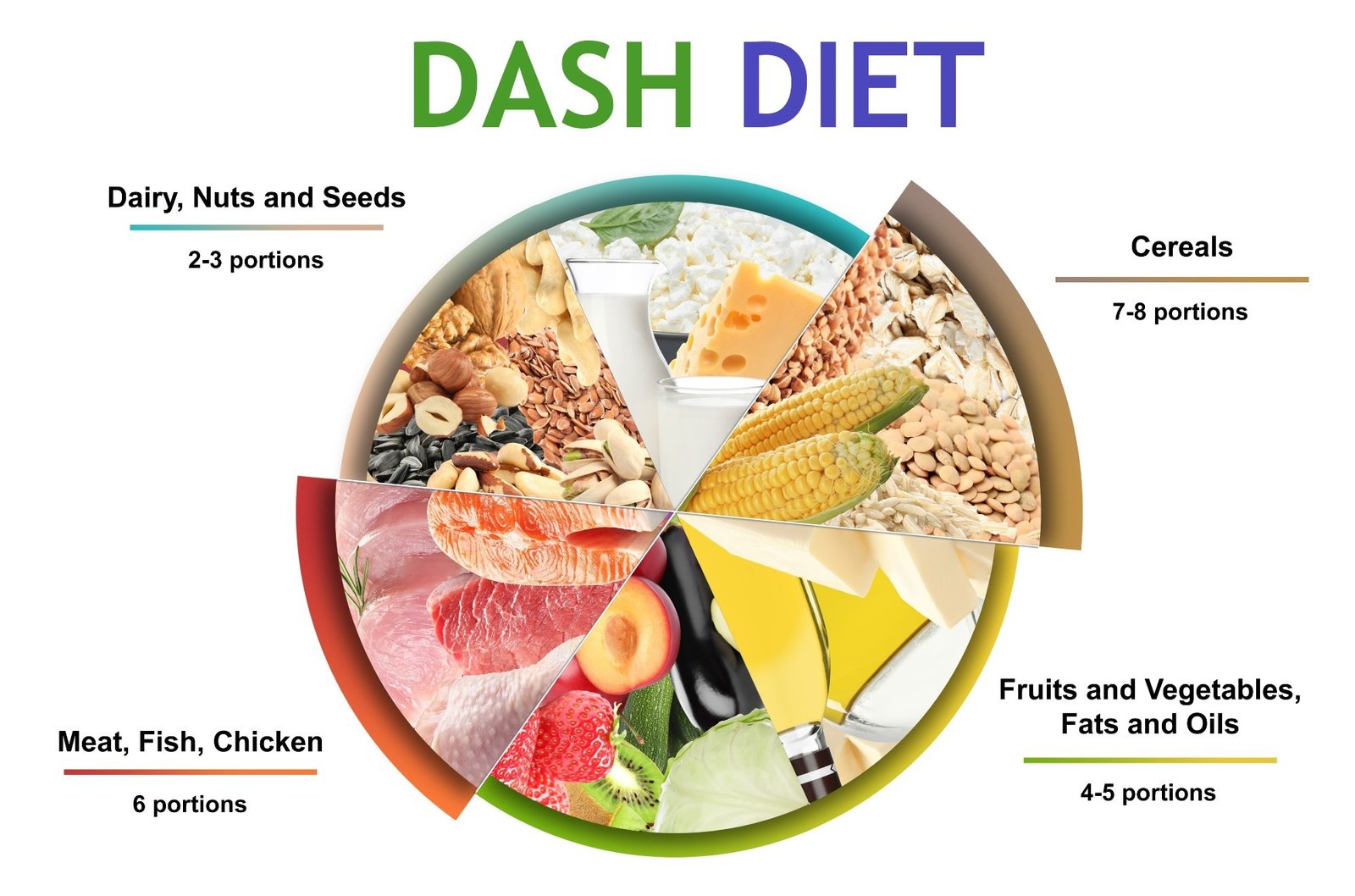
The DASH diet, which is approved by national recommendations, encourages the intake of low fat, cereals, vegetables and fruits, while reducing the consumption of added sugars, cholesterol and saturated fat. It has been associated with a lower CVD impact, reduced heart damage and a reduced risk of 10 years of ASCV.

While a previous test called Dash-Sodium showed that both the diet and the decrease in sodium were effective in improving blood pressure, their effects on the long-term risk of ASCVD were not analyzed.

For the study

In this study, the researchers conducted a secondary analysis using data collected during the Dash-Sodium plan to evaluate whether sodium intake reduction alone or in parallel with the DASH diet could reduce the risk of ASCVD over ten years.

Researchers assume that the decrease in sodium consumption would reduce the risk and that its combination with dietary approaches would have an additional effect.

The Dash-Sodium project was a randomized, multicenter power study conducted between 1997 and 1999 in four US clinical sites. They are adults with increased blood pressure that was at least 22 years of age, while excluding those with insulin -dependent diabetes, heart disease, kidney failure, inadequately controlled dyslipidemia, excessive alcohol intake or antihypertensive drugs. Participants were randomized to follow the Dash diet or an average American diet for 12 weeks. Each participant consumed three levels of sodium – high, ie 1.6 mg of sodium for each Kilocalorie consumed (about 3,500 mg/day for a diet of 2,000 kcal), medium (1.1 mg per kiloscopic, approximately 2,400 mg/day) or low (0.5 mg per pilloscopic, approximately 1,150 mg/day). Each sodium level was consumed for about 30 days, with periods of riding in the meantime.

The study provided all meals, ensuring consistent intake of nutrients. The highest sodium intake represented the standard American consumption, while the limit of guidelines corresponding to the medium and the lower level were below the recommended intake.

The primary result was the ASCVD risk rating over ten years, calculated using the PCE equation (PCE). Static risk factors such as age and smoking were measured at the start, while dynamic variables such as blood pressure and cholesterol were measured after each diet.

Blood samples and blood pressure readings were collected using standard methods. The data was analyzed using mixed results models, representing repetitive measures. Sensitivity analyzes concerned participants outside PCE’s valid range, attributing or excluding prices out of range. Stratigated analyzes evaluated the results by age, gender, race, state of hypertension, obesity and smoking.

It is important to note that each sodium intervention period lasted only 30 days. While this allowed the controlled measurement of short -term changes in ASCVD risk ratings, it does not provide evidence of the long -term impact of prolonged dietary changes.

Findings

Between 390 participants, the key features were similar between the Eating and Paul. The DASH diet has led to a greater reduction in estimated ASCVD risk over ten years compared to the control diet, with absolute difference of -0.12% and a relative difference of -5.33%.

Sodium reduction further reduced the risk of ASCVD, with low sodium intake showing a greater reduction in risk than intake of medium or high sodium intake. The combined DASH diet and low sodium intake resulted in a greater reduction in the risk of ASCVD, with absolute difference of -0.35% and a relative difference of -14.09% compared to the control diet, which was high in sodium.

Strataized analysis showed stronger effects of sodium reduction in women, black adults and those with stage 2 hypertension, while no significant differences from age, obesity or smoking condition were observed. Sensitivity analyzes supported these findings.

The study also noted that the race was divided as black against non -black, so the effects could not be determined among other minoroid groups.

Conclusions

The Dash diet significantly reduced the estimated 10 -year ASCD risk compared to a typical American diet. Sodium reduction further reduced the risk, especially when combined with the Dash diet, with greater benefits between women, black adults and those with stage 2 hypertension.

These results are aligned with previous elements that support the dash and the reduction of sodium for cardiovascular health. However, no long -term randomized tests have confirmed the effect of DASH on actual CVD events, as most elements are based on risk factor and a reduction in risk ratings, not on immediate clinical results. The optimum level of sodium intake remains also discussed.

However, even moderate sodium reductions have emerged beneficial, enhancing public health efforts to reduce sodium intake. The authors note that the criteria for excluding the study (such as people with existing heart disease, diabetes or those in antihypertensive drugs) and relatively short intervention periods may limit the generality of the findings. Future research should focus on the long -term results, include a wider range of participants and further improve sodium intake guidelines.

Magazine report:

  • The decrease in dietary sodium reduces the risk rating rating of cardiovascular disease: results from the Dash-Sodium test. Knauss, Hm, Kovell, LC, Miller, Er, Appel, LJ, Mukamal, KJ, Plante, TB, Juraschek, Sperican Journal of Prevents Cardiology (2025). DOI: 10.1016/J.AJPC.2025.100980,
cardiovascular dash Diet reduce reduction risk salt Work
bhanuprakash.cg
healthtost
  • Website

Related Posts

New genetic risk report reveals hidden risk of heart disease before symptoms appear

May 3, 2026

Five-target drug beats GLP-1/GIP therapy in obese diabetic mice

May 3, 2026

How fast your face ages can predict cancer survival outcomes

May 2, 2026

Leave A Reply Cancel Reply

Don't Miss
Fitness

The most underrated skill I wish everyone learned

By healthtostMay 3, 20260

Most people go their entire lives without learning how to fall. Everyone takes a turn…

New genetic risk report reveals hidden risk of heart disease before symptoms appear

May 3, 2026

Finding the best lupus treatments

May 3, 2026

How I Did It: Fading Hormonal Hyperpigmentation Without Lasers

May 3, 2026
Stay In Touch
  • Facebook
  • Twitter
  • Pinterest
  • Instagram
  • YouTube
  • Vimeo
TAGS
Baby benefits body brain cancer care Day Diet disease exercise finds Fitness food Guide health healthy heart Improve Life Loss Men mental Natural Nutrition Patients Pregnancy protein research reveals risk routine sex sexual Skin Skincare study Therapy Tips Top Training Treatment ways weight women Workout
About Us
About Us

Welcome to HealthTost, your trusted source for breaking health news, expert insights, and wellness inspiration. At HealthTost, we are committed to delivering accurate, timely, and empowering information to help you make informed decisions about your health and well-being.

Latest Articles

The most underrated skill I wish everyone learned

May 3, 2026

New genetic risk report reveals hidden risk of heart disease before symptoms appear

May 3, 2026

Finding the best lupus treatments

May 3, 2026
New Comments
    Facebook X (Twitter) Instagram Pinterest
    • About Us
    • Contact Us
    • Privacy Policy
    • Terms and Conditions
    • Disclaimer
    © 2026 HealthTost. All Rights Reserved.

    Type above and press Enter to search. Press Esc to cancel.