

Close Menu
Healthtost
  • News
  • Mental Health
  • Men’s Health
  • Women’s Health
  • Skin Care
  • Sexual Health
  • Pregnancy
  • Nutrition
  • Fitness
  • Recommended Essentials
What's Hot

Global childhood immunization rates stagnate despite slight recovery from pandemic

July 15, 2026

Is it okay to be imperfect and still be happy? 6 Challenges

July 15, 2026

Sexual evolution: What 500 million years of life tell us about sex, gender and mating

July 15, 2026
Facebook X (Twitter) Instagram
  • About Us
  • Contact Us
  • Privacy Policy
  • Terms and Conditions
  • Disclaimer
Facebook X (Twitter) Instagram
Healthtost
SUBSCRIBE
  • News

    Global childhood immunization rates stagnate despite slight recovery from pandemic

    July 15, 2026

    Weight loss and anti-inflammatory drugs combine to fight leukemia

    July 14, 2026

    Unreliable datasets shape clinical prediction models

    July 14, 2026

    Bariatric surgery is safe, effective for obese teenagers and young adults

    July 13, 2026

    Engineered ribozyme repairs broken RNA to explain origin of life

    July 13, 2026
  • Mental Health

    Is it okay to be imperfect and still be happy? 6 Challenges

    July 15, 2026

    How can you be tired but wired? Blame it on your stone age brain

    July 12, 2026

    Almost 20% of new mums have anxiety or depression, but a promising psychedelic treatment is on the horizon

    July 7, 2026

    How can ART help us improve our mental health? With 3 Ways

    July 5, 2026

    How much do friends affect the mental health of teenagers? What a new study can (and can’t) tell us

    July 3, 2026
  • Men’s Health

    Sexual evolution: What 500 million years of life tell us about sex, gender and mating

    July 15, 2026

    Low testosterone or just stress? How to tell the difference

    July 11, 2026

    Gut-friendly diet linked to lower risk of coronary heart disease mortality

    July 9, 2026

    Men don’t just avoid their health. Many lose themselves.

    July 8, 2026

    The Crazy Hard Standards of the Hardest PE Program in History

    July 8, 2026
  • Women’s Health

    I tried to hide my hemiparesis

    July 15, 2026

    Kyoto recap, bamboo forest and monkey park

    July 13, 2026

    Menopause and Your Microbiome: How Gut Health Shapes Weight, Mood, and Hormones

    July 11, 2026

    They heard us. Now will they listen?

    July 11, 2026

    Taite Heller on Why Barre Became a Top-5 Fitness Trend

    July 8, 2026
  • Skin Care

    How to use nature’s retinol: Bakuchiol in your beauty routine

    July 13, 2026

    How our natural hair care achieves salon-level results without silicones

    July 11, 2026

    Coconut Allergy and Skin Care: 20 Questions Finally Answered by a Pharmacist

    July 11, 2026

    New Sunscreen Ingredient: Is This The SPF Upgrade We’ve Been Waiting For?

    July 9, 2026

    How to achieve the perfect tan

    July 8, 2026
  • Sexual Health

    Celebrating 30 years of Sex Sense

    July 15, 2026

    STDs in older adults are on the rise—up to seven times higher than in 2012

    July 13, 2026

    Fildena 150 Benefits | Effective ED & Sexual Performance Treatment

    July 11, 2026

    Painful sex after menopause: When is it time to seek treatment?

    July 11, 2026

    Emotional capitalism and artificial intimacy

    July 10, 2026
  • Pregnancy

    Exercise Wall Angels During Pregnancy: A Step-by-Step Guide

    July 15, 2026

    Breech VBAC (Vaginal Birth after Caesarean Section) Birth Story

    July 13, 2026

    How baby showers have changed throughout history

    July 13, 2026

    Calf Raises During Pregnancy: Step-by-Step Guide and Benefits

    July 8, 2026

    Tri-Tri Triplet Pregnancy with Vaginal Birth Story – The Birth Hour Triplet Pregnancy and Vaginal Birth Story with Ashlie Holladay

    July 7, 2026
  • Nutrition

    Chocolate Cherry Chia Pudding: Easy Vegan Recovery Snack

    July 14, 2026

    The Cholesterol Question: A Breakthrough Victory for Keto and Cognitive Health

    July 14, 2026

    15 No-Cook Dinners for Kids (Because It’s Too Hot to Turn on the Oven)

    July 12, 2026

    30 Minute Chicken Pesto Pasta (Dietist Approved)

    July 11, 2026

    5 Easy High Fiber Bowl Recipes

    July 8, 2026
  • Fitness

    How to Choose a Fitness Certification on a Budget

    July 14, 2026

    Meet the Belle Vitale™ Supplement System: Two Formulas. A comprehensive approach to hormone health.

    July 11, 2026

    where we ate in Tokyo (and gluten-free options!)

    July 9, 2026

    Using External Signaling to Improve Linear Acceleration – Tony Gentilcore

    July 8, 2026

    5 Simple Screen Changes That Can Improve Sleep and Focus

    July 7, 2026
  • Recommended Essentials
Healthtost
Home»News»Daily aspirin linked to higher mortality in elderly, study finds
News

Daily aspirin linked to higher mortality in elderly, study finds

healthtostBy healthtostFebruary 13, 2024No Comments4 Mins Read
Facebook Twitter Pinterest LinkedIn Tumblr Reddit WhatsApp Email
Daily Aspirin Linked To Higher Mortality In Elderly, Study Finds
Share
Facebook Twitter LinkedIn Pinterest WhatsApp Email

In a recent study published in New England Journal of Medicinea team of researchers, including the team that conducted the Aspirin in Reducing Events in the Elderly (ASPREE) clinical trial, analyzed preliminary data from the trial to understand whether a daily dose of aspirin offered benefits in increasing disability-free survival rates in older adults of age.

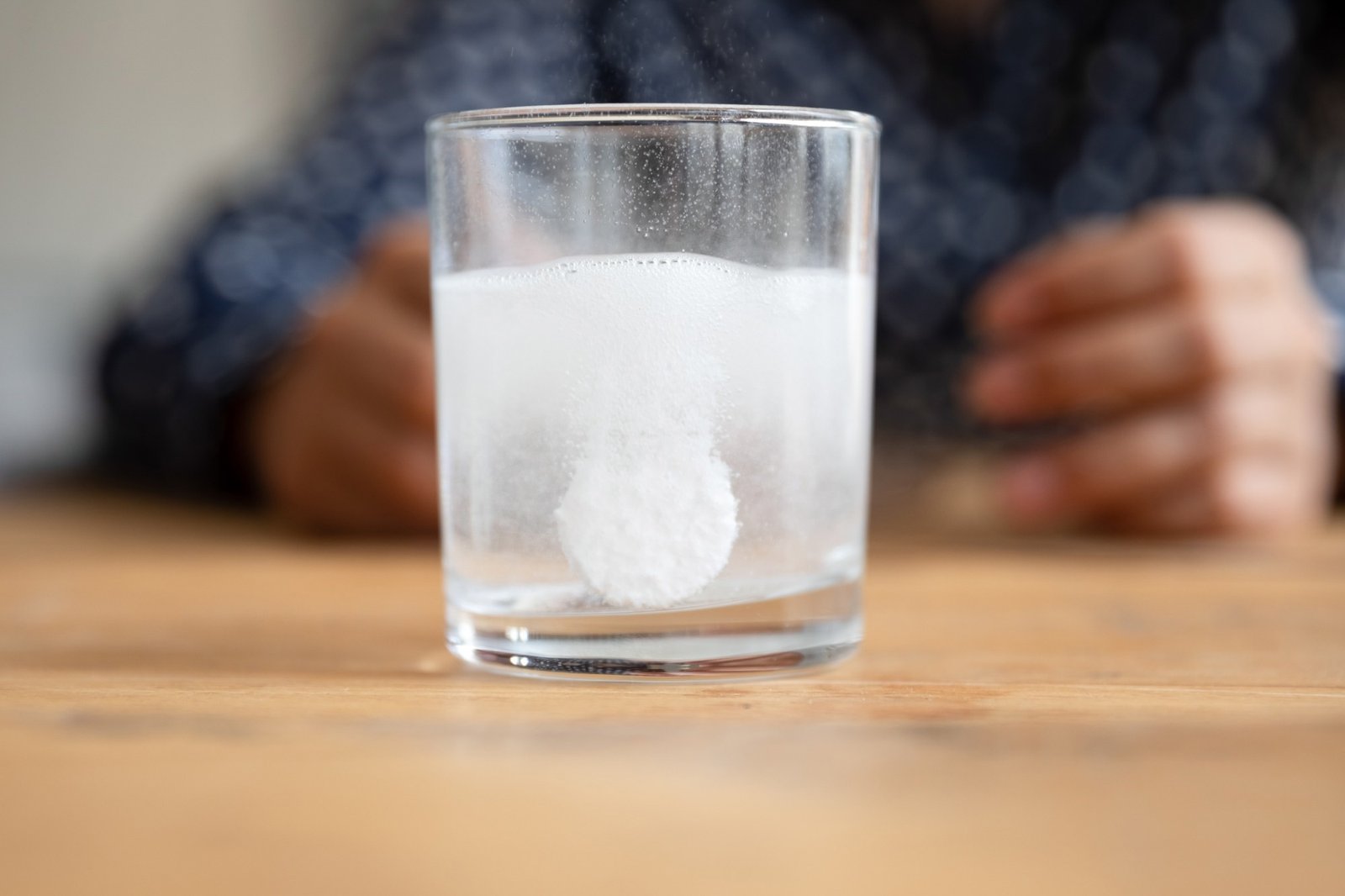
Study: Effect of aspirin on all-cause mortality in healthy elderly. Image credit: fizkes / Shutterstock

Record

The ASPREE trial was conducted between 2010 and 2014 and involved more than 19,000 participants over the age of 70, half of whom received a daily dose of 100 mg of aspirin, while the other half received a placebo. This trial investigated whether a daily dose of aspirin would increase the healthy or disability-free lifespan of adults over 70 years of age. Participants were recruited from the United States and Australia from community settings.

The primary endpoint of the clinical trial was the assessment of disability-free survival, which essentially included the absence of dementia and other persistent physical disabilities that reduced the person’s lifespan. The clinical trial reported that there were no significant differences between the treatment and placebo groups in terms of the primary endpoints. However, deaths were higher in the aspirin group than in the placebo group. However, the specific causes of the higher death rates in the aspirin group had not been investigated.

About the study

In the present study, the researchers looked at the secondary endpoints, which consisted of events of dementia, physical disability or death. The trial conducted follow-up through quarterly telephone checks and annual in-person visits, during which clinical records were also reviewed. Any failure to contact the participant, followed by contact with next of kin and review of health records, was used to identify death.

After confirmation of the participant’s death, relevant clinical information was obtained from hospitals, clinicians, hospices or nursing homes, with information collected including hospital progress notes, discharge reports, autopsy reports and information from family members. The underlying cause of death was determined after careful review of this information and using the Tenth Revision of the International Statistical Classification of Diseases (ICD-10).

Proximate cause of death was also determined independently for each case of mortality, and cancer-related deaths were tabulated. Data were analyzed and Cox proportional hazards models were used to calculate hazard ratios for cause-specific and all-cause deaths, which were then compared between treatment and placebo groups. In addition, a post hoc analysis was performed to account for specific causes of death.

Results

The results indicated that the all-cause mortality rate was higher among healthy adults over the age of 70 who were given a dose of 100 mg of aspirin each day during the ASPREE trial. Furthermore, the leading cause of death among these adults was cancer.

Of the 1052 deaths in the study, 558 were in the aspirin treatment group. The higher mortality rate in the treatment group compared to the placebo group was mainly attributable to cancer-related deaths. The incidence curves for cancer-related deaths and all-cause mortality were found to be similar for the aspirin and placebo groups for the first three years, after which the curves for cancer-related deaths and all-cause mortality differed between groups aspirin.

However, conflicting results have been reported from studies that have analyzed data from other similar prevention clinical trials. These studies have found that continuous aspirin therapy for four to five years demonstrates a protective effect on cancer-related deaths. Metastasis rates among the aspirin-treated groups were also found to be lower compared to the placebo-treated groups.

Furthermore, while aspirin is known to affect numerous molecular and cellular pathways involved in cancer development and progression, as well as metastasis, the biological basis by which aspirin either accelerates or delays cancer remains unclear.

The researchers believe that while the large study population was an advantage in identifying proximate and underlying causes of mortality, the short follow-up could have prevented the observation of definitive results regarding the benefits of aspirin treatment.

conclusions

Overall, the findings showed that all-cause mortality and the cancer death rate were higher among adults in the ASPREE clinical trial who received a daily dose of 100 mg of aspirin compared with those in the placebo group. However, these results contrast with previous similar clinical trials, highlighting that these findings should be interpreted with caution.

Journal Reference:

  • McNeil, JJ, Nelson, MR, Woods, RL, Lockery, JE, Wolfe, R., Reid, CM, Kirpach, B., Shah, RC, Ives, DG, Storey, E., Ryan, J., Tonkin, AM, Newman, AB, Williamson, JD, Margolis, KL, Ernst, ME, Abhayaratna, WP, Stocks, N., Fitzgerald, SM, & Orchard, SG (2018). Effect of aspirin on all-cause mortality in healthy elderly. New England Journal of Medicine, 379(16), 1519–1528. DOI: 10.1056/NEJMoa1803955,
aspirin Daily elderly finds higher linked mortality study
bhanuprakash.cg
healthtost
  • Website

Related Posts

Global childhood immunization rates stagnate despite slight recovery from pandemic

July 15, 2026

Weight loss and anti-inflammatory drugs combine to fight leukemia

July 14, 2026

Unreliable datasets shape clinical prediction models

July 14, 2026

Leave A Reply Cancel Reply

Don't Miss
News

Global childhood immunization rates stagnate despite slight recovery from pandemic

By healthtostJuly 15, 20260

In 2025, 90% of infants worldwide – or nearly 116 million – received at least…

Is it okay to be imperfect and still be happy? 6 Challenges

July 15, 2026

Sexual evolution: What 500 million years of life tell us about sex, gender and mating

July 15, 2026

I tried to hide my hemiparesis

July 15, 2026
Stay In Touch
  • Facebook
  • Twitter
  • Pinterest
  • Instagram
  • YouTube
  • Vimeo
TAGS
Baby benefits body brain cancer care Day Diet disease exercise finds Fitness food Guide health healthy heart Improve Life Loss Men mental Natural Nutrition Patients People Pregnancy research reveals risk routine sex sexual Skin Skincare study Therapy Tips Top Training Treatment ways weight women Workout
About Us
About Us

Welcome to HealthTost, your trusted source for breaking health news, expert insights, and wellness inspiration. At HealthTost, we are committed to delivering accurate, timely, and empowering information to help you make informed decisions about your health and well-being.

Latest Articles

Global childhood immunization rates stagnate despite slight recovery from pandemic

July 15, 2026

Is it okay to be imperfect and still be happy? 6 Challenges

July 15, 2026

Sexual evolution: What 500 million years of life tell us about sex, gender and mating

July 15, 2026
New Comments
    Facebook X (Twitter) Instagram Pinterest
    • About Us
    • Contact Us
    • Privacy Policy
    • Terms and Conditions
    • Disclaimer
    © 2026 HealthTost. All Rights Reserved.

    Type above and press Enter to search. Press Esc to cancel.