

Close Menu
Healthtost
  • News
  • Mental Health
  • Men’s Health
  • Women’s Health
  • Skin Care
  • Sexual Health
  • Pregnancy
  • Nutrition
  • Fitness
  • Recommended Essentials
What's Hot

5 Common Pilates Mistakes That Could Be Holding Back Your Results

July 15, 2026

Scientists develop ultra-thin skin sensors for seamless health monitoring

July 15, 2026

I did red light therapy for 3 months so I shouldn’t have

July 15, 2026
Facebook X (Twitter) Instagram
  • About Us
  • Contact Us
  • Privacy Policy
  • Terms and Conditions
  • Disclaimer
Facebook X (Twitter) Instagram
Healthtost
SUBSCRIBE
  • News

    Scientists develop ultra-thin skin sensors for seamless health monitoring

    July 15, 2026

    Global childhood immunization rates stagnate despite slight recovery from pandemic

    July 15, 2026

    Weight loss and anti-inflammatory drugs combine to fight leukemia

    July 14, 2026

    Unreliable datasets shape clinical prediction models

    July 14, 2026

    Bariatric surgery is safe, effective for obese teenagers and young adults

    July 13, 2026
  • Mental Health

    Is it okay to be imperfect and still be happy? 6 Challenges

    July 15, 2026

    How can you be tired but wired? Blame it on your stone age brain

    July 12, 2026

    Almost 20% of new mums have anxiety or depression, but a promising psychedelic treatment is on the horizon

    July 7, 2026

    How can ART help us improve our mental health? With 3 Ways

    July 5, 2026

    How much do friends affect the mental health of teenagers? What a new study can (and can’t) tell us

    July 3, 2026
  • Men’s Health

    I did red light therapy for 3 months so I shouldn’t have

    July 15, 2026

    Sexual evolution: What 500 million years of life tell us about sex, gender and mating

    July 15, 2026

    Low testosterone or just stress? How to tell the difference

    July 11, 2026

    Gut-friendly diet linked to lower risk of coronary heart disease mortality

    July 9, 2026

    Men don’t just avoid their health. Many lose themselves.

    July 8, 2026
  • Women’s Health

    Is pelvic floor dysfunction inevitable for older women?

    July 15, 2026

    I tried to hide my hemiparesis

    July 15, 2026

    Kyoto recap, bamboo forest and monkey park

    July 13, 2026

    Menopause and Your Microbiome: How Gut Health Shapes Weight, Mood, and Hormones

    July 11, 2026

    They heard us. Now will they listen?

    July 11, 2026
  • Skin Care

    Summer skin care tips for sensitive skin – why your skin suddenly breaks out

    July 15, 2026

    How to use nature’s retinol: Bakuchiol in your beauty routine

    July 13, 2026

    How our natural hair care achieves salon-level results without silicones

    July 11, 2026

    Coconut Allergy and Skin Care: 20 Questions Finally Answered by a Pharmacist

    July 11, 2026

    New Sunscreen Ingredient: Is This The SPF Upgrade We’ve Been Waiting For?

    July 9, 2026
  • Sexual Health

    Celebrating 30 years of Sex Sense

    July 15, 2026

    STDs in older adults are on the rise—up to seven times higher than in 2012

    July 13, 2026

    Fildena 150 Benefits | Effective ED & Sexual Performance Treatment

    July 11, 2026

    Painful sex after menopause: When is it time to seek treatment?

    July 11, 2026

    Emotional capitalism and artificial intimacy

    July 10, 2026
  • Pregnancy

    Exercise Wall Angels During Pregnancy: A Step-by-Step Guide

    July 15, 2026

    Breech VBAC (Vaginal Birth after Caesarean Section) Birth Story

    July 13, 2026

    How baby showers have changed throughout history

    July 13, 2026

    Calf Raises During Pregnancy: Step-by-Step Guide and Benefits

    July 8, 2026

    Tri-Tri Triplet Pregnancy with Vaginal Birth Story – The Birth Hour Triplet Pregnancy and Vaginal Birth Story with Ashlie Holladay

    July 7, 2026
  • Nutrition

    Chocolate Cherry Chia Pudding: Easy Vegan Recovery Snack

    July 14, 2026

    The Cholesterol Question: A Breakthrough Victory for Keto and Cognitive Health

    July 14, 2026

    15 No-Cook Dinners for Kids (Because It’s Too Hot to Turn on the Oven)

    July 12, 2026

    30 Minute Chicken Pesto Pasta (Dietist Approved)

    July 11, 2026

    5 Easy High Fiber Bowl Recipes

    July 8, 2026
  • Fitness

    5 Common Pilates Mistakes That Could Be Holding Back Your Results

    July 15, 2026

    How to Choose a Fitness Certification on a Budget

    July 14, 2026

    Meet the Belle Vitaleâ„¢ Supplement System: Two Formulas. A comprehensive approach to hormone health.

    July 11, 2026

    where we ate in Tokyo (and gluten-free options!)

    July 9, 2026

    Using External Signaling to Improve Linear Acceleration – Tony Gentilcore

    July 8, 2026
  • Recommended Essentials
Healthtost
Home»News»Creatine in your diet can benefit your digestive system
News

Creatine in your diet can benefit your digestive system

healthtostBy healthtostAugust 4, 2025No Comments5 Mins Read
Facebook Twitter Pinterest LinkedIn Tumblr Reddit WhatsApp Email
Creatine In Your Diet Can Benefit Your Digestive System
Share
Facebook Twitter LinkedIn Pinterest WhatsApp Email

New study reveals that a higher intake of creatine than sources of meat can reduce constipation, especially in men and younger adults. This offers a possible nutritional repair for a widespread digestive issue.

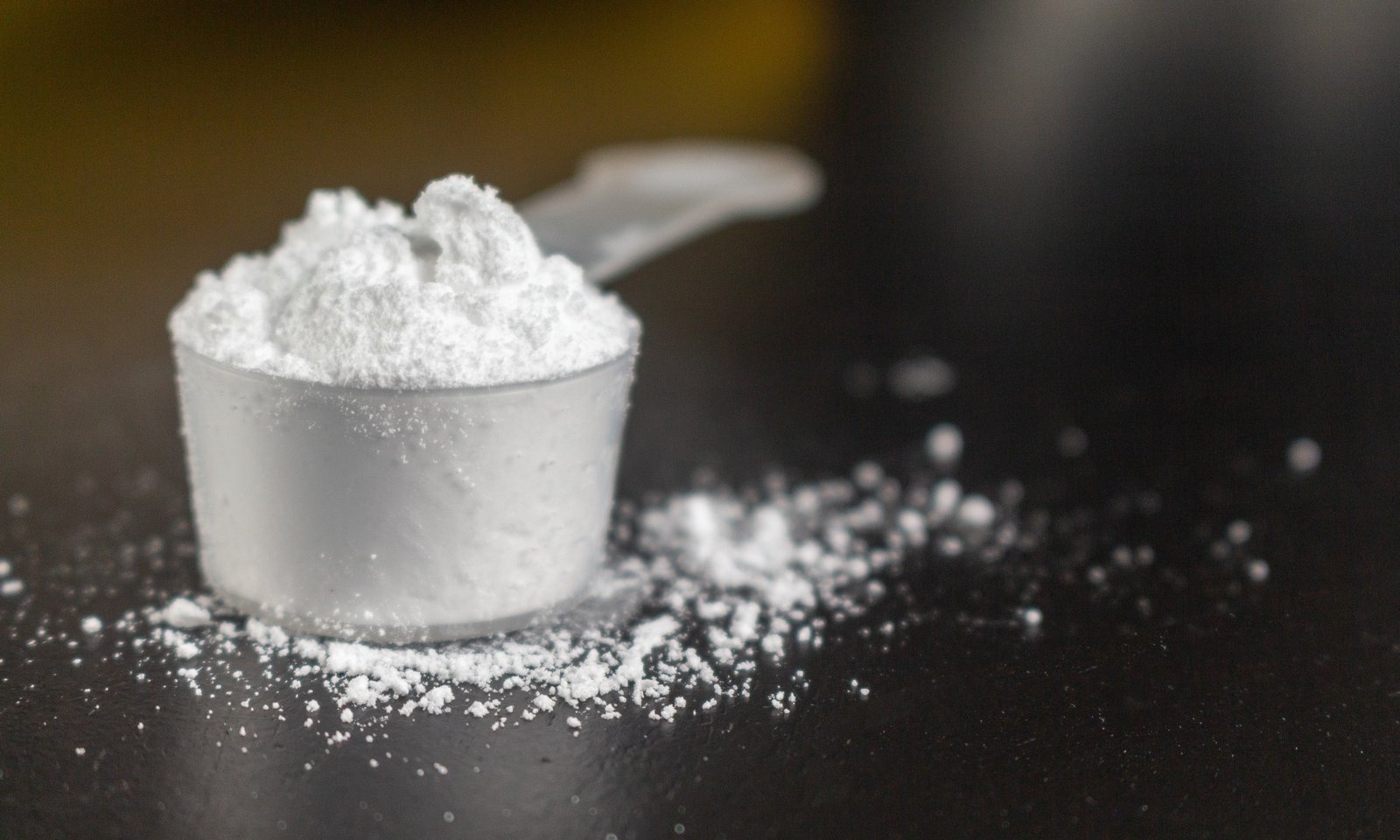
Study: Creatine Dietary Recruit Association from meat protein sources with different types of intestinal problems: Information from NHANES 2005-2010. Credit Picture: xm4thx/shutterstock.com

A study published in Borders in diet It says that a higher nutritional intake of creatine from source of meat protein can help reduce the risk of chronic constipation.

Background

Chronic diarrhea and constipation are the most common forms of gastrointestinal disorders that significantly affect quality of life. Various factors may contribute to these conditions, including nutrition, physical activity, age, sex and existing health conditions, such as irritable bowel syndrome, inflammatory bowel disease and metabolic disorders.

Creatine is an endogenous organic compound found mainly in the muscles. It is synthesized by three amino acids in the body and plays a crucial role in the metabolism of muscle energy. Creatine can also be obtained from dietary sources, such as red meat and fish.

Emerging elements emphasize the possible therapeutic efficacy of creatine in various diseases, including neurodegenerative and cardiovascular disease. Limited evidence also suggests that filling creatine can affect gastrointestinal motility and function and composition of bowel germs.

Given the potential impact of creatine on bowel health, the current study was designed to investigate the correlation between the intake of nutrition and the risk of chronic diarrhea and constipation to US adults aged 20 or older.

The study

The study conducted secondary analyzes of 10,721 data from the National Health and Nutrition Research (NHANES), an ongoing research conducted by the National Health Statistics Center (NCHS) to evaluate the state of health and nutrition of children and adults in the United States.

Information on the intake of dietary creatine from animal sources and the impact of chronic diarrhea and constipation were collected from the NHANES database.

The correlation between creatine intake and the risk of chronic diarrhea and constipation was evaluated using appropriate statistical analyzes. The possible effect of many demographic factors (age, gender and physical activity) and health conditions (diabetes and hypertension) on analyzed correlation were also examined.

Basic findings

The study found that the dietary intake of creatine from animal sources was associated with a significantly lower risk of chronic constipation. Specifically, a 10-fold increase in absolute creatine intake was associated with 19% lower risk of constipation. However, the study could not find a significant effect of creatine intake on chronic diarrhea.

The findings of subgroup analysis revealed that the observed benefits of dietary creatine were deeper in male participants, participants under 48 and participants without hypertension, diabetes or cardiovascular disease.

Importance

The findings of the study reveal that consuming cream -based foods can reduce the risk of chronic constipation. However, dietary creatine does not significantly alter the risk of diarrhea.

The study also suggests that the beneficial impact of refereeing creatine on chronic constipation is deeper in male, younger people, smokers, drinkers, physically active people and those without specific co -operations, such as hypertension, diabetes and cardiovascular disease. The authors note that these correlations were important in some subgroups, but the attention that the findings are observant and do not define the relationships of cause and effect.

Several preclinical studies in animals have shown that creatine can improve constipation by altering the synthesis of bowel germs, intestinal barrier integrity and biliary acid synthesis. In addition, creatine can increase the exchange of materials and intestinal motility by improving the hydration of bowel cells.

According to the findings of the study, dietary creatine appears to have a more protective effect on constipation in men than women, probably due to differences in hormonal and metabolic pathways. In this context, the evidence suggests that testosterone, a male reproductive hormone, mediates specific differences in gender in the composition of intestinal germs via the biliary acid signaling pathway. In addition, testosterone promotes creatine intake and improves intestinal barrier integrity.

The study could not find any effect of dietary creatine on constipation on people with pre -existing health conditions, including hypertension and diabetes. This lack of benefits may be due to hypertension -related vascular dysfunction, which affects gastrointestinal blood flow and microbial intestine. Similarly, diabetes patients often have gastrointestinal complications, such as gastroparesis and constipation, which can limit creatine’s ability to improve gastrointestinal function.

The researchers conducted interior tests and found that gender significantly modified the relationships between creatine intake and the risk of constipation. Such interaction effects were not observed for diarrhea. The findings of the study indicate that creatine derived from animals could be explored as a possible dietary intervention to manage chronic constipation.

The design of the Transcision Study prevented the study from defining the causality of observed correlation. Further experimental studies are needed to investigate the biological mechanisms related to improving bowel health by mediation of creatine in different subgroups.

The study used the NHANES database, which collects self -reported nutrition data. This approach is often associated with bias and inaccuracies. In addition, this database does not contain information on the duration and dosage of creatine intake. Future studies will have to deal with these factors to more understand the impact of creatine on bowel health.

Download your PDF copy now!

Benefit Creatine Diet digestive system
bhanuprakash.cg
healthtost
  • Website

Related Posts

Scientists develop ultra-thin skin sensors for seamless health monitoring

July 15, 2026

Global childhood immunization rates stagnate despite slight recovery from pandemic

July 15, 2026

Weight loss and anti-inflammatory drugs combine to fight leukemia

July 14, 2026

Leave A Reply Cancel Reply

Don't Miss
Fitness

5 Common Pilates Mistakes That Could Be Holding Back Your Results

By healthtostJuly 15, 20260

Pilates has become one of the most popular workouts for building strength, improving posture and…

Scientists develop ultra-thin skin sensors for seamless health monitoring

July 15, 2026

I did red light therapy for 3 months so I shouldn’t have

July 15, 2026

Is pelvic floor dysfunction inevitable for older women?

July 15, 2026
Stay In Touch
  • Facebook
  • Twitter
  • Pinterest
  • Instagram
  • YouTube
  • Vimeo
TAGS
Baby benefits body brain cancer care Day Diet disease exercise finds Fitness food Guide health healthy heart Improve Life Loss Men mental Natural Nutrition Patients People Pregnancy research reveals risk routine sex sexual Skin Skincare study Therapy Tips Top Training Treatment ways weight women Workout
About Us
About Us

Welcome to HealthTost, your trusted source for breaking health news, expert insights, and wellness inspiration. At HealthTost, we are committed to delivering accurate, timely, and empowering information to help you make informed decisions about your health and well-being.

Latest Articles

5 Common Pilates Mistakes That Could Be Holding Back Your Results

July 15, 2026

Scientists develop ultra-thin skin sensors for seamless health monitoring

July 15, 2026

I did red light therapy for 3 months so I shouldn’t have

July 15, 2026
New Comments
    Facebook X (Twitter) Instagram Pinterest
    • About Us
    • Contact Us
    • Privacy Policy
    • Terms and Conditions
    • Disclaimer
    © 2026 HealthTost. All Rights Reserved.

    Type above and press Enter to search. Press Esc to cancel.