

Close Menu
Healthtost
  • News
  • Mental Health
  • Men’s Health
  • Women’s Health
  • Skin Care
  • Sexual Health
  • Pregnancy
  • Nutrition
  • Fitness
  • Recommended Essentials
What's Hot

The truth about waterless care: What your skin really needs

May 2, 2026

Identifying the ages at which Alzheimer’s biomarkers change sharply

May 1, 2026

Boost erectile health and confidence

May 1, 2026
Facebook X (Twitter) Instagram
  • About Us
  • Contact Us
  • Privacy Policy
  • Terms and Conditions
  • Disclaimer
Facebook X (Twitter) Instagram
Healthtost
SUBSCRIBE
  • News

    Identifying the ages at which Alzheimer’s biomarkers change sharply

    May 1, 2026

    Timing of food may shape how T cells respond to infection and therapy

    May 1, 2026

    UCLA researchers build programmable artificial organs using RNA

    April 30, 2026

    Sapio Sciences brings Claude Cowork to the lab

    April 30, 2026

    Research shows women are confused about when to start mammograms

    April 29, 2026
  • Mental Health

    What animal studies teach us about toxic work environments

    April 27, 2026

    I hate hope: How to manage hope when you have treatment-resistant bipolar disorder

    April 19, 2026

    Rose Byrne is raw, magnetic and unfiltered as a woman in crisis

    April 18, 2026

    Can a single mother change her child’s surname in India?

    April 16, 2026

    Is it anxiety or OCD? 2 psychology experts explain the difference

    April 14, 2026
  • Men’s Health

    3 Day Home Workout Plan: Build Muscle and Burn Fat

    April 30, 2026

    GLP-1 drugs promise broader health benefits, but experts advise caution on use

    April 28, 2026

    Trauma patients recover faster when medical teams know each other well, new study finds

    April 28, 2026

    I did red light therapy for 3 months so I shouldn’t have

    April 27, 2026

    Sex Secrets for Men Over 40: Surviving Male Menopause

    April 27, 2026
  • Women’s Health

    What is the difference between UVA and UVB rays?

    May 1, 2026

    Are you a fungus fanatic? We unpack the nutritional trend of mushroom mania

    April 29, 2026

    What the Patients’ Bill of Rights Could Mean for Black Women

    April 29, 2026

    Navigating sexual health during and after cancer

    April 28, 2026

    Do tampons break the hymen? Facts, Myths and What You Need to Know – Vuvatech

    April 27, 2026
  • Skin Care

    The truth about waterless care: What your skin really needs

    May 2, 2026

    What happens to your skin while you sleep? (the science of “Beauty Sle

    May 1, 2026

    Face Peeling Mask Guide: Shine Without Irritation

    April 28, 2026

    Is your moisturizing face mist really drying out your skin?

    April 28, 2026

    Uses and Benefits of TNW Natural Aloe Vera Face Gel – The Natural Wash

    April 27, 2026
  • Sexual Health

    Boost erectile health and confidence

    May 1, 2026

    Judicial Restrictions on Abortion COVID-19 < SRHM

    April 30, 2026

    Can herpes affect fertility?

    April 29, 2026

    The Importance of Personalized Care in Medication Assisted Therapy (MAT) Programs I Novus

    April 28, 2026

    Your favorite mold is lying to you (a little) — Sexual Health Alliance

    April 28, 2026
  • Pregnancy

    5 things you need for the third trimester

    May 1, 2026

    Eating disorders in pregnancy and breastfeeding: Why “healthy eating” is not always easy

    May 1, 2026

    Comprehensive yoga for pregnancy, birth and beyond

    April 29, 2026

    Midwifery and Life – The postnatal health check New mums don’t know they can ask for

    April 28, 2026

    Epidural and unmedicated delivery with two different deliveries

    April 26, 2026
  • Nutrition

    How to create a self-care plan when you’re stressed

    May 1, 2026

    I answer the most HOT Questions about Fatty Liver

    April 29, 2026

    Why You’re Not Losing Weight After 35 (Even When You Eat Less)

    April 28, 2026

    Where to eat in London

    April 27, 2026

    Dr. Will Cole on Why Hire FDN Professionals

    April 26, 2026
  • Fitness

    A Hike Leader’s Must-Have Kit

    April 30, 2026

    Menopausal Hair Loss Solutions: 10 Expert Tips

    April 29, 2026

    Identity Inversion: Part 1 – Ben Greenfield Life

    April 29, 2026

    How to improve accessibility in your gym

    April 28, 2026

    Can a 10-minute workout really change your health?

    April 27, 2026
  • Recommended Essentials
Healthtost
Home»Men's Health»Air conditioning in nursing homes reduces heat-related risk
Men's Health

Air conditioning in nursing homes reduces heat-related risk

healthtostBy healthtostFebruary 6, 2026No Comments6 Mins Read
Facebook Twitter Pinterest LinkedIn Tumblr Reddit WhatsApp Email
Air Conditioning In Nursing Homes Reduces Heat Related Risk
Share
Facebook Twitter LinkedIn Pinterest WhatsApp Email

As heat waves intensify, new data from Ontario shows that room air conditioning can mean the difference between life and death for nursing home residents.

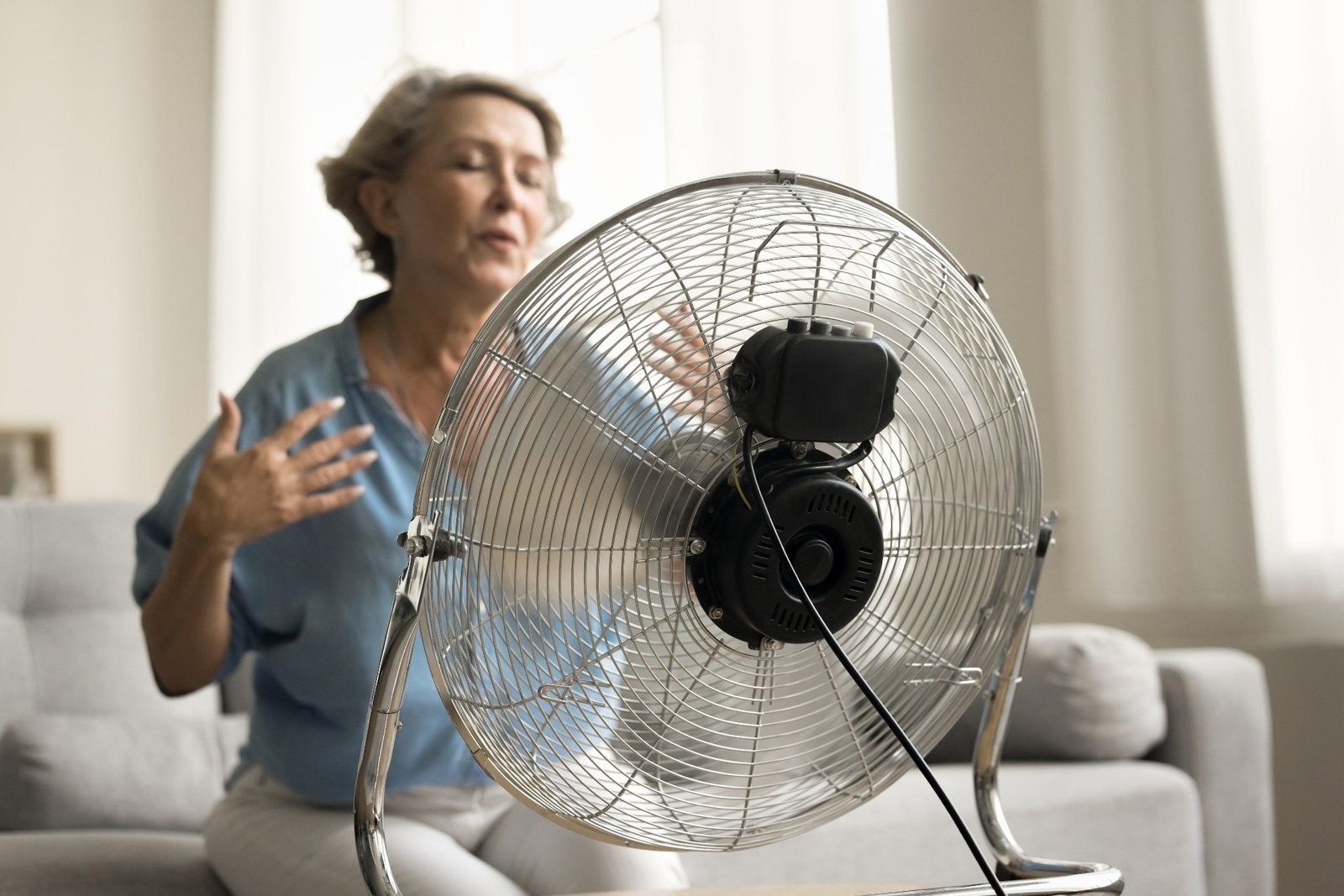
Study: Air conditioning in nursing homes and mortality in extreme heat. Image credit: fizkes/Shutterstock.com

A recent study in JAMA Internal Medicine examined mortality rates during extremely hot days in air-conditioned Ontario nursing homes (AC) compared to those without ACfocusing on institutional long-term care settings.

A growing crisis for the elderly

The elderly are more vulnerable to heat waves than the young. Heat-related deaths among the elderly will reach unprecedented levels in 2023, increasing by 167% globally since the 1990s. This vulnerability stems from many factors, including limited mobility, an aging body that regulates temperature less effectively, common medications that affect the heat response, and social isolation that exacerbate the risks.

A recent study has documented a global intensity of extreme heat. For example, heat waves in US have nearly doubled since the 1980s, highlighting a bleak future for the elderly. While air conditioning offers proven protection against heat-related illnesses, more than 35 million Americans lack it at home.

Given the health risks of extreme heat, not many studies have evaluated its importance AC in nursing homes, where the majority of residents face limited mobility, multiple chronic conditions, numerous medications, and cognitive decline.

The regulatory landscape reveals worrying gaps. At USfederal regulations require nursing homes originally certified after October 1, 1990, to maintain indoor temperatures within a specified range, but do not specifically mandate air conditioning, and nearly half of the facilities were certified before that date. Before 2020, similar conditions prevailed in Ontario, with more than half of the province’s 600-plus nursing homes, housing more than 76,000 residents, without air conditioning in residents’ rooms.

Before the order, houses without AC they had to provide designated cooling areas rather than room-level climate control. However, following her COVID 19 pandemic, Ontario announced a requirement for air conditioning in all residential rooms in July 2020, which took effect in June 2022, with compliance reaching 99.5% of facilities by May 2023 at a cost of approx. VILLAIN 200 million

Heat-related deaths with and without AC in nursing homes

The current study examines whether AC is associated with lower mortality among nursing home residents during extreme heat, comparing mortality rates on extreme heat days in facilities with and without room air conditioning control. A case-crossover analysis was conducted in 615 Ontario nursing homes between 2010 and 2023 during the warm months (June–September), comparing the risk of mortality on extreme heat days in facilities with and without AC.

Extreme heat days were defined as those above the 90th heat index percentile for each facility location. Temperature and humidity data were collected from the North American Land Data Assimilation System. The current study included all Ontario nursing home residents who died between June and September in 2010-2023. The self-controlled design eliminated time-invariant confounders, such as sex, race, or location, that remained constant between the dates of death and the corresponding control days set 14 days earlier.

For residents who died within 14 days of hospital admission, the date of admission was used as the incident day. Deaths occurring 14 or more days after admission were excluded. Eligible residents must have resided in the same facility for at least 28 consecutive days prior to death. The current study examined the effect of heat waves on mortality, with or without ACat three lag periods to capture acute and prolonged heat effects: lag 0–1 (date of death plus 1 day before), lag 0–3, and lag 0–6.

AC installation is associated with fewer deaths during heat waves

The study analyzed 73,578 nursing home deaths in Ontario that occurred between June and September from 2010 to 2023. About 68% of residents were 85 years or older, female (65%) and living with dementia (70%). The analysis included 40,255 deaths in facilities with air conditioning and 33,323 in facilities without it. Resident characteristics were similar in both facility types.

When Ontario announced it AC requirement in July 2020, 55% of nursing homes did not have air conditioning. Facilities without AC tended to be speculative, larger, smaller and more crowded than those with ACand were more often found in higher income communities. During the study period, nursing homes experienced an average of 14 extreme heat days per year, with heat index temperatures averaging 34.2°C on those days compared to 26.2°C on all summer days.

Extreme heat significantly increased the risk of mortality in nursing homes without AC but not in facilities with AC. About 13.8% of resident deaths occurred on extremely hot days in nursing homes without AC compared to 12.1 % in homes with AC. This association was strongest during the first three days after heat exposure. The effect of air conditioning was generally consistent across most subgroups of residents, including those under 80 and over 90, men, residents with heart disease, and those in low- and high-income areas, although some subgroup estimates were imprecise and not statistically significant.

The current study estimated that of Ontario AC The mandate was associated with about 33 fewer deaths on extreme heat days from 2020 to 2023, or about 10 deaths per year. Modeling suggested that if the mandate had been implemented in 2010, it could have prevented 131 deaths over that decade, or about 13 deaths per year, assuming similar patterns of heat exposure and facility characteristics.

conclusions

The current study highlighted that air conditioning is associated with lower mortality in nursing homes during extreme heat, but does not completely eliminate heat-related risk. Facilities without AC had higher mortality on extremely hot days, with the Ontario mandate linked to about 10 fewer deaths per year.

As heat waves intensify globally, these findings have urgent policy implications. Universal air conditioning mandates should be extended beyond nursing homes to all congregate care facilities that house vulnerable populations, including assisted living facilities, group homes, prisons, and psychiatric institutions, while recognizing that these findings are specific to institutional care settings.

As summers grow hotter, protecting vulnerable residents in institutional settings represents both a public health imperative and a fundamental measure of how societies care for their most at-risk members.

Download your PDF copy now!

Air conditioning heatrelated Homes Nursing reduces risk
bhanuprakash.cg
healthtost
  • Website

Related Posts

3 Day Home Workout Plan: Build Muscle and Burn Fat

April 30, 2026

GLP-1 drugs promise broader health benefits, but experts advise caution on use

April 28, 2026

Trauma patients recover faster when medical teams know each other well, new study finds

April 28, 2026

Leave A Reply Cancel Reply

Don't Miss
Skin Care

The truth about waterless care: What your skin really needs

By healthtostMay 2, 20260

A basic look at one of the most talked about skin care trends: The truth…

Identifying the ages at which Alzheimer’s biomarkers change sharply

May 1, 2026

Boost erectile health and confidence

May 1, 2026

5 things you need for the third trimester

May 1, 2026
Stay In Touch
  • Facebook
  • Twitter
  • Pinterest
  • Instagram
  • YouTube
  • Vimeo
TAGS
Baby benefits body brain cancer care Day Diet disease exercise finds Fitness food Guide health healthy heart Improve Life Loss Men mental Natural Nutrition Patients Pregnancy protein research reveals risk routine sex sexual Skin Skincare study Therapy Tips Top Training Treatment ways weight women Workout
About Us
About Us

Welcome to HealthTost, your trusted source for breaking health news, expert insights, and wellness inspiration. At HealthTost, we are committed to delivering accurate, timely, and empowering information to help you make informed decisions about your health and well-being.

Latest Articles

The truth about waterless care: What your skin really needs

May 2, 2026

Identifying the ages at which Alzheimer’s biomarkers change sharply

May 1, 2026

Boost erectile health and confidence

May 1, 2026
New Comments
    Facebook X (Twitter) Instagram Pinterest
    • About Us
    • Contact Us
    • Privacy Policy
    • Terms and Conditions
    • Disclaimer
    © 2026 HealthTost. All Rights Reserved.

    Type above and press Enter to search. Press Esc to cancel.