


Mayo Clinic researchers have developed a new method to determine which proteins are most likely to trigger an immune response—a discovery that could help improve transplant care, regenerative medicine and other fields where the immune system plays a critical role. The results, published in biomaterials, challenge a common assumption in the field that all proteins are equally likely to elicit immune responses.
Some proteins can cause a very strong response even when only tiny amounts remain, while others are much less bothersome. This gives us a much clearer roadmap for designing safer, more durable biomaterials.”
Leigh Griffiths, Ph.D., MRCVS, senior author of the study and researcher at the Mayo Clinic
The team’s approach combines two factors: how much of each protein is present and how strongly it activates the immune system. By incorporating these measurements, researchers can rank proteins from most to least immunogenic, revealing which are most important.
The researchers call this measurement the Ratio of Immunogenicity, or ROI. Applying it to hundreds of proteins revealed patterns that had not been clearly identified before.
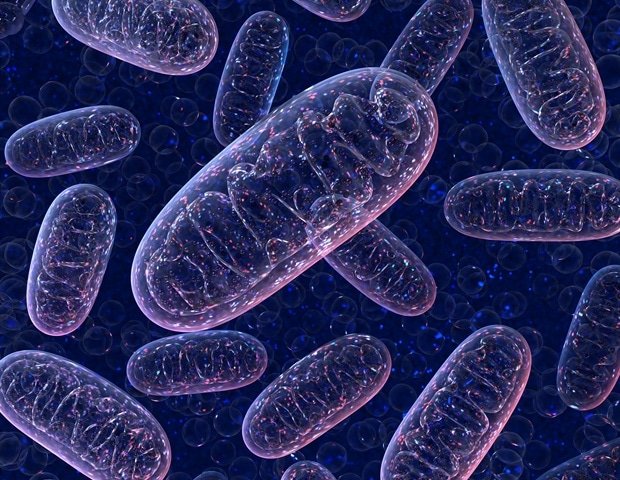
One of the most striking findings involved mitochondria – structures inside cells best known for producing energy. The study found that mitochondrial proteins were much more likely to elicit strong immune responses than proteins from other parts of the cell, accounting for more than a quarter of the most immunogenic proteins identified. Mitochondria likely evolved from ancient bacteria, and this evolutionary history may explain why the immune system seems particularly sensitive to them when exposed.
“We think the body has never fully accepted mitochondria as part of itself – they are normally hidden inside the cell and when exposed, the immune system can recognize them as foreign,” says Dr Griffiths.
The implications extend beyond tissue engineering. The researchers say the same strategy could help identify the most important targets of the immune system in organ transplantation, infectious diseases and cancer biology. In transplantation, for example, ranking the most immunogenic proteins could eventually help scientists develop better biomarkers to detect rejection earlier or guide more targeted therapies.
The project also aligns with Mayo Clinic’s Genesis strategic initiative, advancing the science needed to create next-generation regenerative medicine products. The laboratory of Dr. Griffiths is already using this knowledge to improve engineered tissues intended for clinical use, with the goal of removing the proteins most likely to cause harmful immune reactions while maintaining the structure needed for healing and integration.
“This study fills a critical gap in knowledge,” says Dr. Griffiths. “If we want to create regenerative therapies and implants that are truly safe and effective, we need to understand not only what the immune system is reacting to, but what exactly it is reacting to. It is this understanding that will help bring better products to patients.”
